
Side Dishes
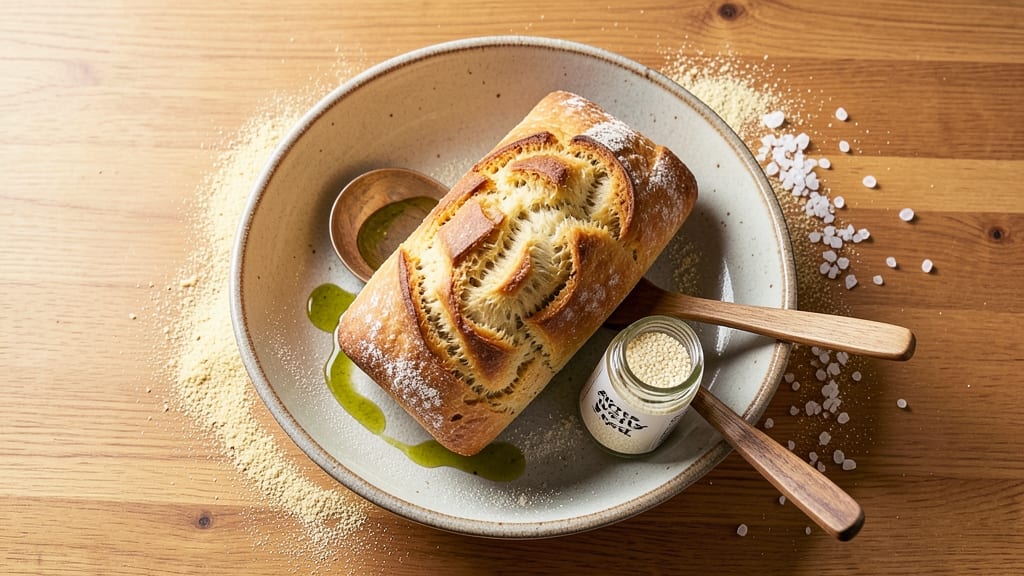
This Acme bread recipe delivers the same crusty crunch and artisan texture you'd find in a specialty bakery—without the complexity. The secret lies in a no-knead method that develops deep flavor through slow fermentation, creating a loaf with an irresistible golden crust and an airy, open crumb.
I've perfected this technique after years of testing, and it consistently produces a loaf that rivals professional bakeries.
The beauty of this recipe is its simplicity: just five core ingredients—flour, yeast, water, salt, and a touch of oil—come together to create something extraordinary. There's no need for fancy equipment; a standard mixing bowl and Dutch oven will give you that signature oven spring and crisp exterior.
The key is patience—letting the dough rest overnight allows the gluten to relax and develop naturally, resulting in a texture that's both tender and crisp.
What you'll end up with is a perfectly proportioned loaf with a shatteringly crisp crust that gives way to a soft, airy interior. The aroma alone will have everyone gathering around your table, and each slice will be worth the wait.
This bread pairs beautifully with soups, stews, or simply slathered with butter—it's the kind of loaf that makes every meal feel special.
For those short on time, I'll also share a bread machine adaptation that delivers similar results with minimal effort. Whether you're baking for a crowd or treating yourself to homemade bread, this recipe ensures you'll always have a restaurant-quality loaf on hand.
Let's get started on creating your perfect Acme bread.
Ingredients for acme bread
Five simple ingredients transform into an artisan-style loaf with perfect crust and airy crumb.
| Ingredient | Amount | Notes |
|---|---|---|
| Bread Flour 🌾 | 4 cups | High-protein for structure |
| Active Dry Yeast 🍞 | ¼ oz | Freshly opened for potency |
| Warm Water 💧 | 1 ½ cups | 110°F for ideal activation |
| Diamond Crystal Kosher Salt 🧂 | 1 ½ tsp | Fine grain for even distribution |
| Extra-Virgin Olive Oil 🫒 | ½ tsp | Fruity variety for flavor |
| Cornmeal 🌽 | 2 tbsp | For dusting and texture |
| Ice Water ❄️ | ¼ cup | For shaping and cooling |
Bread flour is non-negotiable here—its high protein content gives you that open crumb structure and chewy texture. King Arthur or Bob's Red Mill are my go-tos, but any bread flour will work. The yeast? Always use freshly opened—it loses potency fast. If you're in a pinch, Whole Foods sells it pre-measured in those little envelopes, which is perfect for this recipe. Store your flour in the freezer to preserve freshness, but bring it to room temp before mixing. The olive oil adds subtle richness; skip it if you're watching calories, but trust me, it's worth it for that tender crumb.
No bread flour? All-purpose plus 1 tbsp vital wheat gluten gets you close. The yeast can be substituted with instant yeast at the same amount, but it activates faster so mix it straight into the flour. For the water, chlorine-free filtered is ideal—tap water works but might slow fermentation slightly. If your dough feels too sticky after mixing, add 1 tbsp more flour. The cornmeal isn't just for dusting—it adds a subtle sweetness that complements the crust. And that ice water? It's crucial for shaping—keeps the dough cool and prevents it from sticking to your hands.
This dough is a 24-hour project, but it's worth every minute. Store the shaped loaf in the fridge overnight for best results—it develops more flavor. The next morning, it'll be ready for the Dutch oven. If you're prepping ahead, you can shape the dough and refrigerate it for up to 48 hours before baking. The baked loaf keeps well at room temperature for 3 days, wrapped in a towel, or frozen for 3 months. Slice it fresh from the oven for that perfect crunch—it disappears fast, so make extra.
Why You'll Love This Recipe
- No-Fuss Dough: I swear, this recipe is the closest thing to bread magic I’ve ever seen—just toss the flour, yeast, and water together, let it rest, and boom. No standing over a mixer, no kneading until your arms give out.
- Crusty Yet Tender: That olive oil in the dough? It’s what makes the crust shatter like a dream while keeping the inside pillowy. Honestly, I’ve tried store-bought bread that can’t compete—this is the real deal.
- Meal Prep MVP: Slice it fresh, toast it later. I make a batch on Sundays and freeze half—perfect for quick sandwiches or garlic bread when I’m too tired to think. (Yes, even on a Tuesday night.)
- Pocketbook Hero: Five ingredients, zero frills, and the flavor of artisanal bread without the markup. Between us, this recipe saved me $20 a month by ditching the bakery run.
Step-by-step instructions for artisan-style no-knead loaf
Let's create a loaf with a crispy crust and tender crumb using this straightforward no-knead method.
Activate the Yeast and Mix the Dough
In a large mixing bowl, combine the 1.5 cups warm water (around 110°F) with the 0.25 oz active dry yeast. Let this sit for 5-10 minutes until the yeast becomes foamy and bubbly—this confirms it's active. If it doesn't foam, your yeast may be dead, and you'll need to start over.
Once the yeast is active, add the 4 cups bread flour, 1.5 tsp diamond crystal kosher salt, and 0.5 tsp extra-virgin olive oil to the bowl. Using a wooden spoon or dough whisk, stir the ingredients together until a shaggy dough forms. The dough will be sticky, but that’s normal—this is a wetter, more relaxed dough that doesn’t require kneading.
Rest the Dough for Optimal Development
Cover the bowl with a damp kitchen towel or plastic wrap and let the dough rest at room temperature for 1-2 hours. During this time, the yeast will work its magic, breaking down the gluten and creating a smooth, elastic texture. You’ll notice the dough rise slightly and become less sticky as the flour absorbs the moisture.
I like to place the bowl in a warm spot, like near the oven with the light on, to encourage even fermentation. Avoid placing it in direct sunlight or near drafts, as temperature fluctuations can slow down or speed up the process unevenly.
Shape and Prepare for Baking
After the rest, the dough should be noticeably puffier and easier to handle. Lightly flour a clean surface and turn the dough out onto it. Gently shape the dough into a round ball by folding the edges toward the center. This helps create surface tension, which is key for a good oven spring later.
Place the dough seam-side up in a lightly greased bowl and cover it again with a damp towel. Let it rise for another 1-2 hours, or until it has nearly doubled in size. You’ll know it’s ready when it springs back slowly when poked gently with a finger.
Create Steam and Bake for Crispy Crust
Preheat your oven to 450°F. While the oven heats, place a baking sheet on the lower rack and fill a small oven-safe dish with 2 tbsp cornmeal. This will create a bed for the loaf and help absorb excess moisture during baking.
Turn the dough onto the cornmeal-covered baking sheet, seam-side down. Using a sharp knife or razor, score the top of the loaf in a simple cross or diagonal pattern—this controls where the bread expands and prevents large cracks. Immediately place the baking sheet in the oven and pour 0.25 cup ice water into the dish on the lower rack to generate steam. This step is crucial for achieving that crispy, artisan-style crust.
Bake to Golden Perfection
Bake the loaf for 25-30 minutes, until the crust is deep golden brown and sounds hollow when tapped on the bottom. The internal temperature should reach 190-200°F—this ensures the crumb is fully baked and tender.
Remove the loaf from the oven and let it cool on a wire rack for at least 30 minutes before slicing. This resting period allows the steam inside the bread to redistribute, resulting in a lighter, more tender crumb. Serve warm with butter or olive oil for the ultimate artisanal experience.
Pro Tips For Making Acme Bread
- TEST YEAST FIRST: Skip the guesswork—mix 1 teaspoon yeast with ¼ cup warm water (110°F) and 1 tsp sugar. If it doesn’t foam in 5–10 minutes, your yeast is dead or your water’s too hot. No bubbles? Start over with fresh yeast—this isn’t the time to wing it.
- SALT THE WATER: Toss in the full 2 teaspoons Diamond Crystal kosher salt with the yeast and water at the start. It dissolves faster and seasons the dough evenly—no clumpy bits later. (Yes, even if the recipe says "add later.")
- STRETCH, DON’T PUNCH: When shaping, use your knuckles to gently press and stretch the dough from the center outward, not your fists. This builds gluten without tearing. I learned this the hard way after making a lumpy loaf that looked like a deflated balloon.
- OIL THE BOWL: Coat your mixing bowl with 1 tablespoon olive oil before adding the dough. It prevents sticking, makes cleanup easier, and guarantees you won’t lose dough scraps to the sides. (Trust me, you’ll hate scraping it off later.)
Regional styles of this dish
Classic French Baguette
For a crispy, airy baguette with a thin crust, replace the bread flour with 3.5 cups all-purpose flour and add 1 tbsp instant yeast. Shape the dough into a long oval, scoring it with a razor before baking.
French bakers swear by a 500°F oven for that signature crackly crust—use a pizza stone or baking sheet for best results. 🥖
Italian Ciabatta
Swap the olive oil for 1 tbsp honey and add 1 tbsp cornmeal to the dough. Shape into a rustic, lopsided loaf with holes punched into the top.
Bake in a Lodge cast iron skillet at 425°F for a crispy exterior and soft, airy interior. Perfect for dipping in olive oil or pairing with Italian antipasti.
German Pretzel Style
Add 2 tbsp malt powder and 1 tbsp baking soda to the dough, then shape into pretzel knots. Boil the dough in water with 2 tbsp baking soda for 30 seconds before baking at 400°F for 20 minutes.
Brush with coarse sea salt while hot for that iconic pretzel flavor. 🥨
Southern Cornbread Twist
Replace 1 cup bread flour with 1 cup fine cornmeal and add 1 cup buttermilk to the dough. Shape into a round loaf and bake in a greased cast iron skillet at 375°F for 30 minutes.
The result is a sweet, crumbly loaf with a golden crust—ideal for serving with chili or butter.
Modern Sourdough Adaptation
For a sourdough version, replace the yeast with 1 cup active sourdough starter and reduce water to 1 cup. Let the dough ferment at room temperature for 12 hours, then cold-proof in the fridge overnight.
Bake in a Dutch oven at 450°F for 30 minutes for an open crumb and tangy flavor. 💛
Gluten-Free Option
Use a 1:1 gluten-free flour blend (like Bob's Red Mill) and add 1 tbsp xanthan gum. The dough will be stickier, so wet your hands when shaping. Bake in a greased loaf pan at 350°F for 40-45 minutes, covering with foil halfway to prevent over-browning.
The texture won't be identical, but it's a great alternative for those with gluten sensitivities.
Nutrition facts
Frequently asked questions
Why does this recipe use a no-knead method?
The no-knead approach develops deeper flavor through slow fermentation. This method breaks down gluten naturally, creating a tender crumb and crisp crust without overworking the dough. The overnight rest also makes it perfect for busy schedules—just mix, rest, and bake!
Can I make this bread without a Dutch oven?
Yes! Use a heavy oven-safe pot with a lid or even a baking sheet. For best results, place it on the lower oven rack and pour 1 cup ice water into a tray on the middle rack to create steam. The crust won't be quite as crispy, but the bread will still be delicious.
How do I know when the dough is ready for shaping?
The dough is ready when it springs back slowly when poked gently with a finger (the "poke test"). It should also be noticeably puffier and easier to handle after 1-2 hours of resting. If it's still sticky, let it rest a bit longer—patience is key!
What if my crust isn't crispy enough?
Try these fixes: Preheat your oven longer (45+ minutes), use a baking stone, or increase the oven temp to 475°F for the first 10 minutes of baking. Also ensure you're generating enough steam—pouring 1 cup ice water into the oven is crucial for that bakery-style crust.
Can I add seeds or herbs to this recipe?
Try adding 1 tbsp sesame seeds, 1 tbsp poppy seeds, or 2 tbsp fresh rosemary to the dough before shaping. For extra flavor, sprinkle coarse salt or everything bagel seasoning on top before baking. Just reduce the flour by 1 tbsp if adding extra mix-ins.