
Snacks
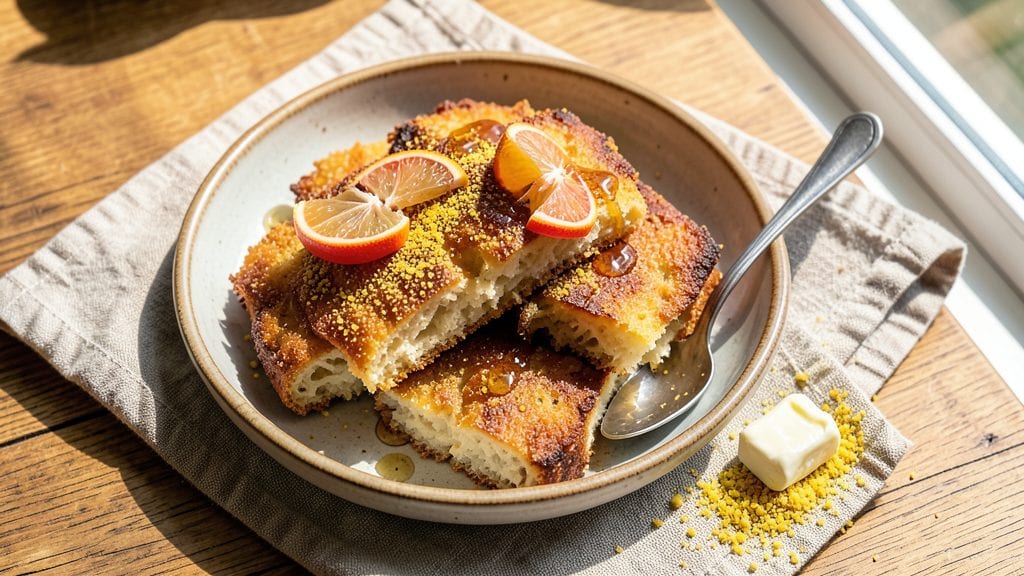
This African fried bread recipe delivers the perfect balance of crispy cornmeal crust and spiced warmth that makes every bite irresistible. Inspired by West African traditions, these golden-brown fritters transform simple ingredients into a dish that pairs beautifully with stews, dips, or even enjoyed on their own.
The secret lies in the dough's texture—light yet sturdy enough to hold its shape while frying. I've tested countless variations, and this method guarantees a crispy exterior with a tender, flavorful interior every time.
The dough comes together in just 15 minutes, using basic pantry staples like cornmeal, flour, and a touch of sugar for subtle sweetness. Spices like ginger and nutmeg add depth, while a pinch of baking powder ensures a light texture.
The frying technique is simple but critical: hot oil and careful timing create that signature crispy crunch without burning. This recipe serves as a versatile snack or side, perfect for gatherings or a quick, satisfying treat.
What you'll end up with is a golden, aromatic bread with a satisfying crunch that gives way to a soft, spiced interior. The aroma alone—warm, spiced, and slightly nutty—will fill your kitchen and draw everyone to the table.
These fritters hold up well for a few days, making them ideal for meal prep or sharing with neighbors. Whether you're serving them with a rich peanut stew or a tangy yoghurt dip, they'll disappear quickly.
For those looking to explore further, try adding a pinch of cayenne for heat or a sprinkle of sesame seeds for extra texture. The possibilities are endless, but the foundation remains the same: crispy, flavorful, and deeply satisfying. Let's get started on making these a staple in your kitchen.
Ingredients for african fried bread
Pantry staples meet West African tradition for crispy, golden fritters that transform simple ingredients into a flavorful staple.
| Ingredient | Amount | Notes |
|---|---|---|
| Fine Yellow Cornmeal 🌽 | 1 cup | Stone-ground preferred for texture |
| All-Purpose Flour 🌾 | 1 cup | White or whole wheat blend |
| Granulated Sugar 🍯 | ¼ cup | Light brown sugar for depth |
| Active Dry Yeast 🍞 | ¼ tsp | Ensure freshness with expiration date |
| Warm Water 💧 | ½ cup | 110°F for optimal yeast activation |
| Unsalted Butter 🧈 | ½ cup | Cold, cubed for even distribution |
| Large Egg 🥚 | 1 whole | Room temperature for even mixing |
| Ground Ginger 🌿 | 1 tsp | Freshly grated preferred for potency |
| Ground Nutmeg 🌿 | ½ tsp | Freshly grated preferred for aroma |
| Baking Powder 🍞 | ½ tsp | Ensure freshness for lift |
| Salt 🧂 | ½ tsp | Kosher salt preferred for balance |
| Vegetable Oil 🫒 | 3 cups | High smoke point for frying |
| Sesame Seeds 🌾 | 1 tbsp | Toasted for enhanced flavor |
The cornmeal is non-negotiable for that signature texture—Bob's Red Mill stone-ground or Maseca are my go-to brands. If you can't find stone-ground, regular fine cornmeal works, but the texture will be slightly less tender. For the flour, King Arthur all-purpose or a 50/50 blend with whole wheat adds subtle nuttiness. The sugar is where subtle sweetness comes into play, but don’t overdo it—light brown sugar adds just enough caramel notes without overpowering. Yeast is critical: always check the expiration date, and if it’s been sitting in your pantry for months, grab a fresh packet. Warm the water to 110°F—too hot and you’ll kill the yeast; too cold and it won’t activate properly.
No sesame seeds? Toasted poppy seeds or crushed peanuts add a similar crunch, though the flavor profile shifts slightly. Running short on butter? Coconut oil or lard work in a pinch, but butter gives the best flavor. The spices—ginger and nutmeg—are where the magic happens. If you can’t find freshly grated nutmeg, pre-grated is fine, but toast the whole nutmeg seeds in a dry pan for 30 seconds first to deepen the aroma. For the oil, vegetable or peanut oil have high smoke points, but avoid olive oil—it burns too easily and imparts a bitter taste. The dough should be thick but pliable; if it’s too sticky, add a splash more flour, but don’t overdo it or the fritters will be dense.
Freshly made fritters are best enjoyed within 2 days, stored in an airtight container at room temperature to maintain crispiness. For longer storage, freeze them on a baking sheet first to prevent sticking, then transfer to a sealed bag for up to 3 months. Reheat in a 350°F oven for 5-7 minutes or air fry at 375°F for 3-4 minutes to restore that golden crunch. These fritters reheat beautifully—perfect for meal prep or sharing with neighbors. Double the batch; they disappear faster than you can say 'crispy crust.'
Why You'll Love This Recipe
- No Yeast Hassle: I mix the dough in one bowl, let it sit for 20 minutes—no waiting hours. The yeast activates fast with warm water, and the sugar kickstarts the rise while I prep the cornmeal batter. Honestly, it’s the kind of recipe that doesn’t demand your full attention.
- Sweet-Crisp Magic: That golden crust? Chef’s kiss. The cornmeal gives it a delicate crunch, while the sugar caramelizes just enough to make every bite taste like a little dessert. I’ll be real: my kids grab these straight from the fryer before dinner even hits the table.
- Breakfast to Snack: Serve it warm with honey and peanut butter for a lazy Sunday breakfast, or pack the leftovers for school lunches—they stay fresh for days. (Yes, even on a Tuesday night.) The dough’s mild sweetness also makes it perfect for dipping in stews or curries if you’re feeling fancy.
- Pantry Staple Power: Five ingredients, all of which you likely already have. No specialty trips, no last-minute scrambles. I’ve made this with expired flour (yes, really) and it still turned out crispy. Budget-friendly? More like pantry-clearing friendly.
Step-by-step instructions for African fried bread
Here's how to achieve that signature crispy exterior and tender interior with warm spiced notes.
Prepare the Yeast Mixture
In a small bowl, combine the 0.25 cup warm water (about 110°F) with the 0.25 tsp active dry yeast. Let it sit for 5-10 minutes until it becomes frothy. This simple step activates the yeast and ensures your bread will rise properly. If it doesn't foam, your yeast may be inactive—start over with fresh yeast.
While waiting, measure out the remaining dry ingredients: 1 cup fine yellow cornmeal, 1 cup all-purpose flour, 0.25 cup granulated sugar, 1 tsp ground ginger, 0.5 tsp ground nutmeg, 0.5 tsp baking powder, and 0.5 tsp salt. Whisk them together in a large mixing bowl to remove any lumps and distribute the spices evenly. The spices will infuse the bread with that characteristic warm, aromatic flavor.
Mix and Knead the Dough
Add the frothy yeast mixture to the dry ingredients and stir until combined. Then, cut the 0.5 cup unsalted butter into small cubes and add them to the bowl. Mix until the butter is fully incorporated and the dough begins to come together. If it's too crumbly, add 1 tablespoon of warm water at a time until it forms a soft, pliable dough.
Turn the dough onto a lightly floured surface and knead for 5-7 minutes until smooth and elastic. You're looking for a dough that springs back slowly when pressed. This kneading step develops gluten, which gives the bread structure and helps it hold its shape during frying. If the dough feels too sticky, add a little more flour, but don't overdo it—too much flour can make the bread dense.
Let the Dough Rise
Shape the dough into a ball and place it in a lightly greased bowl. Cover with a clean kitchen towel and let it rise in a warm place for 1-1.5 hours, or until it has doubled in size. A warm oven with the light on works well for this. The dough should feel light and airy when pressed gently with a finger.
While the dough rises, prepare your frying setup. Fill a deep skillet or Dutch oven with 3 cups vegetable oil and heat it over medium heat to 350°F. Use a thermometer to monitor the temperature—this is critical for achieving that signature crispy texture without burning the bread. The oil should be hot enough to sizzle gently when a small piece of dough is dropped in.
Fry the Bread to Golden Perfection
Once the dough has risen, gently punch it down to release air and divide it into 4 equal portions. Shape each portion into a smooth ball, then flatten slightly into a round patty about ½-inch thick. Heat the oil to 350°F again if needed—consistent temperature is key for even cooking.
Carefully place one bread round into the hot oil and fry for 2-3 minutes per side, until it turns a deep golden brown and is crispy to the touch. Use a slotted spoon to turn it gently—don't press down, or you'll lose the air pockets that make the bread light. Remove the fried bread and place it on a paper towel-lined plate to drain excess oil. Repeat with the remaining dough portions, maintaining the oil temperature throughout.
Finish and Serve
While the bread is still warm, sprinkle each piece generously with 1 tablespoon sesame seeds, pressing them gently into the surface. This adds texture and a nutty aroma that complements the spices. Serve immediately while the bread is crispy and warm—this is when it's at its best.
The bread should have a crackly exterior that gives way to a soft, slightly chewy interior with pockets of air. The spices should be noticeable but not overpowering, with a subtle sweetness from the sugar. Enjoy with your favorite dips or as a side to soups and stews—this bread is perfect for soaking up flavors.
Pro Tips For Making African Fried Bread
- Sift the Cornmeal: I learned this the hard way—skipping the sift leaves lumps that turn your fried bread dense instead of light. Use a fine-mesh sieve and tap it gently over the bowl to break up clumps before mixing with flour. Yes, it takes 30 seconds, but your bread will actually puff up like it’s supposed to.
- Proof the Yeast Twice: The first proof tells you if your yeast is alive, but the second proof—after mixing with the wet ingredients—is where the magic happens. Let the dough rise until it’s almost doubled, then punch it down and let it rise again for another 30-45 minutes. This ensures even fermentation and a fluffier texture, not a sad, flat pancake.
- Fry in Batches: Crowding the pan is how you end up with greasy, unevenly cooked bread. Use a nonstick skillet but keep it to 2-3 pieces at a time—enough space to let them sizzle without steaming. If your kitchen smells like heaven, you’re doing it right.
- Add Sugar Last: Mixing sugar into the dry ingredients too early can kill your yeast before it even gets to work. Save it for the final stir with the wet ingredients, or even better, sprinkle a pinch on top of the fried bread right after cooking. That caramelized crust? Worth the extra step.
Perfect pairings for this african fried bread
West African Stews
Pair these fritters with a rich peanut stew like Egusi soup or Groundnut stew—the nutty, earthy flavors complement the bread's crispy exterior perfectly. I love using 1 cup roasted peanuts blended with 2 cups tomato paste and 1 cup palm oil for depth.
The fritters soak up the sauce beautifully, creating a satisfying bite. 🍛
Spicy Yogurt Dips
A tangy spiced yogurt dip with roasted garlic and chili flakes cuts through the richness. Mix 1 cup plain yogurt with 1 tbsp lemon juice, 1 minced garlic clove, and ½ tsp cayenne.
Add a pinch of salt and ½ tsp ground ginger for warmth. Serve chilled alongside the fritters for a refreshing contrast. 🥛
Sweet Plantain Mash
For a sweet-savory twist, serve with mashed ripe plantains—a West African staple. Cook 2 cups sliced plantains in 1 tbsp butter until tender, then mash with 1 tsp cinnamon and a pinch of salt. The caramelized sweetness balances the spiced bread beautifully. 🍌
Grilled Fish or Meat
Pair with grilled tilapia or spiced chicken thighs for a hearty meal. Marinate the fish in 1 tbsp lemon juice, 1 tsp smoked paprika, and ½ tsp garlic powder, then grill for 4-5 minutes per side.
The fritters act as a perfect side to soak up any remaining juices. 🐟
Chai Tea or Hibiscus Drink
Finish the meal with a warm West African chai or hibiscus tea (zobo). The spices in the tea—like cardamom and cinnamon—echo the ginger and nutmeg in the bread. For zobo, steep 1 cup dried hibiscus flowers in boiling water for 10 minutes and sweeten with honey. 🍵
Nutrition facts
Frequently asked questions
What makes this African fried bread different from regular fried dough?
The key lies in the cornmeal base and West African spices like ginger and nutmeg, which create a unique texture and flavor profile. Unlike standard fried dough, this recipe uses yeast-leavened dough for a lighter interior while maintaining a crispy exterior. The addition of sesame seeds and subtle sweetness from sugar sets it apart from savory or sweet fried doughs.
Can I make this recipe without yeast?
Yes! For a quick version, replace the yeast with 1 tsp baking powder and ½ tsp baking soda. Mix the dough ingredients directly without rising time, then fry immediately. The texture will be denser but still delicious. This works well for same-day snacks or when you're short on time.
How do I store leftover fried bread?
Keep them in an airtight container at room temperature for up to 2 days to maintain crispiness. For longer storage, freeze on a tray first, then transfer to a bag for up to 3 months. Reheat in a 350°F oven for 5 minutes or air fry at 375°F for 3 minutes to restore crunch.
Why did my bread turn out greasy instead of crispy?
Greasy results usually mean the oil wasn't hot enough (350°F) or the dough was too wet. Test oil temperature by dropping in a small dough scrap—it should sizzle immediately. Also ensure your dough is thick but pliable (not sticky). For extra crispiness, pat fried pieces on paper towels before adding sesame seeds.
Can I make this gluten-free?
Swap the flour for 1 cup gluten-free all-purpose blend and use ½ cup cornstarch instead of cornmeal. Add 1 tsp xanthan gum if your blend doesn't contain it. Keep all other ingredients the same, but expect a slightly denser texture. Test with a small batch first.