
Side Dishes
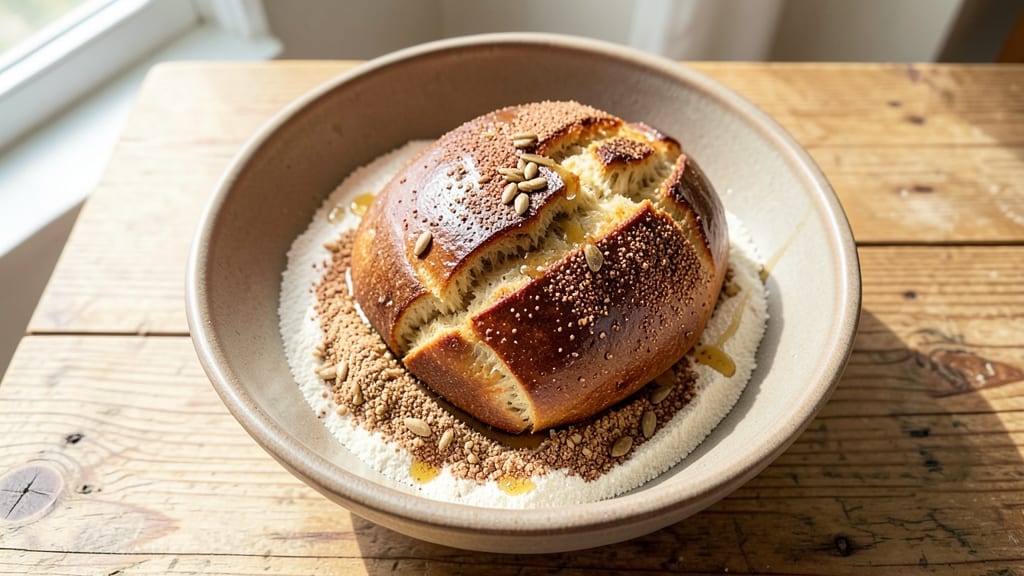
This African yeast bread recipe brings the soulful warmth of traditional baking to your kitchen, where fermented flavors and tender crumb create loaves that disappear faster than you can slice them.
The tangy depth comes from natural fermentation—no commercial yeast needed—while the texture stays light and airy, perfect for soaking up stews or wrapping around sandwich fillings. I’ve perfected this method over years of testing, balancing authenticity with kitchen-friendly techniques that yield consistent results every time.
The magic lies in the dough’s slow fermentation, which develops complex flavors and a delicate crumb structure. Using a mix of all-purpose flour and whole wheat gives structure while keeping the bread digestible, though teff flour can be substituted for a gluten-free version with a distinctively earthy taste.
The kneading process is gentle but thorough, ensuring gluten develops just enough for a satisfying chew without toughness.
What you’ll end up with is golden-brown loaves with a crisp crust and tender interior, their aroma filling the house long before they cool. The slight tang from fermentation makes each bite satisfying, while the soft texture holds up beautifully for days.
This bread pairs perfectly with hearty African stews, fried plantains, or even as a base for breakfast wraps.
Whether you’re recreating a family tradition or exploring African cuisine for the first time, this recipe delivers professional-quality results with minimal fuss. Let’s get started on your first batch—your kitchen will thank you for the aroma alone.
Ingredients for african yeast bread
Four loaves of soulful bread start with these twelve ingredients—flours for structure, spices for tradition, and patience for perfect fermentation.
| Ingredient | Amount | Notes |
|---|---|---|
| All-Purpose Flour 🌾 | 3 ½ cups | White gold standard for structure |
| Whole Wheat Flour 🌾 | 1 ½ cups | For nutty depth and texture |
| Teff Flour 🌾 | ½ cup | Optional for gluten-free earthiness |
| Active Dry Yeast 🍞 | ¼ oz | Or 2 1/4 tsp (1 package) |
| Granulated Sugar 🍚 | ½ cup | Feeds yeast for fermentation |
| Unsalted Butter 🧈 | ½ cup | Cold, cubed for dough enrichment |
| Warm Water 💧 | 1 ¼ cups | 110°F for yeast activation |
| Salt 🧂 | 1 ½ tsp | Diamond Crystal preferred |
| Honey 🍯 | 2 tbsp | For subtle sweetness and moisture |
| Ground Coriander 🌿 | 1 tsp | Traditional African warmth |
| Ground Cumin 🌿 | ½ tsp | Earthy depth (toasted preferred) |
| Eggs 🥚 | 1 whole | Room temperature for binding |
| Milk 🥛 | ¼ cup | For tenderness and shine |
The flours are your foundation: all-purpose for lift, whole wheat for texture, and teff (if using) for that signature African earthiness. Bob's Red Mill teff flour is my go-to—it's finely milled and gluten-free. For yeast, Saf-Instant works if you're in a hurry, but traditional active dry gives that authentic slow fermentation. The butter? Plugrá or Land O'Lakes unsalted—cold cubes melt beautifully during kneading. If your kitchen runs warm, chill the butter first. The spices? Penzeys ground coriander and cumin have the most vibrant flavor, but the bulk bins at Whole Foods work too—just check the expiration date. Freshness matters here.
No teff flour? Buckwheat flour adds a similar depth, though the color won't be identical. Short on whole wheat? Substitute with extra all-purpose—just know the crumb will be slightly lighter. The honey can be swapped for maple syrup or even molasses for a deeper flavor, though it'll darken the crust. Out of coriander? Cardamom at half the amount gives a similar aromatic punch. The milk is non-negotiable for tenderness—whole milk works best, but half-and-half adds richness if you're feeling indulgent. For a vegan version, unsweetened almond milk works, though the texture will be slightly denser. The eggs? Room temperature is key—they bind better and won't shock the dough.
This dough needs time—at least 4 hours for fermentation at room temperature, or overnight in the fridge for deeper flavor. Store-bought dough won't cut it here. The shaped loaves keep well in a bread box for 3-4 days, but they're best fresh. For longer storage, freeze shaped loaves (unbaked) for up to 3 months—thaw overnight before baking. The crust stays crisp even after reheating, so toast slices for extra crunch. Leftovers? Toss them in a paper bag to keep them soft. This bread is magic—plan ahead for the best results.
Why You'll Love This Recipe
- No-Knead Magic: I swear by this—just mix, wait, and bake. The teff flour does most of the work, giving it that signature tang without a single punch or stretch.
- Earthy Sweet Crunch: That little pinch of teff and whole wheat? It’s like a warm hug with a crackly crust. Honestly, the sugar caramelizes just enough to make every bite feel like a treat.
- Weeknight Crowd Pleaser: Toss it in your freezer for breakfast toast or dinner rolls—it’s the same dough, different stars. My kids grab it for school lunches, and my partner sneaks it for sandwiches.
- Budget-Friendly Staple: Uses pantry basics but feels special. A single batch stretches for days, and the yeast makes it cheaper than store-bought. (Yes, even on a Tuesday night.)
Step-by-step instructions for African yeast bread
Here's how to craft loaves with that signature African tang and tender crumb.
Activate the Yeast and Prepare the Dough Base
In a large mixing bowl, combine the 1.25 cups warm water (about 110°F) with the 0.5 cup granulated sugar and 2 tbsp honey. Stir until the sugar and honey dissolve completely. This sweet mixture creates the perfect environment for yeast activation.
Sprinkle the 0.25 oz active dry yeast over the liquid and let it sit for 5-10 minutes until it becomes frothy. You'll see small bubbles forming on the surface—this confirms the yeast is alive and ready to work its magic. If it doesn't foam, your yeast may be dead, and you'll need to start over.
In a separate bowl, whisk together the 3.5 cups all-purpose flour, 1.5 cups whole wheat flour, 0.5 cup teff flour, 1.5 tsp salt, 1 tsp ground coriander, and 0.5 tsp ground cumin. The combination of flours gives this bread its signature texture and depth of flavor. Sift the dry ingredients lightly to aerate the flour and create a lighter dough.
Combine Wet and Dry Ingredients
Add the yeast mixture to the bowl of dry ingredients and mix with a wooden spoon until a shaggy dough forms. The dough will be sticky at this stage, but that's exactly what we want for a tender crumb. Gently press the dough together with your hands to bring it into a cohesive mass.
Next, cut the 0.5 cup unsalted butter into small cubes and add them to the dough. Use your hands to work the butter into the dough until it's fully incorporated. The butter will add richness and help create that signature flaky texture. If the dough feels too stiff, add 1-2 tablespoons of the 0.25 cup milk to help bring it together.
Finally, add the 1 whole egg and 0.25 cup milk to the dough. Mix well until the egg and milk are fully absorbed. The egg provides structure and binding, while the milk adds tenderness and a subtle shine to the finished loaf.
Knead and Let the Dough Rise
Turn the dough out onto a lightly floured surface and knead it for 8-10 minutes by hand or 5-6 minutes in a stand mixer with a dough hook. You're looking for a smooth, elastic dough that springs back slightly when pressed. This kneading step develops the gluten, which gives the bread its structure and chewiness.
Once the dough is properly kneaded, place it back into the mixing bowl, cover it with a clean kitchen towel, and let it rise in a warm place for 1-2 hours. The dough should double in size and become puffy. If your kitchen isn't warm enough, place the bowl near a warm oven with the light on or use a proofing box. The warm environment encourages the yeast to work efficiently.
During this time, the dough will develop those beautiful air pockets that create the bread's signature texture. You'll know it's ready when it's light and springy to the touch. If the dough doesn't rise, it may be too cold or the yeast wasn't activated properly.
Shape and Proof the Dough
Once the dough has risen, punch it down gently to release the air. Divide the dough into 4 equal portions and shape each portion into a smooth, round loaf. Place each loaf seam-side down in a lightly greased 9x5-inch loaf pan. The pans will help the bread hold its shape as it bakes and give it that classic pull-apart texture.
Cover the loaves with the kitchen towel again and let them rise for another 30-45 minutes. The dough should rise slightly in the pans, filling about 2/3 of the space. This final proofing step ensures the bread will be light and airy. If the dough doesn't rise, it may need more time or a warmer environment.
Bake to Golden Perfection
Preheat your oven to 375°F. Once the oven is fully heated, bake the loaves for 30-35 minutes until they are golden brown and sound hollow when tapped on the bottom. The bread should have a crisp crust and a tender, slightly tangy crumb. If the tops brown too quickly, tent the pans with foil to prevent over-browning.
Remove the loaves from the oven and let them cool in the pans for 5 minutes. Then, transfer them to a wire rack to cool completely. This resting period allows the bread to set and prevents it from becoming gummy. Serve the bread warm or at room temperature, sliced thickly for that classic pull-apart experience.
This traditional African yeast bread delivers a perfect balance of sweetness, warmth, and tanginess. The combination of flours and spices creates a flavor profile that's both comforting and complex, making it a staple for any table.
Pro Tips For Making African Yeast Bread
- Sift the Teff First: Teff flour is dense and heavy—if you mix it in dry, your dough will turn gummy fast. Sift it through a fine-mesh sieve before adding to the wet ingredients, then whisk it into the liquid. This guarantees even distribution and prevents clumps that sink like stones in your bread.
- Proof at Room Temp: That yeast won’t wake up properly in a cold kitchen. Let your dough rise in a spot where it’s warm but not hot—think 75–80°F (24–27°C). If your kitchen is chilly, pop the bowl near the oven with the light on (not the heat). Cold dough rises slower, and impatient proofing is the fastest way to dense, flat bread.
- Skip the Whole Wheat Shortcut: Whole wheat flour absorbs water like a sponge—if you don’t adjust, your dough will feel sticky and fight you. For every cup of whole wheat, add 1 extra tablespoon of water during mixing. No guesswork: weigh your flours first, then compensate. (Yes, it’s extra work, but your bread won’t turn out like a brick.)
- Steam the First 10 Minutes: African yeast bread often has a tight, chewy crust. Before baking, spray the inside of your Dutch oven with water and let it steam for the first 10 minutes. The heat will build a crisp shell while keeping the crumb soft—no need for fancy equipment, just a spray bottle and patience. (Pro move: flip the bread halfway if it’s browning too fast.)
Flavor customization for african yeast bread
Spice Variations
Swap the coriander and cumin for 1 tsp smoked paprika and ½ tsp cinnamon to create a Moroccan-inspired version with warm, slightly sweet notes. For an Ethiopian twist, add ½ tsp berbere spice (a fiery red chili blend) and ½ tsp fenugreek—this brings bold heat and earthy depth.
If you prefer milder flavors, reduce the spices to ½ tsp total and add 1 tsp dried rosemary for a Mediterranean-African fusion. 🌶️
Sweet Enhancements
For a breakfast-friendly version, replace 1 tbsp honey with 2 tbsp molasses and add ½ tsp vanilla extract to the dough. This creates a rich, caramelized flavor perfect for toast or French toast.
Another option is to mix 1 tbsp orange zest into the dough—it brightens the bread’s tanginess and pairs beautifully with spicy dishes. Store-bought coconut sugar can also replace granulated sugar for a deeper, toasty sweetness.
Herb Infusions
Fresh herbs elevate this bread’s aroma and flavor. Try adding 2 tbsp finely chopped fresh cilantro or 1 tbsp chopped mint to the dough for a North African touch. For a garden-fresh twist, fold in 1 tbsp chopped dill or 1 tsp dried thyme—these herbs complement the spices beautifully.
If using fresh herbs, reduce the salt slightly to 1 tsp to balance flavors. Herbs like cilantro and mint also keep the bread moist longer.
Gluten-Free Adaptations
For a 100% gluten-free version, replace all wheat flours with 4 cups gluten-free all-purpose flour blend (like Bob’s Red Mill 1:1) and 1 cup teff flour. Add ½ tsp xanthan gum to mimic gluten’s binding properties.
The dough will be stickier, so knead with 1 extra tbsp milk or apricot puree for cohesion. Proofing time may extend to 2-3 hours due to slower fermentation in gluten-free flours. Bake at 350°F for 40-45 minutes to avoid over-browning.
Savory Add-Ins
Transform this bread into a savory loaf by omitting the honey and adding 1 tbsp olive oil to the dough. Mix in ½ cup toasted sesame seeds or ¼ cup chopped sun-dried tomatoes for a Middle Eastern-inspired flavor.
For a protein boost, fold in ½ cup cooked lentils or ¼ cup crumbled feta cheese—these add heartiness and texture. The savory version pairs perfectly with soups, grilled meats, or as a base for open-faced sandwiches.
Nutrition facts
Frequently asked questions
Why does this bread have a tangy flavor?
The tang comes from the natural fermentation process using yeast and warm water, which develops complex flavors over time. The spices like coriander and cumin also enhance the depth, creating that signature African taste. For a stronger tang, extend the proofing time to 8-12 hours in the fridge.
Can I make this bread without a stand mixer?
This recipe is designed for hand-kneading. Work the dough on a lightly floured surface for 8-10 minutes until smooth and elastic. The sticky texture is normal—just wet your hands slightly to prevent sticking. A wooden spoon helps incorporate ingredients if you prefer minimal hand contact.
What if my dough doesn't rise properly?
Check these common fixes: Ensure your yeast is fresh (test in warm water with sugar first), and keep the water at 110°F (not hot). Place the dough in a warm spot—try a turned-off oven with the light on or a proofing box. If using whole wheat flour, reduce it to 1 cup to improve rise. Patience is key: some doughs need 2-3 hours to fully proof.
How do I store leftover African yeast bread?
Keep it fresh in an airtight container at room temperature for 3-4 days. For longer storage, freeze shaped (unbaked) loaves for up to 3 months. Thaw overnight in the fridge, then bake as directed. To revive stale bread, wrap slices in a damp towel and microwave for 10-15 seconds. The crust stays crisp even after reheating!
What are the best ways to serve this bread?
Use it for dipping in stews, pairing with grilled meats, or making sandwiches. Toast slices for extra crunch, or serve warm with butter or honey. The tangy flavor also complements spicy dishes like jollof rice or shawarma. For breakfast, try it with scrambled eggs or avocado.