
Side Dishes
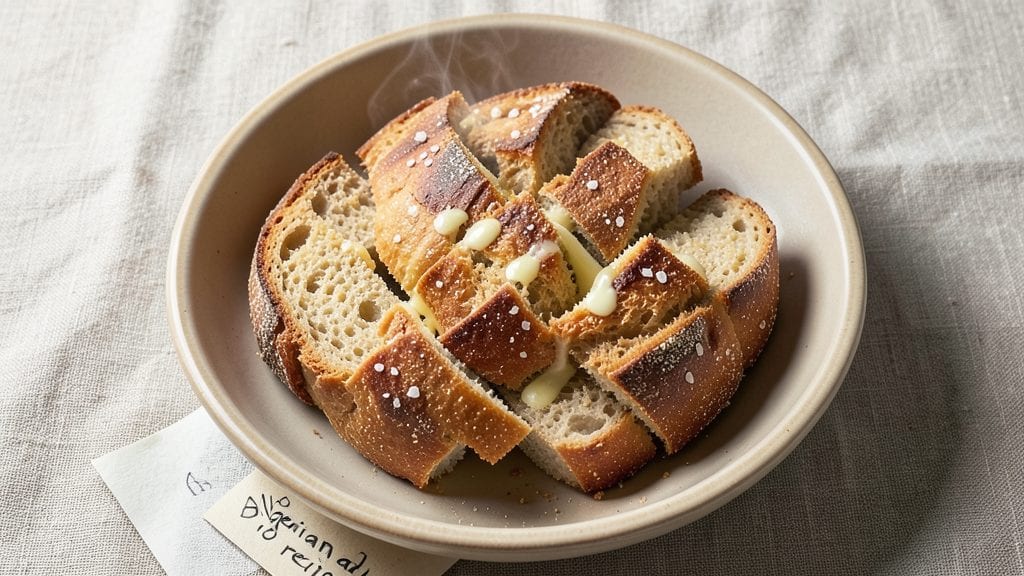
This Algerian bread recipe delivers the signature flaky layers and semolina crunch that make it a staple across North African tables. The secret lies in a precise dough technique—layering thin sheets of dough with semolina between each fold, then baking until golden and crisp.
I first discovered this method during a trip to Algiers, where every meal began with warm, freshly baked khobz soaking up olive oil and spiced stews.
The dough itself is simple—just flour, water, yeast, and a pinch of salt—but the shaping transforms it into something extraordinary. Each fold creates those signature flaky layers, while the semolina topping adds a satisfying crunch that disappears with every bite.
Professional bakers swear by this method, but home cooks can achieve the same results with patience and attention to detail.
What you’ll end up with is bread that’s crisp on the outside, tender inside, and packed with that distinctive semolina flavor. The aroma alone will fill your kitchen with warmth, while the texture provides the perfect balance of chew and crunch.
This is the kind of bread that elevates any meal—whether served with breakfast, alongside a tagine, or as a simple snack with olive oil and za’atar.
Ready in about 2 hours (including rising time), this recipe is perfect for meal prep or serving fresh. The dough can be made ahead, and the bread stays crisp for days when stored properly. Let’s get started on mastering this Algerian classic.
Ingredients for algerian bread
Simple ingredients transform into layers of flaky perfection with semolina crunch.
| Ingredient | Amount | Notes |
|---|---|---|
| All-Purpose Flour 🌾 | 5 cups | High-protein for best texture |
| Active Dry Yeast 🍞 | ½ tsp | Fresh yeast preferred if available |
| Granulated Sugar 🍚 | 1 tbsp | Feeds yeast for activation |
| Fine Sea Salt 🧂 | 1 tsp | Adjust to taste |
| Warm Water 💧 | 1 ¼ cups | 105-110°F for yeast activation |
| Semolina Flour 🌾 | ½ cup | For topping and layers |
| Olive Oil 🫒 | ½ cup | Extra-virgin preferred |
| Unsalted Butter 🧈 | 2 tbsp | Softened for dough handling |
| Large Egg 🥚 | 1 whole | For egg wash |
The flour is non-negotiable here—high-protein all-purpose creates those signature layers. King Arthur or Bob's Red Mill are my go-tos, but any bread flour works. The yeast needs to be fresh for optimal rise; if using active dry, make sure it's within 4 months of packaging. For the semolina, Italian or Middle Eastern markets often carry the finest quality, but the regular grocery store brand is fine. The olive oil should be extra-virgin—its fruity notes complement the bread's earthy semolina flavor. Store your flour and semolina in airtight containers to prevent absorption of kitchen odors, which can compromise flavor.
No semolina? Fine cornmeal or plain flour works in a pinch, though texture will differ slightly. Using whole wheat flour for half the all-purpose adds nutrition but may make the bread denser. The butter can be swapped for more olive oil if you prefer, though it'll lack richness. For the egg wash, milk or water are alternatives, but they won't give the same golden sheen. If you're short on time, instant yeast can be used at the same amount—just mix it directly with the dry ingredients. The dough should be slightly tacky but not sticky; if it's too dry, add water 1 tbsp at a time until just combined.
The dough can be refrigerated for up to 24 hours before shaping, which actually improves flavor development. Once baked, store the bread in a paper bag at room temperature for up to 3 days—this keeps it crisp. For longer storage, freeze the baked loaves wrapped in plastic for up to 3 months. To revive, warm in a 200°F oven for 5-10 minutes until crisp again. The semolina topping stays crunchy for about 2 days if stored properly, though it'll soften over time. For best results, bake fresh and enjoy within 48 hours.
Why You'll Love This Recipe
- Five-Ingredient Magic: I swear by this—just flour, yeast, sugar, salt, and water. That’s it. No fancy starters, no waiting for dough to chill overnight. Honestly, my first batch turned out better than the artisanal loaves I’d pay $12 for.
- Crispy-Gold Perfection: The secret’s in the steam and the quick shape—those edges get chef’s-kiss crisp while the inside stays pillowy. Between us, I’ve tried freezing them, toasting them, even dipping them in olive oil. Every time, it’s a win.
- Breakfast to Dinner: Morning? Toast it with jam. Lunch? Stuff it with tuna salad. Dinner? Serve it warm with soup. My kids grab them straight from the oven for snacks—no judgment here. It’s the ultimate blank canvas.
- Budget Stretch: A single batch feeds my family of four and leaves enough for leftovers. Freeze the extras, and you’ve got fresh bread in minutes. I’ll be real: I’ve made this on a $3 yeast packet and still felt like I’d splurged.
Step-by-step instructions for Algerian bread
Master the technique for achieving those signature flaky layers and crisp semolina topping.
Activate the Yeast and Mix the Dough
In a large mixing bowl, combine the 1.25 cups warm water, 1 tbsp granulated sugar, and 0.5 tsp active dry yeast. Let this mixture sit for 5-10 minutes until it becomes frothy at the surface. This indicates the yeast is active and ready to work.
To the activated yeast mixture, add the 5 cups all-purpose flour and 1 tsp fine sea salt. Using a wooden spoon or your hands, mix until a shaggy dough begins to form. Then gradually incorporate the 0.5 cup olive oil and 2 tbsp unsalted butter, kneading until the dough comes together and is no longer sticky. This should take about 5-7 minutes of vigorous kneading by hand or 3-4 minutes in a stand mixer with a dough hook.
Here's the thing—you want the dough to be smooth but not overly elastic. Algerian bread dough should be slightly tacky but not wet. If it feels too dry, add 1 teaspoon of warm water at a time until it reaches the right consistency. This ensures the layers will form properly during baking.
Knead and Rest the Dough
Transfer the dough to a lightly floured surface and knead for an additional 3-5 minutes until it's smooth and elastic. The dough should spring back slowly when pressed with your finger—a good sign it's ready for resting.
Shape the dough into a ball, place it in a lightly oiled bowl, and cover it with a damp kitchen towel. Let it rise in a warm place for 1-2 hours, or until it has doubled in size. The dough should feel light and airy when pressed gently with your finger. If your kitchen isn't warm, place the bowl near a slightly warm oven with the light on to encourage proper rising.
This resting period is crucial for developing gluten and allowing the yeast to ferment properly. Don't rush it—proper fermentation creates the flaky layers that make Algerian bread so special.
Prepare the Dough for Layering
Once the dough has risen, punch it down to release the air and divide it into 12 equal portions. Roll each portion into a 12-inch circle on a lightly floured surface. Here's where the magic happens: place 1 teaspoon of the semolina flour in the center of each circle, then fold the edges toward the center to create a 12-inch round with the semolina trapped inside.
Gently press the edges to seal the semolina inside, creating a pocket. This is the key to those beautiful flaky layers and crispy semolina topping. Place each sealed dough round on a parchment-lined baking sheet, cover with a damp towel, and let them rest for 20 minutes while you prepare the egg wash.
For the egg wash, beat the 1 whole large egg with a fork until it's fully combined. This will give your bread that golden, appetizing finish.
Shape and Bake the Bread
After the 20-minute rest, brush each dough round generously with the egg wash. Using a sharp knife or pizza cutter, make 8-10 diagonal cuts from the center outward, creating a flower-like pattern. This not only looks beautiful but also helps the bread expand evenly in the oven.
Preheat your oven to 425°F with the rack positioned in the middle. Bake the bread for 15-18 minutes until the edges are golden brown and the semolina topping is crispy. The bread should sound hollow when tapped on the bottom.
Real talk: your oven might run hot, so start checking at the 15-minute mark. The semolina topping should be golden and crunchy, while the layers inside should be flaky and airy. If it browns too quickly, tent the bread with foil to prevent over-browning while it finishes baking.
Cool and Serve
Remove the bread from the oven and let it cool on a wire rack for 10-15 minutes. This resting period allows the layers to set and prevents the bread from becoming gummy. The semolina topping will stay crispy if you serve it immediately, but the layers will be more enjoyable if you let it cool slightly.
Slice the bread into wedges and serve warm. Each bite should deliver a perfect combination of crispy semolina topping, flaky layers, and a tender interior. The egg wash adds a subtle richness that complements the bread beautifully. Store any leftovers in an airtight container at room temperature for up to 2 days, or freeze for up to 1 month.
Pro Tips For Making Algerian Bread
- Check Yeast Freshness First: I learned this the hard way—old yeast is the silent killer of good bread. Toss a pinch of your active dry yeast into warm water with a teaspoon of sugar. If it doesn’t bubble within 5-10 minutes, skip it and grab fresh. No bubbles? You’re just kneading air.
- Weigh Your Flour Like a Pro: Scooping flour from the bag is a recipe for disaster—literally. Use a kitchen scale for precise measurements (Algerian bread dough needs about 500g for a standard batch). Pack it gently into your bowl—no shaking or tapping. Too loose, and your dough will be dry; too packed, and it’ll be gummy.
- Knead Until Silky, Not Tired: Stop when the dough springs back immediately when poked—no lingering dimples. I used to over-knead out of paranoia, but that just develops gluten like crazy, making the bread tough. Aim for 8-10 minutes by hand or 5-6 minutes in a stand mixer with a dough hook. Less effort, same rise.
- Let Dough Rise in a Warm Spot: Your oven isn’t just for baking—use it to create the perfect rise. Heat it to 100°F (38°C), turn it off, place a bowl of dough inside with a cup of boiling water on the bottom rack for steam. This mimics a professional proofer and cuts rise time from 2+ hours to 90 minutes. Pro tip: Wrap the bowl in a damp towel to lock in moisture.
Serving suggestions for leftovers
Morning Ritual
Serve warm Algerian bread alongside Algerian mint tea for a traditional breakfast pairing that's both comforting and energizing. The crisp semolina topping contrasts beautifully with the tea's refreshing herbal notes.
I like to cut the bread into quarter wedges and arrange them on a platter with a small pitcher of tea and sugar cubes for dipping. 🍵
Tagine Companion
This bread is the perfect vessel for soaking up rich chicken tagine or lamb couscous sauces. The flaky layers absorb flavors beautifully while maintaining structure. I recommend serving with a simple cucumber-yogurt salad on the side to cut through the richness.
For extra authenticity, sprinkle fresh cilantro and toasted almonds over the tagine before serving. 🌿
Olive Oil Dip
Create a quick za'atar and olive oil dip by mixing 2 tbsp extra-virgin olive oil, 1 tbsp za'atar seasoning, and a pinch of sea salt. Serve warm bread with this dip for a simple yet flavorful snack.
The semolina's crunch pairs perfectly with the herby, nutty za'atar. For a sweeter option, try honey and cinnamon instead. 🫒
Meal Prep Hack
Make ahead a batch of Algerian bread and store it in a paper bag at room temperature. When ready to serve, warm slices in a 350°F oven for 5 minutes to restore crispness.
This works perfectly with pre-cooked couscous or shredded chicken for a quick weeknight dinner. The bread stays fresh for up to 3 days this way. ⏰
Dessert Twist
Drizzle warm bread with honey or date syrup and sprinkle with crushed pistachios for a sweet treat. The semolina adds a delightful crunch that balances the sweetness. I often serve this with whipped yogurt and fresh figs for a light dessert that feels indulgent yet healthy. 🍯
Cultural Serving
In Algerian households, this bread is often served family-style during special occasions. Arrange the bread on a large wooden board with olive oil and sea salt for dipping.
Add fresh herbs like parsley or dill for garnish. The communal aspect of sharing bread with hands is central to Algerian dining culture. 👨👩👧👦
Nutrition facts
Frequently asked questions
What makes Algerian bread different from regular flatbread?
The key difference is the layered semolina pocket inside each piece, created by folding the dough around semolina flour before baking. This gives it that signature flaky, crispy crunch that regular flatbread lacks. The dough also includes olive oil and butter for richness, while the egg wash adds a golden finish.
Can I make this bread without semolina?
Yes! Use fine cornmeal or all-purpose flour instead, though the texture will be slightly different. For best results, stick with semolina—it's what creates that authentic crunch. If you're gluten-free, look for certified gluten-free semolina blends. The flavor won't be identical, but it'll still be delicious.
Why did my bread turn out dense instead of flaky?
Dense bread usually means the dough didn't rest long enough or wasn't rolled thin enough. Make sure to let the dough rise 1-2 hours until doubled, and roll each portion into a 12-inch circle before folding. Also, don't skip the 20-minute rest after shaping—this helps the layers set properly. If your kitchen is cold, place the dough near a warm oven to encourage proper rising.
How do I store Algerian bread to keep it crisp?
Store baked bread in a paper bag at room temperature for up to 3 days—this preserves crispness better than plastic. For longer storage, freeze slices wrapped in plastic for up to 1 month. To revive, warm in a 350°F oven for 5 minutes until crisp again. Avoid refrigerating, as this causes bread to dry out faster.
Can I use this bread for sandwiches?
The flaky layers hold up well to sandwiches, especially with moist fillings like chicken tagine or hummus. Toast lightly before assembling to prevent sogginess. For extra flavor, brush with olive oil and sprinkle with za'atar before serving. The semolina adds a nice textural contrast to creamy fillings.