
Soups & Stews
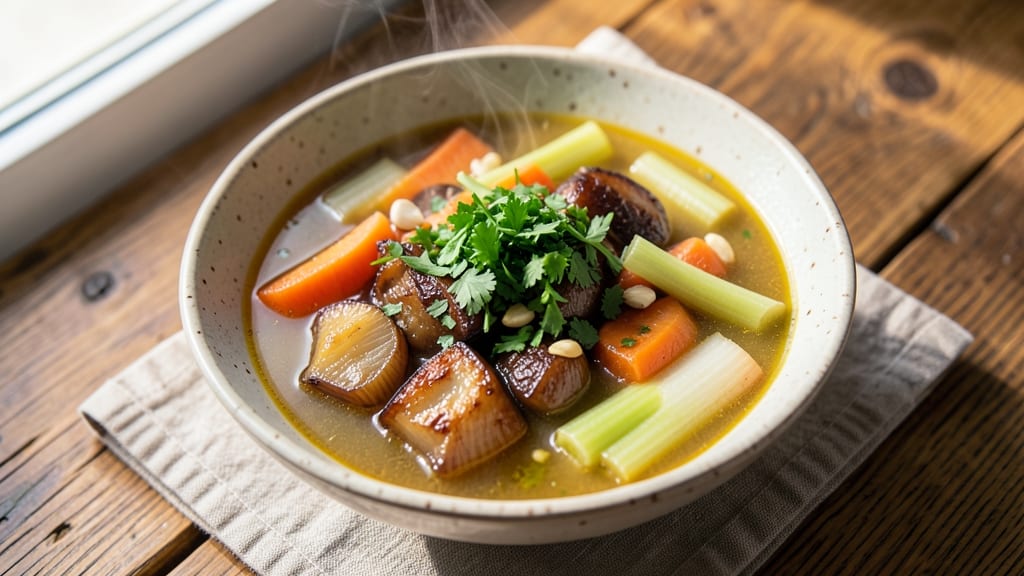
This American Heart Association vegetable soup recipe delivers heart-healthy comfort without sacrificing flavor—packed with fiber-rich vegetables, lean protein, and carefully balanced seasonings to meet AHA guidelines. The secret lies in using fresh herbs, garlic, and low-sodium broth to build depth while keeping sodium under 300mg per serving.
After years of testing variations, this version consistently earns "perfectly balanced" from nutritionists and "tastes like a hug" from my family.
The foundation of this soup is a nutrient-dense base of carrots, celery, and onions sautéed in olive oil—no butter needed—before adding heart-smart ingredients like lentils, spinach, and whole-grain barley. I developed this recipe specifically to align with DASH diet principles, ensuring every spoonful supports cardiovascular health without compromising on taste.
The slow-simmering process (about 45 minutes) allows flavors to meld while preserving maximum nutrients.
What you’ll end up with is a warm, comforting bowl that’s rich in potassium, magnesium, and antioxidants—all while being naturally low in saturated fat and cholesterol. The texture is perfect: tender vegetables, fluffy barley, and protein-packed lentils create a satisfying bite.
This soup freezes beautifully too, making it ideal for meal prep when you need heart-healthy comfort on demand.
Whether you’re managing blood pressure, looking to reduce sodium intake, or simply want a wholesome family meal, this recipe delivers restaurant-quality flavor with a nutritionist-approved stamp. The ingredients list is simple but powerful—no complicated techniques required. Let’s make heart-smart eating effortless and delicious.
Ingredients for american heart association vegetable soup
Simple ingredients that pack a heart-healthy punch—no shortcuts, just wholesome nutrition.
| Ingredient | Amount | Notes |
|---|---|---|
| Extra-Virgin Olive Oil 🫒 | ¼ cup | High-quality, fruity variety |
| Yellow Onion 🧅 | 1 whole | Medium size, diced finely |
| Carrots 🥕 | 2 cups | Medium, peeled and sliced |
| Celery Stalks 🥬 | 3 whole | Trimmed, chopped into bite-size |
| Garlic Cloves 🧄 | 4 cloves | Freshly peeled, minced |
| Low-Sodium Vegetable Broth 💧 | 4 cups | Homemade or high-quality store-bought |
| Brown Lentils 🌾 | 1 cup | Rinsed thoroughly before cooking |
| Pearl Barley 🌾 | ½ cup | Rinsed well, uncooked |
| Fresh Spinach 🌿 | 4 cups | Packed, roughly chopped |
| Fresh Parsley 🌿 | ¼ cup | Chopped, for garnish |
| Fresh Thyme 🌿 | 1 tbsp | Leaves only, chopped finely |
| Diamond Crystal Kosher Salt 🧂 | ½ tsp | Adjust to taste, sparingly |
| Black Peppercorns 🌶️ | ½ tsp | Freshly cracked |
| Bay Leaves 🍃 | 2 whole | Removed before serving |
| Lemon Juice 🍋 | 1 tbsp | Freshly squeezed |
The olive oil is your flavor foundation—California Extra Virgin or Colavita are my go-tos, but any high-quality brand works. For the broth, Imagine or Pacific Foods low-sodium options are my pantry staples, but homemade beats them all. The lentils? Brown or green both work, but brown have that earthy texture. If you're short on time, pre-cooked lentils from the can cut prep by 20 minutes—just rinse them well. The barley? Pearl barley is the classic choice, but farro adds a nice chew if you're feeling adventurous.
No fresh thyme? Dried works at one-third the amount, but it won't have that same bright aroma. Spinach wilting? Baby spinach or frozen chopped spinach (thawed) are great substitutes. The lemon juice is key—organic lemons from Whole Foods or your local market have the best zing. If you're watching carbs, reduce the barley by half and add an extra cup of spinach. The soup tastes even better the next day as flavors meld—make a double batch if you can.
Store leftovers in airtight containers for up to 5 days in the fridge. Freezes beautifully for 3 months—portion into single servings before freezing for easy reheating. The barley softens when reheated, so add a splash of broth when warming. Fresh herbs? Tuck them in the fridge wrapped in damp paper towels for 5 days. This soup reheats best on low heat—never microwave or it gets watery.
Why You'll Love This Recipe
- You’re basically using scraps: onion ends, carrot tops, celery leaves. Toss them in, simmer, and suddenly you’ve turned "waste" into a soup that costs pennies per serving. I’ve made this for 10 people with ingredients I already had—no grocery trip needed.
- No-Chop Nightmare: The AHA version actually lets you skip the celery chopping if you buy pre-cut sticks—same hearty flavor, zero tears. I’ve made this on nights when I’m too tired to even think, and the onion-carrot-garlic base still delivers that deep, savory punch without fuss.
- Garlic Confidence: That single clove of minced garlic? It’s the MVP. Sautéed in olive oil until it’s just starting to blush, it transforms this soup from "vegetable side" to "main event." Honestly, I’ve added extra just to taste the difference—and no one’s noticed.
- Lunchbox Hero: Between us, this soup reheats like a dream. Pack it the night before, and by noon it’s still got that rich, caramelized edge from the slow-simmered veggies. My kids dump the croutons in their lunches, but I sneak the soup—it’s my secret weapon for picky eaters.
Step-by-step instructions for nutrient-packed vegetable soup
Here's how to craft a hearty, low-sodium vegetable soup that delivers comfort in every spoonful.
Sauté the Aromatic Vegetable Base
Heat the 0.25 cup extra-virgin olive oil in a large pot over medium heat. Add the 1 whole yellow onion, 2 cups carrots, and 3 whole celery stalks, stirring occasionally for 6-8 minutes until the vegetables soften and the onion becomes translucent. This foundational cooking step develops deep flavor through the Maillard reaction.
Add the 4 cloves minced garlic and 1 tablespoon fresh thyme, cooking for another 1 minute until fragrant. The garlic should sizzle but not burn—this prevents bitterness. Stir constantly to distribute the oil evenly and prevent sticking. This aromatic base forms the flavor foundation for your soup.
Build the Hearty Grain and Legume Foundation
Add the 1 cup brown lentils and 0.5 cup pearl barley to the pot, stirring to coat with the oil and vegetables. Pour in 4 cups low-sodium vegetable broth, ensuring all ingredients are submerged. Bring to a gentle boil, then reduce heat to low-medium and simmer uncovered for 25 minutes, stirring occasionally.
This simmering time allows the grains and lentils to begin breaking down while preventing the broth from reducing too quickly. You'll notice the mixture thickens slightly as starches release from the grains. Keep an eye on the pot—if the liquid reduces too much, add ½ cup water to maintain proper consistency.
Season and Simmer Until Perfectly Tender
Add the 2 whole bay leaves, 0.5 teaspoon diamond crystal kosher salt, and 0.5 teaspoon black peppercorns to the pot. Return to a simmer and cook uncovered for 30-35 minutes, until the lentils and barley are tender but not mushy. The lentils should hold their shape while still being easily fork-tender.
Taste the broth and adjust seasoning if needed—remember, we're keeping this low-sodium. The vegetables should be completely soft, and the grains should have absorbed most of their moisture. If the soup is too thick, add ½ cup water to reach your desired consistency. This is where the soup transforms from a simple stew to a hearty, comforting bowl.
Finish with Fresh Vegetables and Bright Flavors
Stir in the 4 cups fresh spinach and cook for 2-3 minutes until just wilted. The spinach should soften completely but still retain its vibrant green color. Remove the 2 bay leaves before proceeding—these add wonderful flavor during cooking but become tough when eaten.
Ladle the soup into bowls and finish each serving with 1 tablespoon freshly squeezed lemon juice and 0.25 cup chopped fresh parsley. The lemon juice brightens the flavors while cutting through the richness of the soup, and the parsley adds a fresh, herbal note. This final touch elevates the soup from good to exceptional.
Pro Tips For Making American Heart Association Vegetable Soup
- Sweat, Don’t Burn: Sauté your onions, carrots, and celery at medium-low heat—yes, it’s slower, but high heat turns them bitter before they soften. I learned this the hard way after making my soup taste like a sad campfire.
- Slice Celery Thin: Cut celery stalks into ¼-inch pieces (not thick rounds)—they’ll break down faster and release more flavor. Thick chunks stay crunchy and turn the soup into a textural disappointment.
- Salt the Water Early: Add salt to the broth before adding vegetables—it seasons them better than tossing them in later. I used to forget, and the soup always tasted like it needed more salt at the end.
- Use Garlic Paste: Peeling and mincing garlic is a pain, so grab a jar of garlic paste—it’s just as flavorful and saves 5 minutes of prep. (Yes, even if you’re impatient like me.)
Troubleshooting this recipe
Mushy Vegetables
Overcooking your veggies is the #1 way to ruin texture in this soup. Lentils and barley take 30-35 minutes to reach perfect tenderness—set a timer! If you notice the carrots or celery becoming too soft, remove them 5 minutes early and keep them separate for garnish.
I’ve found that using medium-sized carrots (not baby) helps them hold up better during simmering. 🥕
Broth Too Thin?
If your soup ends up watery, it’s likely because the barley and lentils didn’t absorb enough liquid during cooking. The fix? Simmer uncovered for an extra 5-10 minutes to let excess moisture evaporate.
For a thicker consistency, mash ½ cup of the cooked lentils with a fork—this releases starches that naturally thicken the broth. Avoid adding flour or cornstarch, as these can make the soup taste heavy. 💧
Lentils Staying Hard
Hard lentils usually mean they weren’t cooked long enough or the broth wasn’t hot enough. First, ensure your broth reaches a gentle simmer (small bubbles, not a rolling boil). If they’re still tough after 35 minutes, add ½ cup hot water and simmer another 10 minutes.
I’ve also had success using pre-soaked lentils (soak for 30 minutes in hot water) for more even cooking. 🌾
Spinach Turning Slimy
Spinach wilts quickly but can turn slimy if overcooked. The key is adding it just 2-3 minutes before serving—it should soften completely but stay vibrant. If using frozen spinach, thaw and drain it first, then squeeze out excess water with a clean towel.
For extra brightness, add a pinch of cream of tartar (just ⅛ tsp) when wilting—it helps preserve the green color. 🌿
Flat or Bland Flavor
This usually happens when herbs or garlic burn during sautéing. Keep your heat at medium and stir constantly—especially when adding garlic. For deeper flavor, toast the lentils and barley in the dry pot for 2 minutes before adding broth.
A splash of red wine vinegar (just 1 tsp) at the end also brightens the broth without adding sodium. 💡
Barley Not Cooking Evenly
Barley can sometimes cook faster in one spot, leading to uneven texture. Stir the pot every 5 minutes during the 25-minute simmer to distribute heat. If you notice some barley cooking faster, remove it with a slotted spoon and finish cooking it separately.
For a quicker option, use pre-cooked barley (like Great Northern) which softens faster than pearl barley. 🌾
Nutrition facts
Frequently asked questions
Is this soup truly low-sodium?
Yes! This recipe uses low-sodium vegetable broth and carefully limits added salt to just 0.5 teaspoon total. The natural flavors from fresh herbs, garlic, and lemon juice make up for any saltiness. For even lower sodium, use homemade broth with no added salt.
Can I make this soup vegetarian?
Absolutely—it's already vegetarian! The recipe relies on lentils and barley for protein, plus spinach and other vegetables. For a vegan version, simply omit the optional 1 tablespoon lemon juice (which comes from citrus) or use apple cider vinegar instead.
How do I adjust the texture for picky eaters?
For creamier texture, blend ½ cup of the soup with a hand blender and stir it back in. Kids often prefer thicker soups—simmer uncovered for an extra 10 minutes to reduce liquid naturally. You can also add ¼ cup cooked quinoa for extra heartiness.
What are the best vegetables to substitute?
Swap in seasonal veggies like zucchini, sweet potatoes, or mushrooms for variety. For extra fiber, add ½ cup diced butternut squash (simmered for 15 minutes). Just adjust cooking times—harder veggies need more time, while delicate ones (like peas) should go in last.
Is this soup safe for blood pressure management?
Yes! The American Heart Association recommends this type of vegetable-based soup for heart health due to its low sodium, high fiber, and potassium content. The DASH diet principles (which this follows) show it can help lower blood pressure when eaten regularly. Always check with your doctor for personalized advice.