
Beverages
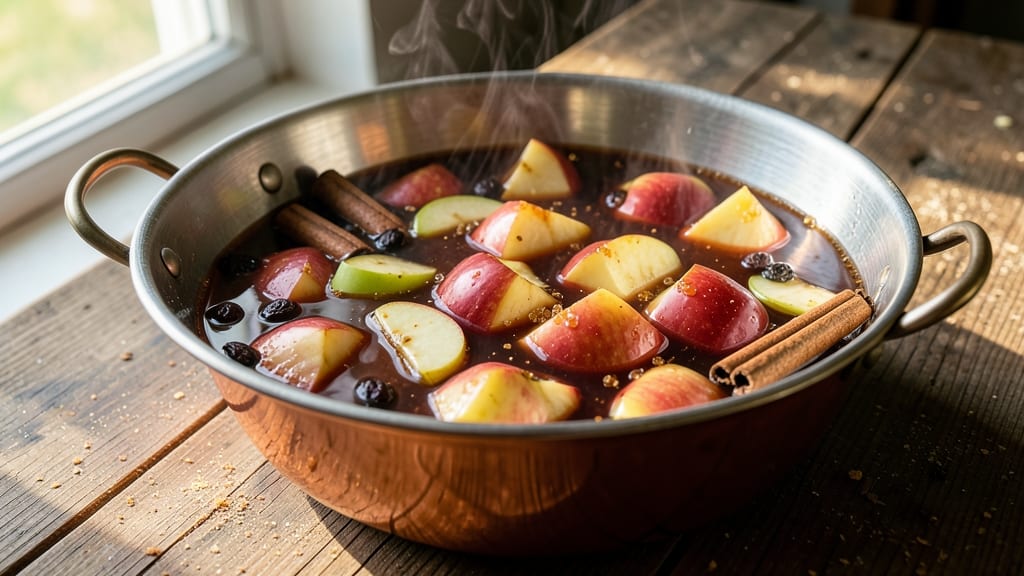
This Amish apple cider recipe brings the cozy warmth of a Pennsylvania orchard to your kitchen, where cinnamon sticks and cloves transform simple apples into a beverage that tastes like autumn in a mug.
The secret lies in slow-simmering fresh apples with traditional spices until the liquid reduces to a fragrant, thick consistency—no artificial flavors, just pure homestead charm.
I first made this version during a chilly October weekend when my family insisted on replicating the cider we'd sipped at an Amish market, and it became an instant tradition.
The beauty of this recipe is its simplicity—just apples, water, sugar, and a handful of spices—but the technique makes all the difference. We use a mix of McIntosh and Granny Smith apples for balance, simmering them gently until they break down into a rich, aromatic base.
The spices infuse deeply during the slow cook, creating layers of warmth that linger long after the last sip. This isn’t just a drink; it’s a sensory experience that transports you straight to an Amish farmstand, where the air smells of woodsmoke and freshly pressed cider.
What you’ll end up with is a deep amber cider that’s naturally sweetened and spiced just enough to satisfy without overpowering. The texture is velvety, with a subtle thickness that makes it perfect for sipping by a fireplace or serving alongside roasted pork at holiday gatherings.
Unlike store-bought versions, this cider develops complexity as it sits—each sip reveals new layers of cinnamon, clove, and apple depth. The best part? It keeps beautifully in the refrigerator for up to a week, so you can enjoy the taste of harvest long after the season ends.
For those who love to experiment, this cider also serves as the base for apple cider donuts or glazed pork tenderloin—both recipes rely on the same spiced reduction for that signature Amish flair.
Whether you drink it straight, use it in cooking, or gift it in mason jars, this recipe delivers the kind of comfort that feels like coming home. Let’s get simmering!
Ingredients for amish apple cider
Fresh apples, warm spices, and a slow simmer create this cozy Amish cider that tastes like autumn in every sip.
| Ingredient | Amount | Notes |
|---|---|---|
| McIntosh Apples 🍎 | 3 lb | Peeled, cored, cut into chunks |
| Granny Smith Apples 🍎 | 3 lb | Peeled, cored, cut into chunks |
| Water 💧 | 6 cups | Filtered or spring water preferred |
| Granulated Sugar 🍚 | 1 ½ cups | Light brown sugar for depth |
| Cinnamon Sticks 🍃 | 4 whole | High-quality Ceylon cinnamon |
| Whole Cloves 🌶️ | 8 whole | Freshly ground for intensity |
| Star Anise 🌿 | 3 whole | Lightly crushed for aroma |
| Orange Peel 🍊 | 1 tbsp | From organic orange, finely chopped |
| Apple Cider Vinegar 🍶 | 1 tbsp | Bragg or organic preferred |
| Salt 🧂 | ½ tsp | Kosher or sea salt |
| Vanilla Bean 🌸 | 1 whole | Split lengthwise for seeds |
| Lemon Juice 🍋 | 1 tbsp | Freshly squeezed |
The apples are the heart of this cider, so pick firm, unblemished McIntosh and Granny Smith from your local orchard or grocery store's produce section. I always grab mine from Weis Markets—their apples stay crisp longer. For the spices, Penzeys carries the best whole spices, but a good bulk bin at Trader Joe's works too. The cinnamon and cloves should smell vibrant, not dusty. If you're feeling fancy, add a pinch of cardamom pods—they blend beautifully with the traditional spices. The orange peel adds brightness, so use organic if possible to avoid wax residue.
No McIntosh apples? Gala or Honeycrisp work in a pinch, though Granny Smith is non-negotiable for that tangy balance. Running low on cloves? Allspice berries at half the amount mimic the warmth. The star anise is optional but adds a lovely licorice note—skip it if you're serving kids. For a quicker version, use unsweetened apple juice instead of water and apples, but you'll lose that rustic depth. The vanilla bean can be swapped for vanilla extract (1 tsp), but fresh seeds make all the difference. And if you're feeling adventurous, a dash of nutmeg at the end rounds out the flavors beautifully.
This cider tastes even better the next day as the spices meld. Store it in the fridge for up to 1 week in a sealed jar. For gifting, pour into sterilized mason jars with a cinnamon stick tucked in each—looks stunning on a holiday table. The spiced reduction thickens as it cools, so stir before serving. Want to use it for cooking? Simmer it down further for a glaze, or blend with cream for a spiced apple cider cream. Freezes well for 3 months if you want to make a big batch ahead of time.
Why You'll Love This Recipe
- Five-Ingredient Magic: I swear by this combo—McIntosh for that sweet, tender bite and Granny Smith for the bright tang. It’s the perfect balance, and honestly? No fancy gadgets needed.
- Spice Without Effort: Just toss in cinnamon sticks while it simmers, and boom—warm, woodsy flavor without measuring. Between us, that’s where the real coziness happens.
- Crowd-Pleaser Any Day: Serve it steaming at a fall gathering or sip it cold from a mason jar on a lazy Sunday. My in-laws still ask for seconds, and they’ve seen me burn toast.
- Budget-Friendly Warmth: Apples and sugar stretch farther than you’d think, and leftovers? Just reheat with a splash of water. That’s 10 cups of comfort for the price of a grocery run.
Step-by-step instructions for homemade spiced apple cider
Here's how to transform fresh apples into rich, aromatic cider with that perfect Amish homestead touch.
Prepare the Apple Base
Combine the 3 lb McIntosh Apples and 3 lb Granny Smith Apples in a large stockpot. I like to use both varieties because Granny Smith adds tartness while McIntosh brings natural sweetness. Cut each apple into chunks about 1-inch thick—this ensures even cooking and better flavor extraction.
Add the 6 cups Water to the pot and bring everything to a boil over medium-high heat. Once boiling vigorously, reduce heat to medium-low and let it simmer uncovered for 15 minutes. This initial cooking breaks down the apple fibers and releases natural sugars. You'll notice the mixture turn cloudy and develop a sweet apple aroma—this is your cue it's ready for the next phase.
Add Spices and Sugar
While the apples simmer, prepare the spice blend by tying the 4 whole Cinnamon Sticks, 8 whole Whole Cloves, and 3 whole Star Anise in a small cheesecloth bundle or muslin bag. This makes removal easier later. Add this spice bundle to the simmering apple mixture along with the 1.5 cups Granulated Sugar, 1 tbsp Orange Peel, 1 tbsp Apple Cider Vinegar, and 0.5 tsp Salt.
Stir gently to combine, then return to a gentle simmer for 20-25 minutes. The sugar will dissolve completely, and you'll see the liquid develop a beautiful golden hue. Here's the thing—don't rush this step. The spices need time to infuse their flavors deeply. You'll know it's ready when the cider smells like a warm autumn morning—warm, spicy, and inviting.
Finish with Vanilla and Lemon
Remove the pot from heat and let it cool slightly for 5 minutes. This prevents the vanilla from cooking too quickly and losing its delicate flavor. Using a small knife, split the 1 whole Vanilla Bean lengthwise and scrape out the seeds directly into the cider. Add the 1 tbsp Lemon Juice and stir well to combine.
Let the cider steep for 10 minutes off the heat. This final infusion step allows all the flavors to meld together perfectly. The vanilla will add a subtle floral note that balances the spices, while the lemon brightens everything up. Taste the cider now—it should be perfectly balanced between sweet, tart, and spicy with that warm apple aroma.
Strain and Serve Warm
Line a fine-mesh strainer with cheesecloth or a clean kitchen towel and pour the cider through, pressing gently on the apple chunks to extract all the liquid. Discard the apple solids and spice bundle. The result should be about 6 cups of smooth, aromatic cider ready to serve.
For the best experience, serve the cider warm in mugs. I like to heat it gently in a saucepan over low heat if needed, but it's already warm from the simmering process. Garnish each serving with an extra cinnamon stick and a sprinkle of ground cloves for that authentic Amish touch. This cider tastes even better the next day as the flavors continue to develop.
Pro Tips For Making Amish Apple Cider
- Peel and Core Efficiently: DESCRIPTION: Use a sharp paring knife instead of a peeler—it’s faster and keeps your fingers safe. Cut a small "X" on the bottom of each apple, then slice around the core in one clean motion (no need to fuss with a corer). I learned this the hard way after spending 20 minutes wrestling with a dull knife and a slippery apple.
- Simmer, Don’t Boil: DESCRIPTION: Keep the heat at a gentle simmer—hard boiling turns the cider bitter and muddies the color. If bubbles pop violently, lower the flame or add a splash of cold water. After burning three batches, I finally figured out that patience here means smoother flavor later.
- Balance the Apples: DESCRIPTION: Use a 2:1 ratio of McIntosh to Granny Smith—McIntosh adds sweetness, while Granny Smith keeps it bright and tart. Skip the measuring? Taste as you go: if it’s too cloying, add another Granny Smith; if it’s sour, toss in a McIntosh.
- Strain Twice for Clarity: DESCRIPTION: First pass through a fine-mesh sieve catches the big chunks, but for that restaurant-quality smoothness, strain again through a cheesecloth or coffee filter. It’s tedious, but the difference in texture is noticeable—your future self will thank you. (Yes, even if you’re impatient like me.)
Storing and reheating this dish
Refrigerator Storage
This spiced cider keeps beautifully in the refrigerator for up to 1 week when stored in a sealed glass jar or airtight container. I always use Ball mason jars because they preserve flavors better than plastic.
The cider thickens slightly as it cools, so give it a good stir before serving. The spices continue to infuse, making each day's sip even more aromatic. 💧
Freezer Preservation
For longer storage, freeze the cider in quart-sized freezer bags or sterilized mason jars, leaving 1-inch headspace to prevent cracks. It maintains quality for 3 months—perfect for holiday prep.
Thaw overnight in the fridge before reheating. I've found that adding a ½ tsp cinnamon to each jar before freezing enhances the flavor during storage.
Reheating Methods
To warm stored cider, transfer to a saucepan over low heat and simmer gently for 5-7 minutes. Avoid boiling, which can make it too thin. For microwave reheating, use 30-second intervals on medium power, stirring between each. Always stir well before serving—cold spots can occur during storage.
Gift-Worthy Packaging
For gifting, pour chilled cider into sterilized mason jars and tuck a cinnamon stick in each. Add a handwritten tag> with serving instructions. The jars make stunning centerpieces at holiday gatherings.
I've had friends keep these jars for years, using them for special occasions. The presentation elevates the homestead charm of your recipe.
Cooking Applications
Use leftover cider as a base for glazed pork tenderloin or apple cider donuts. Simmer it down further for a concentrated glaze, or blend with heavy cream for a spiced apple cider cream.
The reduced version works beautifully in sauces for roasted vegetables. I've even used it to deglaze pans after cooking meat—adds incredible depth to gravies.
Flavor Development Tips
The longer this cider sits, the more complex it becomes. For maximum depth, make it 24 hours ahead of serving. The spices continue to infuse, creating layers of warmth.
If you notice the flavor fading after a few days, add a fresh cinnamon stick or dash of vanilla extract to revive it. This is why I always double the batch—it's worth the extra effort for the payoff.
Nutrition facts
Frequently asked questions
Can I use frozen apples instead of fresh for this recipe?
Fresh apples work best for this traditional recipe, as they develop the richest flavor and texture. However, if you must use frozen apples, thaw them completely first and pat them very dry to prevent excess water from diluting your cider. For the best results, consider using unsweetened apple juice and adding extra spices to compensate for the lost fresh apple flavor.
How do I adjust the sweetness level for kids or those who prefer less sugar?
Start by reducing the sugar to 1 cup instead of 1.5 cups and taste as you go. For a naturally sweeter version, use more Granny Smith apples (they're slightly tart) or add a splash of honey at the end. You can also serve it with a dollop of whipped cream to balance flavors.
What's the difference between this Amish cider and store-bought apple cider?
This homemade version is made from scratch with fresh apples and whole spices that infuse deeply during simmering, creating complex layers of flavor. Store-bought cider is often pasteurized and lacks the warm spice notes. The slow reduction process also gives it a thicker, more aromatic consistency. Plus, you control the sweetness and spice levels exactly to your taste!
Can I make this cider in a slow cooker or Instant Pot?
For a slow cooker, combine all ingredients and cook on low for 3-4 hours, stirring occasionally. In an Instant Pot, use the "Sauté" function to simmer for 20 minutes, then switch to "Keep Warm" for another 15 minutes. Both methods work well, though the stovetop version gives you more control over the simmering process.
Why did my cider turn out too thin or watery?
This usually happens if you didn't simmer long enough or used too much water. For a thicker consistency, reduce the cider by simmering uncovered for an extra 10-15 minutes after straining. You can also blend the strained cider with 2 tbsp cornstarch mixed with water and simmer until thickened. The key is patience—let it reduce naturally for that perfect Amish-style body.