
Breakfast & Brunch
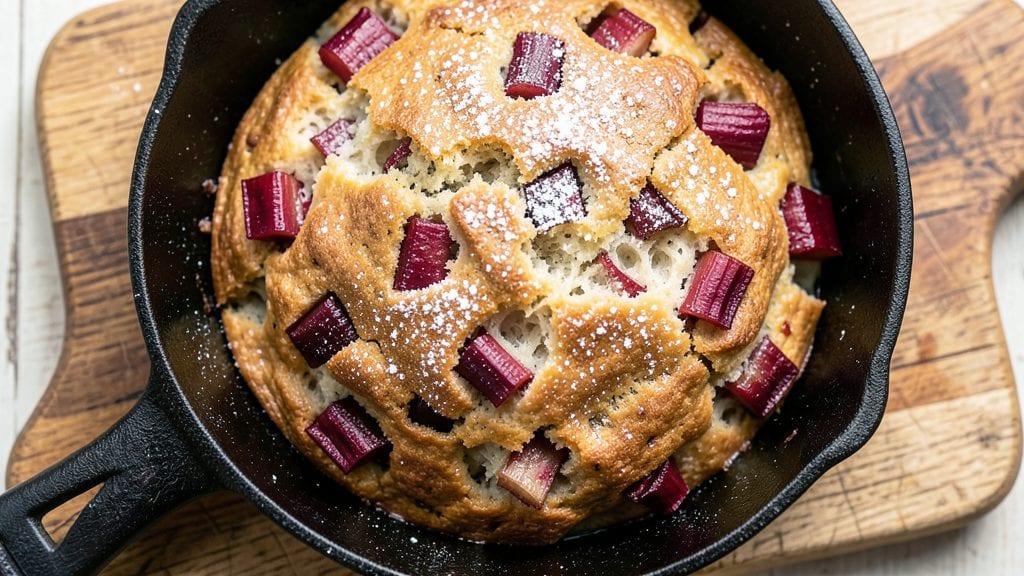
This Amish rhubarb bread recipe delivers the perfect balance of tangy rhubarb and warm spices wrapped in a buttery crust—just like the loaves you'd find at a Pennsylvania farmhouse. The secret lies in the dough's simplicity and the rhubarb's natural tartness, which pairs beautifully with cinnamon and nutmeg.
I've baked this recipe for years, and it never fails to bring back memories of homemade goodness.
The beauty of this recipe is its rustic charm and foolproof method. You'll work with a basic bread dough that gets folded with cooked rhubarb, creating a loaf that's tender inside with a crisp, golden crust.
The rhubarb adds a bright, slightly tart contrast to the warm spices, making every slice irresistible. Baking time is just under an hour, and the aroma filling your kitchen will have everyone asking what's for breakfast.
What makes this bread truly special is its versatility—serve it warm with butter, drizzle with honey, or pair it with jam for a classic brunch treat. The texture is perfect: soft and slightly dense from the rhubarb, with a crust that's just crisp enough to hold up to slicing.
This recipe captures the heart of Amish baking traditions while being simple enough for any home baker.
Whether you're looking for a comforting breakfast staple or a homemade gift for loved ones, this rhubarb bread delivers restaurant-quality results with a touch of nostalgia. Let's get started on baking a loaf that tastes like home.
Ingredients for amish rhubarb bread
Fourteen simple ingredients transform into a rustic loaf with golden crust and tangy-spiced center.
| Ingredient | Amount | Notes |
|---|---|---|
| All-Purpose Flour 🌾 | 4 cups | Sifted for even texture |
| Active Dry Yeast 🍞 | 2 ¼ tsp | Or 1 packet instant yeast |
| Granulated Sugar 🍬 | ½ cup | For yeast activation |
| Unsalted Butter 🧈 | ½ cup | Cold, cubed for dough |
| Large Eggs 🥚 | 1 whole | Room temperature preferred |
| Milk 🥛 | ½ cup | Warm, not hot |
| Salt 🧂 | 1 tsp | Kosher or sea salt |
| Ground Cinnamon 🍃 | 1 tbsp | Freshly ground preferred |
| Ground Nutmeg 🌿 | ½ tsp | Freshly grated if possible |
| Fresh Rhubarb 🍓 | 2 cups | Chopped, stems removed |
| Light Brown Sugar 🍬 | ¼ cup | Packed, for rhubarb |
| Lemon Juice 🍋 | 1 tbsp | Freshly squeezed |
| Vanilla Extract 🥄 | 1 tsp | Pure extract preferred |
The rhubarb is the heart of this bread—look for vibrant, firm stalks at your local market or grocery store's produce section. Pennsylvania Dutch markets often carry the freshest varieties, but any well-stocked supermarket will have it in season (spring through early summer). Avoid any with brown spots or slimy texture. For the spices, Penzeys or bulk bins offer the freshest ground cinnamon and nutmeg, though the grocery store versions work fine if they're labeled 'ground' rather than 'whole'. The butter should be cold but not frozen—this creates flaky layers in the crust. If your kitchen runs warm, chill the dough for 30 minutes before shaping.
No fresh rhubarb? Frozen rhubarb works perfectly—thaw and drain it first. The lemon juice can be swapped for white vinegar in a pinch, though it'll have a slightly sharper tang. Short on brown sugar? White sugar plus 1/4 tsp molasses mimics the caramel notes. For the spices, if you only have whole nutmeg, grate it fresh using a microplane—it makes a world of difference. The yeast is non-negotiable here; baking powder won't work as a substitute. If your kitchen is cold, warm the milk to 110°F before mixing with the yeast to activate it properly. For a gluten-free version, swap the flour for a 1:1 gluten-free blend, though the texture will be slightly denser.
This dough needs time to rise—plan for at least 2 hours including the second rise after adding rhubarb. The cooked rhubarb filling can be made a day ahead and stored in the fridge, saving you morning prep time. Wrap the shaped loaf in plastic and refrigerate overnight for an even more flavorful crust. Baked bread keeps 3 days at room temperature wrapped in a clean kitchen towel, or up to 1 week frozen. For reheating, wrap a slice in foil and warm in a 350°F oven for 5 minutes—nothing beats fresh bread straight from the oven, but this method restores that warm, buttery aroma. The rhubarb filling also freezes beautifully for up to 3 months.
Why You'll Love This Recipe
- No-Knead Magic: I swear by this recipe when I’m too tired to fuss. Just mix the flour, yeast, sugar, and butter—no stand mixer, no elbow grease—then let the dough rise while I sip coffee. The rhubarb chunks fold in like a surprise party for your taste buds.
- Tart-Sweet Perfection: That balance of buttery dough and bright rhubarb? It’s like a hug for your palate. The sugar caramelizes just enough to make every bite taste like a bakery secret, and the eggs bind it all together so it’s moist but not heavy.
- Breakfast to Brunch: Honestly, this bread is my go-to for lazy mornings or when I’ve got company over. Toast it for breakfast, serve it with jam for brunch, or even tear it into a quick bread pudding. The yeast keeps it fresh for days, so it’s always ready to shine.
- Budget-Friendly Staple: Between us, this recipe costs less than half of what store-bought loaves do. A single batch stretches for sandwiches, toast, or even French toast—my kids fight over the leftovers, and I don’t even have to buy extra ingredients. Win-win.
Step-by-step instructions for Amish rhubarb bread
This method delivers a tender, tangy-sweet loaf with a buttery crust and pockets of rhubarb throughout.
Activate the Yeast and Prepare the Dough
In a small bowl, combine the 0.5 cup granulated sugar and 0.5 cup warm milk (about 110°F). Sprinkle the 2.25 teaspoons active dry yeast over the top and let sit for 5-10 minutes until frothy. This activation step is crucial—you'll see small bubbles forming on the surface, indicating the yeast is alive and ready to work.
In a large mixing bowl, whisk together the 4 cups all-purpose flour, 1 teaspoon salt, 1 tablespoon ground cinnamon, and 0.5 teaspoon ground nutmeg. Cut in the 0.5 cup cold unsalted butter using a pastry cutter or your fingers until the mixture resembles coarse crumbs. Make a well in the center and add the yeast mixture, 1 large egg, and 1 teaspoon vanilla extract. Mix gently until just combined, then knead the dough on a lightly floured surface for 8-10 minutes until smooth and elastic.
Incorporate the Rhubarb Filling
While the dough rests, prepare the rhubarb filling. In a medium bowl, combine the 2 cups chopped fresh rhubarb, 0.25 cup light brown sugar, and 1 tablespoon lemon juice. Let this mixture sit for 10 minutes to soften slightly, allowing the rhubarb to release its juices. This step enhances the natural tartness while balancing the sweetness.
Once the dough has doubled in size (about 1 hour at room temperature), punch it down to deflate. Roll out the dough on a floured surface into a 12x16-inch rectangle, about ¼-inch thick. Spread the rhubarb mixture evenly over the dough, leaving a ½-inch border around the edges. Roll the dough tightly into a log, starting from the long side, and pinch the seam to seal. Place the loaf seam-side down in a greased 9x5-inch loaf pan. Cover with a clean kitchen towel and let rise for 30-45 minutes until puffy.
Bake to Golden Perfection
Preheat your oven to 375°F. Brush the top of the loaf with a bit of melted unsalted butter for a golden crust. Bake for 45-50 minutes until the bread is deeply golden brown and sounds hollow when tapped on the bottom. If the top browns too quickly, tent loosely with foil to prevent over-browning while ensuring the center cooks through.
Remove the bread from the oven and let it cool in the pan for 10 minutes, then transfer to a wire rack. The internal temperature should reach 190°F at the center. Slice while still warm to showcase the tender crumb and pockets of rhubarb. The crust should be buttery and crisp, while the interior remains soft with just the right balance of sweet and tangy rhubarb flavor.
Pro Tips For Making Amish Rhubarb Bread
- Warm the Butter First: Cold butter in dough makes for a tougher crumb—trust me, I’ve kneaded it both ways. Melt the unsalted butter slightly (just until it softens, not liquefies) before mixing it with the flour and sugar. That way, it distributes evenly and keeps the bread tender without turning greasy.
- Measure Yeast Like a Pro: I used to eyeball the yeast, and my bread would either rise like a balloon or flop like a deflated whoopee cushion. For this recipe, use a kitchen scale or the "level-and-scoop" method with a tablespoon—pack it lightly, then level it off. Too much yeast = sour tang; too little = sad waiting.
- Skip the Over-Kneading: Amish rhubarb bread isn’t sourdough—it doesn’t need the elbow grease. Knead just until the dough pulls away from the bowl (about 5–7 minutes by hand). Overwork it, and you’ll end up with a chewy brick instead of that classic soft, pillowy texture. Your arms will thank you too.
- Proof in a Warm Spot: Your kitchen might not be a yeasty paradise, but you can fake it. Place the dough in a slightly warm spot—like a turned-off oven with the light on, or a microwave with a bowl of hot water nearby—to speed up rising without risking overproofing. Aim for dough that’s doubled in size and springy to the touch.
Dietary considerations for this dish
Gluten-Free Adaptation
For a gluten-free version, replace the all-purpose flour with a 1:1 gluten-free baking blend like King Arthur Measure for Measure or Bob's Red Mill 1-to-1. These blends contain xanthan gum, which mimics gluten's structure, though your crust may be slightly denser.
I recommend adding ½ teaspoon extra xanthan gum to improve elasticity. The rhubarb filling remains unchanged, but you may need to reduce the liquid slightly—start with ¼ cup less milk in the dough. 💪
Low-Sugar Options
This recipe naturally contains sugar from the rhubarb and brown sugar, but you can reduce it by 25% (about ⅓ cup total) without sacrificing flavor. Swap the granulated sugar for coconut sugar or monk fruit sweetener—both add depth while lowering the glycemic impact.
The rhubarb’s tartness will still shine, but the bread will be slightly less sweet. For extra richness, add 1 teaspoon molasses to the dough for a deeper caramel note.
Dairy-Free Substitutions
The butter and milk are key for flavor and texture, but you can adapt this recipe easily. Replace the ½ cup butter with ½ cup dairy-free butter (like Miyoko’s or Earth Balance) or coconut oil for a neutral taste.
For milk, use unsweetened almond milk or oat milk—just warm it to 110°F to activate the yeast properly. The crust will still be golden, though slightly less rich. A drizzle of maple syrup glaze after baking adds back some sweetness and moisture.
Nut-Free Considerations
This recipe is naturally nut-free, but if you’re avoiding all potential cross-contamination, use a dedicated mixing bowl and clean utensils. The vanilla extract is the only ingredient that might contain traces of nuts—opt for a nut-free certified brand like Frontier Co-op if needed.
For extra texture without nuts, fold in sunflower seeds or pumpkin seeds during the final knead. They add crunch while keeping the bread cohesive.
Allergen-Friendly Swaps
For egg-free baking, replace the 1 egg with ¼ cup unsweetened applesauce or 1 flax egg (1 tbsp ground flaxseed + 3 tbsp water). The dough will be slightly less elastic, so knead for an extra 2 minutes to strengthen the gluten.
If you’re avoiding lemon juice, substitute 1 tbsp white vinegar—it brightens the rhubarb without altering the flavor dramatically. Always check spice labels for hidden allergens like soy or milk powders.
Keto-Friendly Twist
While this bread isn’t traditionally keto, you can create a lower-carb version by replacing the flour with almond flour (though texture will differ) or using a keto bread mix like Lil’ Loaf. Reduce the sugar to 1 tablespoon total and sweeten the rhubarb filling with erythritol or stevia.
Expect a denser, moister loaf—best served in small slices with a dollop of whipped cream cheese to balance the tartness. 💡
Nutrition facts
Frequently asked questions about Amish rhubarb bread
Why does my Amish rhubarb bread turn out dense instead of tender?
Over-kneading or skipping the proper rise time are the most common culprits. The dough should rise until doubled (1 hour at room temperature), and kneading should stop once it's smooth and elastic (8-10 minutes). Also ensure your yeast is fresh—if it's old, it won't activate properly, leading to a heavy crumb.
Can I make this bread without a loaf pan?
Shape the dough into a free-form loaf on a baking sheet lined with parchment paper. For extra crust appeal, brush with melted butter before baking. The baking time may increase by 5-10 minutes since it won't have the pan's insulation. A Dutch oven works beautifully too—it creates a crispy crust and even baking.
How do I store leftover Amish rhubarb bread?
Wrap cooled slices in a clean kitchen towel or store in an airtight container at room temperature for 3 days. For longer storage, freeze individual slices wrapped in plastic wrap—they'll stay fresh for up to 1 month. To revive, warm in a 350°F oven for 5 minutes or toast in a toaster.
What's the best way to serve this bread?
Warm slices make the perfect breakfast with butter or honey, or serve with jam for brunch. For a special touch, drizzle with a simple glaze made from powdered sugar + milk (1:1 ratio). It also pairs wonderfully with morning coffee or as a side for savory dishes like bacon or eggs.
Can I substitute rhubarb with another fruit?
While rhubarb's tartness is key, you can try blueberries or raspberries for a sweeter variation. Reduce the sugar in the filling by 2 tablespoons since these fruits are naturally sweeter. For a more traditional Amish twist, stick with rhubarb—its unique flavor is what makes this bread special!