
Soups & Stews
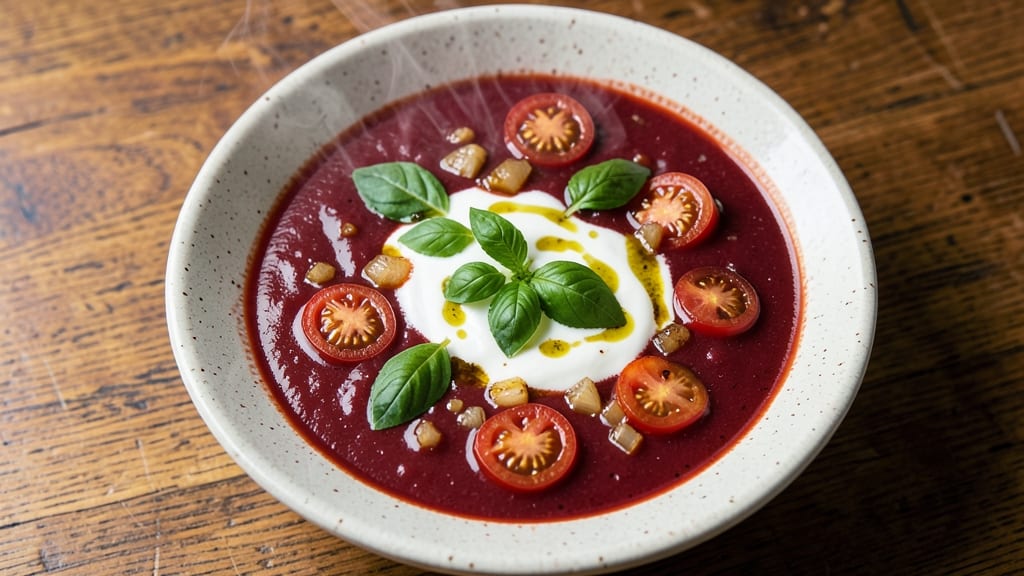
Applebee's tomato basil soup copycat recipe delivers that signature restaurant flavor at home, with its velvety texture and bright herbaceous notes. I've recreated this crowd-pleaser after years of perfecting the balance between creamy richness and fresh basil aroma.
The secret lies in simmering fresh tomatoes and high-quality broth before adding cream—this ensures the soup develops depth without losing its signature freshness. Every spoonful should transport you to the restaurant without the wait.
This recipe stays true to the original while offering a few professional improvements: using fresh basil instead of dried intensifies the flavor, and a touch of sugar balances the acidity for that perfect sweet-tangy profile.
The creamy element comes from a precise blend of heavy cream and butter, creating that luxurious mouthfeel without making the soup heavy. With just 30 minutes of active time and 10 minutes of simmering, you'll have restaurant-quality soup ready for your table.
What makes this copycat version special is how it captures the restaurant's signature taste while being more forgiving at home. The tomato base develops rich, caramelized notes during simmering, while the fresh basil added at the end provides that signature fresh aroma.
The result is a soup that's creamy yet light, with just the right balance of tomato sweetness and herbaceous brightness. This is the kind of recipe that will have everyone asking for seconds.
Serve it with a sprinkle of fresh basil and a side of crusty bread to soak up every last drop. The beauty of this recipe is its versatility—it works equally well as a starter for dinner parties or a comforting meal on chilly evenings.
Once you try this version, you'll never settle for anything less than Applebee's quality again.
Ingredients for applebee's tomato basil soup copycat
Fresh tomatoes, rich broth, and velvety cream—this is how you recreate Applebee's signature soup at home.
| Ingredient | Amount | Notes |
|---|---|---|
| Extra-Virgin Olive Oil 🫒 | 2 tbsp | For sautéing garlic and onions |
| Yellow Onion 🧅 | 1 whole | Diced into small pieces |
| Garlic Cloves 🧄 | 4 cloves | Minced for aromatic base |
| Fresh Roma Tomatoes 🍅 | 2 lbs | Ripe but firm, quartered |
| Chicken Broth 💧 | 6 cups | Low-sodium preferred |
| Heavy Cream 🥛 | 1 cup | Full-fat for richness |
| Unsalted Butter 🧈 | 2 tbsp | Cold, cut into small cubes |
| Fresh Basil Leaves 🌿 | ½ cup | Packed, stems removed |
| Granulated Sugar 🍚 | 1 tbsp | Balances acidity |
| Salt 🧂 | 1 tsp | Kosher or sea salt |
| Black Pepper 🌶️ | ½ tsp | Freshly ground preferred |
| Garlic Powder 🧄 | ½ tsp | For extra depth |
| Crusty Bread 🍞 | 6 slices | For serving |
The tomatoes are the heart of this soup, so don't cut corners. Roma tomatoes have more flesh and fewer seeds, which means less watery soup. Grab them from the produce section—look for ones that are firm but give slightly when squeezed. If you can't find Roma, vine-ripened regular tomatoes work too, but you might need to strain the soup a bit more to avoid wateriness. For broth, Swanson or Pacific Foods are my go-tos—they're low-sodium and have great depth. If you're feeling fancy, make your own by simmering chicken bones with veggies for a few hours. The basil? Fresh is non-negotiable here—dried just won't give you that bright, herby aroma. I always grab a big bunch and use half for the soup, saving the rest for garnish or pesto.
No Roma tomatoes? Canned San Marzano tomatoes are your best bet—they're sweet and meaty, just like fresh. Short on basil? Fresh parsley or cilantro at half the amount adds a different but still fresh note. The heavy cream is where the magic happens—don't substitute with half-and-half or light cream, or you'll lose that luxurious texture. If you're watching calories, you can use Greek yogurt mixed with a splash of milk, but it won't be as rich. The sugar might seem odd, but it's crucial for balancing the acidity of the tomatoes. If your tomatoes are particularly sweet, you can cut it back to half a tablespoon. And if you're out of garlic powder, one extra fresh clove minced with the onions will do the trick.
This soup tastes even better the next day once all the flavors meld together. Store leftovers in the fridge for up to 5 days, or freeze for 3 months—just thaw in the fridge overnight. I like to portion it into containers with a slice of crusty bread on the side so it's ready to grab for lunch. For serving, always add a sprinkle of fresh basil right before eating—it releases the aroma and makes the soup sing. If you're making this ahead for a party, keep the basil separate until the last minute to preserve its freshness.
Why You'll Love This Recipe
- Here’s what sold me: it’s the one dish I can make when my in-laws drop by unannounced or when I’m feeding a house full of college students on a budget. Add grilled cheese for a classic combo, or serve it as a starter before steak night. It’s that reliable. (Yes, even on a Tuesday night.)
- I’ll be real: most soups turn into sad, watery leftovers. Not this one. The chicken broth keeps it rich, and the basil (if you add it fresh) stays vibrant for days. I actually look forward to reheating it—because it’s still creamy, still flavorful, and still cheaper than takeout. Win.
Step-by-step instructions for Applebee's tomato basil soup copycat recipe
Here's how to recreate that restaurant favorite at home with rich, velvety texture and bright basil flavor.
Sauté Onions and Garlic for Flavor Foundation
Heat the 2 tablespoons extra-virgin olive oil in a large pot over medium heat. Add the diced yellow onion and cook for 5 minutes, stirring occasionally, until softened and translucent. The onions should smell sweet and caramelize slightly at the edges.
Add the 4 minced garlic cloves and the ½ teaspoon garlic powder, stirring for 30 seconds until fragrant. Here's the thing—don't let the garlic brown or it'll turn bitter. You're building flavor, not frying garlic. Keep the heat at medium and move quickly to the next step.
Cook Tomatoes Until Soft and Sweet
Add the quartered fresh Roma tomatoes and 1 tablespoon granulated sugar to the pot. Stir well to combine with the onions and garlic. Reduce heat to medium-low and let the tomatoes cook for 10-12 minutes, stirring occasionally, until they break down and release their juices.
You'll know they're ready when they form a thick, chunky sauce and the skins begin to darken slightly. This step develops the natural sweetness of the tomatoes while concentrating their flavor. If the mixture starts sticking, add ¼ cup water to help it along.
Build the Soup Base with Broth and Seasonings
Pour in the 6 cups chicken broth and bring the mixture to a gentle boil. Add the 1 teaspoon salt, ½ teaspoon black pepper, and 2 tablespoons unsalted butter (cut into small cubes). Stir until the butter melts completely and the soup reaches a rolling boil.
Once boiling, reduce heat to low and let it simmer uncovered for 20 minutes. This allows the flavors to meld and the soup to thicken slightly. You'll see the liquid reduce and the colors deepen—this is where the magic happens. Taste and adjust seasoning if needed, adding more salt or pepper as necessary.
Finish with Cream and Fresh Basil
Remove the pot from heat and stir in the 1 cup heavy cream and ½ cup fresh basil leaves (stems removed). Let the soup sit off heat for 5 minutes to allow the cream to temper and the basil to release its aroma. The cream should blend smoothly without curdling—this is why we remove it from direct heat.
Use an immersion blender to purée the soup until smooth, or carefully transfer it to a blender in batches (be careful with hot liquids). For a chunkier texture, skip blending. The basil should infuse the soup with bright, fresh flavor—this is what makes it taste like the restaurant version.
Serve Warm with Crusty Bread
Return the soup to the pot and gently reheat over low heat for 2-3 minutes, just until warmed through. Ladle into bowls and serve immediately with the 6 slices crusty bread on the side. The bread soaks up the rich, herby broth beautifully, making every spoonful perfect.
For extra restaurant-style presentation, top each serving with a dollop of cream and a sprinkle of fresh basil leaves. The contrast of warm, velvety soup with crisp bread creates that satisfying Applebee's experience right in your own kitchen.
Pro Tips For Making Applebee'S Tomato Basil Soup Copycat
- Sweat the Onions Low: I learned this the hard way—ditch the high heat when cooking the onions and garlic. Let them simmer gently in the olive oil for 8-10 minutes until they’re soft and translucent, not browned. That deep, mellow flavor is what makes the soup taste like it came from a restaurant, not a rushed weeknight.
- Seed and Chop Tomatoes Fast: Skip the tedious seed-removal step unless you’re going for a perfectly smooth texture. Instead, roughly chop the Roma tomatoes (skin on) and toss them in the pot whole—just cut them into 1-inch chunks. The skins add subtle sweetness, and you’ll save 10 minutes of scrubbing seeds off your fingers.
- Simmer the Broth Longer: The broth needs time to marry with the tomatoes and basil. After adding the chicken broth, let the whole thing simmer uncovered for at least 20 minutes—yes, even if the recipe says 15. This isn’t a race; the flavors deepen, and the acidity mellows out, which is the difference between "homemade" and "restaurant-quality."
- Finish with Cold Basil: Tear the basil leaves right before serving and stir them in after the soup is off the heat. Hot liquid wilts basil into oblivion, turning it to mush. Cold leaves release their aroma without losing texture—just like Applebee’s does it. (And yes, even if you’re impatient like me.)
Storing and reheating this recipe
Refrigerator Storage
This soup tastes even better the next day as flavors meld together beautifully. Store leftovers in an airtight container with a lid, allowing the soup to cool to room temperature first (no more than 2 hours).
Keep refrigerated at 40°F or below for up to 5 days. The basil aroma intensifies overnight, making it perfect for quick lunches. 🌿
Freezer Preparation
For longer storage, freeze the soup in quart-sized freezer bags or airtight containers, leaving ½-inch headspace for expansion. I recommend portioning into 2-cup servings for easy reheating. Seal tightly to prevent freezer burn and label with the date. This soup maintains quality for up to 3 months when frozen properly.
Thawing Techniques
Thaw overnight in the refrigerator for best results—this preserves texture and prevents bacterial growth. If you're short on time, transfer the frozen soup to a sealed container and submerge it in a bowl of cold water (change water every 30 minutes).
Never thaw at room temperature, as this creates a dangerous temperature zone for bacteria.
Reheating Methods
For stovetop reheating, transfer the soup to a pot over low-medium heat, adding 2 tablespoons water or broth to restore creaminess. Heat gently for 5-7 minutes, stirring occasionally, until reaching 165°F.
Avoid boiling to prevent curdling. For microwave reheating, use 50% power in 1-minute intervals, stirring between each, until warmed through.
Preserving Freshness
Always add fresh basil and a dollop of cream right before serving to maintain that restaurant-quality aroma. If storing with cream, reheat gently to prevent separation. For extra insurance, keep basil separate in a small container until ready to serve—this preserves its vibrant flavor and aroma.
The key is keeping the cream and basil additions fresh until the very end. ✨
Serving Leftovers
Leftovers reheat beautifully and make perfect lunches or light dinners. I like to serve them with extra crusty bread on the side and a sprinkle of freshly cracked black pepper.
The soup's velvety texture and bright basil notes make it just as satisfying the second time around. Store any remaining bread separately in a paper bag to maintain crispness.
Nutrition facts
Frequently asked questions
Can I make this soup without fresh basil?
Fresh basil is key for that signature restaurant flavor, but you can use ½ cup dried basil if needed. However, dried basil has a more bitter taste—reduce to ¼ cup and add it early in the simmering process. For extra brightness, add a pinch of red pepper flakes or a splash of lemon juice at the end.
Why does my soup taste too acidic?
The sugar in the recipe balances tomato acidity, but if your tomatoes are extra tart, add ½ teaspoon more sugar or a pinch of salt. For a smoother flavor, simmer the soup 5 minutes longer to let the acidity mellow. Avoid adding cream too early—it curdles when exposed to high acid levels.
Can I substitute heavy cream for something lighter?
For a lighter version, blend ½ cup Greek yogurt with ½ cup milk to mimic cream's texture. However, the soup will be slightly tangier. If using half-and-half, reduce the butter to 1 tablespoon to prevent richness. For a dairy-free option, use full-fat coconut milk (add after simmering).
How do I fix curdled cream?
If the cream separates, whisk in 1 tablespoon cold butter or a splash of milk to restore smoothness. For a quick fix, blend the soup briefly with an immersion blender. To prevent curdling next time, always remove the pot from heat before adding cream and let it sit 5 minutes before blending.
Is this soup kid-friendly?
Yes! The creamy texture and mild tomato flavor make it a hit with kids. For picky eaters, blend it completely and serve with a side of buttered noodles. Skip the black pepper if needed, but keep the basil—its sweet aroma often surprises kids who love the taste!