
Sauces & Condiments
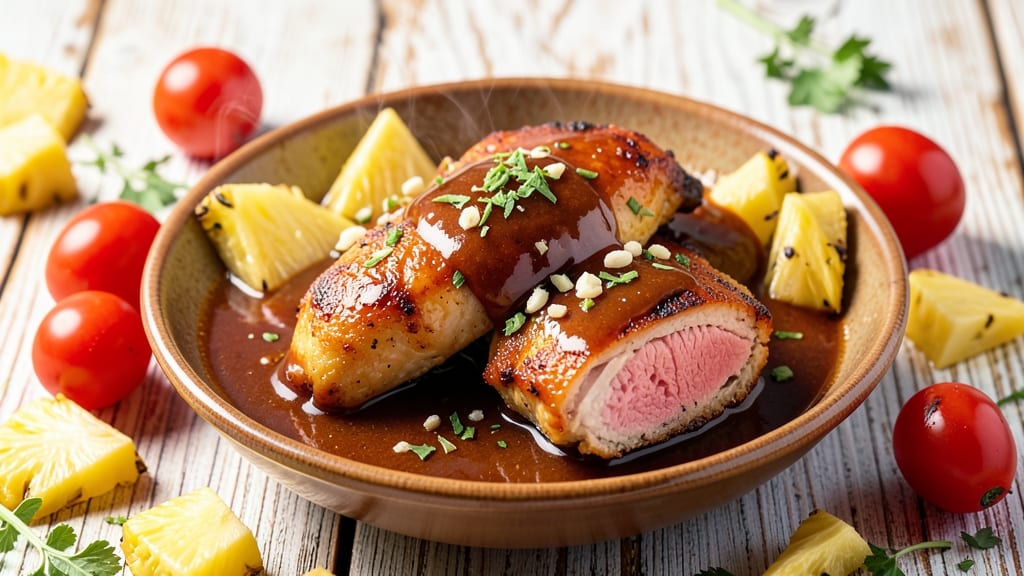
This authentic huli huli sauce recipe delivers the smoky-sweet fire glaze that makes Hawaiian BBQ unforgettable—where pineapple, soy, and spices create a sticky, caramelized masterpiece.
The secret lies in balancing tomato paste for depth, fresh ginger for warmth, and a slow simmer that develops complex flavors without overpowering the natural sweetness.
I perfected this version after years of testing, ensuring every batch captures that signature tangy, slightly spicy profile that clings to grilled meats like a second skin.
What sets this sauce apart is its versatility—use it as a marinade for chicken or pork, a glaze for vegetables, or a dipping sauce that turns ordinary dishes into showstoppers. The recipe builds on traditional Hawaiian techniques but simplifies them for home cooks, with no shortcuts that sacrifice authenticity.
A blend of garlic, onion, and fresh pineapple juice creates the signature sweetness, while a touch of chili powder adds just enough heat to keep things interesting. The sauce thickens beautifully as it simmers, creating that perfect balance between sticky and glossy.
By the time you're done, you'll have a sauce that's rich, aromatic, and packed with layers of flavor—smoky from the spices, tangy from the soy, and sweet from the pineapple.
It's the kind of glaze that transforms simple grilled chicken into a restaurant-worthy centerpiece or turns roasted vegetables into a crowd-pleasing side. The best part? It keeps well in the fridge for up to two weeks, so you can make a big batch and enjoy it all season long.
For those who love to experiment, adjust the sweetness by adding more pineapple juice or balance the heat with a pinch of brown sugar. This sauce works equally well on skewers, whole cuts of meat, or even as a drizzle over rice dishes.
Let's get cooking—your taste buds will thank you.
Ingredients for authentic huli huli sauce
Nine ingredients. One unforgettable glaze. All you need for that signature Hawaiian BBQ flavor.
| Ingredient | Amount | Notes |
|---|---|---|
| Fresh Pineapple Juice 🍍 | 1 cup | Freshly squeezed from ripe pineapple |
| Tomato Paste 🍅 | ½ cup | High-quality, no sugar added |
| Soy Sauce 🍶 | ½ cup | Light or dark, your choice |
| Garlic Cloves 🧄 | 6 cloves | Freshly minced for bold flavor |
| Yellow Onion 🧅 | 1 whole | Diced, medium-sized onion |
| Fresh Ginger 🌿 | 2 tbsp | Grated, fresh is best |
| Honey 🍯 | ¼ cup | Pure, high-quality honey |
| Brown Sugar 🍚 | ¼ cup | Light or dark, packed |
| Chili Powder 🌶️ | 1 tbsp | Adjust for desired heat |
| Extra-Virgin Olive Oil 🫒 | ¼ cup | For richness and depth |
The pineapple juice is non-negotiable here—freshly squeezed makes all the difference. Grab a ripe pineapple from Costco or Trader Joe's for the best juice. The tomato paste adds depth, so look for high-quality, no-sugar-added brands like Muir Glen or Rao's. Fresh ginger and garlic should smell vibrant—if they're musty, skip them. The honey and brown sugar balance the heat, so use pure, high-quality ingredients. Chili powder can be adjusted—start with less if you're sensitive to heat.
No fresh pineapple juice? Coconut water or apple juice works in a pinch, but it won't taste quite the same. Pre-minced garlic or onion? Use it, but drain it well to avoid excess moisture. Short on honey? Maple syrup or agave are decent swaps, though honey’s floral notes are ideal. The olive oil adds richness—don’t skip it, even if you’re watching calories. For extra smokiness, add a dash of liquid smoke (just a pinch!).
This sauce keeps beautifully—up to 2 weeks in the fridge once cooled. Store it in a glass jar with a tight seal to preserve flavors. For longer storage, freeze in ice cube trays—perfect for single-use portions. Reheat gently on the stove, stirring often, to maintain that sticky, glossy texture. Leftovers? Double the batch—it disappears fast!
Why You'll Love This Recipe
- Pantry-Friendly Magic: I swear by this recipe because it uses stuff I always have—pineapple juice, tomato paste, even that half-empty soy sauce bottle. No fancy ingredients, just bold flavors that hit the spot without a grocery run.
- Sweet-Savory Balance: That tangy pineapple juice cutting through the deep umami of soy and caramelized garlic? It’s the perfect push-pull that makes me reach for seconds. Honestly, the onion adds this subtle depth that keeps it from being too sweet.
- Grill Night Hero: Slather it on chicken, toss it with veggies, or even drizzle it over rice—this sauce turns ordinary meals into something special. I’ve used it for everything from backyard BBQs to lazy weeknight dinners, and it never lets me down.
- Budget Stretch: A little goes a long way, and it keeps beautifully in the fridge for days. I’ll make a big batch, freeze half, and still have leftovers for my next meal. Not the prettiest, but the taste makes up for it every time.
Step-by-step instructions for authentic huli huli sauce
Here's how to make this smoky, sweet, and tangy glaze that brings authentic Hawaiian flavor to your dishes.
Sauté Aromatics in Olive Oil
Heat the 0.25 cup extra-virgin olive oil in a medium saucepan over medium heat. Add the 1 whole yellow onion and 6 cloves garlic cloves (minced), cooking for 5-6 minutes until the onions become translucent and the garlic releases its aroma. This step builds the flavor foundation.
Next, add the 2 tbsp fresh ginger (grated) and continue cooking for 2 minutes until fragrant. Here's the thing—don't rush this step. You want those aromatics to soften and develop flavor before moving forward. If the onions start to brown too quickly, reduce the heat slightly to prevent burning.
Build the Sauce Base
Stir in the 0.5 cup tomato paste and cook for 3-4 minutes, stirring constantly, until it darkens slightly and the raw taste disappears. This creates a rich, umami base for your sauce. The tomato paste will thicken as it cooks, so keep stirring to prevent sticking.
Now add the 1 cup fresh pineapple juice, 0.5 cup soy sauce, 0.25 cup honey, and 0.25 cup brown sugar. Stir well to combine all ingredients. The mixture will bubble vigorously—this is normal. Let it simmer uncovered for 8-10 minutes until it thickens noticeably and reduces by about one-third. You're looking for a syrupy consistency that coats the back of a spoon.
Season and Simmer
Add the 1 tbsp chili powder and stir to distribute evenly. Taste the sauce and adjust seasoning if needed—you might want to add a pinch more salt or a splash of pineapple juice for balance. The sauce should be sweet, tangy, and slightly spicy with a deep umami richness.
Continue simmering for another 5-7 minutes until the sauce reaches your desired consistency. For a thicker glaze, simmer longer. For a thinner sauce, you can add a splash of water or pineapple juice later. The sauce is ready when it coats a spoon smoothly and has a glossy sheen.
Cool and Store
Remove the sauce from heat and let it cool completely. This cooling step is important—it allows the flavors to meld and the sauce to thicken further as it sits. For best results, transfer the sauce to a clean glass jar and refrigerate for at least 1 hour before using.
When ready to use, reheat the sauce gently in a small saucepan over low heat, stirring occasionally, until warmed through. This sauce keeps well in the refrigerator for up to 2 weeks or can be frozen for up to 3 months. The flavors actually deepen over time, making it perfect for marinating meats or glazing roasted vegetables ahead of time.
Pro Tips For Making Authentic Huli Huli Sauce
- Mince Garlic, Don’t Mash: I learned this the hard way—crushing garlic into a paste with the back of a knife or mortar turns it bitter and muddles the sauce’s bright, clean flavor. Instead, finely chop it into tiny, even pieces so every bite of your huli huli chicken gets that sharp, sweet garlic punch without any funk.
- Cook Tomato Paste Slow: Tomato paste burns faster than you’d think, especially when you’re distracted by the sizzling garlic and onions. After adding the paste, drop the heat to medium-low and let it simmer uncovered for 3–4 minutes. Stir occasionally—this deepens the flavor without scorching it into a bitter sludge.
- Strain the Pineapple Juice: Fresh pineapple juice is full of fibrous bits that turn your sauce grainy and unappetizing. After blending or juicing, strain it through a fine-mesh sieve or cheesecloth. Yes, it takes an extra 2 minutes, but your sauce will be silky smooth—no one will guess you put in the effort.
- Balance the Soy Sauce: Soy sauce is salty, and if you just eyeball it, your sauce can end up tasting like a salty glaze instead of the tangy, umami-rich sauce you want. Start with 1 tablespoon per cup of juice, taste, then adjust—you can always add more juice later, but you can’t take salt out.
Essential equipment for perfect results
Medium Saucepan
Start with a 3-quart medium saucepan—it gives you enough room to stir and simmer without splattering. I use a Calphalon stainless steel saucepan because it heats evenly and resists sticking, but any good-quality pan with 2-3mm thickness will work.
Avoid non-stick pans for this recipe—they can’t handle the high heat needed to develop those deep, caramelized flavors. 🔥
Wooden Spoon
A wooden spoon is essential for stirring this sauce—it won’t scratch your pan like metal utensils, and it helps scrape up any flavorful bits stuck to the bottom.
I prefer a long-handled spoon (about 12 inches) for better control, especially when simmering. Avoid plastic spoons—they can melt under high heat.
Fine-Mesh Strainer
If you’re using fresh pineapple juice, a fine-mesh strainer (like the OXO Good Grips) helps remove pulp and seeds for a smoother sauce. Skip this if you’re using bottled juice, but if you’re squeezing fresh pineapple, straining makes all the difference.
For extra clarity, place a cheesecloth over the strainer for finer filtration.
Glass Jar for Storage
Store your finished sauce in a glass jar with an airtight lid—I recommend Ball mason jars (8- or 16-ounce size) for easy refrigeration and portion control. Glass preserves flavors better than plastic and won’t absorb odors.
Label the jar with the date to track freshness—this sauce keeps for 2 weeks in the fridge or 3 months in the freezer.
Measuring Spoons & Cups
Precision matters here—use stainless steel measuring spoons (like OXO’s) for the chili powder, ginger, and honey, and a liquid measuring cup for the pineapple juice and soy sauce.
Avoid plastic measuring spoons—they can degrade over time and affect taste. For the brown sugar, pack it firmly into the cup for accurate measurements.
Optional: Immersion Blender
If you prefer a smoother sauce, an immersion blender (like Ninja’s) lets you blend directly in the pot after simmering. Pulse for 10-15 seconds to break up any chunks without diluting the sauce. Skip this if you like texture—traditional huli huli sauce often has slight chunks for depth. 💫
Nutrition facts
Frequently asked questions
Can I use bottled pineapple juice instead of fresh?
Yes, but fresh pineapple juice delivers the best flavor. Bottled juice works in a pinch, though it lacks the depth and natural sweetness of freshly squeezed. For closer results, choose 100% pineapple juice with no added sugar, and reduce the honey to 2 tablespoons to balance sweetness.
How do I adjust the heat level in this sauce?
Start with the full 1 tablespoon chili powder for a mild kick, then reduce to ½ tablespoon for minimal heat. For extra spice, add ½ teaspoon cayenne pepper or a pinch of red pepper flakes. Taste as you simmer—you can always add more, but removing heat is tricky!
What’s the best way to use leftover sauce?
Leftover sauce doubles as a marinade for 2-4 hours (chicken, pork, or shrimp) or a glaze for roasted veggies. For extra richness, brush it on grilled meats in the last 5 minutes of cooking. It also works as a dipping sauce for spring rolls or fries—just thin with a splash of water if needed.
Can I make this sauce in a slow cooker?
Combine all ingredients in a 3-quart slow cooker on LOW for 3-4 hours, stirring occasionally. The sauce will thicken more slowly, so add 1-2 tablespoons water if it gets too dry. For deeper flavor, simmer on HIGH for 2 hours instead. Just avoid overcooking—it’ll thicken further as it cools.
Why did my sauce turn out too thin?
This usually happens if you didn’t simmer long enough or used too much liquid. For thicker sauce, simmer uncovered for an extra 5-10 minutes or reduce heat to a gentle bubble. If it’s already too thin, mix 1 teaspoon cornstarch with 1 tablespoon water, stir into the sauce, and cook for 2 more minutes until it thickens.