
Side Dishes
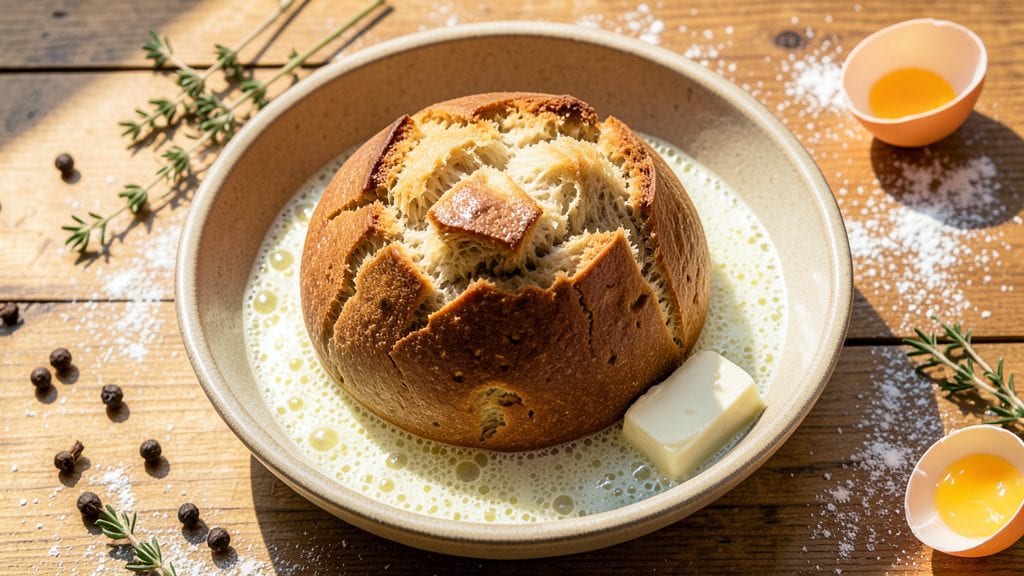
Creating authentic Jamaican hard dough bread brings the warm, spiced aroma of Jamaica’s kitchen tables straight to your home—where every bite delivers a perfect balance of crispy crust and dense, chewy interior.
This recipe stays true to tradition by relying on a simple yet precise method: fermented dough, careful shaping, and baking until golden perfection. The secret lies in the spices—nutmeg, allspice, and a pinch of salt—that transform basic ingredients into something deeply comforting and undeniably Jamaican.
What sets this bread apart is its one-pan simplicity—no fancy equipment needed, just a well-seasoned cast iron or Dutch oven to mimic the clay pots used in Jamaica. The dough ferments overnight, developing rich flavor and a texture that’s neither too dense nor too light.
Baking at high heat creates that signature crispy crust while keeping the inside tender, just as Jamaican families have been making it for generations.
The result is a loaf with a crispy, caramelized exterior that shatters slightly when sliced, revealing a moist, slightly chewy interior with pockets of air from the fermentation.
This bread pairs perfectly with Jamaican stews, curries, or even as a side for breakfast—its subtle spice and hearty texture make it a staple in any meal. Ready to bring a taste of Jamaica to your kitchen?
Once you try this method, you’ll understand why Jamaican hard dough bread is a centerpiece in so many meals—it’s authentic, satisfying, and impossible to resist.
The key is patience during fermentation and precision in baking, but the reward is a loaf that tastes like home. Let’s get started on making yours.
Ingredients for authentic jamaican hard dough bread
Authentic Jamaican hard dough bread relies on precise measurements and quality ingredients for its signature crispy crust and chewy interior.
| Ingredient | Amount | Notes |
|---|---|---|
| All-Purpose Flour 🌾 | 4 cups | Unbleached, high-protein preferred |
| Active Dry Yeast 🍞 | 2 ¼ tsp | Freshly opened for best activation |
| Granulated Sugar 🍚 | ½ cup | White or light brown preferred |
| Unsalted Butter 🧈 | ½ cup | Cold, cut into small cubes |
| Whole Milk 🥛 | 1 cup | Room temperature for activation |
| Large Egg 🥚 | 1 whole | Room temperature for mixing |
| Ground Allspice 🌶️ | 1 tsp | Freshly ground for optimal flavor |
| Ground Nutmeg 🌿 | ½ tsp | Freshly grated preferred |
| Diamond Crystal Kosher Salt 🧂 | 1 ½ tsp | Fine grain for even distribution |
| Cornmeal 🌽 | ½ cup | For dusting and crust texture |
| Water 💧 | ½ cup | Room temperature for hydration |
The flour is the foundation—opt for unbleached, high-protein varieties like King Arthur or Gold Medal for better gluten development. Whole Foods or specialty bakeries carry excellent options, but most grocery stores stock reliable brands too. The yeast must be fresh; check the expiration date and store it in the freezer if you won’t use it within a month. For the spices, Penzeys or Caribbean markets offer premium ground allspice and nutmeg—critical for that authentic Jamaican warmth. The butter should be cold when mixed, ensuring proper dough structure and a crisp crust later.
No allspice? Cinnamon plus a pinch of clove mimics its depth, though it won’t be identical. Substituting milk powder for milk works in a pinch, but the dough may lack tenderness. If you’re short on time, instant yeast can replace active dry yeast at the same weight. For the cornmeal, fine-ground white cornmeal works best—it creates that signature crust without overpowering the flavor. The water should be room temperature to activate the yeast properly; cold water slows fermentation, while hot water can kill it.
This dough requires 12-14 hours of fermentation at room temperature for optimal flavor and texture. Once shaped, cover with a damp towel and let rise until nearly doubled. For storage, wrap the baked loaf in a clean kitchen towel and place in a paper bag at room temperature for up to 3 days. To revive stale bread, sprinkle with water and reheat in a 350°F oven for 10 minutes—it’ll taste fresh again. Freezing is also an option: slice the loaf, wrap tightly, and store for up to 3 months
Why You'll Love This Recipe
- No-Knead Magic: I swear by this dough—just mix, rest, and bake. The yeast does all the heavy lifting while you sip tea or scroll through your phone. That buttery milk dough? It’s ridiculously forgiving if you overmix or underproof (I’ve done both).
- Sweet Crust, Soft Core: The sugar caramelizes into a golden crust that cracks open like a treasure chest, revealing pillowy layers inside. Honestly, the first time I bit into one still warm from the oven, I nearly dropped the whole loaf. Worth every gram of sugar.
- Weeknight Workhorse: This bread is my go-to for breakfast toast, sandwiches, or even a quick snack with jam. Between us, I’ve fed a crowd of six with two loaves—no one complained, and my wallet stayed happy. The dough keeps for days, so you’re never scrambling.
- Budget-Friendly Staple: Flour, yeast, butter, milk—these are pantry basics that stretch into something special. I make a double batch, freeze half, and still save money compared to store-bought. Plus, the leftovers? They disappear faster than my willpower around 3 PM.
Step-by-step instructions for authentic Jamaican hard dough bread
Here's the method that delivers that signature Jamaican crust—crispy outside, tender inside, with warm spice notes throughout.
Activate the Yeast and Create the Dough Base
In a large mixing bowl, combine the 1 cup whole milk and 0.5 cup granulated sugar with the 2.25 tsp active dry yeast. Let this mixture sit for 5-7 minutes until it becomes frothy—this confirms the yeast is active. If it doesn't bubble, your yeast may be old or the milk too warm.
In a separate bowl, whisk together the 4 cups all-purpose flour, 1.5 tsp diamond crystal kosher salt, 1 tsp ground allspice, and 0.5 tsp ground nutmeg. This dry blend is the foundation of the bread's signature flavor. Gradually add the yeast mixture to the dry ingredients while mixing with a wooden spoon or dough hook until a shaggy dough forms.
Knead the Dough for Optimal Texture
Turn the dough onto a lightly floured surface and knead for 8-10 minutes until smooth and elastic. You'll know it's ready when it springs back slowly when pressed. The dough should feel slightly tacky but not sticky—if it sticks too much, add 1 tablespoon of flour at a time until it releases cleanly from your hands.
Place the kneaded dough in a lightly greased bowl, cover with a damp kitchen towel, and let it rise in a warm place for 1-1.5 hours or until it has doubled in size. The warmth encourages proper fermentation, which is crucial for that authentic Jamaican texture. Poke the dough gently—if it leaves a slight indentation that doesn't spring back immediately, it's ready.
Incorporate Butter and Shape the Dough
Remove the risen dough from the bowl and place it back on the floured surface. Cut the 0.5 cup unsalted butter into small cubes and press them into the dough, working them in until fully incorporated. This step ensures the bread develops that signature richness and tenderness. Shape the dough into a round loaf and place it on a parchment-lined baking sheet.
Brush the top of the dough with a light coating of water and sprinkle evenly with 0.5 cup cornmeal. This creates the signature crust texture—crispy on the outside, soft underneath. Cover the dough loosely with plastic wrap and let it rise for another 30-45 minutes until it puffs slightly. The cornmeal will give you that distinctive golden crust when baked.
Bake to Crispy Perfection
Preheat your oven to 375°F for 15 minutes to ensure even baking. Bake the bread for 30-35 minutes until the top is deep golden brown and the internal temperature reaches 190°F. The bread should sound hollow when tapped on the bottom—this indicates it's fully baked.
For extra crispiness, transfer the bread to a wire rack and let it cool completely before slicing. The contrast between the crisp exterior and soft interior is what makes this bread so special. Serve warm with butter or jam, or enjoy it as part of a traditional Jamaican breakfast spread.
Pro Tips For Making Authentic Jamaican Hard Dough Bread
- Warm the Milk First: Pour whole milk into a small saucepan and heat it just until tiny bubbles form around the edges—about 110°F (43°C). Cold milk kills yeast faster than you’d think, and this tiny step guarantees your dough rises properly. I learned this the hard way after skipping it twice and ending up with dense, flat loaves.
- Knead Until Elastic: Stop when the dough springs back slowly after pressing it with your finger—about 8-10 minutes by hand. Overworking it makes the bread tough, but underworking it leaves it gummy. My grandmother swore by this test: "If it bounces like a trampoline, you’ve gone too far."
- Shape Tightly, Seal Well: Roll the dough into a smooth, taut ball and pinch the seams shut so no air escapes—this is what gives hard dough bread its signature dense, chewy texture. I used to rush this, and my loaves would spread unevenly in the oven. Does it look weird? Yes. Does it work? Every single time.
- Brush Butter Generously: After baking, melt 2 tablespoons of unsalted butter and brush it over the loaf while still warm—this adds richness and keeps it moist for days. I skip this when I’m lazy, but the difference in texture and flavor is noticeable. (Your future self will thank you.)
Creative variations of authentic jamaican hard dough bread
Spiced Rum Variation
For a boozy twist, add 1 tablespoon dark rum to the yeast mixture during activation. The alcohol enhances fermentation and adds a subtle warmth that pairs beautifully with the allspice and nutmeg. I recommend using Appleton Estate or Hampden Estate rum for that authentic Jamaican touch. 🍹
Sweetened Coconut Twist
Swap half the granulated sugar for ½ cup coconut sugar and replace ½ cup milk with ½ cup coconut milk. This creates a slightly tropical flavor profile with caramel undertones.
Top with toasted coconut flakes before baking for extra texture. The result is a bread that tastes like a cross between traditional hard dough and a sweet Jamaican treat.
Herb-Infused Version
Add 1 tablespoon finely chopped thyme and 1 tablespoon chopped scallions to the dough after kneading. These herbs add freshness that balances the warmth of the spices.
I find this version works especially well with savory Jamaican dishes like ackee and saltfish or curried goat. The herbs keep the bread bright and aromatic.
Cornmeal-Free Crust
For those avoiding gluten or looking for texture variations, replace the cornmeal topping with ½ cup crushed panko breadcrumbs mixed with 1 teaspoon smoked paprika.
This creates a crispy, slightly smoky crust without the cornmeal's signature crunch. The panko also adds a delicate toasted flavor that complements the spiced dough beautifully.
Savory Cheese Addition
Stir in ½ cup grated sharp cheddar or Monterey Jack during the final kneading stage. The cheese melts slightly during baking, creating pockets of gooey goodness that contrast with the crisp crust.
This version pairs perfectly with Jamaican jerk chicken or as a side for beef patties. The cheese adds richness without overpowering the warm spices.
Gluten-Free Adaptation
Replace the all-purpose flour with a 1:1 gluten-free flour blend (like King Arthur Measure for Measure) and add 1 extra teaspoon of xanthan gum to improve texture. Reduce the water by 2 tablespoons to account for the blend's moisture content.
The result is a slightly denser but still crisp-crusted loaf that maintains all the authentic Jamaican flavor. 🌱
Nutrition facts
Frequently asked questions
Why does Jamaican hard dough bread need such a long fermentation time?
The 12-14 hour fermentation develops the bread's signature depth of flavor and chewy texture. This slow process allows the yeast to break down sugars naturally, creating a rich, slightly sweet taste and that perfect balance between crisp crust and tender interior. Skipping this step results in a denser, less flavorful loaf.
Can I make this bread without a Dutch oven or cast iron?
Yes! Use a heavy oven-safe skillet or even a baking stone with a metal bowl inverted over it to mimic steam. Place a shallow pan of water on the lower rack to create steam during the first 15 minutes of baking. This helps achieve that signature crispy crust without specialized equipment.
What's the secret to getting that perfect crispy crust?
The crust comes from three key steps: cornmeal topping (for texture), high heat baking (375°F), and steam during early baking. Brush the dough with water before the final rise, then bake until deep golden brown. For extra crunch, broil for 1-2 minutes at the end.
How do I store leftover Jamaican hard dough bread?
Wrap the cooled loaf in a clean kitchen towel and place in a paper bag at room temperature for up to 3 days. For longer storage, slice and freeze for 3 months. To revive stale slices, sprinkle with water and reheat in a 350°F oven for 10 minutes—they'll taste fresh again!
Can I substitute allspice with other spices?
No direct substitute exists, but you can blend ½ tsp cinnamon + ¼ tsp clove for a similar warmth. For depth, add ¼ tsp ginger too. The spices are essential to authentic flavor—skipping them changes the bread's character completely.