
Sauces & Condiments
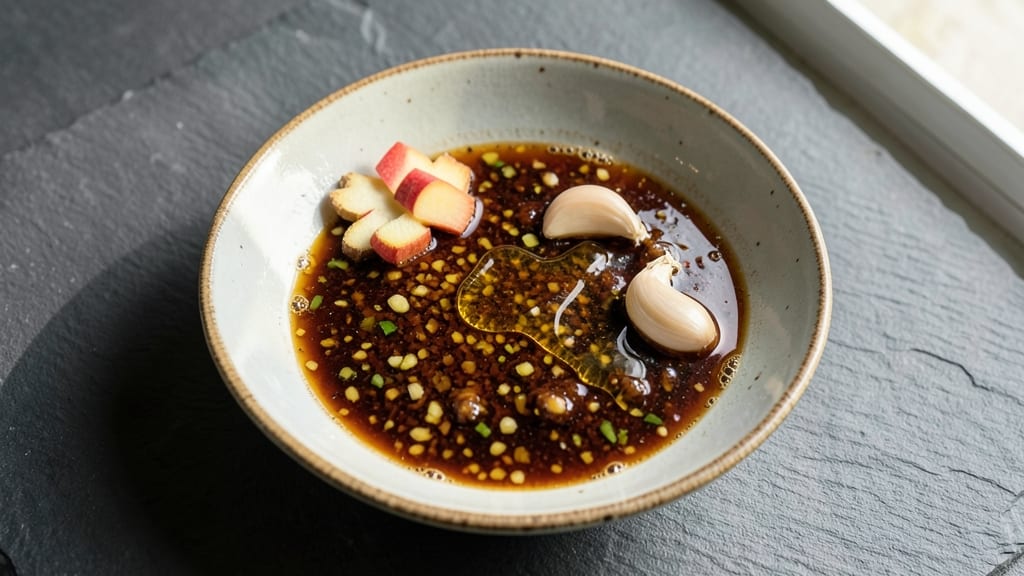
This authentic Japanese teriyaki sauce recipe delivers the perfect balance of sweet, savory, and umami to transform grilled meats, tofu, and vegetables into restaurant-quality dishes.
The secret lies in the precise ratio of soy sauce, mirin, and honey—each playing a critical role in creating that signature glossy glaze while maintaining traditional depth.
After years of refining this recipe in my home kitchen, I’ve developed a method that’s both foolproof and adaptable, whether you’re aiming for a classic version or a gluten-free twist.
The foundation of great teriyaki sauce begins with reducing soy sauce and mirin to concentrate their flavors, then introducing honey to achieve that signature sweetness without overpowering the dish. A splash of rice vinegar adds brightness, while a touch of ginger and garlic infuses layers of warmth.
The result is a sauce that’s rich enough to coat proteins generously yet light enough to drizzle over steamed vegetables or noodles. This recipe yields about 1½ cups, perfect for marinating or glazing a variety of dishes.
What sets this teriyaki sauce apart is its versatility—use it as a marinade for chicken, beef, or shrimp, or as a finishing glaze for grilled items. The sauce keeps well in the refrigerator for up to 2 weeks, making it ideal for meal prep.
For an extra touch, let it simmer until slightly thickened for a glossy finish that clings beautifully to every bite. Whether you’re serving teriyaki bowls, skewers, or even a simple stir-fry, this sauce will transform your dish into something truly special.
For those with dietary restrictions, I’ve included a gluten-free adaptation using tamari instead of soy sauce, proving that authenticity doesn’t require compromise. The key is patience during the reduction—rushing this step will dilute the sauce’s depth.
Let’s get started on creating a sauce that tastes like it came straight from a Tokyo izakaya.
Ingredients for authentic japanese teriyaki sauce
Eight simple ingredients transform into restaurant-quality teriyaki sauce with perfect sweet-savory balance.
| Ingredient | Amount | Notes |
|---|---|---|
| Soy Sauce 🥫 | ½ cup | Use high-quality Japanese soy sauce |
| Mirin 🍶 | ¼ cup | Sweet cooking wine, not substitute |
| Honey 🍯 | ¼ cup | Light amber preferred for balance |
| Rice Vinegar 🍶 | 1 tbsp | White rice vinegar recommended |
| Fresh Ginger 🧄 | 1 tbsp | Finely grated, about 1-inch piece |
| Garlic Cloves 🧄 | 2 cloves | Minced, fresh preferred |
| Sesame Oil 🫒 | 1 tsp | Toasted sesame oil for aroma |
| Tamari 🥫 | ½ cup | Gluten-free substitute for soy sauce |
The soy sauce and mirin are your flavor anchors—Japanese brands like Kikkoman and Hondashi make all the difference. Mirin isn't just sweet; it adds that signature umami depth. Trader Joe's carries a good affordable version, but if you're near an Asian market, grab the real deal. Honey should be light amber—dark varieties can overpower. Fresh ginger and garlic? Buy organic if possible, and grate the ginger right before using. The sesame oil is non-negotiable—it carries those toasty, nutty notes that make teriyaki sing. For gluten-free, tamari is your best bet—it's fermented like soy sauce but made with brown rice.
No mirin? Dry sherry plus 1 tbsp sugar works in a pinch, but it won't be identical. Honey too thick? Warm it gently to thin. Fresh ginger too spicy? Swap for 1/2 tsp ground ginger. Garlic powder at half the amount gets you close, but fresh is worth the 30 seconds. Substitute maple syrup for honey if you're vegan—just reduce the rice vinegar by 1/2 tbsp. The sesame oil can be skipped if you're sensitive to strong flavors, but I'd recommend keeping it for that authentic touch. For a thinner sauce, add 1 tbsp water at the end.
This sauce keeps beautifully in the fridge for 2 weeks—it actually gets better as flavors meld. For longer storage, freeze in ice cube trays and transfer to a bag. Thaw overnight in the fridge. The sauce thickens as it cools, so stir before using. Double the batch if you're prepping for the week—it disappears fast on grilled chicken or stir-fries. Label your containers—it's easy to mistake this for something else when it's sitting in your fridge!
Why You'll Love This Recipe
- Pantry Magic: I swear by this recipe—no special shopping trips, just what’s already lurking in my cabinet. Soy sauce, mirin, and honey? That’s my trifecta for a sauce that tastes like you slaved over it (but actually took 10 minutes).
- Umami Bomb: The ginger zing cuts through the sweetness just enough to make it dangerously addictive. Honestly, I’ve caught myself pouring extra on plain rice—no judgment.
- Weeknight Swiss Army: Slather it on chicken for dinner, toss it with tofu for lunch, or drizzle it over noodles when you’re too tired to think. Between us, I’ve even used it as a marinade for grilled shrimp at a BBQ. Works every time.
- Leftovers That Shine: This sauce keeps for weeks in the fridge and only gets better as flavors meld. I’ll be real: I’ve reheated a jar from three days prior and still got compliments. Budget win, flavor win.
Step-by-step instructions for authentic Japanese teriyaki sauce
This sauce delivers that perfect balance of sweet, salty, and umami every time—just like in Japanese home kitchens.
Prepare the Aromatics
Start by finely grating the 1 tablespoon of fresh ginger using a microplane or fine grater—you want it almost paste-like for maximum flavor infusion. In a small bowl, combine the grated ginger with the 2 cloves minced garlic. Set this mixture aside; we'll use it to build the sauce's aromatic foundation.
I like to use fresh ginger because it adds a bright, zesty quality that powdered ginger can't match. If you're using garlic, make sure it's fresh—it should smell pungent and strong. The combination of these two will form the backbone of your sauce's complex flavor profile.
Simmer the Base Ingredients
In a medium saucepan over medium heat, combine the 0.5 cup soy sauce, 0.5 cup tamari, and 0.25 cup mirin. Bring the mixture to a gentle simmer, then reduce the heat to low. Let it cook uncovered for 5 minutes, stirring occasionally, until the liquid begins to reduce slightly and the aromas become more concentrated.
This initial reduction step is crucial—it helps meld the flavors together and removes any excess alcohol from the mirin. The soy sauce and tamari will begin to darken slightly, which is normal and actually enhances the umami depth. Don't rush this step; patience here makes all the difference in the final product.
Add Sweetness and Acid Balance
Next, stir in the 0.25 cup honey and 1 tablespoon rice vinegar. Increase the heat to medium-low and continue simmering for another 3-4 minutes, stirring frequently. You'll notice the sauce begin to thicken slightly as the honey dissolves and the flavors meld together.
Here's where the magic happens—the honey provides that beautiful caramel sweetness while the rice vinegar adds a subtle acidity that brightens the entire sauce. The combination creates that perfect balance that makes teriyaki so addictive. Keep an eye on the sauce as it reduces—you want it to coat the back of a spoon but still be pourable.
Incorporate Aromatics and Finish
Add the ginger-garlic mixture to the saucepan and stir well to combine. Let the sauce simmer for another 2 minutes, allowing the raw aromatics to infuse and mellow slightly. Finally, remove the pan from heat and stir in the 1 teaspoon sesame oil. Let the sauce sit off the heat for 5 minutes to fully meld.
The sesame oil adds that distinctive nutty aroma that's so characteristic of authentic teriyaki. It should be incorporated gently at the end to preserve its delicate flavor. At this point, your sauce should have a glossy sheen and be thick enough to coat the back of a spoon but still flow smoothly when poured.
Strain and Use Immediately
For the smoothest texture, strain the sauce through a fine-mesh sieve into a clean bowl or jar, pressing gently on the solids with a spoon to extract all the flavor. This step ensures your finished sauce will be silky and free of any ginger or garlic pieces. The sauce should yield about 1 cup of finished glaze.
Use your teriyaki sauce immediately for best results—it's perfect for glazing grilled meats, stir-fries, or drizzling over rice. If you need to store it, transfer to an airtight container and refrigerate for up to 1 week. The flavors will actually deepen slightly over time, making it even more delicious when reheated gently before using.
Pro Tips For Making Authentic Japanese Teriyaki Sauce
- Simmer Slow and Steady: After burning three batches, I finally figured out that teriyaki sauce needs low, consistent heat—not a rolling boil. A gentle simmer (barely bubbling) for 10-12 minutes thickens the sauce without scorching the mirin or turning the honey bitter. Skip the high heat, even if you’re eager.
- Grate, Don’t Chop, the Ginger: Fresh ginger loses its punch when minced fine, but grating it into a paste (yes, even the fibrous bits) releases more flavor into the sauce. Use a microplane or the largest holes of a box grater—no need to peel it first, just scrub and grate. (Your future self will notice the difference.)
- Balance the Sweetness Early: Honey can overpower the umami if you add it all at once. Start with half the amount, taste, then adjust—teriyaki sauce should taste slightly sweet, not cloying. If it’s too strong, a splash of rice vinegar (1 tsp at a time) cuts through it without killing the depth. (I learned this the hard way with a batch that tasted like dessert.)
- Reduce the Sauce to Thickness: This isn’t the prettiest method, but it’s the tastiest: Let the sauce reduce uncovered on the stove, stirring often, until it coats the back of a spoon. If it’s too thin, the sauce will glaze the meat unevenly. Patience here—no skimming the foam—guarantees a glossy, clingy finish. (Your protein will thank you.)
Storing and reheating your leftovers
Refrigerator Storage
Store your teriyaki sauce in an airtight glass container (I recommend Le Parfait or Ball Mason jars) in the fridge for up to 2 weeks. The flavors actually deepen as they meld over time, making it taste even better after a few days.
Give it a good stir before using—it naturally thickens slightly when chilled. 🥫
Freezer Preservation
For longer storage, freeze the sauce in ice cube trays—each cube makes a perfect single-use portion. Once frozen, transfer cubes to a freezer-safe bag with the air squeezed out.
Thaw overnight in the fridge and use within 3 months for best quality. The sauce may separate slightly after freezing, so stir vigorously to re-emulsify. ❄️
Reheating Methods
For best results, reheat gently in a small saucepan over low heat until just warmed through—about 2-3 minutes. Avoid boiling, as this can make the sauce too thin. If using from the freezer, add 1 teaspoon water per cube to help restore the original consistency.
A quick microwave zap on 50% power for 15 seconds works in a pinch. 🔥
Thickening After Storage
If your refrigerated sauce becomes too thin, simmer it uncovered over low heat for 3-5 minutes to reduce. For an instant fix, mix 1 teaspoon cornstarch with 1 tablespoon water, stir into the sauce, and cook for 1 minute until thickened.
This works especially well for glazing applications where you need that perfect cling. 💡
Gluten-Free Adaptation
The tamari version stores identically but may thicken slightly faster due to its fermented nature. When reheating, start with low heat and watch closely—tamari-based sauces can darken more quickly. If you made extra, freeze it in smaller portions for easy gluten-free meal prep. 🌱
Sauce Consistency Tips
If your sauce separates after storage, whisk in 1 teaspoon sesame oil to help re-emulsify. For a glossier finish, simmer for 1 extra minute before using—this helps restore that restaurant-quality sheen. The key is patience: never rush the reheating process, or you'll lose that perfect balance of flavors. ✨
Nutrition facts
Frequently asked questions
What's the key difference between Japanese teriyaki and American-style teriyaki?
Authentic Japanese teriyaki relies on mirin and rice vinegar for brightness, while American versions often use more sugar and sometimes corn syrup. Japanese teriyaki also incorporates sesame oil and fresh ginger/garlic for depth, creating a more balanced sweet-savory profile. The sauce is typically used as both a marinade and glaze, not just a sweet coating.
Can I make this sauce without mirin?
Yes! Substitute with 1/4 cup dry sherry plus 1 tablespoon sugar, but the flavor won't be identical. Mirin adds both sweetness and umami that's hard to replicate. For a non-alcoholic option, use 1/4 cup honey plus 1 teaspoon white vinegar—just reduce the rice vinegar by 1/2 tablespoon to balance acidity. The sauce will still work, but the texture may be slightly thinner.
How do I adjust the sweetness level in this sauce?
For a sweeter version, increase honey to 3 tablespoons and reduce mirin by 1 tablespoon. For less sweetness, swap honey for 1/4 cup maple syrup (more subtle) or reduce honey to 2 tablespoons while adding 1/2 teaspoon extra rice vinegar for balance. Taste as you go—the sauce should complement, not overpower, your dish.
What's the best way to use leftover teriyaki sauce?
Leftover sauce works perfectly for stir-fries, rice bowls, or as a dipping sauce for grilled tofu or shrimp skewers. Thin with 1 tablespoon water for stir-fries, or reduce by 2 minutes for a thicker glaze. It also makes an excellent marinade—combine with 1 tablespoon olive oil for extra tenderness in proteins. Just reheat gently to preserve flavor.
Why did my sauce turn out too thin?
This usually happens from over-stirring or under-reducing the base. For future batches, simmer the soy-mirin mixture for 7-8 minutes instead of 5 to thicken properly. If it's already too thin, simmer uncovered for 3-5 extra minutes or use the cornstarch slurry method (1 tsp cornstarch + 1 tbsp water). Avoid adding extra honey—this will make it sweeter, not thicker.