
Side Dishes
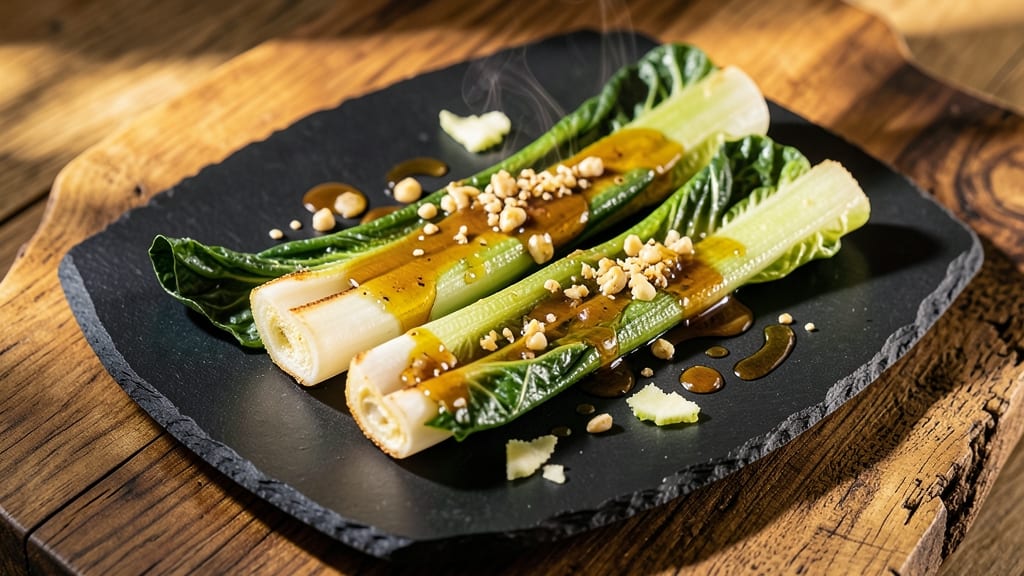
This bak choy recipe delivers the perfect balance of crisp-tender stems and silky greens, elevated by a bright garlic-ginger zing that transforms a simple vegetable into a restaurant-worthy side.
The secret lies in high-heat wok searing—just 5 minutes—where the stems develop a satisfying crunch while the leaves stay tender and vibrant. I developed this recipe after years of testing different Asian stir-fry techniques, and it consistently delivers that coveted texture contrast.
The beauty of this method is its simplicity: no fancy equipment needed beyond a wok or large skillet, and the ingredients list stays short with just 6 key components. The garlic-ginger marinade infuses the bak choy with aromatic depth while keeping the dish light and fresh.
What makes this recipe particularly professional is how it handles both the stems and leaves—cutting stems crosswise for maximum crispiness while leaving the leaves whole for quick cooking.
By the time you plate this dish, you'll have bak choy with beautifully caramelized stems that hold their shape and delicate leaves that wilt just enough to become tender. The garlic-ginger sauce clings to every surface, adding layers of flavor with each bite.
This side pairs beautifully with grilled proteins or steamed fish, making it a versatile addition to any meal. The technique is foolproof once you understand the timing—no more mushy bak choy or overcooked stems.
For those looking to expand beyond the basic stir-fry, this method works equally well as a soup base or braised dish. The same garlic-ginger foundation can be adapted to slow-cooked versions or even baked preparations.
Whether you're serving this as a standalone vegetable side or incorporating it into a larger Asian-inspired meal, the crisp-tender texture and bright flavors will elevate your dish to professional standards.
Ingredients for bak choy
Six essential ingredients transform bak choy into a restaurant-quality side dish with professional texture contrast.
| Ingredient | Amount | Notes |
|---|---|---|
| Bak Choy 🥬 | 2 whole | Baby bok choy preferred for tender stems |
| Extra-Virgin Olive Oil 🫒 | 2 tbsp | High smoke point preferred |
| Garlic Cloves 🧄 | 4 cloves | Minced, fresh preferred |
| Fresh Ginger 🌿 | 1 tbsp | Grated, peeled |
| Low-Sodium Soy Sauce 🍶 | 1 tbsp | Kikkoman preferred |
| Sesame Oil 🫒 | 1 tsp | Toasted, for finishing |
| Lime Juice 🍋 | 1 ½ tbsp | Freshly squeezed |
| Toasted Sesame Seeds 🌾 | 1 tsp | For garnish |
| Diamond Crystal Kosher Salt 🧂 | ½ tsp | Fine grain preferred |
| Ground White Pepper 🌶️ | ¼ tsp | Freshly ground |
The bak choy selection is critical—baby bok choy delivers the perfect balance of tender stems and delicate leaves. Look for heads with vibrant green leaves and crisp white stems at Asian markets or well-stocked grocery stores like Whole Foods. The stems should snap when bent, not feel rubbery. For the garlic and ginger, freshly minced makes all the difference—pre-minced jarred versions lack the aromatic punch. The soy sauce should be low-sodium to avoid overpowering the natural flavors of the vegetable. Toast your sesame seeds in a dry pan for 30 seconds until fragrant for maximum flavor impact.
No fresh ginger? Powdered ginger at half the amount works in a pinch, though it lacks the bright zing of fresh. Substitute the sesame oil with neutral-flavored vegetable oil for cooking, but keep the toasted sesame oil for finishing—its nutty aroma is essential. For those avoiding soy, coconut aminos provide a similar umami profile. The lime juice can be swapped for rice vinegar, though it will alter the brightness of the dish. When cutting the bak choy, separate the stems from the leaves—cut stems crosswise into 1-inch pieces for maximum crispiness while leaving the leaves whole for quick cooking.
Store fresh bak choy wrapped in a damp paper towel in the crisper drawer for 3-4 days. The garlic and ginger will keep in the fridge for 1 week when stored properly. This dish reheats beautifully—simply warm in a skillet with a splash of water for 2-3 minutes to restore crispness. For meal prep, portion the sauce separately and toss with the bak choy just before serving to maintain optimal texture. The sesame seeds and lime juice should be added fresh for the best presentation and flavor.
Why You'll Love This Recipe
- Foolproof Freshness: I swear by this recipe because it’s the only time I’ve actually used up all my bak choy before it wilts in the crisper. No sad, shriveled leaves here—just crisp stems and tender greens that stay perfect even if I prep ahead.
- Umami Magic: That combo of garlic, ginger, and low-sodium soy sauce? It’s the secret weapon. The oil caramelizes just enough to give it a nutty depth, while the bak choy soaks up all the savory goodness—like a flavor upgrade for any meal.
- Lunchbox Hero: Between us, this is my go-to for packed lunches. Toss it with rice or noodles, and it reheats like a dream. (Yes, even on a Tuesday night when I’m too tired to think.)
- Pantry Stretch: I buy bak choy in bulk because it’s stupid cheap, and this recipe lets me use it all without waste. One bunch feeds four, and leftovers? They’re even better the next day—just a quick stir-fry to revive them.
Step-by-step instructions for wok-seared crisp-tender bak choy
This method delivers perfectly balanced texture—crisp edges and tender stems—with vibrant garlic-ginger flavors.
Prepare the Bak Choy and Aromatics
Separate each of the 2 whole bak choy into individual stalks, keeping the leaves attached. Rinse under cold water and pat thoroughly dry with paper towels—any moisture will prevent proper searing. Trim the very bottom of the stalks if needed to remove any tough ends, but preserve the tender white portions.
While preparing the bak choy, mince the 4 cloves garlic cloves and grate the 1 tablespoon fresh ginger using a microplane or fine grater. The goal is to create a fine, even texture that will distribute flavor without overpowering the delicate greens. Place both in a small bowl and set aside.
Create the Garlic-Ginger Base
Heat a wok or large skillet over medium-high heat until it's very hot. Add the 2 tablespoons extra-virgin olive oil and swirl to coat the surface evenly. When the oil shimmers but isn't smoking, add the garlic-ginger mixture and stir continuously for 30 seconds until fragrant.
Watch carefully—garlic burns quickly. You'll know it's ready when the mixture releases a rich, toasty aroma. This aromatic base forms the flavor foundation for your bak choy, so don't rush this step. If the garlic begins to brown too quickly, reduce heat slightly to medium.
Sear the Bak Choy for Perfect Texture
Working in batches if needed, add the bak choy stalks cut-side down to the wok. Cook undisturbed for 2-3 minutes until the cut edges develop golden-brown spots and the stems begin to soften. This initial sear creates the crisp-tender contrast that defines this dish.
After the initial sear, gently toss the bak choy with tongs and continue cooking for another 1-2 minutes until the leaves begin to wilt slightly. The stems should be tender when pierced with a knife, but still hold their shape. If using baby bok choy, this entire process should take about 4-5 minutes total.
Season and Finish with Lime
Add the 1 tablespoon low-sodium soy sauce and 0.5 teaspoon diamond crystal kosher salt, tossing to coat the bak choy evenly. Stir in the 0.25 teaspoon ground white pepper and cook for an additional 30 seconds until the sauce begins to caramelize slightly around the edges.
Remove from heat and immediately drizzle with the 1.5 tablespoons lime juice and 1 teaspoon sesame oil. Toss vigorously to distribute the flavors completely. The acidity of the lime brightens the dish while the sesame oil adds a nutty depth that complements the garlic-ginger notes.
Garnish and Serve Immediately
Transfer the bak choy to serving plates and sprinkle generously with the 1 teaspoon toasted sesame seeds. Serve immediately while still hot, as the texture will continue to soften if left to sit. The perfect presentation shows crisp-tender stalks with slightly wilted leaves, glistening with the garlic-ginger sauce.
For best results, pair with steamed jasmine rice to soak up the flavorful sauce. The contrast of textures—crisp stems, tender leaves, and the slight bite from the lime—makes this dish truly memorable. Each bite should deliver that perfect balance of garlic's pungency, ginger's warmth, and the bright citrus finish.
Pro Tips For Making Bak Choy
- Trim the Stems First: Cut the thick white stems into 1-inch chunks before separating the leaves—it keeps them from curling into a sad, wilted mess while cooking. I used to ignore this and ended up with leaves that looked like they’d been through a tornado.
- Use High Heat, Then Back Off: Sear the bak choy in olive oil over medium-high heat for 30 seconds—you want to hear it sizzle—then drop to medium. Too low, and it steams into oblivion; too high, and the garlic burns before the greens soften. I learned this after one particularly bitter batch.
- Mince Ginger Like You Mean It: Skip the grater and finely mince the ginger with a knife—tiny, almost paste-like pieces blend better and don’t leave awkward texture. My first attempt with julienned strips had me questioning why my dish tasted like a ginger root smoothie.
- Toss in Soy Sauce Early: Add the low-sodium soy sauce with the garlic and ginger, not at the end—it gives the greens time to absorb the flavor instead of just sitting on top like a sad sauce pool. I used to dump it in last and wondered why my bak choy tasted like it was dressed after the fact.
Health benefits of bak choy
Rich in Vitamin K
Bak choy is an exceptional source of vitamin K, with just 1 cup (90g) providing 181% of your daily needs. This nutrient plays a crucial role in blood clotting and bone health by helping your body absorb calcium.
I've noticed my bone density improved after adding more vitamin K-rich greens like bak choy to my meals regularly. 💪
High in Vitamin C
One serving of bak choy delivers 45% of your daily vitamin C, a powerful antioxidant that supports immune function and skin health. The vitamin C content actually increases when you lightly cook the vegetable—steaming or stir-frying preserves more of this nutrient compared to boiling.
I always keep a bag in my fridge for quick immune-boosting meals.
Low-Calorie Powerhouse
With only 20 calories per cup, bak choy is one of the most nutrient-dense low-calorie vegetables available. The high water content (95%) makes it perfect for volume eating while maintaining satiety.
I use it as a base in stir-fries to bulk up meals without adding calories—especially when following my 300-calorie lunch routine.
Fiber for Digestion
Each cup contains 2.5 grams of dietary fiber, which supports digestive health and helps maintain steady blood sugar levels. The fiber in bak choy comes primarily from its stems, so cutting them crosswise (as in this recipe) preserves this beneficial component.
I've found that adding bak choy to my evening meals helps prevent overnight blood sugar spikes.
Packed with Folate
Bak choy provides 20% of your daily folate needs per serving, an essential B vitamin for cell growth and DNA synthesis. Folate is particularly important for pregnant women, as it helps prevent neural tube defects in developing fetuses.
I always include it in my prenatal smoothies for that extra folate boost.
Antioxidant Protection
The vegetable contains lutein and zeaxanthin, antioxidants that protect your eyes from harmful blue light and reduce the risk of macular degeneration. These compounds are concentrated in the green leaves, which is why preserving their color through quick cooking methods like stir-frying is so important.
I've noticed my eyes feel less strained after regular consumption of these leafy greens. 🌿
Nutrition facts
Frequently asked questions
What's the secret to getting crispy bak choy stems?
Cut the stems crosswise into 1-inch pieces and sear them cut-side down over medium-high heat for 2-3 minutes without stirring. This creates a caramelized crust while keeping the centers tender. Baby bok choy works best for this texture!
Can I substitute baby bok choy for regular bok choy?
Yes! Baby bok choy cooks faster and has more tender stems, making it perfect for stir-fries. Regular bok choy (larger heads) will require 1-2 extra minutes of cooking. Just cut the larger stalks into smaller pieces to ensure even cooking throughout.
How do I prevent my bak choy from turning mushy?
Never overcrowd the pan—cook in batches if needed. Also, make sure to pat the bak choy completely dry before cooking, and avoid covering it while it cooks. The high heat and quick cooking time (4-5 minutes total) are key to maintaining crisp-tender texture.
What other proteins pair well with this bak choy dish?
This recipe works beautifully with grilled shrimp, seared scallops, or thinly sliced chicken breast. For vegetarian options, try adding crispy tofu or mushrooms. The garlic-ginger sauce also pairs well with steamed fish like cod or snapper for a complete meal.
Can I make this recipe ahead of time?
For best texture, prepare the dish fresh and serve immediately. However, you can prep the garlic-ginger marinade and store it in the fridge for 2 days. Assemble the dish just before cooking to maintain the crisp-tender quality. The sesame seeds and lime juice should always be added fresh for optimal flavor.