
Main Courses
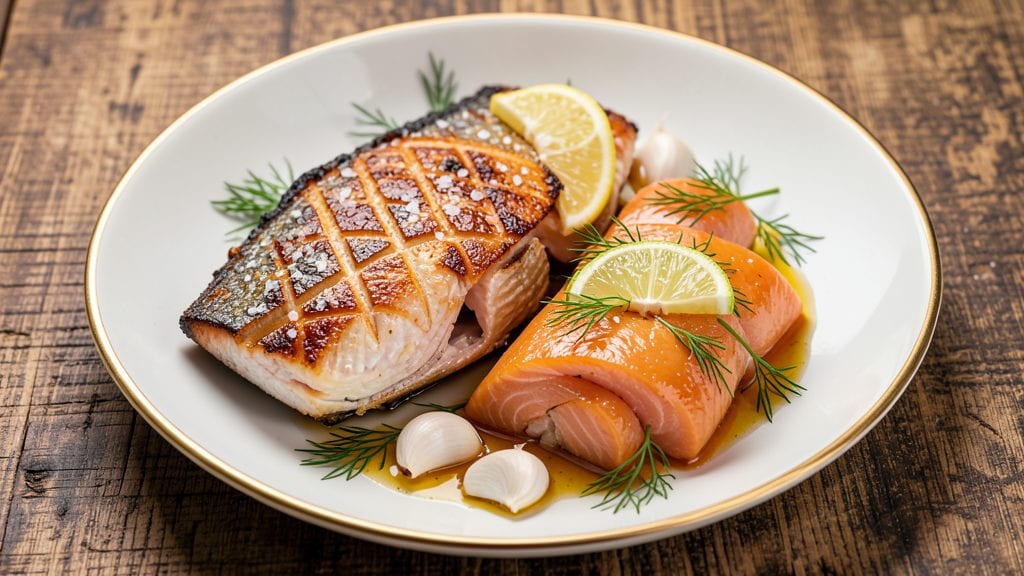
This bake salmon fish head recipe turns a simple dish into a flavor-packed experience with a crispy crust and aromatic broth in one package. This traditional technique maximizes every part of the fish—juicy fillets paired with rich, gelatinous broth from the head, all baked to golden perfection.
The key lies in proper preparation: scoring the skin ensures even cooking, while citrus and herbs elevate the natural flavors without overpowering them.
The process begins with cleaning and scoring the fish head, a step that unlocks its full potential by allowing flavors to infuse deeply.
Season generously with salt, pepper, and aromatics like lemon or dill before baking at 400°F for about 20-25 minutes, until the skin is blistered and the head renders its precious broth.
This method ensures tender fillets with a crispy exterior and a sauce so rich it’ll have everyone asking for seconds.
What makes this recipe exceptional is its ability to turn a single fish into two components: succulent salmon fillets and a fragrant broth that can be strained and used for soups or sauces.
The crispy skin adds texture, while the broth delivers umami depth that transforms simple sides like rice or vegetables into a complete meal. Perfect for special occasions or when you want to impress with minimal effort.
Serve the fillets over a bed of buttery rice or with roasted vegetables, drizzled with the reduced broth for extra richness. The leftovers? Even better the next day, as the flavors meld and the broth intensifies.
This is salmon cooking at its most efficient—and delicious. Let’s get started with the full method.
Ingredients for bake salmon fish head
Transform one salmon into crispy fillets and rich broth with these essential ingredients.
| Ingredient | Amount | Notes |
|---|---|---|
| Fresh Salmon Head 🐟 | 1 whole | Skin scored for crispiness |
| Salmon Fillets 🍽️ | 2 pieces | Skin-on, 6-8 oz each |
| Lemon Wedges 🍋 | 2 whole | For bright acidity |
| Fresh Dill 🌿 | ¼ cup | Chopped, stems removed |
| Garlic Cloves 🧄 | 4 cloves | Smashed for aroma |
| Kosher Salt 🧂 | 1 ½ tbsp | Coarse grain preferred |
| Freshly Ground Black Pepper 🌶️ | 1 tsp | Coarse grind preferred |
| Extra-Virgin Olive Oil 🫒 | 2 tbsp | For skin crisping |
| White Wine 🍷 | ½ cup | Dry variety preferred |
| Vegetable Oil 🫒 | 1 tbsp | For basting |
| Fresh Parsley 🌿 | ⅛ cup | Chopped, for garnish |
| Jasmine Rice 🍚 | 1 cup | Uncooked, for serving |
| Water 💧 | 1 ½ cups | For rice cooking |
| Fish Stock 🍲 | 1 cup | Homemade or quality store-bought |
The salmon head is the star—look for a fresh one with bright red gills and clear eyes. Local fish markets or high-quality seafood counters at Whole Foods or Trader Joe's are best for this. The fillets should be firm with a clean, ocean-like scent. Score the skin in a diamond pattern before seasoning—this ensures even crisping. For the broth, homemade fish stock elevates the dish, but a quality brand like Pacific Foods works too. The white wine should be dry, like a Sauvignon Blanc, to balance the richness without overpowering.
No fresh dill? Dried dill at one-third the amount works in a pinch, but fresh is ideal. Short on white wine? Dry vermouth or even apple cider vinegar can substitute, though the flavor will differ slightly. The olive oil matters here—use extra-virgin for that fruity depth. If you can't find jasmine rice, brown rice or basmati are good alternatives. The fish stock can be swapped for seafood stock or even a light chicken stock if needed, though the umami will be less pronounced. For the parsley, cilantro or chives add a nice contrast if you're out.
Store the salmon head and fillets in the fridge for up to 2 days if prepped ahead. The broth can be refrigerated for 3 days or frozen for 3 months—it actually tastes better after a day as flavors meld. The rice keeps for 4 days in the fridge, and the dill stays fresh for 5 days if wrapped in damp paper towels. For the wine, save the leftover for another recipe—it's perfect for deglazing pans or making quick reductions.
Why You'll Love This Recipe
- No-Fuss Baking: I swear by this recipe because it’s literally hands-off after prep. Toss the salmon head and fillets on a tray with garlic, dill, and a squeeze of lemon—then let the oven do the work. That crispy skin on the head? Zero effort, all flavor.
- Umami Bomb: Between us, the salmon head is where the magic happens. It’s rich, slightly sweet, and packed with collagen that melts into the fillets—like a natural broth upgrade. Honestly, I’ve never baked salmon that tastes this deeply satisfying.
- Weeknight to Dinner Party: This dish works whether I’m feeding my family on a Tuesday or hosting guests. The head adds drama (and texture), but the fillets stay tender—no one will guess it’s the same recipe. Just adjust the lemon and dill for brightness or warmth.
- Budget-Friendly Luxury: Using the whole fish—head included—cuts costs without sacrificing quality. The head becomes crispy, flavorful bites that disappear first, while the fillets stay moist. I’ll be real: my grocery bill dropped, but my dinner table didn’t.
Step-by-step instructions for baked salmon with fish head recipe
Transform a simple salmon head into crispy, flavorful bites while creating a rich broth for perfect rice.
Prepare the Salmon Head for Crispy Perfection
Begin by scoring the skin of the fresh salmon head in a crosshatch pattern using a sharp knife. This creates crispy pockets that render fat beautifully. Pat the head completely dry with paper towels—moisture is the enemy of crispy skin. In a small bowl, combine the 1.5 tablespoons kosher salt and 1 teaspoon freshly ground black pepper, then rub this mixture all over the salmon head, including inside the cavity.
Place the salmon head on a wire rack set over a baking sheet. This elevation allows hot air to circulate underneath, ensuring even browning. Drizzle the 2 tablespoons extra-virgin olive oil evenly over the scored skin. The oil will penetrate the cuts and create a golden, crackly crust during baking.
Roast the Salmon Head Until Deeply Crispy
Preheat your oven to 425°F. Once preheated, slide the salmon head into the oven and roast for 25-30 minutes, until the skin is deep golden brown and crispy to the touch. You'll know it's ready when the skin releases easily from the bone and the flesh is just beginning to pull away slightly. Don't overcook—salmon head continues cooking slightly after removal from the oven.
While the salmon head roasts, prepare the salmon fillets. Season both sides of each fillet with a pinch of kosher salt and freshly ground black pepper. Heat 1 tablespoon vegetable oil in a large oven-safe skillet over medium-high heat. Once hot, add the salmon fillets skin-side down and cook for 3-4 minutes until the skin is golden and crispy. Flip carefully and cook for another 2-3 minutes until the flesh flakes easily with a fork.
Create the Rich Fish Broth
Remove the salmon head from the oven and transfer it to a cutting board. Let it rest for 5 minutes before carefully breaking it apart, removing all the meat from the bones. Place the bones in a large pot with the 1 cup fish stock, 0.5 cup white wine, and 1.5 cups water. Add the smashed 4 garlic cloves and the 2 lemon wedges (squeezed to release their juice). Bring to a boil over high heat, then reduce to a simmer and cook for 15 minutes to extract maximum flavor.
Strain the broth through a fine-mesh sieve into a clean pot, pressing on the solids to release any remaining liquid. The broth should be rich and slightly cloudy—this indicates well-extracted flavor. Keep it warm over low heat while you prepare the rice.
Cook Jasmine Rice in the Fish Broth
Rinse the 1 cup jasmine rice under cold water until the water runs clear. In a separate pot, combine the rice with 2 cups of the warm fish broth (you'll need to use about half of your total broth). Bring to a boil, then reduce heat to low, cover with a tight-fitting lid, and simmer for 15 minutes. Remove from heat and let it steam, undisturbed, for an additional 5 minutes. The rice should be tender with a slight bite—jasmine rice should never be mushy.
While the rice steams, prepare the garnishes. Finely chop the 0.25 cup fresh dill and 0.125 cup fresh parsley. These herbs will add a bright, fresh contrast to the rich salmon flavors. The crispy salmon skin from the head can be broken into small pieces and added to the rice for extra texture.
Assemble and Serve
Divide the cooked jasmine rice among serving plates. Top each portion with one of the crispy salmon fillets and spoon the remaining fish broth over the top. The broth should coat the rice lightly, enhancing its flavor without making it soggy. Sprinkle the chopped fresh dill and parsley evenly over each serving, then garnish with the crispy salmon head pieces.
Serve immediately while the salmon is still crispy and the rice is hot. The combination of the rich fish broth-infused rice, tender salmon fillets, and crispy salmon head creates a harmonious balance of textures and flavors. Each bite delivers the promised crispy crust alongside the delicate, buttery richness of the salmon.
Pro Tips For Making Bake Salmon Fish Head
- CRACK THE HEAD OPEN: Salmon heads have a thick skin that won’t soften—score the top with a sharp knife in a crosshatch pattern before baking. This lets steam escape and prevents the skin from staying rubbery while the flesh cooks.
- SALMON SKIN FIRST: Place the salmon fillets skin-side down on the salmon head before baking. The head’s heat will render its fat onto the fillets, giving them a crispy crust and rich flavor without extra oil.
- DON’T OVERGARLIC IT: Three minced cloves max—any more and you’ll taste only garlic. Sauté them in butter until golden (not brown) first, then spoon the fragrant oil over the fish head before baking.
- WAIT FOR THE CRUST: After baking, let the salmon head rest 3–4 minutes before serving. This lets the juices redistribute, so the first bite isn’t greasy—especially important since the head’s fat pools at the bottom.
Make-ahead tips for leftovers
Prep Ahead for Crispy Skin
Score the salmon head and season it up to 2 days ahead, then store it in an airtight container in the fridge. The scoring prevents moisture loss, ensuring maximum crispiness when baked later.
I like to prep the fillets too—pat them dry and season with salt and pepper, then wrap them in plastic wrap. Store both in the fridge until ready to cook. This step saves time on the day of cooking. 💡
Broth Extraction in Advance
Make the fish broth up to 3 days ahead—it actually tastes better after flavors meld. Simmer the bones, wine, and aromatics, then strain and store in the fridge. The broth will thicken slightly as it cools, so add a splash of water if it seems too concentrated when reheating.
I often make a double batch to use in other recipes like soups or sauces. 🍲
Rice Prep Shortcut
Cook the jasmine rice a day ahead and store it in an airtight container at room temperature. Reheat gently with a splash of broth or water over low heat for 3-5 minutes—this keeps it fluffy.
I also like to prep the herbs in advance: chop the dill and parsley and store them in small containers in the fridge. This way, assembly on serving day is quick and stress-free. ✨
Freezer-Friendly Fillets
For a true make-ahead meal, bake the salmon head and fillets a day ahead, then store them separately in the freezer. Wrap the fillets tightly in plastic wrap and foil, then freeze for up to 1 month.
When ready to serve, reheat the fillets in a 350°F oven for 8-10 minutes until warmed through. The crispiness won’t be as perfect, but the flavor remains rich and delicious. 💫
Broth Storage Hacks
Freeze the fish broth in ice cube trays for easy portion control. Once frozen, transfer the cubes to a labeled freezer bag. Thaw only what you need—perfect for quick rice cooking or deglazing pans.
I also keep a small batch in the fridge at all times for last-minute rice prep. The broth’s umami depth makes it a pantry staple. ❄️
Garnish Prep Station
Set up a small garnish station the night before: chop the herbs, measure out the crispy salmon skin pieces, and pre-portion the broth. Store everything in separate containers so you can quickly assemble plates.
I even pre-measure the rice portions into serving dishes to streamline the final steps. This keeps everything organized and makes serving effortless. 🌿
Nutrition facts
Frequently asked questions
Why is scoring the salmon head important?
Scoring creates crispy pockets that render fat beautifully during baking. The crosshatch pattern allows heat to penetrate evenly, ensuring a golden, crackly crust while keeping the flesh tender. This technique maximizes flavor extraction from both the skin and bones.
Can I substitute white wine in the broth?
Yes! Use dry vermouth or apple cider vinegar (¼ cup) as substitutes. For depth, add 1 teaspoon fish sauce or soy sauce to mimic umami. The wine's acidity brightens the broth—just adjust seasoning afterward.
How do I know when the salmon head is done?
The skin should be deep golden brown and crispy to the touch, with flesh pulling away slightly from the bone. Use a meat thermometer for precision: 145°F internal temp ensures safety without overcooking. The head continues cooking after removal.
What if I don’t have jasmine rice?
Use brown rice (simmer 30-40 minutes) or basmati rice (cook 12-15 minutes). For extra richness, add 1 tablespoon butter or olive oil to the broth while cooking. The broth-infused rice will still be delicious!
Can I make this recipe without a wire rack?
Yes! Place the salmon head on a baking sheet lined with a wire cooling rack substitute: a folded aluminum foil sheet with slits cut into it, or a bed of coarse salt (like kosher). This elevates the head for even browning. Avoid direct contact with the pan to prevent soggy skin.