
Side Dishes
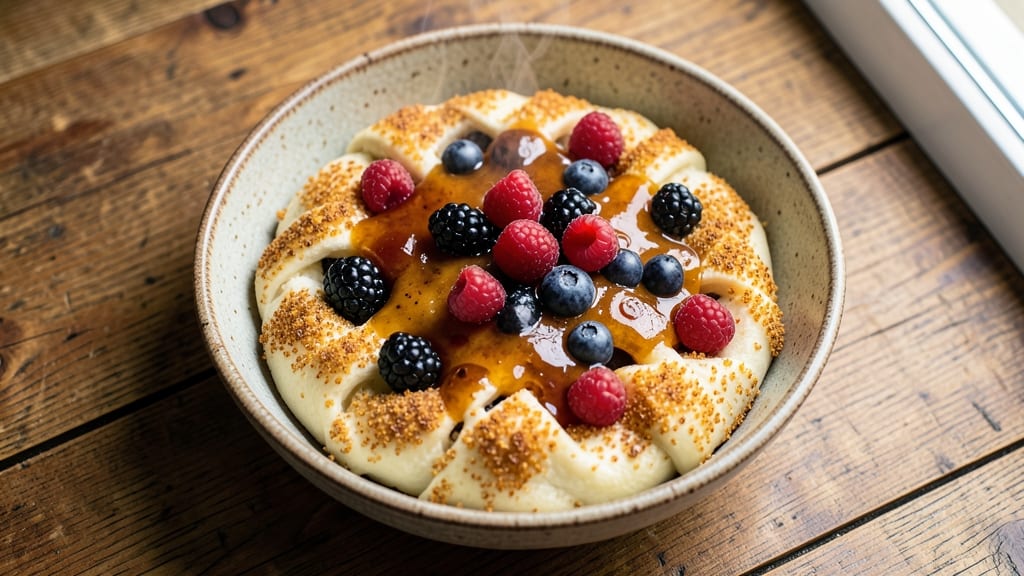
This baked Berliners recipe delivers the perfect balance of a flaky cornmeal crust and juicy pink centers that taste like a taste of Germany. I’ve refined this traditional recipe over years of baking, ensuring the dough stays tender while developing that signature crispness at the edges.
The secret lies in the precise ratio of cornmeal to flour and the proper resting time before baking—both critical for achieving that authentic texture.
What sets this recipe apart is its versatility—whether you prefer classic Käsekuchen filling, sweet jam centers, or a modern vegan twist, the dough handles it all.
The cornmeal adds a subtle nutty flavor and helps create that signature flaky yet sturdy crust, while the baking process ensures the centers remain moist and tender. This isn’t just a recipe; it’s a method that transforms simple ingredients into something extraordinary.
By the time these Berliners emerge from the oven, you’ll have golden-brown buns with crisp edges and soft, pillowy interiors, ready to be filled with your choice of sweet or savory goodness.
The aroma alone will have everyone gathering around the table, and the first bite delivers that perfect harmony of textures—crunchy, chewy, and juicy all at once. This is comfort food at its finest, with a touch of German tradition.
Serve them warm with a dusting of powdered sugar or a drizzle of glaze for an elegant finish. Whether you’re hosting a brunch or craving a nostalgic treat, these Berliners will impress. Let’s get baking!
Ingredients for baked berliner
Twelve essential ingredients transform into golden Berliners with crisp edges and tender centers.
| Ingredient | Amount | Notes |
|---|---|---|
| All-Purpose Flour 🌾 | 3 ½ cups | Sifted for light texture |
| Fine Yellow Cornmeal 🌽 | 1 cup | Stone-ground preferred |
| Granulated Sugar 🍚 | ¼ cup | White or light brown |
| Active Dry Yeast 🍞 | ¼ oz | Or 1 packet (2.25 tsp) |
| Warm Whole Milk 🥛 | 1 cup | 110°F for yeast activation |
| Large Eggs 🥚 | 1 whole | Room temperature |
| Unsalted Butter 🧈 | ½ cup | Cold, cubed (full-fat) |
| Diamond Crystal Kosher Salt 🧂 | 1 tsp | Adjust to taste |
| Cream Cheese Filling 🧀 | 16 oz | Room temperature (8 oz block) |
| Granulated Sugar 🍚 | ¼ cup | For filling sweetness |
| Vanilla Extract 🌸 | 1 tsp | Pure, high-quality |
| Powdered Sugar 🍚 | ¼ cup | For dusting (plus extra) |
| Heavy Cream 🥛 | ¼ cup | For glaze (optional) |
The cornmeal is non-negotiable for that signature texture—Bob's Red Mill stone-ground is my go-to, but any fine yellow cornmeal works. For the yeast, FreshPact packets ensure reliability, but standard active dry yeast works if stored properly. The butter should be cold when mixed into the dough; this creates those flaky layers. Land O'Lakes unsalted is my preference, but any full-fat butter will do. If you're in a rush, room-temperature butter can work, but expect slightly less crispness. The milk needs to be warm—110°F is ideal for activating the yeast without killing it. Test with your finger: it should feel like a warm bath.
No cream cheese on hand? Cottage cheese blended smooth mimics the texture, though the flavor won't be identical. For a vegan twist, swap the cream cheese for tofu-based cream cheese like Tofutti. The vanilla extract should be pure—Nike or McCormick are reliable brands. If you're using jam fillings, any fruit preserve works, but low-sugar varieties prevent sogginess. For the glaze, heavy cream can be substituted with half-and-half or coconut cream, though the consistency will differ slightly. The powdered sugar should be sifted before dusting to avoid clumps—Domino brand is finely milled and perfect for this.
Dough keeps in the fridge for up to 48 hours, wrapped tightly in plastic. For longer storage, freeze the dough balls for up to 3 months—thaw overnight in the fridge before baking. The filled Berliners can be pre-baked and frozen, then finished in a 350°F oven for 10-12 minutes to crisp the edges. The glaze sets quickly, so prepare it last. These reheat beautifully—5 minutes at 350°F restores that fresh-from-the-oven texture. Portion the dough into 12 equal balls for consistent baking; a kitchen scale ensures precision if you're measuring by weight.
Why You'll Love This Recipe
- No Yeast Fuss: I swear by this recipe because it only needs one rise—no waiting around for hours like my old jalapeño popper attempts. Just mix the warm milk with yeast, let it sit for 10 minutes, and boom, you’re ready to roll.
- Sweet-Savory Magic: That touch of sugar in the dough? It’s what makes these addictive—crispy outside, pillowy inside with just enough sweetness to balance the salty filling. Honestly, I’ll take these over any deep-fried version.
- Potluck Star: Between us, these are my go-to for gatherings because they travel well, reheat like a dream, and no one ever asks what’s in them. (Yes, even my picky uncle devours them.)
- Budget Baked Win: Cornmeal stretches the dough, milk keeps costs low, and a single batch feeds four. Leftovers? I freeze them—just bake straight from frozen, and you’ve got a 5-minute dinner. My wallet thanks me every time.
Step-by-step instructions for baked Berliners
Here's the method for achieving that perfect balance of flaky cornmeal crust and tender, juicy pink centers.
Prepare the Dough for Maximum Flakiness
In a large mixing bowl, combine the 3.5 cups all-purpose flour, 1 cup fine yellow cornmeal, 0.25 cup granulated sugar, and 1 teaspoon diamond crystal kosher salt. Whisk these dry ingredients together until evenly distributed—this ensures consistent texture throughout the dough.
In a separate small bowl, dissolve the 0.25 ounce active dry yeast in the 1 cup warm whole milk (about 110°F). Let it sit for 5-10 minutes until it becomes frothy. This activation step is crucial—if the yeast doesn't foam, your berliners won't rise properly. Add the 1 whole large egg and 0.5 cup cold unsalted butter (cut into cubes) to the yeast mixture and stir gently until the butter softens slightly.
Gradually pour the yeast mixture into the dry ingredients while stirring with a wooden spoon or dough whisk. Mix just until combined—overmixing develops gluten, which can make the crust tough instead of flaky. The dough will be shaggy at this stage, which is normal. Cover the bowl with a clean kitchen towel and let it rest at room temperature for 30 minutes. This initial rest allows the gluten to relax and the butter to begin softening, setting the stage for that perfect flaky texture.
Knead and Shape for Uniform Rising
After the initial rest, turn the dough onto a lightly floured surface and knead gently for 2-3 minutes until it comes together into a smooth, slightly tacky ball. The dough should be soft but not sticky—if it's too sticky, add 1 tablespoon of all-purpose flour at a time until it's manageable. The cornmeal in the dough helps create that signature texture, so don't overwork it.
Place the dough back in the bowl, cover it again, and let it rise in a warm place for 1-1.5 hours, or until it has roughly doubled in size. You'll know it's ready when you poke it gently with a finger and the indentation stays put. This proofing step is where the magic happens—the yeast ferments, creating air pockets that give the berliners their light, airy texture.
Prepare the Cream Cheese Filling
While the dough rises, prepare the filling by combining the 16 ounces cream cheese filling, 0.25 cup granulated sugar, and 1 teaspoon vanilla extract in a medium bowl. Mix with a spatula until smooth and fully combined. The filling should be thick but spreadable—if it's too firm, let it sit at room temperature for 10 minutes to soften. This step ensures the filling stays cohesive and doesn't leak during baking, keeping those juicy pink centers intact.
Roll, Fill, and Shape the Berliners
Once the dough has risen, punch it down gently to release any air bubbles. Turn it out onto a lightly floured surface and roll it into a 12 x 16-inch rectangle about 1/8-inch thick. Use a 3-inch round cutter (or a glass of the same size) to cut out 12 circles of dough. Place them on a parchment-lined baking sheet, spacing them 1 inch apart—this prevents them from spreading too much during baking.
Take one dough circle and place 1 tablespoon of the cream cheese filling in the center. Fold the dough over the filling to form a half-moon shape, pressing the edges firmly to seal. Place the filled berliner seam-side down on the prepared baking sheet. Repeat with the remaining dough and filling, arranging them in a single layer. Cover the baking sheet loosely with a towel and let the berliners rest for 15 minutes before baking. This final rest ensures the filling stays centered and the dough holds its shape.
Bake to Golden Perfection
Preheat your oven to 375°F and bake the berliners for 18-22 minutes, until they are deep golden brown and the edges are set. The tops should look crisp and slightly puffed, while the centers remain soft and tender. Rotate the baking sheet halfway through baking to ensure even browning—hot spots in your oven can cause uneven cooking.
For an optional glaze, whisk together 0.25 cup powdered sugar and 0.25 cup heavy cream until smooth. While the berliners are still warm, drizzle the glaze over the tops and let it set for 5 minutes before serving. This step adds a beautiful finish and enhances the sweetness without overpowering the delicate flavors. Serve the berliners warm, straight from the oven, and watch as they disappear in minutes.
Pro Tips For Making Baked Berliner
- Bloom the Yeast First: Skip mixing yeast directly into dry ingredients—it’s a rookie move. Instead, dissolve it in warm milk with a pinch of sugar (about 1 teaspoon) and let it sit for 5–10 minutes until frothy. This guarantees your dough rises properly, not because you hope the yeast works, but because you know it’s active.
- Weigh Your Flour: Measuring flour by scooping and leveling is a gamble, especially with cornmeal mixed in. Use a kitchen scale for precision—aim for 400g all-purpose flour and 100g cornmeal. The texture of your Berliner depends on this, and guesswork leads to dense, sad pastries.
- Don’t Overmix the Dough: Once you add the yeast-milk mixture, stir just until combined—about 2 minutes. Overworking the dough develops gluten, and that’s the last thing you want in a tender, crumbly Berliner. Stop when it’s shaggy, not smooth.
- Bake Until Golden, Not Just Set: The cornmeal crust is the star, so bake until it’s deep golden brown, not pale beige. If your oven runs hot, start checking at 15 minutes; if it’s cool, give it 20. A toothpick should come out clean, but the color is your real cue—no shortcuts here.
Serving suggestions for baked berliner
Classic Brunch Pairings
These Berliners shine at brunch alongside a fresh fruit platter featuring seasonal berries, sliced peaches, and grapes. The sweet-tart contrast complements the rich cream cheese filling beautifully. I love arranging them on a wooden board with a sprinkle of edible gold leaf for an elegant touch.
Serve with chilled sparkling apple cider to cut through the richness and keep the vibe light and refreshing. 🍏
Coffee and Tea Pairings
A strong brewed coffee—like a dark roast from Blue Bottle—balances the sweetness perfectly, especially with a vanilla syrup drizzle. For tea lovers, Earl Grey with its bergamot notes adds a sophisticated twist, while chamomile tea creates a cozy, comforting pairing.
I often serve Berliners warm with a small cup of tea for a relaxed afternoon treat.
Savory Contrasts
For a savory twist, serve Berliners alongside smoked salmon and crème fraîche on toasted rye bread. The salty, smoky flavors contrast the sweetness wonderfully. Another great option is sharp cheddar cheese and apple slices—the tanginess of the cheese cuts through the richness, making each bite more dynamic.
This combo works brilliantly for a German-inspired charcuterie board.
Dessert Plating Ideas
For a dessert presentation, arrange Berliners on a white cake stand with a powdered sugar dusting and a few fresh mint leaves for color. Add a drizzle of caramel sauce or dark chocolate ganache for extra decadence.
For a rustic look, place them on a slate board with warm cinnamon sticks scattered around. The contrast of textures and colors makes them look as good as they taste. ✨
Seasonal Adaptations
In summer, serve Berliners chilled with whipped cream and fresh strawberries for a light, fruity dessert. In winter, warm them slightly and pair with spiced cider and candied pecans for a cozy treat.
For holiday gatherings, add a cranberry compote drizzle or white chocolate shavings to elevate the presentation. Each season brings a new way to enjoy these versatile buns.
Kid-Friendly Serving
Make serving fun for kids by arranging Berliners on a colorful paper plate with rainbow sprinkles or chocolate chips on top. Let them dip the edges in melted chocolate or honey for a playful touch.
Serve with milk or hot cocoa in small mugs to complete the experience. Kids love the interactive element, and it makes cleanup easier too! 🧒
Nutrition facts
Frequently asked questions
What makes this cornmeal dough different from regular sweet buns?
The cornmeal adds a subtle nutty flavor and creates that signature flaky yet sturdy crust that sets Berliners apart. Unlike regular sweet buns, the cornmeal helps absorb moisture while baking, preventing sogginess and giving the edges that perfect crispness. The dough also benefits from a longer rest time to develop its texture fully.
Can I make these without cream cheese for the filling?
For a lighter option, try ricotta cheese mixed with lemon zest or sweetened mascarpone. Vegan bakers can use tofu-based cream cheese or a blend of coconut yogurt and powdered sugar. Jam fillings (like raspberry or apricot) also work beautifully—just ensure they're low-sugar to avoid soggy dough.
Why did my Berliners spread too much during baking?
Overproofing the dough or using warm butter can cause excessive spreading. Always proof until the dough has doubled in size but hasn't collapsed, and keep the butter cold when mixing. Another tip: Chill the shaped Berliners for 15 minutes before baking to help them hold their shape. If they still spread, reduce your oven temperature by 25°F for the first 10 minutes of baking.
How do I store leftover Berliners?
Cool completely, then store in an airtight container at room temperature for up to 2 days. For longer storage, freeze them unglazed for up to 3 months. Reheat in a 350°F oven for 5-7 minutes to restore crispness. The glaze won't survive freezing, so add it fresh after reheating.
What's the best way to make these gluten-free?
Replace the all-purpose flour with a 1:1 gluten-free baking flour blend (like Bob's Red Mill) and add 1 teaspoon xanthan gum to improve texture. Use a gluten-free cornmeal substitute if needed. Keep the cornmeal ratio the same, but expect slightly denser results. Let the dough rest 10 minutes longer before shaping to help the blend hydrate properly.