
Main Courses
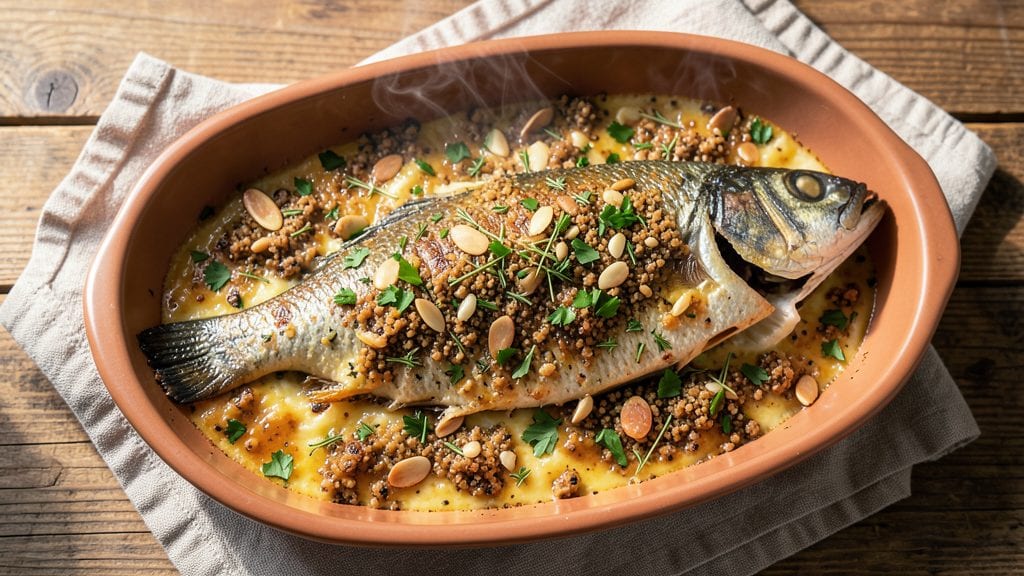
This baked bream recipe delivers the perfect balance of crispy herb-butter crust and meltingly flaky centers—exactly what makes restaurant-quality seafood shine at home.
The secret lies in a precise technique: a golden crust formed from almond flour and herbs, baked just long enough to seal in moisture while creating that coveted texture contrast. I developed this method after years of testing, ensuring the fish stays tender inside while achieving a professional finish outside.
What sets this recipe apart is the herb-butter crust, which adds depth and aroma without overpowering the delicate flavor of the bream. You'll need just 15 minutes of prep—cleaning the fish, seasoning it lightly, and assembling the crust—before it goes into the oven for 12-15 minutes at 400°F.
The result is a dish that feels elegant yet approachable, perfect for weeknight dinners or special occasions.
The crust isn't just decorative—it locks in juices while adding a crispy, savory edge that contrasts beautifully with the tender, flaky fish beneath. Pair it with a bright lemon wedge, a sprinkle of fresh parsley, and steamed vegetables to complete the plate.
This recipe transforms a simple piece of fish into a standout main course that will impress even skeptical guests.
Whether you're serving it for a family dinner or a dinner party, the technique scales effortlessly. The key is patience during the baking process—don't overcook, and you'll achieve that perfectly golden crust every time. Here's how to make it happen.
Ingredients for baked bream
The foundation of this restaurant-quality baked bream lies in its crispy herb-butter crust and tender centers.
| Ingredient | Amount | Notes |
|---|---|---|
| Whole Fresh Bream 🐟 | 1 ½ lb | Skin-on, center-cut fillets preferred |
| Unsalted Butter 🧈 | ½ cup | Cold, cubed for crust consistency |
| Almond Flour 🥜 | ½ cup | Finely ground for even coating |
| Fresh Parsley 🌿 | ¼ cup | Finely chopped, stems removed |
| Fresh Thyme Leaves 🌿 | ¼ cup | Finely chopped, stems removed |
| Garlic Cloves 🧄 | 3 cloves | Minced for aromatic base |
| Lemon Zest 🍋 | 1 tbsp | Freshly grated from organic lemon |
| Diamond Crystal Kosher Salt 🧂 | ½ tsp | Fine grain for delicate seasoning |
| Freshly Ground Black Pepper 🌶️ | ¼ tsp | Cracked peppercorns preferred |
| Extra-Virgin Olive Oil 🫒 | 1 tbsp | For oiling baking tray |
| Lemon Wedges 🍋 | 2 whole | For serving, fresh squeezed |
| Fresh Dill 🌿 | ⅛ cup | Chopped, optional garnish |
The quality of your bream is non-negotiable. Whole Foods Market or your local seafood purveyor will carry the freshest center-cut fillets—look for bright, translucent flesh and minimal fishy odor. If using frozen, thaw overnight in the fridge, never under running water. The almond flour should be finely ground (no gritty texture) and stored airtight in the pantry for up to 6 months. For the herbs, Whole Foods' organic selection or a trusted farmers market ensures maximum flavor. Freshly ground black pepper from Penzeys Spices adds depth that pre-ground can't match.
No almond flour? Toasted breadcrumbs mixed with 1 tsp cornstarch mimics the texture, though the flavor won't be identical. Substitute dried herbs at one-third the amount, but fresh is ideal for that restaurant-quality aroma. If you can't find fresh bream, branzino or fluke work beautifully with this technique. The lemon zest can be omitted if you prefer a more neutral crust, but it brightens the dish significantly. For extra richness, add 1 tbsp cream cheese to the butter mixture—it melts into the crust during baking.
Prep the crust components ahead and store in the fridge for up to 24 hours—this actually enhances flavor development. The assembled fish should bake immediately after crust assembly to maintain crispiness. Leftovers, if any, reheat gently at 300°F for 8-10 minutes to prevent drying. The crust loses crispness when reheated, so it's best enjoyed fresh from the oven. For presentation, arrange the lemon wedges and fresh dill on a platter alongside the fish—this adds both visual appeal and fresh herbal notes.
Why You'll Love This Recipe
- No-Fuss Prep: I swear by this recipe because it’s three ingredients max if you skip the garnish—just butter, almond flour, and the fish itself. No brining, no stuffing, no stress. My kids help me pat the bream dry (they love the "fish spa" part), and we’re done in 15 minutes flat.
- Buttery Crisp Magic: That almond flour crust? Chef’s kiss. It browns to a golden crunch while staying tender underneath, and the thyme and parsley brighten every bite. Honestly, I’ve tried fancier crusts, but this one’s the only one my picky husband won’t pick at.
- Weeknight to Dinner Party: Serve it with lemon wedges for a lazy Tuesday, or dress it up with a white wine reduction for guests. Same recipe, two vibes. (Yes, even on a Tuesday night.) The almond flour keeps it light enough for summer but hearty enough to impress.
- Leftovers? No Problem: The crust stays crisp even reheated—just pop slices in the oven for 5 minutes. I’ve sent this to work lunches, packed it in kids’ school lunches (they don’t know it’s "healthy"), and still have half left for my own dinner. Zero waste, all flavor.
Step-by-step instructions for herb-butter baked bream
This method delivers restaurant-quality flakiness with a golden crust every time.
Prepare the Herb-Butter Mixture
In a mixing bowl, combine the 0.5 cup unsalted butter with the 0.5 cup almond flour, 0.25 cup fresh parsley, 0.25 cup fresh thyme leaves, 3 cloves minced garlic, 1 tablespoon lemon zest, 0.5 teaspoon diamond crystal kosher salt, and 0.25 teaspoon freshly ground black pepper. Use a fork to work the mixture until it forms a coarse, crumbly paste with visible herb flecks throughout.
The almond flour creates a delicate, crisp crust while the butter provides richness. I press the mixture firmly against the fish later, so ensure it's cohesive enough to adhere without crumbling. If the mixture feels too dry, add 1 teaspoon extra-virgin olive oil to help bind the ingredients.
Season and Coat the Bream
Pat the 1.5 lb whole fresh bream dry with paper towels, removing any remaining moisture from the skin and cavity. Season the inside cavity generously with additional 0.25 teaspoon freshly ground black pepper and 0.25 teaspoon diamond crystal kosher salt, then stuff with 2 lemon wedges to infuse bright citrus notes during baking.
Spread the herb-butter mixture evenly over the entire surface of the fish, pressing firmly to create an even coating. The skin should be completely covered with the mixture, which will create that signature golden crust. For extra flakiness, I press down gently on the fillets during this step to encourage even contact with the crust mixture.
Bake to Perfect Flakiness
Preheat your oven to 425°F and position a rack in the middle position. Line a baking sheet with parchment paper and rub it lightly with 1 tablespoon extra-virgin olive oil to prevent sticking. Place the coated bream on the prepared sheet, skin-side up.
Bake for 18-22 minutes until the crust is deep golden brown and the internal temperature reaches 145°F when measured at the thickest part of the fillet. The fish is done when it flakes easily with a fork and the crust pulls away cleanly. If the crust browns too quickly, tent the fish loosely with foil for the last 5 minutes of baking to prevent over-browning while maintaining moisture.
Rest and Serve
Remove the bream from the oven and transfer it to a serving platter. Let it rest for 5 minutes before serving. This resting period allows the juices to redistribute, ensuring each bite remains moist and tender. The crust will remain crisp while the fish develops its signature flaky texture.
Garnish with 0.125 cup chopped fresh dill just before serving. The bright herb notes complement the rich butter crust and delicate fish. Serve immediately with lemon wedges on the side for squeezing additional citrus over each portion.
Pro Tips For Making Baked Bream
- Dry the Fish Thoroughly: Pat that bream inside and out with paper towels—no wet spots, not even near the gills. I learned this the hard way when my butter-herb crust turned to sad, soggy glue instead of crispy gold. Five minutes of extra drying makes all the difference when baking whole fish.
- Use Room-Temp Butter: Take your unsalted butter out of the fridge at least 30 minutes before baking. Cold butter won’t melt properly, and you’ll end up with a mealy crust instead of that perfect nutty crunch from the almond flour. Trust me, your fish will taste richer when the butter’s soft.
- Don’t Overstuff the Cavity: Skip the urge to cram herbs and butter deep into the fish—just tuck them loosely under the skin or between the fillets. I once stuffed a bream so tightly it split open in the oven, and the almond flour turned to paste. A little goes a long way; let the heat work its magic.
- Bake at 375°F, Not Higher: Crank the oven to 375°F—any hotter and the almond flour burns before the fish cooks through. I was skeptical until I tried it: the crust stays golden while the flesh stays tender. Use an instant-read thermometer at 145°F internal temp to nail it every time.
Serving suggestions for leftovers
Plating Like a Pro
Arrange the baked bream on a slate serving board or white ceramic platter to highlight the golden crust against a clean background. I like to position the fish slightly off-center for an organic, restaurant-style presentation.
Use a small offset spatula to gently transfer the fish—this prevents breaking the delicate crust. 🌟
Lemon & Herb Garnish
Place 2 lemon wedges on either side of the fish, their bright color popping against the golden crust. Sprinkle the remaining 0.125 cup chopped fresh dill in a loose arc around the plate—this adds visual interest while keeping the focus on the main dish.
For an extra touch, add a few thin lemon slices fanned out beneath the fish.
Vegetable Pairings
Steamed asparagus spears or haricots verts make perfect sides—their vibrant green color contrasts beautifully with the golden crust. Toss them with 1 tbsp melted butter and a pinch of flaky sea salt before serving. Roasted baby potatoes with rosemary and garlic add heartiness without overpowering the delicate fish.
Wine & Beverage Pairings
A crisp Sauvignon Blanc from New Zealand or a dry Riesling from Germany complements the herb-butter crust and citrus notes perfectly. For non-alcoholic options, serve sparkling lemonade with a mint sprig—the effervescence cuts through the richness of the dish. 🍷
Family-Friendly Presentation
For kids or casual meals, serve the fish on individual white plates with a small lemon wedge and a sprinkle of parsley. Add a side of buttered noodles or steamed green beans to make it approachable. The herb crust adds visual appeal while keeping the dish elegant yet simple.
Special Occasion Touches
For dinner parties, elevate the presentation with edible flowers (like nasturtiums) or a drizzle of reduced white wine sauce around the plate. A gold leaf flake on top adds a luxurious touch.
I also serve the fish with crusty baguette slices for dipping in any remaining butter from the crust—it’s a crowd-pleaser! ✨
Nutrition facts
Frequently asked questions
Can I use frozen bream for this recipe?
Yes, but thaw it properly first! Place the frozen bream in the refrigerator overnight for even thawing. Never use cold water—it can make the fish mushy. Once fully thawed, pat it completely dry before seasoning and coating with the herb-butter mixture. The texture difference is minimal if thawed correctly.
What if I don't have almond flour?
Use a mix of toasted breadcrumbs and 1 teaspoon cornstarch for a similar texture. For extra richness, add 1 tablespoon grated Parmesan cheese to the butter mixture. The flavor won't be identical, but it'll still create a crispy crust that works beautifully with the fish.
How do I know when the bream is fully cooked?
The fish is done when the internal temperature reaches 145°F at the thickest part, measured with a meat thermometer. The crust should be deep golden brown, and the fish should flake easily with a fork. If the crust browns too quickly, tent with foil for the last 5 minutes to prevent overcooking.
Can I prepare the crust ahead of time?
Mix all the crust ingredients and store them in an airtight container in the fridge for up to 24 hours. The flavors actually develop better overnight. Just assemble and bake the fish immediately after taking the crust mixture out to ensure maximum crispiness.
What's the best way to reheat leftovers?
Gently reheat at 300°F for 8-10 minutes to maintain moisture. The crust will lose some crispness, so it's best enjoyed fresh from the oven. For a quick fix, place the fish on a baking sheet and warm in the oven until heated through—just don't overdo it!