
Main Courses
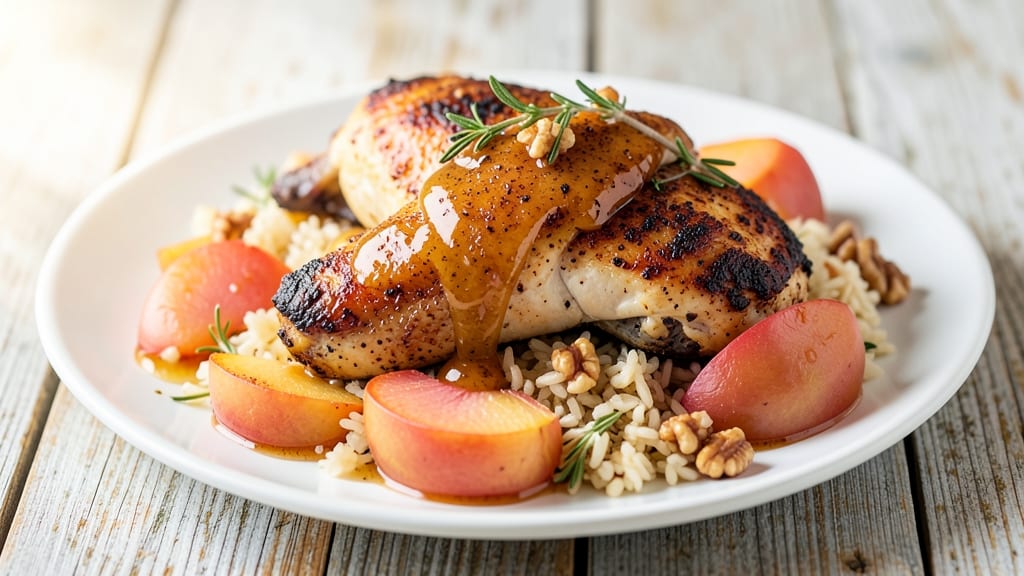
This baked chicken with canned peaches recipe transforms a simple weeknight meal into something unexpectedly elegant—where tender chicken absorbs a sweet-tart glaze that balances perfectly with juicy peaches.
The beauty of using canned peaches is their convenience: no peeling, pitting, or waiting for fresh fruit to ripen, yet they deliver that same summery burst of flavor. I developed this method after realizing how often canned peaches get overlooked in recipes, and the results are surprisingly sophisticated.
The process is straightforward but delivers restaurant-quality results with minimal effort. You'll start with chicken thighs or breasts, coated in a marinade that includes honey, Dijon mustard, and a splash of apple cider vinegar for depth.
The canned peaches are simmered into a glossy glaze that caramelizes beautifully, creating a balance of sweetness and acidity that complements the savory chicken. Baking at 375°F for 30 minutes ensures the chicken stays juicy while the glaze thickens into a sticky, flavorful finish.
What you'll end up with is golden-brown chicken glazed with peaches that have softened just enough to burst with juice at every bite. The contrast between the tender, slightly crispy chicken and the sweet-tart peach glaze is what makes this dish so special—it's comforting yet bright, simple yet impressive.
Serve it over steamed rice or with a side of roasted green beans to round out the meal.
The best part? This recipe scales effortlessly for gatherings, and the leftovers reheat beautifully, making it a practical choice for busy weeknights. The canned peaches add a touch of nostalgia, too—like a taste of childhood summer picnics. Let's get started on creating this perfect balance of flavors.
Ingredients for baked chicken with canned peaches
Canned peaches and simple pantry staples create restaurant-worthy chicken with minimal effort.
| Ingredient | Amount | Notes |
|---|---|---|
| Boneless, Skinless Chicken Thighs 🍗 | 1 ½ lb | Cut into even 1-inch pieces |
| Canned Peaches in Juice 🍑 | 14 oz | Drained, juice reserved |
| Honey 🍯 | ¼ cup | Wildflower preferred for depth |
| Dijon Mustard 🍯 | 1 tbsp | High-quality for tang |
| Apple Cider Vinegar 🍏 | 1 tbsp | Unfiltered for complexity |
| Olive Oil 🫒 | 2 tbsp | Extra-virgin for richness |
| Garlic Cloves 🧄 | 2 cloves | Minced for aromatic base |
| Fresh Thyme Leaves 🌿 | ¼ cup | Chopped, stems removed |
| Salt 🧂 | 1 tsp | Diamond Crystal preferred |
| Black Pepper 🌶️ | ½ tsp | Freshly cracked for heat |
| Brown Sugar 🍚 | 1 tbsp | Light variety for balance |
| Cinnamon Stick 🌿 | 1 whole | Optional for warmth |
| Unsalted Butter 🧈 | 1 tbsp | For finishing glaze |
The canned peaches are the unsung hero here—look for brands like Libby's or Del Monte with vibrant juice, not syrupy versions. The juice from the peaches becomes the base of your glaze, so reserve it all (about 1/2 cup) and reduce it with honey and vinegar for depth. Chicken thighs work best for this recipe; their fat content keeps them juicy during baking. Fresh thyme elevates the dish, but dried works at one-third the amount if needed. For the honey, wildflower or clover varieties add subtle floral notes that pair beautifully with the peaches.
No Dijon mustard? Substitute with 1 tsp whole-grain mustard plus 1/2 tsp honey to mimic the tang. Short on peaches? Use 1 cup frozen peaches, thawed and drained, though texture will differ slightly. The apple cider vinegar can be swapped for white wine vinegar or lemon juice, but the apple notes complement the peaches. For a deeper flavor, toast the cinnamon stick in a dry pan for 30 seconds before adding it to the glaze. The butter at the end isn't just for richness—it helps emulsify the glaze for a glossy finish.
This dish reheats beautifully—cover with foil and warm at 350°F for 10 minutes to retain moisture. The glaze thickens as it cools, so reheat gently if it seems too stiff. Store leftovers in an airtight container for up to 4 days in the fridge, or freeze the chicken and glaze separately for 3 months. For serving, steamed jasmine rice or wild rice blend soaks up the glaze beautifully, while roasted Brussels sprouts add a touch of bitterness to balance the sweetness.
Why You'll Love This Recipe
- Here’s what sold me: the way the honey and Dijon mustard cling to the chicken, while the peaches add a juicy, almost jammy sweetness that cuts through the richness. It’s not cloying, not heavy—just perfectly balanced, like someone took all the best parts of a summer picnic and baked them into one dish.
- I’ll be real: chicken thighs and canned peaches are cheap, and this recipe stretches them into three solid meals. The sauce thickens up beautifully when reheated, so the second night is just as good as the first—plus, the flavors actually improve the next day. No sad, dry leftovers here.
Step-by-step instructions for baked chicken with canned peaches
This method delivers perfectly balanced sweet-tart glaze and tender chicken every time.
Prepare the Chicken and Glaze Base
Preheat your oven to 375°F. In a small saucepan, combine the 14 oz canned peaches in juice (drained, juice reserved), 0.25 cup honey, 1 tbsp Dijon mustard, 1 tbsp apple cider vinegar, 1 tbsp brown sugar, and the 1 whole cinnamon stick. Bring to a gentle simmer over medium heat and cook for 5-7 minutes until slightly thickened. The mixture should reduce enough to coat the back of a spoon while maintaining a glossy sheen.
While the glaze simmers, cut the 1.5 lb boneless, skinless chicken thighs into even 1-inch pieces. In a separate bowl, whisk together 2 tbsp olive oil, 0.25 cup chopped fresh thyme leaves, 1 tsp salt, and 0.5 tsp black pepper. Toss the chicken pieces in this marinade until fully coated. This step ensures even seasoning and prevents the chicken from drying out during baking.
Create the Baking Pan Setup
Arrange the marinated chicken pieces in a single layer on a rimmed baking sheet lined with parchment paper. Space them evenly to allow for even browning. Pour the reserved peach juice from the can (about 1 cup) into the baking dish, then add the reduced peach glaze mixture. The liquid should come about halfway up the chicken pieces—this creates steam during baking, keeping the meat moist.
Transfer the baking sheet to the preheated oven and bake for 20 minutes. After this initial bake, the chicken should begin to brown slightly, and the glaze will start to caramelize around the edges. Here's the thing—don't open the oven door during this time. The temperature fluctuation can cause the glaze to set too quickly, which may prevent proper caramelization later.
Add Peaches and Finish Baking
Remove the baking sheet from the oven and carefully arrange the 14 oz drained canned peaches (halved if large) on top of the chicken pieces. The peaches should nestle between the chicken, allowing them to absorb the sweet-tart flavors while adding natural juiciness to the dish. Return the baking sheet to the oven and continue baking for an additional 15-20 minutes until the chicken reaches an internal temperature of 165°F and the glaze has thickened into a glossy finish.
You'll know the chicken is perfectly cooked when it releases easily from the bone and the glaze has developed a beautiful caramelized crust. The peaches should be tender but still hold their shape, releasing their juices into the glaze. If the glaze appears too thin at this point, you can remove the baking sheet and increase the oven temperature to broil for 1-2 minutes to thicken it further.
Finish with Butter and Rest
Once the chicken is fully cooked, remove the baking sheet from the oven and let it rest for 5 minutes. This resting period allows the juices to redistribute throughout the chicken, ensuring each bite is moist and flavorful. While the dish rests, add the 1 tbsp unsalted butter to the baking sheet and use a silicone spatula to gently swirl it into the glaze. This final step adds richness and helps create a silky finish.
Serve the baked chicken immediately, spooning the glaze generously over each portion. The combination of tender chicken, sweet peaches, and the balanced sweet-tart glaze creates a harmonious dish that's perfect for family dinners or special occasions. The cinnamon stick infuses subtle warmth, while the thyme and Dijon mustard add depth to the overall flavor profile.
Pro Tips For Making Baked Chicken With Canned Peaches
- Preheat for 15 Minutes: Your oven might say it’s hot, but it’s not—wait until the oven’s been on for at least 15 minutes before sliding in the chicken. I learned this the hard way when my first batch came out undercooked because the oven temperature was still climbing. The peach glaze needs that consistent heat to caramelize properly, too.
- Drain and Pat Peaches: Don’t just dump the peaches straight from the can—drain them first, then blot them dry with a paper towel. The extra juice will turn your baking dish into a soup, and the glaze won’t stick. Trust me, your chicken will crisp up better when it’s not swimming in syrup.
- Skip the Overmixing: Once you mix the honey, mustard, and vinegar, stir it just until combined—no need to whip it like you’re trying to make meringue. Overworking it turns the glaze thin and watery, and it won’t cling to the chicken. A quick fold is all it takes.
- Bake at 375°F, Not Higher: Cranking it to 400°F might seem faster, but the peaches will burn before the chicken cooks through. Stick to 375°F—it’s the sweet spot where the thighs get juicy and the glaze turns sticky-sweet without charring. I used to rush it, and the results were always uneven.
Wine and beer pairings for this dish
Sweet White Wine
For this dish, I recommend a crisp Viognier or Chenin Blanc—both have enough acidity to cut through the honey and peaches while complementing the thyme and Dijon notes. A California Viognier like Ramey offers floral aromas that harmonize beautifully with the cinnamon in the glaze.
Serve slightly chilled (45-50°F) to enhance the wine's refreshing qualities against the warm chicken. 🍷
Light Red Options
If you prefer red wine, a Pinot Noir from Oregon or Burgundy works surprisingly well. Look for a Willamette Valley Pinot like Domaine Serene—its bright acidity and red fruit notes balance the sweetness without overpowering the dish. Avoid heavy Cabernets, as their tannins can clash with the glaze's richness.
Apple-Inspired Beer
A Belgian-style witbier or American apple cider ale mirrors the apple cider vinegar in the recipe. Try Allagash White—its coriander and citrus notes echo the vinegar's tang, while the peaches add a fruity contrast.
For a lighter option, a honey wheat beer like Blue Moon complements the dish's sweet-savory profile. 🍺
Non-Alcoholic Pairings
For a mocktail, mix sparkling apple cider (like Martinelli's) with a splash of peach nectar and a cinnamon stick. Serve over ice for a refreshing sip that mirrors the dish's sweet-tart balance. Alternatively, a peach iced tea (brewed with black tea and peach slices) adds a nostalgic touch without alcohol.
Beverage Temperature Tips
Serve white wine and beer slightly chilled (45-50°F) to refresh your palate between bites. Red wine should be at room temperature (around 65°F) to fully appreciate its complexity. For non-alcoholic drinks, add ice to keep them crisp—this helps cut through the richness of the glaze. 💡
Nutrition facts
Frequently asked questions
Can I use chicken breasts instead of thighs?
Yes, but with caution! Chicken breasts cook faster and dry out more easily. For best results, cut them into 1-inch pieces and bake for 15-20 minutes total (instead of 30). Keep an eye on them after 12 minutes to avoid overcooking. The glaze will still work beautifully, but the chicken will be leaner and less forgiving.
What if my glaze is too runny after baking?
Simmer the glaze separately for 3-5 minutes on the stovetop to thicken it. For an instant fix, remove the baking sheet and broil for 1-2 minutes—watch closely to avoid burning. If it's still too thin, stir in 1 tsp cornstarch mixed with 1 tsp water and cook until it gels. The peaches should soften enough to release juices that help bind the glaze naturally.
Can I make this dish ahead of time?
Prepare everything up to baking, then refrigerate the marinated chicken and glaze mixture for up to 24 hours. Bake as directed, but add 5-10 minutes to the total time if starting cold. For leftovers, store in an airtight container for 4 days—reheat gently with a splash of water or broth to revive the glaze. Freeze the chicken and glaze separately for 3 months.
How do I adjust the sweetness for kids?
Reduce the honey to 2 tbsp and brown sugar to 1 tsp in the glaze. For extra kid appeal, top the baked chicken with extra peach slices before serving. The Dijon mustard adds depth adults love, but you can omit it entirely—just boost the apple cider vinegar to 2 tbsp for tang. The cinnamon stick can also be removed if your little ones prefer milder flavors.