
Side Dishes
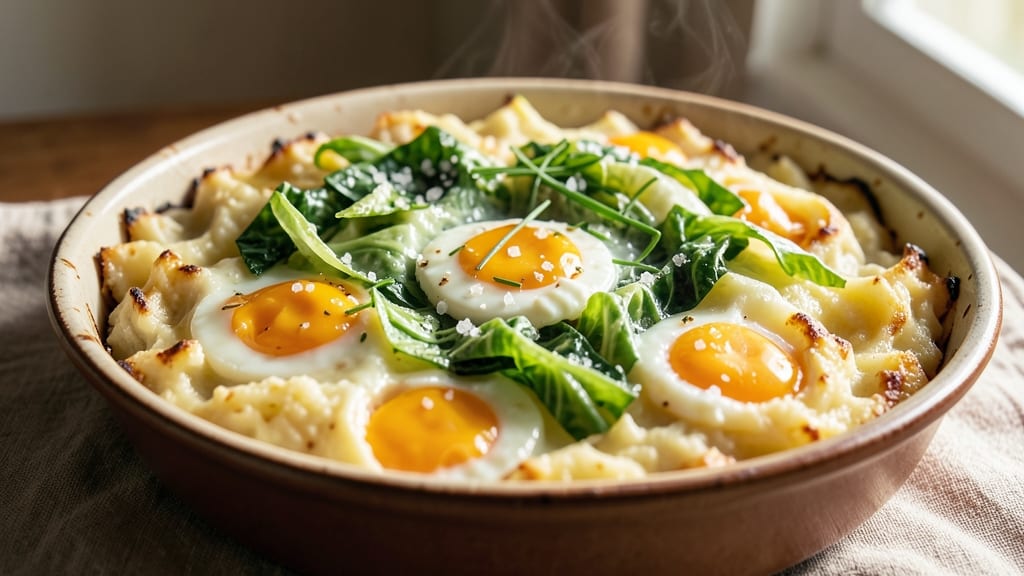
This baked colcannon recipe transforms humble potatoes and cabbage into a velvety, golden side dish that feels like a warm Irish embrace.
The secret lies in slow-roasting the potatoes until tender and folding in sautéed cabbage for a texture that's crisp at the edges yet creamy in the center—no mashed potatoes required.
I first discovered this technique while researching traditional Irish recipes, and it quickly became a staple in my home, especially during chilly evenings when comfort food is non-negotiable.
What sets this recipe apart is the balance of simplicity and depth. You'll start with simple ingredients—potatoes, cabbage, butter, and milk—but the slow baking process develops rich, caramelized flavors that turn this into a perfect side for any meal.
The cabbage adds a subtle sweetness and satisfying crunch, while the potatoes absorb the flavors into a tender, almost custard-like consistency. This method also works beautifully with modern twists, like adding crispy bacon or sharp cheddar for extra richness.
The result is a dish that's comfort in its most satisfying form—creamy yet not gluey, flavorful yet approachable, and versatile enough to pair with roasted meats, fish, or even as a hearty vegetarian main. The best part?
It bakes hands-off while you focus on the rest of your meal, ensuring you'll have a restaurant-quality side without the fuss. Let's get started on creating this Irish classic with a modern twist.
This recipe also offers flexibility for dietary preferences. For a vegan version, swap the butter for olive oil and use plant-based milk, while traditionalists can keep it classic with a sprinkle of black pepper and a pat of butter on top.
The possibilities are endless, but the foundation remains the same—simple, comforting, and absolutely delicious.
Ingredients for baked colcannon
Simple ingredients that transform into creamy, golden Irish comfort in one baking dish.
| Ingredient | Amount | Notes |
|---|---|---|
| Russet Potatoes 🥔 | 2 ½ lb | Yukon gold or red potatoes work too |
| Green Cabbage 🥬 | ½ head | Medium head, core removed |
| Unsalted Butter 🧈 | ½ cup | Cold, cubed for even melting |
| Whole Milk 🥛 | ¾ cup | Full-fat for creaminess |
| Large Eggs 🥚 | 2 whole | Room temperature for blending |
| Diamond Crystal Kosher Salt 🧂 | 1 ½ tsp | Adjust to taste |
| Freshly Ground Black Pepper 🌶️ | ½ tsp | Freshly cracked for best flavor |
| Extra-Virgin Olive Oil 🫒 | 2 tbsp | For cabbage sautéing |
| Garlic Cloves 🧄 | 3 cloves | Minced for cabbage |
| Sharp White Cheddar Cheese 🧀 | ½ cup | Shredded, optional for richness |
| Crispy Cooked Bacon 🥓 | ½ cup | Chopped, optional for smokiness |
| Fresh Chives 🌿 | 2 tbsp | Chopped, for garnish |
The potatoes are the foundation—Russet gives the best fluffy texture, but Yukon gold or red potatoes work beautifully too. Grab the smallest bag you can find (about 2.5 lbs) for perfect even cooking. The cabbage? Green cabbage from the store's refrigerated section keeps best—look for heads that feel heavy for their size, with crisp outer leaves. If you're feeling fancy, savoy cabbage adds a nice texture contrast. For the butter, unsalted is a must—salted throws off the seasoning balance. I always buy European-style butter from Whole Foods or Trader Joe's for that rich, golden color.
No green cabbage? Red cabbage works in a pinch, but it'll change the color slightly. The butter can be swapped for olive oil if you're making a vegan version, but trust me—the butter makes it taste like home. Short on milk? Half-and-half or heavy cream adds extra richness, though it'll be slightly thicker. The eggs are non-negotiable for that creamy texture, but if you're avoiding them, aquafaba or flax eggs work surprisingly well. For the garlic, fresh is best, but if you're in a hurry, garlic powder at half the amount gets you close. The cheddar and bacon are optional but absolutely worth it if you've got them—sharp white cheddar melts best, and thick-cut bacon stays crispy.
This dish tastes even better the next day—honestly, it's perfect for meal prep. Store leftovers in an airtight container for up to 5 days, or freeze for 3 months. I like to portion mine into individual ramekins before baking so they're ready to reheat in minutes. The cabbage can be prepped ahead too—sauté it, cool it, and store it in the fridge for 2 days before folding into the potatoes. And if you're making a big batch? Double the recipe and freeze half—it's the ultimate lazy dinner solution.
Why You'll Love This Recipe
- One-Pan Wonder: I swear by this—just toss everything on a sheet pan, bake, and walk away. The cabbage softens while the potatoes get that golden, fluffy interior, and honestly? No extra pots, no fuss.
- Buttery Creamy Magic: That mix of warm milk, melted butter, and beaten eggs transforms the potatoes into something ridiculously tender. The cabbage adds a subtle crunch that keeps it from being too heavy—like a hug in your mouth.
- Leftovers? No Problem: Between us, this dish tastes even better the next day. I make a double batch on Sundays, and by Wednesday, it’s still my go-to for quick lunches or a side that feels special.
- Budget-Friendly Feast: Russets and cabbage are cheap, and this recipe stretches easily for a crowd. I’ll be real: my grocery bill stays low, but my dinner table stays full—no one complains when it’s this simple and satisfying.
Step-by-step instructions for baked colcannon
Here's how to transform humble potatoes and cabbage into Ireland's most beloved comfort dish—creamy, fluffy, and packed with savory depth.
Parboil and Mash the Potatoes
Preheat your oven to 375°F. Peel the 2.5 lb russet potatoes and cut them into 1-inch chunks. Place them in a large pot and cover with cold water by about 2 inches. Add 1 tsp diamond crystal kosher salt and bring to a boil over high heat. Once boiling, reduce to a simmer and cook for 12-15 minutes until the potatoes are fork-tender but still hold their shape when pierced.
Drain the potatoes thoroughly and return them to the pot. Add the 0.5 cup unsalted butter and mash until completely smooth—no lumps allowed. The butter should melt into the potatoes, creating a velvety base. Stir in the 0.75 cup whole milk and 0.5 tsp freshly ground black pepper, mixing until the mixture is light and airy. This step is where the magic begins—the butter and milk create that signature Irish creaminess. Set the mashed potatoes aside while you prepare the cabbage mixture.
Sauté the Cabbage and Garlic
While the potatoes are mashing, heat the 2 tbsp extra-virgin olive oil in a large skillet over medium heat. Remove the core from the 0.5 head green cabbage and thinly slice it into ¼-inch strips. Add the cabbage to the skillet and cook for 8-10 minutes, stirring occasionally, until it softens and begins to caramelize slightly. The cabbage should release moisture, but it should still hold its shape—no mushy texture here.
Add the 3 minced garlic cloves and cook for an additional 1-2 minutes until fragrant. The garlic should infuse the cabbage with a subtle, aromatic warmth. Remove the skillet from heat and let the cabbage cool slightly. This step builds the foundational flavor for your colcannon—don’t rush it. If the cabbage looks dry, add a splash of water to keep it tender.
Combine and Bake for Fluffy Perfection
In a large mixing bowl, combine the mashed potatoes, sautéed cabbage, and 0.5 cup crispy cooked bacon (if using). Gently fold everything together until evenly distributed. The mixture should be thick but still spreadable—like a cross between mashed potatoes and a savory casserole. Transfer the mixture to a 9x13-inch baking dish, spreading it evenly into a ½-inch thick layer. This even distribution ensures consistent baking and a fluffy texture throughout.
Dot the top with the remaining 0.5 cup unsalted butter, cubed, and sprinkle with the 0.5 cup sharp white cheddar cheese (if using). The butter will melt into the colcannon, adding richness, while the cheese creates a golden, crispy crust. Bake for 30-35 minutes until the top is golden brown and the edges are set. The center should still be slightly soft—it will firm up as it cools. This baking time is critical for achieving that perfect balance of creamy and crispy.
Rest and Garnish for Maximum Comfort
Remove the colcannon from the oven and let it rest for 10 minutes before serving. This resting period allows the flavors to meld and the texture to set—skipping it will leave you with a dish that’s too runny or uneven in texture. While it rests, use a fork to gently fluff the colcannon, breaking up any large clumps for an even, cloud-like consistency.
Garnish with the 2 tbsp chopped fresh chives just before serving. The chives add a bright, fresh contrast to the rich, savory flavors of the colcannon. Serve warm with a side of crusty bread or a simple green salad to balance the richness. Each bite should deliver that perfect harmony of creamy potatoes, tender cabbage, and smoky bacon—pure Irish comfort in every forkful.
Pro Tips For Making Baked Colcannon
- Boil Potatoes Whole: I learned this the hard way—peeling and chopping potatoes first leads to soggy colcannon. Toss whole Russets in salted boiling water (skin-on) for 20-25 minutes until fork-tender, then drain and cool. The skins add texture, and the even cooking prevents mushy spots when you mash later.
- Shred Cabbage Fine: Skip the food processor—it turns cabbage into pulp. Use a sharp knife and cut it into matchsticks first, then shred by hand into tiny, even pieces. This ensures it cooks down evenly and blends smoothly into the potatoes without clumping. (Yes, it takes 10 minutes, but it’s worth it.)
- Don’t Overmix the Eggs: After mixing eggs, milk, and butter into the potatoes, stop stirring once everything’s just combined. Overworking the mixture makes colcannon dense and gummy. A few streaks of egg are fine—this keeps it light and creamy when baked.
- Bake at 375°F, Not Hotter: My first batch turned out dry because I cranked the oven to 400°F. Colcannon needs gentle heat to steam and brown properly. Bake at 375°F for 30-35 minutes, tented with foil halfway, until the top is golden and the edges set. (Your future self will thank you.)
Perfect pairings for baked colcannon
Irish Whiskey Pairing
Nothing complements the warm, creamy richness of colcannon like a smooth Irish whiskey. I reach for a three-year-old single malt like Jameson Black Barrel—its caramel and vanilla notes mirror the dish's sweetness while the slight smokiness enhances the bacon.
For a lighter sip, try Redbreast 12 Year, which has a honeyed depth that pairs beautifully with the cabbage's natural sweetness. Serve at room temperature to let the whiskey's warmth contrast with the colcannon's cool creaminess. 🥃
Creamy Stout Beer
A Guinness Draught or Murphy's Irish Stout is my go-to beer pairing—its roasted malt and coffee-like flavors cut through the butter and cheese while reinforcing the Irish roots. The slight bitterness balances the dish's richness, making each bite feel perfectly harmonized.
For a modern twist, try a Belgian-style witbier like Hoegaarden, which adds a citrusy brightness that lifts the cabbage's natural sweetness. Chill both beers to 45-50°F for optimal enjoyment.
Classic Side Salads
A simple watercress and apple salad with a light Dijon vinaigrette provides the perfect crisp, tangy contrast to the creamy colcannon. Toss 4 cups baby watercress with ½ cup thinly sliced Granny Smith apple, 2 tbsp olive oil, 1 tbsp Dijon mustard, and 1 tsp honey.
The apple's acidity cuts through the richness, while the watercress adds a peppery freshness. For a heartier option, serve with crusty sourdough bread—perfect for soaking up any extra sauce.
Spiced Apple Compote
This unexpected but delicious pairing adds a sweet-tart contrast that elevates the colcannon. Simmer 2 cups peeled apple slices with 2 tbsp brown sugar, 1 tsp cinnamon, and ½ tsp nutmeg for 10 minutes until tender.
The warm spices complement the cabbage's earthiness, while the apple's natural sweetness balances the dish's richness. Serve a small spoonful alongside each portion for a restaurant-worthy touch. 🍏
Herbed Butter Drizzle
Elevate your colcannon with a drizzle of herbed butter—mix ¼ cup softened butter with 1 tbsp chopped chives, 1 tsp chopped parsley, and a pinch of salt. Warm the butter slightly and spoon it over the colcannon just before serving.
The fresh herbs add a bright finish, while the butter enhances the dish's creamy texture. This simple step transforms a classic side into something truly special.
Coffee with Irish Cream
For a cozy dessert pairing, serve your meal with a cup of Irish coffee—hot coffee topped with 1.5 oz Irish cream liqueur (like Baileys), a splash of whipped cream, and a sprinkle of cocoa powder.
The coffee's bitterness contrasts beautifully with the colcannon's richness, while the Irish cream adds a velvety finish. It's the ultimate Irish-inspired experience that ties the whole meal together. ☕
Nutrition facts
Frequently asked questions
Can I make this baked colcannon ahead of time?
This dish tastes even better the next day. Transfer baked colcannon to an airtight container and refrigerate for up to 5 days. For freezing, portion into individual ramekins before baking—this makes reheating a breeze. Thaw overnight in the fridge before reheating at 350°F for 15-20 minutes until warmed through. The texture holds up beautifully when reheated properly.
What if I don't have green cabbage?
No problem! Red cabbage works in a pinch, though it'll give your dish a slightly different color. For extra tenderness, try savoy cabbage or even kale (remove stems first). If you're feeling adventurous, swap for Brussels sprouts—halve them and roast until caramelized before mixing in. The key is to cook the vegetable until tender but still holding its shape.
Why does my colcannon turn out gluey?
Overmixing the mashed potatoes or using too much milk can create a gluey texture. Stick to the 0.75 cup milk measurement and mash just until smooth. For extra insurance, let the potatoes cool slightly after mashing before adding the cabbage mixture. Also, make sure to drain them thoroughly after boiling—excess moisture is the #1 culprit for gluey results. A quick fix? Stir in 1 tbsp extra butter while baking to restore creaminess.
Can I make this recipe vegan?
Yes! Swap the butter for olive oil or vegan butter, and use plant-based milk (like oat or almond milk). For binding, add 2 tbsp aquafaba (chickpea brine) or 1 flax egg (1 tbsp ground flax + 3 tbsp water). The texture will be slightly firmer, but still delicious. Skip the cheese or use vegan cheddar, and enjoy this comforting dish without dairy. The cabbage's natural sweetness shines even brighter in vegan versions!
How do I know when the potatoes are done?
They're ready when a fork pierces them easily but they still hold their shape slightly. For Russet potatoes, this is typically 12-15 minutes of simmering after boiling. If they fall apart, they're overcooked—this can make the final texture grainy. For extra insurance, cut one open: the center should be tender but not mushy. The key is consistency—always use the same-sized chunks and start timing after the water returns to a full boil.