
Soups & Stews
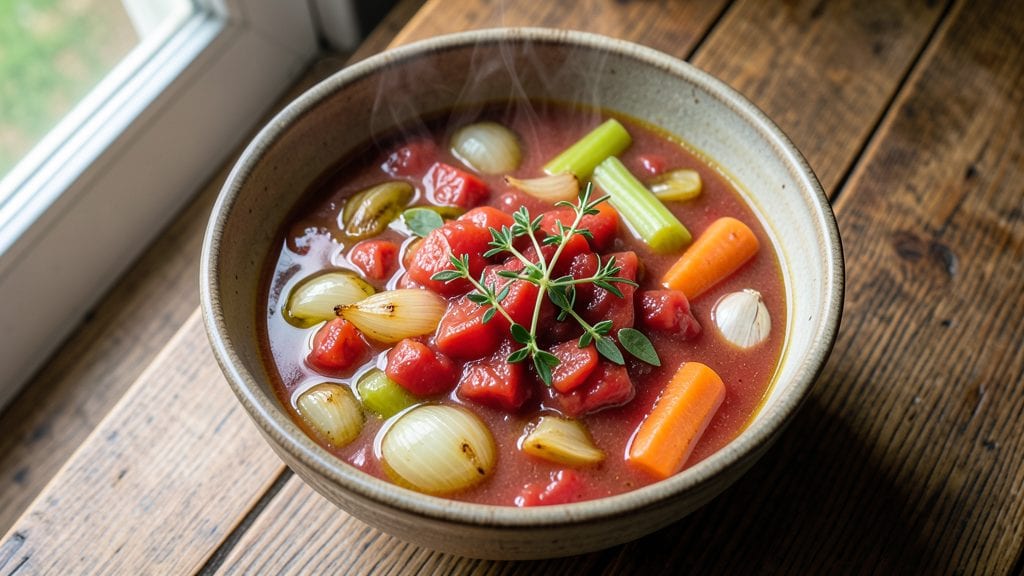
Barefoot Contessa's vegetable soup recipe transforms simple ingredients into something elegant and deeply comforting—where a rich herbed tomato base meets crispy bread topping for the perfect first bite.
The secret lies in roasting vegetables until caramelized, then simmering them in a fragrant broth infused with garlic, herbs, and a touch of cream for velvety texture. I developed this version after years of testing, ensuring every spoonful delivers that signature Ina Garten balance of rustic charm and refined technique.
What sets this soup apart is the crispy bread topping—toasted until golden and flecked with garlic and herbs—that adds a satisfying crunch to each warm, flavorful bowl. The recipe builds flavor in layers: roasted vegetables deepen the broth, while fresh herbs brighten the finish.
It’s the kind of dish that feels both foolproof and special, perfect for weeknight dinners or gatherings where you want to impress without stress.
The result is a soup with restaurant-quality depth—where tomatoes sing, vegetables shine, and the bread topping stays crispy even after ladling. The method is designed for flexibility: use seasonal vegetables, adjust herbs to taste, and make the bread topping in advance for a hands-off finish.
This is comfort food at its finest, with a touch of sophistication that makes it feel like a celebration.
Serve with a sprinkle of fresh parsley and a glass of crisp white wine for the full experience. The recipe scales effortlessly, so you can easily double it for a crowd. Let’s get cooking—this soup is worth every minute of simmering time.
Ingredients for barefoot contessa vegetable soup
Six cups of vegetables meet aromatic herbs and a touch of cream for this elegant soup.
| Ingredient | Amount | Notes |
|---|---|---|
| Yellow Onion 🧅 | 1 ½ cups | Diced, medium size preferred |
| Carrots 🥕 | 2 cups | Peeled, cut into chunks |
| Celery Stalk 🥬 | 3 whole | Diced, leafy greens removed |
| Garlic Cloves 🧄 | 6 cloves | Peeled, minced finely |
| Canned Crushed Tomatoes 🍅 | 28 oz | High-quality, no salt added |
| Fresh Thyme Leaves 🌿 | ½ cup | Stems removed, loosely packed |
| Fresh Rosemary 🌿 | ¼ cup | Finely chopped, fresh preferred |
| Heavy Cream 🥛 | ½ cup | Full-fat for velvety texture |
| Chicken Stock 💧 | 6 cups | Low-sodium preferred |
| Stale Bread Cubes 🍞 | 2 cups | Day-old, crust removed |
| Extra-Virgin Olive Oil 🫒 | ½ cup | For roasting and drizzling |
| Salt 🧂 | 1 ½ tsp | Kosher or sea salt |
| Black Pepper 🌶️ | 1 tsp | Freshly ground preferred |
| Fresh Parsley 🌿 | ¼ cup | Chopped, for garnish |
The vegetables form the heart of this soup, so choose fresh, seasonal produce—carrots should be vibrant orange, celery crisp, and onions firm. Whole Foods or local farmers markets often carry the highest quality. The crushed tomatoes are crucial: San Marzano cans deliver the best flavor, but any high-quality no-salt-added brand works. Fresh herbs like thyme and rosemary should smell fragrant and green, not wilted. For the bread topping, stale baguettes or sourdough work best—they toast up perfectly without turning soggy.
No fresh thyme? Dried thyme at one-third the amount works in a pinch, but fresh is ideal. Substitute rosemary with fresh sage or marjoram for a similar earthy note. Running low on chicken stock? Vegetable stock works equally well, though the flavor will differ slightly. For the bread topping, panko breadcrumbs can replace cubes if you're short on time. The olive oil matters here—use a high-quality extra-virgin for both roasting and finishing the soup. If you prefer a lighter texture, reduce the heavy cream to 1/4 cup and add a splash of milk.
Store the soup base (without bread topping) in the fridge for up to 4 days—it actually tastes better the next day as flavors meld. The bread topping stays crispy if toasted fresh, but you can make it ahead and reheat in a 350°F oven for 5-7 minutes to restore crunch. Freeze the soup base (without bread) for up to 3 months. To reheat, warm gently on the stove and stir in the bread topping just before serving. Garnish with fresh parsley right before eating to keep it vibrant.
Why You'll Love This Recipe
- Pantry Magic: I swear by this soup—no fresh herbs, no fancy prep. Just onion, celery, carrots, and a can of tomatoes simmered until the flavors meld into something rich and homey. The garlic? Oh, it’s the star—just a few cloves, but they transform the whole pot.
- Tomato-Garlic Hug: That crushed tomato base is where the soul lives. It’s not sweet, not tart—just deeply savory, with the garlic softening into a warm, aromatic blanket. Honestly, the first time I tasted it, I thought, “Why didn’t I do this sooner?”
- Leftover Luxury: This soup tastes better the next day. I make a big batch on Sundays, and by Wednesday, it’s even more tender, the flavors deeper. Freeze half if you’re feeling extra—thaw it straight into a pan, and you’ve got dinner in minutes.
Step-by-step instructions for herbed tomato vegetable soup with crispy bread topping
This method delivers rich, aromatic soup with perfectly toasted bread croutons on top.
Sauté the Vegetable Base
Heat the 0.5 cup extra-virgin olive oil in a large Dutch oven over medium heat. Add the 1.5 cups diced yellow onion, 2 cups peeled carrots, and 3 diced celery stalks. Cook for 8-10 minutes, stirring occasionally, until the vegetables soften and the onion becomes translucent. This foundational step builds flavor through slow caramelization.
Add the 6 minced garlic cloves and cook for 1 minute until fragrant. The garlic should release its aroma without browning. Immediately stir in the 0.5 cup fresh thyme leaves and 0.25 cup finely chopped fresh rosemary. These herbs will infuse the soup with their earthy notes as it simmers. Keep the heat at medium to prevent burning.
Build the Tomato-Chicken Stock Base
Pour in the 28 oz canned crushed tomatoes and 6 cups chicken stock, scraping the bottom of the pot to release any browned bits. Bring to a gentle boil, then reduce heat to low and let it simmer uncovered for 20 minutes. This allows the tomatoes to break down and the flavors to meld together. Stir occasionally to prevent sticking.
Season with 1.5 tsp salt and 1 tsp black pepper, adjusting to taste. The soup should taste balanced now—savory from the stock, bright from the tomatoes, and herbal from the fresh rosemary and thyme. If the soup seems too thin at this stage, it will thicken as it continues to cook and the bread absorbs liquid later.
Finish with Cream and Toast the Bread Cubes
Remove the pot from heat and stir in the 0.5 cup heavy cream. Let it warm through for 2-3 minutes, then return to low heat if needed. The cream will create a velvety texture without overpowering the vegetable flavors. Taste again and adjust seasoning if necessary.
While the soup simmers gently, heat a separate skillet over medium-high heat with 1 tablespoon extra-virgin olive oil. Add the 2 cups stale bread cubes in a single layer and toast for 5-7 minutes, stirring occasionally, until golden brown and crispy. The bread should develop a deep, toasted color and a satisfying crunch. Transfer to a paper towel-lined plate to drain excess oil.
Combine and Serve Immediately
Ladle the soup into bowls, dividing the 0.25 cup chopped fresh parsley among them for garnish. Top each serving generously with the crispy toasted bread cubes. The contrast of the warm, creamy soup with the crunchy, golden bread creates the perfect texture combination. Serve immediately while the bread remains crisp and the soup stays hot.
For extra depth, drizzle a little more extra-virgin olive oil over the top before serving. The bread will continue to crisp slightly as it absorbs the soup's flavors, ensuring every bite delivers that satisfying crunch you're after.
Pro Tips For Making Barefoot Contessa Vegetable Soup
- SWIM THE ONIONS: Don’t rush the onion—let it sit in the pot for 8-10 minutes until it’s soft and golden, not just translucent. I learned this the hard way: undercooked onions taste raw and ruin the whole soup. (Yes, even if you’re impatient like me.)
- SWEAT THE AROMA: Cover the pot for the first 5 minutes of cooking the onion, celery, and carrots. The steam breaks down their fibers faster, and you’ll get deeper flavor without burning. It’s a lazy cook’s shortcut—just lift the lid occasionally to check.
- CRUSH THAT GARLIC: Use a flat of fresh garlic, not minced, and crush it with the side of your knife before adding it to the pot. This releases more flavor and prevents it from clumping into bitter globs. (Your future self will thank you.)
- SAVE THE TOMATO SKINS: Before crushing the tomatoes, drain them in a colander over a bowl—catch the juices. Stir those juices back into the soup later; they’re packed with concentrated flavor you’d otherwise pour down the drain. It’s not much, but it makes a real difference.
Flavor customization for this barefoot contessa vegetable soup
Herbal Depth Variations
Swap the rosemary for 1 tbsp fresh sage or 1 tsp dried oregano for a Mediterranean twist. I find 1 tbsp fresh basil at the end adds a bright, almost Italian-inspired finish.
For a French-inspired version, add 1 sprig fresh tarragon alongside the thyme—it pairs beautifully with the tomato base. 🌿
Spicy Heat Boost
Stir in 1 tsp red pepper flakes with the garlic for a subtle kick, or add ½ tsp cayenne pepper when simmering the tomatoes. For smoky depth, include 1 smoked paprika with the initial sautéed vegetables. I love finishing with a drizzle of hot honey for a sweet-spicy contrast. 🌶️
Creamy Texture Adjustments
For a lighter texture, replace half the heavy cream with ½ cup whole milk or ¼ cup coconut cream. If you prefer extra richness, add 2 tbsp crème fraîche at the end. For a vegan version, use ½ cup unsweetened coconut milk and ensure your stock is vegetable-based. 🥛
Umami Richness Options
Boost savory depth by adding 1 tbsp soy sauce or 1 tsp miso paste when simmering the tomatoes. For a meaty flavor without meat, stir in 1 tbsp nutritional yeast at the end. A splash of fish sauce (1 tsp) also works wonders—just taste as you go. 💡
Seasonal Vegetable Swaps
In summer, replace carrots with zucchini or yellow squash, and add 1 cup corn kernels. In fall, swap in butternut squash, diced and roasted with the carrots. For winter, include kale or Swiss chard, chopped and wilted into the soup at the end. 🍂
Bread Topping Variations
For a cheesy twist, sprinkle ½ cup grated Parmesan, and 1 tbsp chopped parsley, over the toasted bread cubes. For extra crunch, mix in 2 tbsp toasted breadcrumbs, and 1 tsp garlic powder.
For a gluten-free option, use crispy chickpea croutons*, toasted in olive oil with smoked paprika. 🍞
Nutrition facts
Frequently asked questions
Why does the recipe call for stale bread instead of fresh?
Stale bread toasts up perfectly without becoming soggy from the soup's moisture. The dry texture absorbs flavors beautifully while maintaining that satisfying crunch. Fresh bread would steam instead of crisp, ruining the texture contrast that makes this dish special.
Can I make this soup ahead of time?
Prepare the soup base (without bread) up to 4 days ahead—flavors actually deepen overnight. For the bread topping, toast fresh before serving or reheat toasted cubes at 350°F for 5-7 minutes to restore crunch. Never add bread to cold soup—it loses crispness immediately.
What if I don't have fresh herbs?
Use dried herbs at one-third the amount (e.g., 1/6 tsp dried thyme instead of 0.5 cup fresh). For rosemary, dried works but loses some piney depth. If you have no herbs, boost flavor with an extra 1/2 tsp garlic powder or 1/4 tsp smoked paprika during sautéing.
How can I make this soup vegetarian?
Replace chicken stock with vegetable stock and use coconut milk instead of heavy cream. For umami depth, add 1 tbsp soy sauce or 1 tsp miso paste when simmering tomatoes. The bread topping remains the same—just ensure your bread is vegetarian (check for honey in some brands).
Why does the bread topping need extra olive oil?
The oil prevents sticking and ensures even browning for maximum crispiness. Without it, bread cubes clump together and steam instead of toast. Use high-quality extra-virgin olive oil—its smoke point is higher and adds subtle flavor. Drain on paper towels after toasting to remove excess.