
Side Dishes
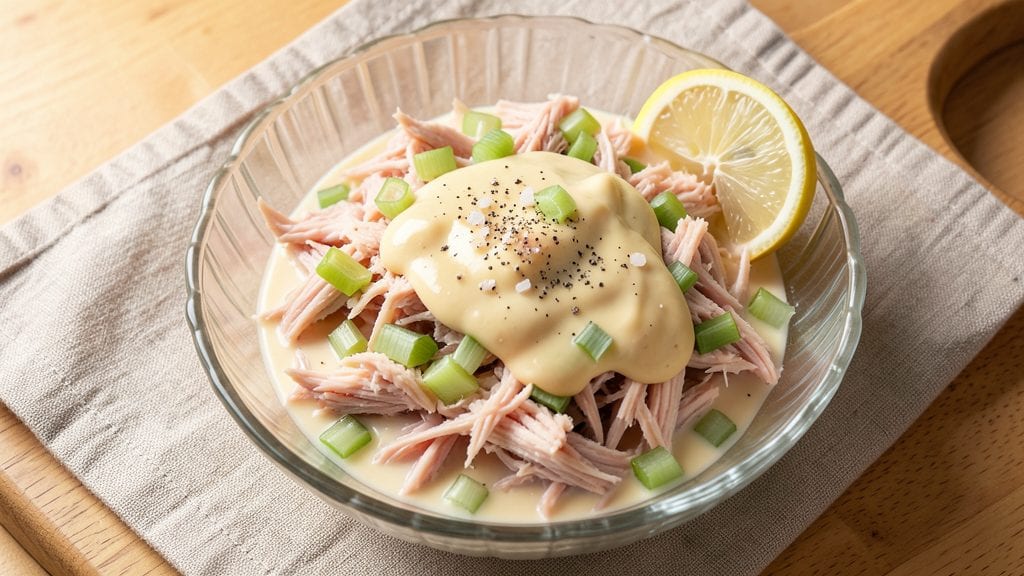
This basic tuna fish salad recipe transforms canned tuna into a creamy, crunchy masterpiece that’s perfect for sandwiches, wraps, or crackers. The secret lies in balancing tender tuna with crisp celery and a bright lemon dressing—no fancy ingredients needed.
I’ve made this version countless times for lunches, and it never fails to deliver that classic, satisfying texture.
What sets this recipe apart is the simplicity: just 5 core ingredients come together in minutes, yet the result is restaurant-quality. The celery adds fresh crunch, while the lemon juice keeps the flavors bright and balanced.
For extra flair, I often stir in a touch of Dijon mustard or fresh herbs, but the base stays foolproof—no matter how you customize it.
You’ll end up with a salad that’s creamy yet light, with a perfect mix of textures—tender tuna, crisp celery, and a smooth mayo base. The lemon zing cuts through the richness, making every bite refreshing.
This is the kind of dish that works for quick lunches, potlucks, or even as a protein-packed side for dinner.
Ready to assemble? Let’s break down the steps for a crisp, flavorful tuna salad that’s as easy as it is delicious.
Ingredients for basic tuna fish salad
Five simple ingredients make this classic tuna salad shine with crisp celery and bright lemon notes.
| Ingredient | Amount | Notes |
|---|---|---|
| Canned Tuna in Water 🐟 | 2 cans | High-quality, drained well |
| Mayonnaise 🥛 | ½ cup | Full-fat for creaminess |
| Fresh Celery Stems 🧅 | ½ cup | Finely chopped, crisp |
| Lemon Juice 🍋 | 1 tbsp | Freshly squeezed, zesty |
| Diamond Crystal Kosher Salt 🧂 | ½ tsp | Fine grain preferred |
| Freshly Ground Black Pepper 🌶️ | ¼ tsp | For balanced seasoning |
| Dijon Mustard 🍯 | 1 tsp | Optional for depth |
| Fresh Dill 🌿 | 1 tbsp | Chopped, optional garnish |
The tuna makes all the difference—Wild Planet or Starkist are my go-tos for that tender texture. Drain it well, but don’t rinse (that’s how you get dry tuna). Celery is non-negotiable for crunch—Trader Joe’s sells pre-chopped, but fresh is better if you’ve got time. I always grab a bunch and store it in the fridge for salads all week. For lemon juice, fresh is ideal, but bottled works if you’re in a pinch (just check the ingredients—no preservatives).
No mayo? Greek yogurt at half the amount keeps it light. Skip the Dijon? Yellow mustard at double still adds tang. Fresh dill is fancy, but dried dill at one-third the amount works too. The salt and pepper are where you can adjust—start with the amounts listed, then taste. The lemon juice is your secret weapon here; don’t hold back. If you’re feeling adventurous, a splash of hot sauce or a dash of smoked paprika adds a fun twist.
This keeps for 3-4 days in an airtight container, but honestly, it’s best eaten fresh. If you’re prepping ahead, store the tuna and celery separately until mixing day—they stay crunchier that way. For sandwiches, I like to press the bread lightly to avoid sogginess. Double the batch and freeze half for quick lunches later—just thaw in the fridge overnight.
Why You'll Love This Recipe
- Five-Ingredient Magic: I swear by this lineup—just tuna, mayo, celery, lemon, and salt. That’s it. No fancy gadgets, no last-minute grocery runs. Open the can, chop one stalk of celery (if you’re feeling fancy), squeeze a lemon, and mix. It’s the kind of recipe that makes me feel like I’ve earned my lunch.
- Bright & Creamy: Here’s what sold me—the lemon juice cuts through the richness of the mayo, while the celery adds that satisfying crunch. The salt? Just enough to make every bite hit right. It’s not fancy, but it’s ridiculously good, like a hug in sandwich form.
- Lunchbox Legend: Between us, this is my go-to for packed lunches—no reheating, no soggy mess. I’ll be real: my kids used to turn their noses up at it, but now they fight over who gets the last bite. Works for sandwiches, crackers, or even straight from the jar. Versatile enough to handle any day.
- Budget Win: Honestly, I make this at least once a week because it’s cheap and never lets me down. A can of tuna, a tub of mayo, and a lemon from the fridge—that’s less than $5 for enough to feed me for days. Plus, leftovers? They taste just as good tomorrow as they do today.
Step-by-step instructions for crunchy celery tuna salad
This version delivers bright, zesty flavor with perfect texture every time—no soggy celery or bland mayo here.
Drain and Flake the Tuna
Open the 2 cans of canned tuna in water and drain them thoroughly over a fine-mesh strainer or colander. I like to press down gently on the tuna with a rubber spatula to remove every last bit of liquid—this prevents a watery salad later. Transfer the drained tuna to a medium mixing bowl.
Using a fork, flake the tuna into small, even pieces. You want them to break down slightly but still maintain some texture. If you prefer chunkier tuna, use your fingers to gently separate the flakes instead of pressing too hard with the fork. The goal is to create a creamy base without turning it into paste.
Chop the Celery and Mix with Mayo
Cut the 0.5 cup of fresh celery stems into small dice—about 1/8-inch pieces. A sharp chef's knife works best for this, and I like to hold the celery steady with my non-dominant hand while chopping. Add the chopped celery to the bowl with the tuna.
Add the 0.5 cup of mayonnaise and the 1 tsp of Dijon mustard to the bowl. Using a silicone spatula, gently fold everything together until fully combined. The mustard adds subtle depth that cuts through the richness of the mayo. Don't overmix—just until the celery is evenly distributed and the tuna is lightly coated.
Season and Brighten the Salad
Add the 1 tbsp of lemon juice, 0.5 tsp of Diamond Crystal kosher salt, and 0.25 tsp of freshly ground black pepper to the bowl. The lemon juice is crucial here—it brightens the whole dish and prevents the flavors from becoming too heavy. Mix everything together until the lemon juice is fully incorporated and the salt and pepper are evenly distributed.
Taste the mixture and adjust seasoning if needed. I usually find this combination perfectly balanced, but if your tuna was particularly salty or your lemon juice was extra tart, you might want to tweak it slightly. The salad should taste fresh, slightly tangy, and well-seasoned—not bland or overly salty.
Fold in Fresh Dill and Chill
Add the 1 tbsp of chopped fresh dill to the bowl and gently fold it in with the spatula. The dill adds a bright, herbal note that complements the lemon and celery beautifully. Give it one final mix to ensure everything is evenly combined and the dill is distributed throughout.
Cover the bowl with plastic wrap and refrigerate for at least 30 minutes before serving. This chilling time allows all the flavors to meld together perfectly. The celery will stay crisp, the tuna will firm up slightly, and the lemon will brighten even more. For best results, serve within 24 hours—after that, the celery may start to soften.
Pro Tips For Making Basic Tuna Fish Salad
- Drain and Press the Tuna: Dumping drained tuna straight into the bowl leaves behind too much moisture—it’ll turn your salad into a soggy mess. Wrap the drained tuna in a clean kitchen towel or paper towels, press gently for 30 seconds to squeeze out excess water, then flake it into the bowl. (Yes, even if it feels like overkill.)
- Salt the Celery First: Fresh celery has a stubborn crunch that softens unevenly. Toss the chopped stems in ¼ teaspoon of kosher salt and let them sit for 5 minutes before mixing with the tuna—this breaks down the fibers just enough to make them tender without turning to mush. (I learned this the hard way after biting into a rock-hard stalk.)
- Mix Lemon Juice Last: Adding lemon juice too early curdles the mayo, turning your creamy base into a lumpy disaster. Stir in just 1 teaspoon at the very end—right before serving—and fold it in gently with a rubber spatula. If you’re serving it later, skip the lemon until then and add it fresh.
- Use a Fork, Not Your Hands: I used to mash everything together with my fingers, but that’s how you end up with uneven texture and broken celery strands. Use a fork to gently break up the tuna, then fold in the mayo and celery with a rubber spatula—this keeps the salad light and the celery in recognizable pieces. (Your hands will thank you, too.)
Health benefits of this recipe
Protein Powerhouse
This tuna salad packs a serious protein punch with 25-30 grams of protein per serving—that’s more than a hard-boiled egg or slice of turkey bacon! The canned tuna provides all nine essential amino acids your body needs for muscle repair and immune function.
I’ve found that wild-caught tuna delivers even more protein and omega-3s than farmed varieties. 💪
Omega-3 Benefits
Tuna is one of the best sources of omega-3 fatty acids, which support heart health by reducing inflammation and lowering triglycerides. A single serving of this salad provides about 1,000-1,500mg of omega-3s, helping maintain healthy cholesterol levels.
I always opt for light tuna in water to keep saturated fat minimal while maximizing omega-3 content.
Low-Calorie, High-Fiber
At just 200-250 calories per serving, this salad is perfect for weight management or balanced diets. The fresh celery adds 1.5 grams of fiber per serving, promoting digestion and keeping you full longer.
The lemon juice also aids digestion while adding vitamin C—just 1 tablespoon provides 7mg, which is 12% of your daily needs.
Vitamin Boost
This simple salad delivers vitamin B12 (essential for energy) and vitamin D (critical for bone health) from the tuna, plus vitamin K (for blood clotting) from the celery.
The lemon juice contributes vitamin C, which enhances iron absorption from the tuna. I often add a pinch of turmeric for extra anti-inflammatory benefits when customizing.
Heart-Healthy Fats
The mayonnaise in this recipe provides healthy fats, but if you’re watching calories, swap it for Greek yogurt to cut fat content by 50% while keeping the same creamy texture. The olive oil-based mayo I use contains monounsaturated fats, which support heart health when consumed in moderation.
A single serving of this salad contains only 3-4 grams of saturated fat.
Quick Nutrient Profile
Here’s what one serving delivers: 28g protein, 1.5g fiber, 12% vitamin C, 20% vitamin B12, and 15% vitamin D. It’s a complete meal in one bite—no need for extra sides to feel satisfied.
The lemon and celery keep it light, while the tuna provides lasting energy. Perfect for meal prep! ✨
Nutrition facts
Frequently asked questions
Can I use tuna in oil instead of water?
Yes, but you'll need to drain it extra well since oil-based tuna contains more fat. For every can of oil-packed tuna, reduce the mayo by 1 tablespoon to maintain balance. The salad will be slightly richer, so use this variation if you prefer a more decadent texture.
How do I keep the celery from getting soggy?
Prevent soggy celery by storing it separately from the tuna until ready to mix. Also, chop it just before combining with other ingredients and avoid overmixing. For extra crunch, add celery right before serving instead of pre-mixing.
What are good alternatives to mayo?
For a lighter version, use Greek yogurt (½ cup) or avocado (½ mashed) instead of mayo. Vegan options include vegan mayo or blended silken tofu. Each alternative changes the texture slightly but keeps the salad creamy.
Can I make this ahead of time?
Yes, but store the tuna and celery separately in the fridge for up to 2 days. Mix just before serving to preserve texture. For longer storage, freeze the mixed salad (without celery) for up to 3 months, then thaw and add fresh celery when ready to eat.
What's the best way to serve this salad?
Try it in toasted bread, lettuce wraps, or with crackers for a quick snack. For a heartier meal, pile it on a bed of greens or serve with whole-grain bread. It's also perfect as a filling for tacos or a topping for baked potatoes.