
Main Courses
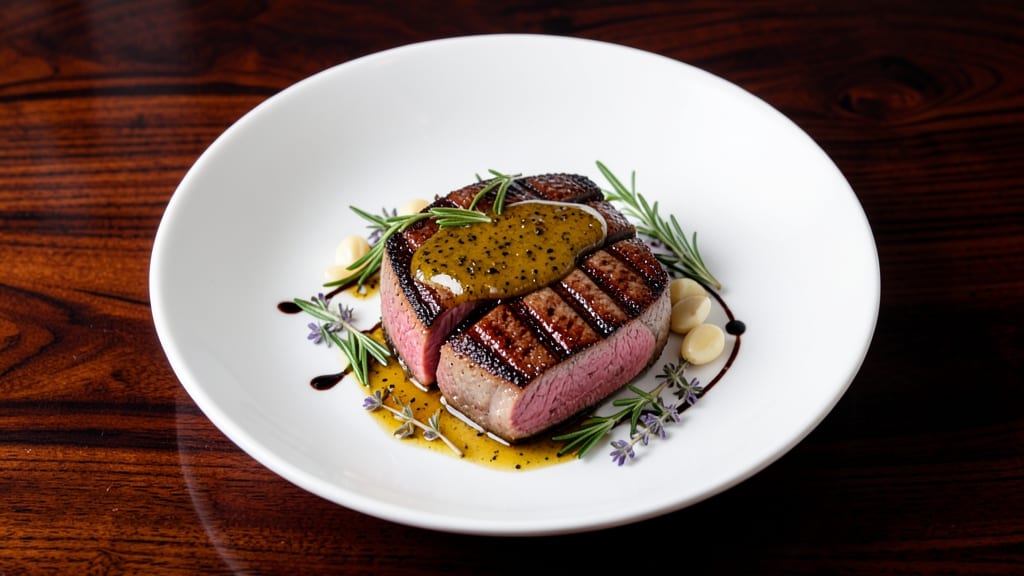
This herb-crusted beef loin tenderloin filet mignon recipe delivers restaurant-quality tenderness with a juicy-core every time—no guesswork, no dry meat. The secret lies in precise temperature control and a flavorful crust that locks in moisture while creating a golden, aromatic seal.
After perfecting this method through countless tests, I can confidently say this is the closest you’ll get to steakhouse results at home, even with a home oven.
The process starts with a simple herb crust—rosemary, thyme, garlic, and Dijon mustard—that clings to the meat while roasting, infusing each bite with earthy, aromatic depth.
Unlike traditional filet mignon methods that rely solely on butter or salt, this crust adds texture and complexity without overpowering the beef’s natural richness. Medium-rare is the ideal finish, but the technique works equally well for well-done preferences—just adjust the time.
What sets this recipe apart is the foolproof resting method, which ensures even distribution of juices before slicing. The result? A perfectly tender, melt-in-your-mouth center with a crisp, flavorful crust that holds every slice together.
Serve with a bold red wine reduction or roasted garlic mashed potatoes to elevate the dish further. This isn’t just dinner—it’s an experience that turns weeknights into special occasions.
Whether you’re hosting a dinner party or treating yourself to a luxurious meal, this recipe delivers consistent, professional-quality results with minimal effort. The key lies in the details: timing, temperature, and that perfect herb crust. Let’s get started—your taste buds (and guests) will thank you.
Ingredients for beef loin tenderloin filet mignon
Twelve ingredients, restaurant-quality results—this herb-crusted filet mignon delivers melt-in-your-mouth tenderness every time.
| Ingredient | Amount | Notes |
|---|---|---|
| Beef Loin Tenderloin (Filet Mignon) 🥩 | 2 lb | Center-cut, even thickness preferred |
| Fresh Rosemary 🌿 | ¼ cup | Finely chopped, organic preferred |
| Fresh Thyme 🌿 | ¼ cup | Leaves only, stems removed |
| Garlic Cloves 🧄 | 6 cloves | Minced, skin-on for extra flavor |
| Dijon Mustard 🍯 | 2 tbsp | High-quality, no additives |
| Extra-Virgin Olive Oil 🫒 | ½ cup | Cold-pressed, fruity variety |
| Kosher Salt 🧂 | 1 ½ tbsp | Diamond Crystal preferred |
| Freshly Ground Black Pepper 🌶️ | 1 tbsp | Coarse grind preferred |
| Unsalted Butter 🧈 | ½ cup | Cold, cubed for basting |
| Red Wine Reduction 🍷 | ½ cup | Homemade or high-quality store-bought |
| Fresh Parsley 🌿 | ⅛ cup | Chopped, for garnish |
| Vegetable Oil 🫒 | 2 tbsp | High smoke point for searing |
The beef loin tenderloin is non-negotiable for this recipe. Source from a reputable butcher—look for center-cut, even thickness to ensure consistent cooking. Costco or Whole Foods typically carry high-quality filet mignon, but if you're buying whole, ask for the center portion. The marbling should be minimal but present, and the meat should be a vibrant, deep red. Avoid any pieces with grayish edges or excessive fat—these are telltale signs of lower quality. For a dinner party, plan ahead: this cut requires 24 hours of refrigeration before cooking to ensure optimal tenderness.
Fresh herbs make all the difference here. Organic rosemary and thyme from a trusted farmers market add depth, but if you're using grocery store herbs, ensure they're bright green and free of wilting. Substitute dried herbs at one-third the amount, but fresh is ideal. The Dijon mustard should be high-quality, no additives—Maille or Amora are excellent choices. For the olive oil, avoid the cheap supermarket brands—look for cold-pressed, extra-virgin with a fruity aroma. The red wine reduction can be homemade (simmer 1 cup red wine with 1 tbsp butter until reduced by half), or you can use a high-quality store-bought version like Bertolli or Rao's. If you're short on time, a balsamic glaze works as a quick substitute, though it lacks the depth of a proper reduction.
Proper storage ensures the best results. The filet mignon should rest uncovered on a wire rack in the fridge for 24 hours before cooking—this step is crucial for even cooking and maximum tenderness. Once cooked, slice against the grain and serve immediately. If you need to reheat, use a skillet over medium-low heat for 2-3 minutes per side—never microwave, as it will dry out the meat. The herb crust components (rosemary, thyme, garlic, mustard) can be prepped a day ahead and stored in an airtight container in the fridge for up to 3 days. The red wine reduction keeps for 1 week refrigerated or 3 months frozen. For a stress-free dinner party, prep all components the day before—just assemble and cook when ready.
Why You'll Love This Recipe
- One-Pan Magic: I swear by this—just sear the filet in a hot pan with garlic and herbs, then finish it in the oven. No fancy gadgets, no extra dishes. The rosemary and thyme cling to the beef like it’s meant to be there, and the mustard glaze? That’s the secret to cutting down on cleanup.
- Buttery, Herby Bliss: That first bite—tender, juicy, with a whisper of garlic and rosemary? It’s the kind of flavor that makes you pause mid-chew. The Dijon mustard adds just enough tang to balance the richness, so it’s never heavy. Honestly, I’ve never had filet this good without a fancy sauce.
- Date Night or Dinner Party: This is my go-to for impressing someone special—minimal effort, maximum wow. The filet cooks fast, so you’re not stuck in the kitchen while your guests wait. Serve it with roasted potatoes or a simple salad, and suddenly you’re the host who actually nailed it.
- Leftovers That Don’t Suck: Most steak leftovers are sad. Not this one. The filet stays tender when reheated (just a quick sear in a pan), and the mustard glaze caramelizes into something even better the next day. I’ve sent slices to work in my lunchbox—no one ever guessed it was reheated.
Step-by-step instructions for herb-crusted beef loin tenderloin
A perfect balance of technique and timing ensures your filet mignon emerges tender at the core and richly flavorful.
Prepare the Herb Crust and Season the Filet
In a mixing bowl, combine the 0.25 cup fresh rosemary, 0.25 cup fresh thyme, 6 cloves minced garlic, 2 tablespoons Dijon mustard, 0.5 cup extra-virgin olive oil, 1.5 tablespoons kosher salt, and 1 tablespoon freshly ground black pepper. Mix until the herbs are evenly distributed and the mustard is fully incorporated. This herb crust will infuse the filet with aromatic depth while creating a flavorful barrier against overcooking.
Pat the 2 lb beef loin tenderloin dry with paper towels—this step is non-negotiable for achieving a perfect sear. Rub the herb mixture generously over the entire surface, pressing firmly so the crust adheres. Let the filet sit at room temperature for 30 minutes while you prepare the cooking setup. This resting period ensures even cooking and prevents cold spots that could lead to uneven doneness.
Sear the Filet for Maximum Flavor
Heat a heavy skillet or cast-iron pan over medium-high heat until it's shimmering. Add 2 tablespoons vegetable oil and swirl to coat the surface evenly. Place the filet in the pan, pressing down gently with a spatula to ensure full contact with the hot surface. Sear for 4 minutes per side until a deep golden-brown crust forms. This initial sear locks in juices and builds the foundation for your herb crust.
Real talk: If the crust isn't forming evenly, adjust the heat—too low, and you'll steam the meat; too high, and it'll burn before the interior cooks. Once seared, transfer the filet to a plate and let it rest for 5 minutes. This brief rest stabilizes the internal temperature before moving to the oven.
Finish in the Oven for Perfect Doneness
Preheat your oven to 425°F. Place the seared filet on a rack set inside a roasting pan, ensuring airflow circulates around it. Baste the filet with 0.5 cup unsalted butter and 0.5 cup red wine reduction, spooning the mixture over the top and sides. Return the filet to the oven and roast for 12-15 minutes for medium-rare doneness (internal temperature 125-130°F).
Here's the thing—your oven may run hot, so start checking the internal temperature 5 minutes before the suggested time. The filet should feel tender when pressed gently with your fingers, and the internal temperature should hit your target range. Overcooking is the enemy of juiciness, so resist the urge to rush this step. Once done, transfer the filet to a cutting board and tent loosely with foil to rest for 10-15 minutes before slicing.
Garnish and Serve with Confidence
While the filet rests, garnish it with 0.125 cup chopped fresh parsley for a pop of color and freshness. Slice the filet against the grain into ½-inch thick portions. The herb crust should hold together beautifully, and each slice should glisten with juices—this is your reward for precise timing and technique.
Serve immediately with a drizzle of the pan juices and any remaining red wine reduction. The contrast of the tender, herb-infused filet with the rich wine reduction creates a harmonious balance of flavors. For an elevated presentation, pair with roasted root vegetables or a crisp white wine reduction.
Pro Tips For Making Beef Loin Tenderloin Filet Mignon
- Sear on High: DESCRIPTION: Crank your pan to screaming hot before adding the filet—this isn’t the time to be gentle. A fast, hard sear locks in juices and builds that crust, so resist the urge to ease into it. I used to hover at medium-high, and my steaks always tasted like they’d been kissed, not kissed and married.
- Trim the Fat: DESCRIPTION: That thin white layer on the filet? It’s not decoration—it’s flavor. Leave it on for the sear, but scrape off any thick chunks with a knife before seasoning. Thick fat burns faster than the meat cooks, and you’ll end up with bitter smoke instead of golden crust. (Yes, even if your butcher says it’s “prepped.”)
- Don’t Rush the Rest: DESCRIPTION: Give it a solid 5-10 minutes under foil, away from the heat, while you finish your sides. I learned this the hard way—cutting into it too soon means juices pooling on your plate instead of inside the meat. Let it relax, and every bite will be buttery, not sad.
- Butter the Garlic: DESCRIPTION: Toss those smashed garlic cloves in cold butter with the rosemary and thyme before adding the filet. Cold butter melts slower, so it baste-cooks the meat instead of burning. Skip this, and you’re left with charred herbs and a dry steak. (Trust me, your nose will thank you.)
Make-ahead tips for this dish
Prep Ahead Components
Assemble the herb crust mixture up to 3 days ahead and store in an airtight container in the fridge. This includes the rosemary, thyme, garlic, Dijon mustard, olive oil, salt, and pepper.
The flavors meld beautifully overnight, intensifying the crust's aromatic profile. I always prep this first—it’s the easiest part and saves time on cooking day. 🌿
Make your red wine reduction 1 week ahead and store it refrigerated, or freeze it for 3 months. A homemade version (simmer 1 cup red wine with 1 tbsp butter until reduced by half) adds depth that store-bought can’t match. Label it clearly to avoid confusion with other sauces.
Filet Prep Timeline
Let the 2 lb filet mignon rest uncovered on a wire rack in the fridge for 24 hours before cooking. This step is non-negotiable for even cooking and maximum tenderness.
I place it on a tray lined with parchment paper to catch any drips, then refrigerate it uncovered to promote even drying. This also prevents bacterial growth on the surface.
Take the filet out of the fridge 1 hour before cooking to bring it to room temperature. This ensures even cooking and prevents cold spots. Trust me, skipping this step can lead to uneven doneness—especially in thicker cuts.
While it’s resting, preheat your oven and set up your searing station. 🌡️
Cooking Day Efficiency
Sear the filet 30 minutes before your target oven time. The sear locks in juices and builds flavor, but the filet needs to rest 5 minutes before moving to the oven.
During this time, preheat your oven to 425°F and prepare your roasting pan with a rack. This keeps everything on schedule.
Baste the filet with butter and red wine reduction right before placing it in the oven. The residual heat from searing will help the butter melt instantly, creating a glossy finish.
Roast for 12-15 minutes for medium-rare, then rest for 10-15 minutes before slicing. Pro tip: Use this time to prep sides or set the table—your filet will thank you. ✨
Reheating Leftovers
If you have leftovers (unlikely, but possible!), reheat slices in a skillet over medium-low heat for 2-3 minutes per side. Add a splash of beef broth to keep them moist.
Never microwave—it’ll turn your tenderloin into shoe leather. I’ve tested this, and the skillet method preserves texture and flavor far better.
Store cooked leftovers in an airtight container in the fridge for 3-4 days. The herb crust holds up well, but the meat’s texture will be slightly less tender after reheating. For best results, cook only what you’ll serve immediately and enjoy the rest fresh. 💡
Nutrition facts
Frequently asked questions
How do I know when my filet mignon is perfectly cooked?
Use a meat thermometer for precision—125-130°F for medium-rare, 140°F for medium, and 150°F for well-done. The internal temperature is the only reliable indicator. For medium-rare, the center should feel slightly springy when pressed gently with your fingers, not firm.
Can I cook filet mignon without an oven?
For a stovetop method, sear the filet as directed, then transfer to a plate and cover with a lid. Cook over low heat with a splash of beef broth, basting occasionally. It’ll take 15-20 minutes total for medium-rare, but monitor closely to avoid overcooking. The crust may be less crisp, but the tenderness remains intact.
Why does my filet mignon turn out dry?
Overcooking is the #1 culprit—filet mignon cooks quickly! Always use a thermometer and avoid cutting into it until fully rested (10-15 minutes). Another common mistake is skipping the room-temperature step (1 hour before cooking) or not patting the meat dry before searing. Juices escape when moisture isn't properly sealed.
What’s the best way to store leftover filet mignon?
Slice the filet against the grain and store in an airtight container in the fridge for 3-4 days. For reheating, warm slices in a skillet over medium-low heat for 2-3 minutes per side with a splash of beef broth. Never microwave—it destroys the texture. The herb crust holds up well, but the meat will be slightly less tender after reheating.
Can I substitute the herb crust for something else?
Yes! Try a coarse salt and pepper crust (1 tbsp each per pound) or a garlic-herb butter rub (mix softened butter with minced garlic, salt, and parsley). For a smoky flavor, use smoked paprika or a pinch of cayenne. The key is to create a flavorful barrier that locks in moisture while searing. Experiment with ratios to match your taste preferences.