
Desserts
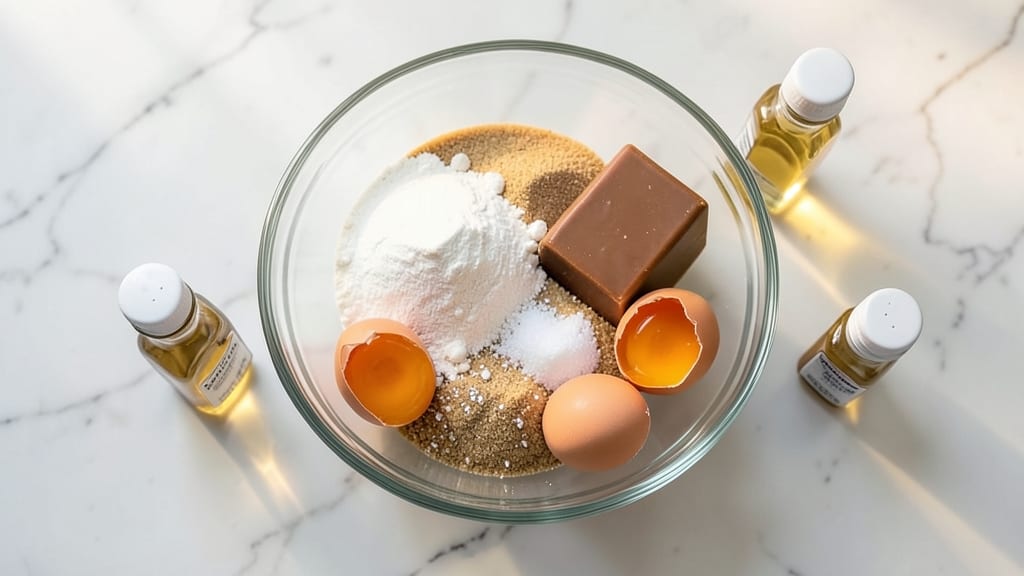
Betty Crocker sugar cookies made with shortening deliver that classic pillowy texture and golden color we all love—without the fuss of butter. The secret lies in the shortening, which creates tender, melt-in-your-mouth cookies that stay fresh for days.
I’ve perfected this recipe over years of baking, ensuring every batch turns out just right with minimal effort.
This recipe delivers foolproof results in just 15 minutes of active prep, followed by baking time. The dough is simple to handle, rolls out smoothly, and cuts into perfect shapes—whether you’re making festive holiday cookies or everyday treats.
Shortening keeps them soft longer, while a touch of vanilla and almond extract adds that nostalgic flavor we associate with classic sugar cookies.
By the time they emerge from the oven, you’ll have cookies with crisp edges and a tender center, dusted with that signature powdered sugar finish. The aroma alone will have everyone heading to the kitchen, and the texture?
Pure comfort in every bite. Whether you’re decorating them for a party or keeping them simple, this recipe never disappoints.
Use these cookies for holiday gifts, bake sales, or just because—no one will guess they’re made with a no-fuss method. The dough can be chilled for easier rolling, and leftovers stay fresh for days. Let’s get baking!
Ingredients for betty crocker sugar cookie recipe with shortening
Pantry staples and one key trick—shortening—make these golden, pillowy sugar cookies perfect every time.
| Ingredient | Amount | Notes |
|---|---|---|
| All-Purpose Flour 🌾 | 3 ½ cups | Sifted for light texture |
| Granulated Sugar 🍚 | 1 ½ cups | White sugar preferred |
| Vegetable Shortening 🧈 | 1 cup | Crisco or similar brand |
| Large Eggs 🥚 | 2 whole | Room temperature for mixing |
| Pure Vanilla Extract 🌿 | 2 tsp | High-quality, not imitation |
| Almond Extract 🌰 | ½ tsp | For classic nostalgic flavor |
| Powdered Sugar 🍚 | 1 cup | For dusting, sifted |
| Baking Powder 🧂 | 2 tsp | Freshly measured |
| Salt 🧂 | ½ tsp | Fine sea salt preferred |
| Milk 🥛 | ½ cup | Whole milk for richness |
| Unsalted Butter 🧈 | ¼ cup | Cold, cubed for rolling |
The shortening is non-negotiable here. Crisco or Country Crock are the gold standards—no butter substitutes. Grab the 16-ounce tub from the baking aisle (usually near the flour). If you're using butter instead, add 1 tablespoon cold butter per cup of shortening, but these cookies won’t be quite as tender. The almond extract? Gourmet Gift Baskets sells the best, but any pure extract works. Sift your flour and powdered sugar together first—saves time later and keeps the texture light. The milk should be cold, not room temp, to prevent the dough from getting too soft.
No vanilla extract? Vanilla sugar or 1 teaspoon vanilla powder works in a pinch, but you’ll miss that depth. Short on almond extract? Skip it or use 1/4 teaspoon almond flavoring, but the flavor won’t be the same. The butter is just for rolling—don’t skip it, but don’t overwork the dough either. If your dough cracks while rolling, chill it for 10 minutes first. For a festive touch, add 1 teaspoon lemon zest to the dough, or swap half the milk for orange juice for a citrusy twist. The powdered sugar? Confectioners’ sugar is best—avoid the super-fine kind meant for baking cakes.
Dough keeps 2 days wrapped in plastic in the fridge, or 3 months frozen between parchment paper. For easier rolling, chill the dough for 30 minutes before shaping. Cookies stay soft for 5 days in an airtight container, or freeze baked cookies for 1 month. I like to portion the dough into 1-ounce balls ahead of time—just roll them in powdered sugar and freeze on a tray before storing in bags. Perfect for last-minute baking!
Why You'll Love This Recipe
- No Mixer Needed: I swear by this dough—just fork it, pat it, roll it. The shortening keeps it tender without requiring a stand mixer, and honestly? My kitchen stays cooler (and quieter) when I skip the electric mess.
- Vanilla-Packed Crunch: That pure vanilla extract and sugar combo? It’s not just sweet—it’s rich. The cookies stay crisp at the edges but soft in the middle, and the shortening gives them that melt-in-your-mouth texture I can’t resist.
- Holiday or Snack Attack: Between us, I make these year-round. Frost them for Christmas, leave them plain for a quick breakfast, or pack them in lunchboxes. My kids ask for them even when I’m not baking—that’s the real test.
- Pantry Staples Only: Flour, sugar, shortening—you’re probably already stocked. No weird ingredients, no last-minute grocery runs. And the dough keeps for days, so I can bake a batch, freeze half, and still have cookies when I’m too tired to turn on the oven.
Step-by-step instructions for Betty Crocker sugar cookies with shortening
Here's how to make these classic sugar cookies with the perfect balance of crisp edges and soft centers.
Mix Dry Ingredients for Light Texture
In a large mixing bowl, combine the 3.5 cups all-purpose flour, 2 teaspoons baking powder, and 0.5 teaspoon salt. I like to use a whisk for this step to ensure everything is evenly distributed. Sift the flour first if you have a sifter—this prevents lumps and gives you that light, airy texture we're after.
Next, add the 1.5 cups granulated sugar to the dry ingredients. Give it a quick stir with a spoon or your fingers to break up any sugar crystals that might be clumping together. The reason we add the sugar now is that it helps create that classic sugar cookie flavor while also contributing to the cookie's structure. Don't worry if you see some flour streaks—they'll disappear when we add the wet ingredients.
Cut in the Shortening for Flaky Layers
Add the 1 cup vegetable shortening to the dry ingredients. I always use my fingers for this part—it's the best way to create those tiny, flaky layers that make these cookies so tender. Rub the shortening between your fingers until it's completely incorporated and you see small pea-sized pieces distributed throughout the mixture.
Here's the thing—don't overmix. We're looking for a crumbly texture that resembles coarse sand. If it starts to look like wet sand, you've gone too far. This step is crucial because it creates the signature texture that sets these cookies apart from others. The shortening provides that melt-in-your-mouth quality while keeping the cookies from spreading too much in the oven.
Add Wet Ingredients and Form the Dough
In a separate bowl, whisk together the 2 whole large eggs, 0.5 cup milk, 2 teaspoons pure vanilla extract, and 0.5 teaspoon almond extract. The eggs should be at room temperature—this helps them incorporate more smoothly into the dough. Pour this wet mixture into the dry ingredients and stir gently until everything comes together.
At this point, you'll need to use your hands. Knead the dough on a lightly floured surface for about 2-3 minutes until it's smooth and pliable. If it's too sticky, add a little more flour—just 1 tablespoon at a time—until it holds together without being gummy. The dough should be soft but not sticky when you're done. Wrap it in plastic wrap and refrigerate for at least 1 hour (or up to 24 hours) to firm up.
Roll and Cut the Cookies
Preheat your oven to 375°F while the dough is chilling. Once the dough is firm, roll it out on a lightly floured surface to about 1/4-inch thickness. I use a rolling pin, but I've also found that a wine bottle works in a pinch. The goal is even thickness—this ensures your cookies bake uniformly.
Use a cookie cutter or a round glass to cut out shapes. Dip your cutter in flour between uses to prevent sticking. Place the cutouts on ungreased baking sheets, spacing them about 1 inch apart. The dough will spread slightly during baking, but not too much—this is where the shortening really earns its keep. You should get about 24 cookies from this dough, depending on your cutter size.
Bake to Golden Perfection
Bake the cookies for 8-10 minutes until the edges are light golden brown. They'll look slightly underdone when you take them out—this is normal. The cookies continue cooking on the baking sheet as they cool. Let them rest on the sheet for 5 minutes before transferring to a wire rack to cool completely.
Once cooled, dust the tops with the 1 cup powdered sugar using a fine-mesh sieve. I like to do this right before serving so the sugar stays fresh and fluffy. These cookies are best enjoyed fresh from the oven, but they'll keep in an airtight container for up to 5 days. The combination of shortening and the proper baking time gives you that perfect balance of crisp edges and soft, pillowy centers that everyone loves.
Pro Tips For Making Betty Crocker Sugar Cookie Recipe With Shortening
- Chill the Dough: I learned this the hard way—skipping the fridge makes for flat, sad cookies. Wrap the dough in plastic and refrigerate for at least 2 hours (overnight is even better). The shortening needs time to firm up, or your cookies will spread like pancakes on a griddle.
- Measure Shortening Right: Pack that vegetable shortening into your measuring cup like you’re stuffing a Thanksgiving turkey. It’s denser than butter, and scooping it loose gives you less dough than you think. Tap the cup firmly on the counter to settle it before leveling.
- Rotate the Pan: Your oven’s hot spots are real, and they’ll burn one side of your cookies while leaving the other doughy. After 8 minutes, spin the baking sheet 180 degrees—yes, even if it looks uneven. This isn’t just a suggestion; it’s the difference between perfect cookies and a science experiment.
- Use Cold Eggs: Grab those eggs straight from the fridge—no room-temperature nonsense. Cold eggs create more structure in the dough, and your cookies will hold their shape better. Just crack them gently into a bowl first (because nobody wants egg shells in their batter).
Storing and reheating your betty crocker sugar cookie recipe with shortening
Refrigerator Storage
Store your freshly baked sugar cookies in an airtight container lined with parchment paper to prevent sticking. Keep them at room temperature for up to 5 days—the shortening helps maintain their soft texture longer than butter-based cookies.
I like to portion them into small containers (like Rubbermaid snack containers) for easy grab-and-go treats. 💫
Freezer Prep
For long-term storage, portion the dough into 1-ounce balls (about 1 tablespoon each) and freeze them on a tray lined with parchment paper for 1 hour. Once solid, transfer to a freezer bag with parchment between layers to prevent sticking.
Thaw at room temperature for 30 minutes before baking—no need to defrost fully. These frozen dough balls keep for 3 months without losing texture. ❄️
Baked Cookie Freezing
Baked cookies freeze beautifully too! Cool them completely, then place in a single layer on a tray before transferring to a freezer bag. Label with the date—they’ll stay fresh for 1 month.
To reheat, pop them in the oven at 300°F for 3-5 minutes to restore that fresh-out-of-the-oven warmth. I do this when I need a quick dessert fix. 🔥
Reviving Stale Cookies
If your cookies lose their softness, revive them by wrapping individually in damp paper towels and microwaving for 10-15 seconds. For a stovetop method, place them on a baking sheet and warm in a 350°F oven for 2-3 minutes.
The shortening helps them bounce back better than butter cookies. This trick works for any sugar cookie recipe! 💡
Decorating Prep
If you plan to decorate, store unbaked cookies in the freezer (as above) and bake them fresh when ready. For decorated cookies, let them cool completely before storing in an airtight container with parchment between layers to prevent frosting from sticking.
They’ll keep for 3 days at room temperature or 1 month in the freezer. 🎨
Make-Ahead Dough
The dough itself keeps for 2 days in the fridge, wrapped tightly in plastic. For easier rolling, chill it for 30 minutes before shaping. I often prep dough the night before—it’s one less thing to do the next day.
The flavor actually deepens after chilling, making the cookies even more delicious. 💛
Nutrition facts
Frequently asked questions
Why does this recipe use shortening instead of butter?
Shortening creates a tender, pillowy texture that stays soft longer than butter-based cookies. It also prevents excessive spreading, giving you that classic sugar cookie shape with crisp edges and a soft center. The fat content in shortening keeps cookies fresh for days without turning greasy.
Can I substitute butter for the shortening?
You can, but expect slightly different results. Use 1 cup butter (softened) instead of shortening, but reduce milk to 3 tablespoons to balance moisture. Butter cookies will have more flavor but may spread more and stay softer for a shorter time. For the classic Betty Crocker texture, stick with shortening.
How do I prevent my cookies from cracking while rolling?
Chill the dough for 30 minutes before rolling, and keep your work surface cold (place a damp towel underneath). Use a light dusting of flour between dough layers, and avoid overworking the dough. If cracks appear, gently press them back together with your fingers. Cold dough rolls out more smoothly.
What’s the best way to decorate these cookies?
Let cookies cool completely before decorating. Use a powdered sugar glaze (1 cup powdered sugar + 1-2 tbsp milk) or royal icing (powdered sugar + meringue powder + water). For festive touches, add sprinkles while the glaze is still wet. Store decorated cookies in an airtight container with parchment between layers to prevent sticking.
Why do my cookies turn out flat instead of thick?
Overbaking or overworking the dough are the most common causes. Bake for 8-10 minutes at 375°F—they’ll firm up as they cool. Also, ensure your dough isn’t too warm before rolling (chill it if needed). If the dough spreads too much, it may be too soft—add 1 tbsp more flour during mixing.