Soups & Stews
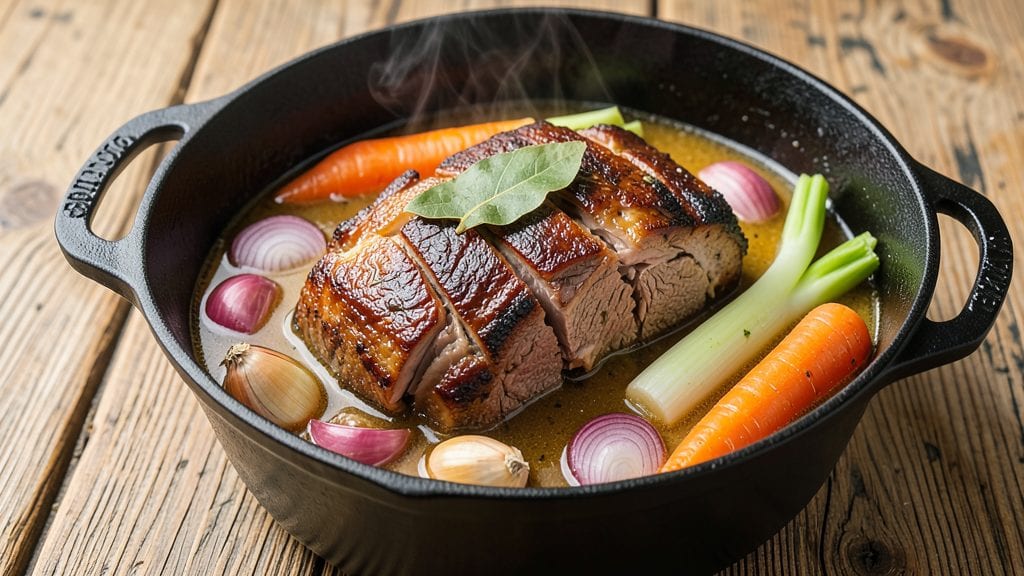
Mastering this boiled beef brisket recipe turns tough cuts into tender, fall-apart perfection through slow simmering—an art that transforms any meal. This boiled beef brisket recipe delivers restaurant-quality tenderness with minimal effort—just 3 hours of hands-off cooking time.
The secret lies in proper preparation and maintaining a steady simmer, which breaks down connective tissue into rich, flavorful gelatin that transforms the meat.
What sets this recipe apart is its ability to create a deeply flavorful broth while tenderizing the beef perfectly. You'll start with a well-seasoned brisket, then slow-cook it in a flavorful liquid that infuses every bite.
The result is succulent, fork-tender beef that practically falls apart, perfect for sandwiches, tacos, or serving with classic sides like mashed potatoes and roasted vegetables.
By the end of the cooking process, you'll have beef so tender it requires no additional cooking—just slice and serve. The broth reduces to a rich, velvety consistency that's ideal for making gravy or serving alongside the meat.
This method ensures you'll have perfectly cooked brisket every time, with minimal effort and maximum flavor.
The beauty of this recipe is its versatility—use the beef in sandwiches, tacos, or salads, and the broth for gravy or soups. It's a complete meal solution that delivers professional-quality results at home. Let's get started on creating your own slow-simmered masterpiece.
Ingredients for boiled beef brisket
Sixteen essential ingredients transform tough brisket into velvety, fall-apart perfection through slow-simmered alchemy.
| Ingredient | Amount | Notes |
|---|---|---|
| Beef Brisket 🥩 | 4 lb | Whole packer cut, trimmed of excess fat |
| Yellow Onions 🧅 | 2 whole | Medium size, peeled and quartered |
| Carrots 🥕 | 4 whole | Medium size, peeled and halved lengthwise |
| Celery Stalks 🥬 | 4 whole | Medium size, cut into 2-inch pieces |
| Garlic Cloves 🧄 | 6 cloves | Peeled, lightly smashed |
| Bay Leaves 🌿 | 4 whole | Dried, standard size |
| Black Peppercorns 🌶️ | 1 tbsp | Freshly cracked |
| Kosher Salt 🧂 | 1 ½ tbsp | Diamond Crystal preferred |
| Beef Broth 💧 | 4 cups | Low-sodium, homemade or high-quality |
| Red Wine 🍷 | 1 cup | Dry, bold variety like Cabernet Sauvignon |
| Tomato Paste 🍅 | 2 tbsp | Smooth, unsweetened |
| Fresh Thyme 🌿 | ½ cup | Stems removed, chopped |
| Fresh Parsley 🌿 | ¼ cup | Chopped, for garnish |
The brisket selection is non-negotiable—packer-cut whole briskets from Costco or local butchers deliver superior marbling and texture. Trim excess fat to one-quarter inch thickness to prevent greasy broth while preserving flavor. For the aromatics, Whole Foods or Trader Joe's carry pre-cut mirepoix mixes, but fresh is always better. The red wine should be dry and bold—Cabernet Sauvignon or Merlot—never sweet varieties. San Marzano tomatoes elevate the tomato paste, though standard brands work in a pinch. Fresh thyme and parsley from the grocery store's refrigerated section stay vibrant longer than dried alternatives.
No red wine? Beef broth with a splash of balsamic vinegar replicates depth without altering flavor profiles. Substitute dried thyme at one-third the amount if fresh isn't available, but the texture won't match. Onion powder or garlic powder can replace fresh aromatics, though freshly cracked peppercorns are superior to pre-ground. For the brisket, chuck roast works in emergencies, but it lacks the gelatinous richness of brisket. Pre-cut vegetables save time—just ensure they're fresh, not frozen, for optimal flavor infusion. The tomato paste can be thinned with water if needed, but homemade broth is worth the extra effort for depth.
Store cooked brisket in airtight containers with some of its broth for up to 5 days in the refrigerator. For longer storage, freeze portions in vacuum-sealed bags for 3 months. The broth reduces beautifully into a rich gravy—simply strain and reduce on the stove. Reheat gently to preserve texture, and garnish with fresh parsley just before serving. Leftovers make exceptional sandwich fillings or taco toppings, with the broth repurposed into soups or sauces. Always cool quickly to maintain safety and tenderness.
Why You'll Love This Recipe
- One-Pot Simplicity: Honestly, I love how this comes together—just toss the brisket, onions, carrots, and celery into a pot with water, garlic, and spices. No chopping like a fine-diner, no fancy techniques—just throw it all in and let it simmer. (Yes, even on a Tuesday night.)
- Deep, Savory Magic: That slow-boiled brisket? It’s ridiculously tender with a flavor so rich it’ll make you forget takeout exists. The onions caramelize just enough, the garlic infuses the broth, and the carrots stay crisp—like a cozy hug in a bowl.
- Leftovers That Shine: Between us, this recipe is my secret weapon for meal prep. The brisket stays juicy for days, and I repurpose it into sandwiches, tacos, or even a quick stew. No sad, dry leftovers here—just flavor that keeps giving.
- Budget-Friendly Feast: A whole brisket feeds a crowd for less than half the cost of individual cuts. Plus, the veggies stretch the meal further, making it my go-to for potlucks or when I’m cooking for family. Solid, reliable, and always a hit.
Step-by-step instructions for boiled beef brisket
This method transforms tough brisket into fork-tender perfection through precise timing and flavor infusion.
Prepare the Brisket and Aromatics
Begin by trimming any excess fat from the 4 lb beef brisket, leaving about ¼ inch of fat cap for moisture during cooking. Place the brisket in a large Dutch oven or heavy pot, fat-side up. This positioning ensures the fat renders into the liquid, enriching the broth.
In a separate bowl, combine the 2 whole yellow onions (peeled and quartered), 4 whole carrots (peeled and halved), and 4 whole celery stalks (cut into 2-inch pieces). Add the 6 cloves garlic (peeled and lightly smashed), 4 whole bay leaves, 1 tbsp cracked black peppercorns, and 1.5 tbsp kosher salt. Toss everything gently to distribute the seasoning evenly. This aromatic bundle forms the flavor base for the brisket.
Sear the Brisket for Depth of Flavor
Heat the Dutch oven over medium-high heat until it's very hot. Add the brisket fat-side down and sear for 4-5 minutes, pressing gently with a spatula to ensure even contact. Flip and sear the other side for another 4-5 minutes. This step develops a rich crust and releases surface moisture, preventing the meat from drying out during the long simmer.
Remove the brisket and set it aside. Add the prepared aromatics to the Dutch oven and cook for 2-3 minutes, stirring occasionally, until the vegetables begin to soften and release their natural juices. This step intensifies their flavors, which will infuse into the brisket during cooking.
Build the Braising Liquid
Pour in the 4 cups beef broth, scraping up any browned bits from the bottom of the pot. These bits, known as fond, are packed with flavor. Add the 1 cup red wine and stir to combine. Bring the liquid to a gentle simmer over medium heat, then reduce heat to low to maintain a bare simmer.
In a small bowl, mix the 2 tbsp tomato paste with 1 cup of the hot broth to create a smooth paste. Stir this mixture into the pot and return to a simmer. The tomato paste adds depth and helps thicken the cooking liquid slightly, creating a richer sauce. Add the 0.5 cup chopped fresh thyme and stir to distribute evenly.
Simmer the Brisket to Tenderness
Return the brisket to the pot, fat-side up, and cover with a tight-fitting lid. Simmer gently for 3 hours, then check the internal temperature using a meat thermometer. The brisket is ready when it reaches 195-200°F, at which point it should be fork-tender. If it hasn't reached this temperature, continue simmering, adding a splash of hot water if necessary to maintain liquid levels.
During the last 30 minutes of cooking, skim any excess fat that rises to the surface. This step prevents the sauce from becoming greasy while preserving the brisket's natural juices. The brisket should have a deep, rich aroma and the cooking liquid should be infused with complex flavors from the aromatics and wine.
Rest and Serve
Once the brisket reaches the desired temperature, remove it from the pot and transfer to a cutting board. Tent loosely with aluminum foil and let it rest for at least 30 minutes. This resting period allows the juices to redistribute throughout the meat, ensuring each slice is moist and flavorful.
While the brisket rests, skim any remaining fat from the cooking liquid and reduce the sauce over high heat until it reaches your desired consistency. Stir in the 0.25 cup chopped fresh parsley just before serving. To serve, slice the brisket against the grain into ¼-inch thick pieces. Ladle the reduced sauce over the brisket and serve with the cooked vegetables from the pot.
Pro Tips For Making Boiled Beef Brisket
- CRANK THE HEAT FIRST: Boil your brisket in a rolling, full-blown simmer—not a lazy bubble—until the water hits a steady boil. I used to let it creep along, and the meat ended up tougher than my first attempt at sourdough. Once boiling, reduce to a low simmer immediately; high heat at the start breaks down collagen faster.
- CHOP VEGETABLES UNIFORM: Cut onions, carrots, and celery into 1-inch chunks—no smaller, no larger. My first batch had celery sticks so long they stayed raw, while onions broke into mush. Uniform pieces cook evenly and soak up flavor without falling apart.
- SKIP THE CROWDED POT: Don’t overload the pot with too many vegetables or brisket pieces. I learned this after watching my broth turn murky and the meat steam instead of simmer. Aim for 1-inch space between ingredients—this keeps the liquid moving and prevents soggy veggies.
- SALT THE WATER LIKE THE SEA: Use 1 tablespoon of salt per gallon of water (or 1½ teaspoons per quart). I used to eyeball it, and the brisket tasted bland. Salty water seasons the meat from the inside out—no need to oversalt later. Taste the broth halfway through; if it’s not salty enough, add more.
Wine and beer pairings for these flavors
Red Wine Pairings
For this rich, slow-simmered brisket, I reach for bold red wines that complement the deep, savory flavors without overpowering them. A Cabernet Sauvignon from Napa Valley—like Caymus Vineyards or Silver Oak—is my go-to.
Its blackcurrant and cedar notes mirror the brisket's umami richness, while its tannins cut through the fat beautifully. Serve slightly chilled (55-60°F) to enhance its structure and let it shine alongside the tender meat. 🍷
Malbec for Richness
If you prefer something smoother but equally robust, Argentinian Malbec delivers a perfect match. Brands like Catena Zapata or Trapiche offer plum and dark chocolate flavors that harmonize with the brisket's caramelized edges.
The wine's softer tannins make it ideal for those who find Cabernet too bold. Pair it with a red wine reduction drizzled over the brisket for an extra layer of depth.
Beer Pairings
For beer lovers, a dark amber ale or stout bridges the gap between hearty flavors and refreshing hops. I love Guinness or Samuel Adams Black Lager—their roasted malt and caramel notes complement the brisket's slow-cooked sweetness.
The bitter finish also helps cleanse the palate between rich bites. For a lighter option, try a Belgian-style dubbel like Westmalle Dubbel, which balances malty sweetness with subtle spice. 🍺
Craft IPA Contrast
If you want to contrast the brisket's richness with something crisp, a hazy IPA with citrus and pine notes works surprisingly well. Brands like Hazy Little Thing or Green Flash add a bright, effervescent element that cuts through the dish's richness.
The hops also enhance the brisket's natural umami, creating a dynamic pairing that keeps every bite interesting.
Non-Alcoholic Options
For those skipping alcohol, a sparkling grape juice like Martinelli's Sparkling or a ginger beer (like Feather's) adds effervescence and subtle sweetness. For a savory twist, non-alcoholic red wine from Freixenet 0.0% or Bonterra mimics the structure of traditional pairings without the alcohol.
Serve chilled to match the wine's profile. 💛
Serving Temperature Tips
Wine and beer should be served at the right temperature to highlight their flavors. Red wines like Cabernet Sauvignon or Malbec taste best at 60-65°F, while beers like stouts or IPAs shine at 45-50°F.
I keep my wine in an ice bucket for 15-20 minutes before serving, or use a wine fridge for precision. For beer, a cooler with ice works perfectly—just don’t over-chill, or the flavors will mute. 🌡️
Nutrition facts
Frequently asked questions
Why does my boiled beef brisket turn out tough instead of tender?
Tough brisket usually means it didn't cook long enough or wasn't sliced properly. The meat needs to reach 195-200°F internally—use a meat thermometer to check! Also, always slice against the grain to shorten the muscle fibers. If the broth wasn't flavorful enough, try adding more aromatics (onions, garlic, carrots) or a splash of red wine for depth.
Can I use a slow cooker instead of a Dutch oven?
A slow cooker works perfectly for this recipe. Transfer all ingredients to the slow cooker, cover, and cook on low for 8 hours or high for 5-6 hours. The key is maintaining a gentle simmer—add a splash of water if the liquid reduces too much. The texture and flavor will be just as rich as stovetop cooking.
What's the best way to use leftover boiled brisket?
Leftover brisket is incredibly versatile! Shred it for tacos, sandwiches, or salads. The broth reduces beautifully into a rich gravy—simply strain and reduce it on the stove. You can also dice it for stir-fries or mix it into pasta dishes. Store in an airtight container with some broth to keep it moist for up to 5 days.
Do I need to trim all the fat from the brisket?
No, but trim excess fat to about ¼ inch to prevent greasy broth. The remaining fat cap helps keep the meat moist during cooking. If your brisket is very fatty, you can skim excess fat from the broth during the last 30 minutes of cooking. Never trim away all the fat—it adds flavor and juiciness to the final dish.
Can I make this recipe with a smaller or larger brisket?
Yes! Adjust cooking time based on size—aim for 30-45 minutes per pound until the internal temperature reaches 195-200°F. For a 2 lb brisket, cook for 1.5-2 hours, while a 6 lb brisket may need 4-5 hours. Keep the liquid level high by adding water or broth as needed, and maintain a gentle simmer throughout.