Side Dishes
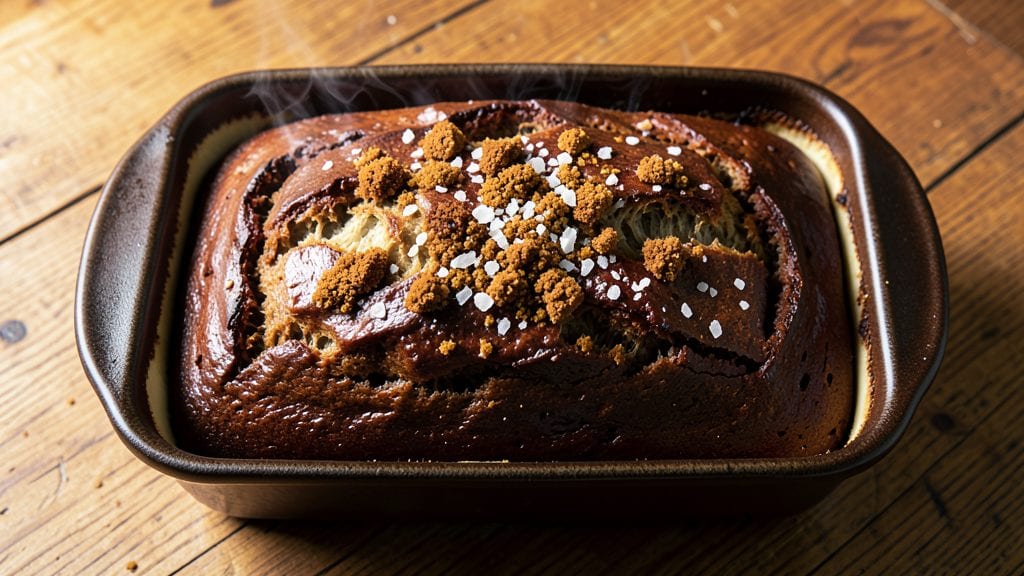
This Guinness brown bread recipe delivers the perfect balance of dark beer crust and moist crumb that makes every slice irresistible. The secret lies in replacing water with Guinness stout, which adds deep maltiness while keeping the interior tender and flavorful—no dry, crumbly results here.
I developed this recipe after years of baking, testing different ratios until I found the ideal combination of warmth and richness.
The beauty of this bread is its versatility—whether you're serving it with butter at breakfast or as a side for hearty stews, the Guinness flavor shines through without overpowering.
The dough requires a long fermentation to develop that signature malty depth, but the process is straightforward once you understand the key steps. You'll end up with a loaf that's crisp on the outside and perfectly moist inside, with a subtle beer aroma that lingers in every bite.
What truly sets this recipe apart is how the Guinness transforms ordinary bread into something extraordinary. The dark beer crust gives it a rustic, almost artisanal appearance, while the crumb remains soft and slightly sweet—a perfect match for the bold flavors of the stout.
This isn't just bread; it's a flavor experience that elevates any meal. Let's get started on creating your perfect loaf.
For those who prefer a sweeter twist, adding a touch of honey or molasses to the dough enhances the natural sweetness of the Guinness. The bread also freezes beautifully, making it ideal for batch baking.
Whether you're a seasoned baker or just starting out, this recipe delivers professional-quality results with minimal effort.
Ingredients for guinness brown bread
Just 12 ingredients transform ordinary bread into Guinness-infused magic—crisp crust, moist crumb, and that perfect beer aroma.
| Ingredient | Amount | Notes |
|---|---|---|
| Guinness Stout 🍺 | 1 ½ cups | Cold for best flavor infusion |
| All-Purpose Flour 🌾 | 4 cups | King Arthur preferred for texture |
| Whole Wheat Flour 🌾 | 1 cup | For rustic texture and nutrition |
| Active Dry Yeast 🍞 | 2 ¼ tsp | Fresh yeast if available |
| Granulated Sugar 🍯 | ¼ cup | Brown sugar works too |
| Salt 🧂 | 1 ½ tsp | Kosher or sea salt |
| Unsalted Butter 🧈 | ½ cup | Cold, cubed for dough |
| Honey 🍯 | ¼ cup | Optional for sweetness |
| Large Eggs 🥚 | 1 whole | Room temperature preferred |
| Extra-Virgin Olive Oil 🫒 | 2 tbsp | For dough softness |
| Milk 🥛 | ½ cup | Warm for yeast activation |
| Cornmeal 🌽 | ¼ cup | For dusting bread pan |
The Guinness is non-negotiable here—cold bottles from the fridge give the best flavor. Guinness Draught works too, but the classic stout has that deeper maltiness. I always grab a six-pack from Total Wine or BevMo—they keep it colder than your average grocery store. The yeast? Fresh is better if you can find it, but active dry works fine. Pro tip: proof your yeast in the warm milk first to make sure it's alive before committing to the full dough. The honey's optional but worth it—it enhances the beer's natural sweetness without overpowering. Grab local honey from a farmers market if you can, but store-bought works too.
No Guinness? Stout beer or even dark ale in a pinch, but you'll lose some of that signature malt depth. Whole wheat flour can be swapped for more all-purpose if you prefer a lighter crumb, but at least 1 cup keeps that rustic texture. Short on butter? Olive oil works 1:1, though the bread won't be quite as rich. The egg can be omitted for a vegan version, but the dough will be slightly less tender. For the cornmeal, semolina works too—just don't skip it. It's what gives that gorgeous crust its texture. And if you're feeling fancy, add a teaspoon of molasses to the dough for extra depth.
This dough needs time—at least 2 hours of fermentation at room temp, then another 12 hours in the fridge. The longer it ferments, the more complex the flavor. Shape it into a loaf, let it rise another hour, then bake at 375°F for 40-45 minutes until golden. Cool completely before slicing—trust me on this one. Keeps 3-4 days wrapped at room temp or 3 months frozen. The crust gets crunchier as it sits, so slice just before serving. Leftovers? Toast them—game changer for breakfast.
Why You'll Love This Recipe
- No-Fuss Mixing: I swear by the 5-minute stir—just warm the Guinness, toss in the flours and yeast, let it sit. No kneading, no fuss, just a dough that comes together while you clean up the kitchen.
- Rich, Roasted Depth: That dark malt from the Guinness? It’s like a slow-cooked stew in every bite—sweet, smoky, with just enough caramelized edge. The whole wheat adds a nutty bite that keeps it interesting.
- Weeknight Hero: Slice it fresh for toast with butter, or pack it for lunches—it stays moist for days. Honestly, I’ve made this so often, I’ve lost count of how many ways I’ve repurposed it.
- Budget Stretch: A single can of Guinness goes a long way, and the whole wheat flour cuts costs without sacrificing texture. Leftovers? Toast them for breakfast or crumble them into soups—zero waste, all flavor.
Step-by-step instructions for Guinness brown bread
This rich, moist loaf delivers an irresistible dark beer crust and tender interior—every slice is pure comfort.
Activate the Yeast with Warm Milk and Guinness
In a small bowl, combine the 0.5 cup warm milk (about 110°F) with the 1.5 cups cold Guinness Stout and 0.25 cup granulated sugar. Stir until the sugar dissolves completely—this helps the yeast wake up faster. Sprinkle the 2.25 teaspoons active dry yeast over the mixture and let it sit for 5-7 minutes until it becomes frothy and bubbles form on the surface.
Here's the thing—if the yeast doesn't activate within 10 minutes, it's dead. Don't panic, but start fresh with a new packet. The frothiness signals the yeast is alive and ready to transform your dough. Once bubbly, proceed immediately to avoid overproofing.
Mix the Dough with Butter and Honey
In a large mixing bowl, whisk together the 4 cups all-purpose flour, 1 cup whole wheat flour, 1.5 teaspoons salt, and the 0.5 cup cold cubed unsalted butter. Use your fingers to work the butter into the flour until it resembles coarse crumbs with pea-sized butter pieces—this creates pockets for that signature moist texture.
Add the yeast mixture, 0.25 cup honey, and 1 whole large egg. Mix with a wooden spoon until the dough starts to come together. Then add the 2 tablespoons extra-virgin olive oil and stir until fully incorporated. The dough should be shaggy but hold together when pressed—this is normal at this stage.
Knead Until Silky Smooth
Turn the dough onto a lightly floured surface and knead for 8-10 minutes until smooth and elastic. You'll know it's ready when it springs back slowly when poked and leaves the surface clean. If the dough feels too sticky, add 1 tablespoon flour at a time—but don't overdo it, or your bread will dry out.
I like to knead by hand for better control, but a stand mixer with a dough hook works too. The goal is to develop gluten, which gives your bread structure while keeping that moist crumb. Once kneaded, place the dough in a lightly oiled bowl, cover with a damp towel, and let it rise in a warm place for 1-1.5 hours or until doubled in size.
Shape and Proof for Maximum Flavor
Punch down the risen dough to release air, then shape it into a 9x5-inch loaf pan. Brush the sides of the pan with extra-virgin olive oil and sprinkle 0.25 cup cornmeal evenly over the bottom—this prevents sticking and adds a lovely crunch. Cover the pan with a damp towel and let it rise again for 45-60 minutes until it domes slightly above the pan.
This second rise is crucial for that perfect crumb. The dough should feel light and springy when pressed gently. Preheat your oven to 375°F while the dough proofs—hot ovens bake bread faster, which helps maintain moisture.
Bake to Golden Perfection
Bake the bread for 45-50 minutes until the top is deep golden brown and an instant-read thermometer inserted into the center reads 190-195°F. The crust should be dark and slightly crisp, while the interior should remain moist and tender. If the top browns too quickly, tent the pan with foil to prevent over-browning.
Here's the magic: Let the bread cool in the pan for 10 minutes before transferring to a wire rack. This resting period allows the steam to redistribute, ensuring every slice stays moist. Slice while still warm for the ultimate experience—each bite delivers that rich Guinness flavor with a perfectly balanced crumb.
Pro Tips For Making Guinness Brown Bread
- WARM THE GUINNESS FIRST: Pour the stout into a microwave-safe mug and heat it to about 110°F (just warm to the touch)—yeast hates cold beer. I learned this the hard way when my first batch took three times longer to rise because the yeast was basically hibernating.
- WEIGH YOUR FLOURS: Ditch the scooping—whole wheat flour packs differently than all-purpose, and your bread’s density will suffer. Use a kitchen scale for accuracy; 450g total (mix of both flours) gives you that perfect chewy texture without sinking.
- DON’T OVERKNEAD THE DOUGH: The whole wheat flour in this recipe turns gummy fast—stop mixing as soon as the dough pulls away cleanly from the bowl (about 8-10 minutes by hand). Overworking it = tough bread, and no amount of Guinness can fix that.
- USE A DARK PAN: A black or nonstick loaf pan (or even a cast-iron skillet) conducts heat better than glass, ensuring even browning and that signature crust. I skipped this once and ended up with a pale, sad loaf—now I never do.
Make-ahead tips for this dish
Cold Prep for Flavor
Chill the dough overnight in the fridge for deeper flavor development. After your first rise, shape the loaf and place it in a 9x5-inch loaf pan (lightly greased with extra-virgin olive oil). Cover tightly with plastic wrap and refrigerate for 12-16 hours.
This slow fermentation enhances the Guinness's maltiness and creates a denser crumb. I swear by this method—it's what gives my bread that professional bakery quality. 🌡️
Batch Baking Strategy
Double the recipe and bake two loaves simultaneously. Use two 9x5-inch pans placed on the middle rack for even heat distribution. The oven's heat will circulate better, ensuring both loaves bake evenly.
Store wrapped in beeswax wrap at room temperature for 3-4 days or freeze for 3 months. Label with dates—trust me, you'll forget! ❄️
Freezing for Freshness
Freeze fully cooled loaves wrapped in plastic wrap followed by a foil layer. This double barrier prevents freezer burn and keeps the crust crisp. Thaw at room temperature for 2-3 hours before toasting.
For quick use, slice frozen bread directly and toast—it reheats beautifully with that perfect Guinness aroma. 💫
Reviving Stale Bread
Got dry slices? No problem. Wrap them in a damp paper towel and microwave for 15-20 seconds—just enough to restore moisture. For extra richness, brush with melted unsalted butter and toast until golden. This trick works like magic on day-old bread, making it taste fresh again. 🔥
Make-Ahead Dough
Prepare the dough up to 24 hours ahead and store it in the fridge. Let it come to room temperature before shaping and baking. This flexibility is perfect for busy schedules—just pull it out in the morning and bake after work.
The flavor actually improves with time, so don't rush the process! 💡
Portion Control Tips
Use a bread slicer to cut the loaf into 1-inch thick slices for even toasting. Store slices in a paper bag at room temperature to maintain freshness. For sandwiches, wrap individual slices in parchment paper to prevent drying. This keeps your bread ready for quick meals all week. ✨
Nutrition facts
Frequently asked questions
Can I substitute Guinness with another dark beer?
The deep maltiness of Guinness is key to this recipe's flavor. While you can use other stout beers or dark ales in a pinch, they won't deliver the same complex malt and roasted notes. For best results, stick with Guinness or a high-quality stout like Black Label or Imperial Stout. The alcohol content also helps create that signature moist crumb.
Why does my dough smell so strong like beer?
The strong beer aroma comes from the high alcohol content and malt flavors in Guinness. This actually enhances the bread's character! The smell will mellow as the dough ferments and bakes. If you're concerned, let the dough ferment longer (up to 12 hours in the fridge) to reduce the intensity. The final baked bread will have a subtle beer aroma, not overpowering.
How do I know when the bread is fully baked?
Your bread is done when the internal temperature reaches 190-195°F and the crust is deep golden brown. Tap the bottom—the sound should be hollow, not dull. If unsure, bake 5 more minutes. Overbaking can dry out the crumb, so resist the urge to check too often. The bread will continue cooking slightly as it cools.
Can I make this bread without a loaf pan?
Shape the dough into a free-form loaf or round boule. For best results, bake on a parchment-lined baking sheet at 350°F for 35-40 minutes. Brush with olive oil before baking for extra crust color. The texture will be slightly denser but still delicious. This method works well for rustic-style breads.
What's the best way to store Guinness bread?
Keep it wrapped in a paper bag or beeswax wrap at room temperature for 3-4 days. For longer storage, freeze the whole loaf (up to 3 months) or individual slices (up to 1 month). Toast frozen slices directly—they reheat beautifully with that perfect Guinness aroma restored!