
Side Dishes
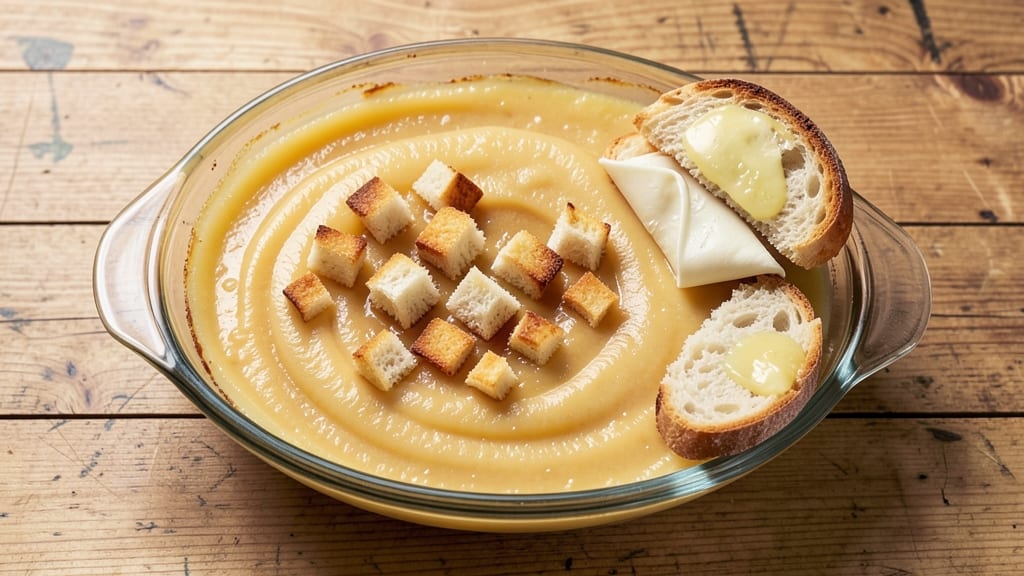
This bread custard recipe transforms stale bread into a decadent dessert with a silky vanilla center and golden, crispy top—exactly what you’d order in a Parisian café.
The secret lies in soaking cubed bread in a rich custard mixture of eggs, milk, and vanilla, then baking until the edges caramelize into perfect crispness. I’ve perfected this technique after years of testing, ensuring every bite delivers that ideal contrast of tender custard and crunchy crust.
The process is simpler than it sounds: cube your bread (day-old works best), mix it with a velvety custard of eggs, warm milk, and a touch of sugar, then bake at 350°F until the top turns golden and the center jiggles slightly.
The result? A dessert that’s creamy, comforting, and impossible to resist—no fancy equipment required. This recipe serves 6 and takes just 45 minutes from start to finish, making it perfect for dinner parties or a cozy weeknight treat.
What makes this custard truly special is the crispy texture at the edges, achieved by baking just long enough for the top to set while keeping the center silky. Serve it warm with a drizzle of caramel sauce or a sprinkle of cinnamon for extra warmth.
The aroma alone will have everyone gathering around the table, and the first bite will silence any doubts about homemade desserts.
For those who love variations, try adding raisins, chopped nuts, or a splash of bourbon to the custard mixture. The possibilities are endless, but the core technique remains the same—simple, foolproof, and always delicious. Let’s get started on creating this classic dessert with a modern twist.
Ingredients for bread custard
Six simple ingredients transform stale bread into a Parisian-style custard with crispy edges and silky center.
| Ingredient | Amount | Notes |
|---|---|---|
| Day-Old Bread Loaf 🍞 | 1 ½ lb | Crust removed, cubed into 1-inch pieces |
| Large Eggs 🥚 | 6 whole | Room temperature for best blending |
| Whole Milk 🥛 | 2 ½ cups | Warmed to room temperature |
| Granulated Sugar 🍚 | 1 cup | Light brown sugar for caramel notes |
| Pure Vanilla Extract 🌿 | 2 tbsp | High-quality, Madagascar bourbon preferred |
| Unsalted Butter 🧈 | ½ cup | Cold, cubed for crispy crust |
| Ground Cinnamon 🍃 | 1 tsp | Freshly ground for warmth |
| Salt 🧂 | ½ tsp | Fine sea salt for balance |
| Powdered Sugar 🍚 | 2 tbsp | For dusting crispy top |
| Heavy Cream 🥛 | ½ cup | Optional for extra silkiness |
| Caramel Sauce 🍯 | ¼ cup | Store-bought or homemade |
The bread is everything here—day-old loaves work best, but fresh works in a pinch. Look for crusty French bread at Whole Foods or Trader Joe's for that perfect texture, but any bread will do. Cube it 1-inch thick—smaller pieces get soggy, larger ones stay too dense. I always use sourdough when I can, but baguettes or brioche work too. The key is removing the crust first—it burns before the custard sets. For extra crispiness, toss the cubes with a little extra butter before baking (that’s my secret move).
No vanilla extract? Vanilla bean paste or even vanilla sugar (1 tbsp) will save you. Running low on milk? Half-and-half or evaporated milk keeps the richness. Want to jazz it up? Swap the caramel sauce for chocolate ganache or honey drizzle—both pair beautifully. The powdered sugar is non-negotiable for that signature crunchy top, but if you’re feeling fancy, add a sprinkle of flaky salt right before serving. And trust me, the cold butter cubes in the custard make all the difference for that golden crust.
This custard tastes even better the next day—make it ahead and reheat for 10 minutes at 325°F. Store leftovers in the fridge for up to 3 days, covered tightly. For parties, assemble the custard in a large baking dish (9x13-inch) so everyone can serve themselves. The crispy top? Eat it immediately—it softens fast. If you’re prepping ahead, bake it just until the edges set, then finish under the broiler for 2 minutes before serving.
Why You'll Love This Recipe
- Zero-Waste Magic: I swear by this trick—toss in that slightly stale loaf you’d normally compost. The milk soaks it up perfectly, and the eggs bind it all into something so creamy, no one’ll guess it was yesterday’s dinner roll.
- Sweet Creamy Bliss: That vanilla and sugar caramelize just enough to give it a subtle depth, while the eggs make it rich without being heavy. It’s like dessert and breakfast had a baby, and honestly? I’ll take it.
- Breakfast or Dessert: Serve it warm with a drizzle of honey for a lazy weekend brunch, or chill it overnight and top with whipped cream for a no-fuss dessert. My kids ask for it both ways—no judgment here.
- Budget Breakthrough: Eggs, milk, bread, sugar—all pantry staples that cost pennies. I make a double batch, slice it up, and freeze portions. By the time I’m done, I’ve got a month’s worth of easy, filling meals for next to nothing.
Step-by-step instructions for silky vanilla pudding with crispy top
This bread custard delivers the perfect balance of creamy vanilla pudding and golden, crackly crust—every bite is pure comfort.
Prep the Bread and Mix the Custard Base
Preheat your oven to 350°F and grease a 9x13-inch baking dish with 2 tablespoons of the unsalted butter, rubbing it all over the bottom and sides. This ensures easy removal later. In a large bowl, whisk together the 6 whole large eggs, 1 cup granulated sugar, 2 tablespoons pure vanilla extract, 2.5 cups warmed whole milk, and 0.5 teaspoon salt until completely smooth. The mixture should be pale yellow and uniform—no streaks of egg white or sugar granules.
Next, add the 1.5 pounds of cubed day-old bread loaf to the egg mixture. Let it soak for 5 minutes while you prepare the rest. The bread will absorb the custard, but don’t worry if it doesn’t fully disappear—this ensures a rich, bread-infused texture. In a small bowl, melt the remaining 0.5 cup unsalted butter in the microwave for 20 seconds, then stir in 1 teaspoon ground cinnamon and 0.5 cup heavy cream for extra depth of flavor.
Assemble and Bake for Creamy Perfection
Pour the bread mixture into the prepared baking dish, spreading it evenly. Drizzle the melted butter-cinnamon mixture over the top, then sprinkle 2 tablespoons powdered sugar evenly across the surface. This sugar will caramelize during baking, creating that coveted crispy crust. Bake for 40-45 minutes until the edges are golden brown and the center still jiggles slightly when shaken—it should set as it cools.
Here’s the trick: If the top starts browning too quickly, loosely tent the dish with aluminum foil. You want that crust, but you don’t want it to burn before the custard sets. The custard is done when a knife inserted near the center comes out clean, but the middle still has a slight wobble—it’ll firm up as it cools. Let it rest for 15 minutes before serving to allow the layers to fully set.
Finish with Caramel and Serve Warm
While the custard rests, warm the 0.25 cup caramel sauce in a small saucepan over low heat for 1-2 minutes, stirring until smooth and pourable. Once the custard is ready, use a spatula to cut it into 6 equal squares (about 2x2 inches each). Drizzle each serving with 1 tablespoon caramel sauce, letting it pool slightly on top for that restaurant-worthy presentation.
Serve immediately for the ultimate experience—warm custard with a crispy top and gooey caramel drizzle. The contrast of textures is what makes this recipe unforgettable: creamy vanilla custard, crispy edges, and rich caramel all in one bite. If you’re feeling extra indulgent, dust the top with an additional sprinkle of powdered sugar right before serving for a snowy finish.
Pro Tips For Making Bread Custard
- TOAST THE BREAD FIRST: Skip the soggy mess—pop your day-old loaf in a 350°F oven for 10-12 minutes until it’s dry and crisp on the edges. The crust will soak up custard like a sponge instead of turning into a waterlogged brick.
- WHISK EGGS LIKE YOUR LIFE DEPENDS ON IT: Beat those eggs until the yolks and whites are pale and ribbon-like—no streaks. I learned this the hard way: under-whisked eggs make custard that’s lumpy and uneven. Use a fork if you’re lazy, but don’t skip it.
- DON’T DUMP THE MILK: Warm the milk to body temperature (about 100°F) before mixing it into the eggs. Cold milk shocks the eggs and can curdle them, turning your custard into a sad, grainy puddle.
- BAKE UNTIL JIGGLY, NOT JELLED: Pull the custard out when the edges are set but the center still wobbles like a bowl of Jell-O. Overbaking dries it out—trust the jiggle, not the clock. If you’re unsure, poke it with a knife; it should come out clean but slightly damp.
Essential equipment for this dish
Baking Dish Essentials
Start with a 9x13-inch baking dish—this size gives you perfect portions for six servings while allowing even baking. I swear by Ceramic CorningWare dishes because they distribute heat evenly and create that golden crust we all love.
For a budget-friendly option, USA Pan stainless steel dishes work just as well, though they may require a few extra minutes in the oven to achieve the same crispiness. Always grease your dish thoroughly with 2 tablespoons of butter before adding the custard mixture to prevent sticking. 🧈
Mixing Tools Matter
A whisk is your best friend for combining the custard base—it ensures the eggs and sugar are fully integrated without creating lumps. I use a stainless steel whisk from OXO because it’s durable and gets the job done efficiently.
For measuring liquids, a liquid measuring cup with spouts makes pouring warmed milk and cream effortless. And don’t skip the fine-mesh strainer if you’re using whole milk with lumps—it keeps your custard silky smooth. 🥛
Oven Thermometer Accuracy
Your oven’s temperature gauge can be off by up to 50°F, so I always use an oven thermometer to confirm it’s hitting 350°F before baking. The Thermoworks Oven Thermometer is my go-to because it’s precise and easy to read.
If your oven runs hot, reduce the temperature to 325°F to avoid over-browning the top. For even heat distribution, place your baking dish on the middle rack—this ensures the custard cooks uniformly without burning at the edges. 🌡️
Butter and Sugar Prep
Cold, cubed butter is key for that crispy top—avoid melting it completely before mixing. I like to use Plugrá European-style butter because it has a higher fat content, which enhances the crust. For the powdered sugar topping, sift it through a fine-mesh sieve to avoid clumps.
This ensures an even, snowy finish that caramelizes beautifully during baking. A microplane comes in handy for grating extra cinnamon or zest if you want to add a citrusy twist. 🍚
Optional: Broiler for Extra Crisp
If you want an even crispier top, finish your custard under the broiler for 1-2 minutes before serving. Just watch it closely—broilers can go from golden to burnt in seconds! I use a timer and keep the oven door slightly ajar to allow heat to escape.
For this step, a heat-resistant spatula helps safely transfer the dish in and out of the oven without spills. 🔥
Serving Tools
Cutting your custard into neat squares is easier with a sharp chef’s knife or a pizza cutter—both work well for clean, even slices. To serve, I recommend small ceramic plates (like Le Creuset’s) because they hold heat beautifully and elevate the presentation.
A small saucepan for warming caramel sauce and a drizzling spoon complete the setup for that restaurant-quality finish. 🍽️
Nutrition facts
Frequently asked questions
Can I use fresh bread instead of day-old for this custard?
Fresh bread works in a pinch, but day-old is ideal because it's sturdier and absorbs the custard better without turning mushy. If using fresh bread, press out excess moisture with a paper towel first. For extra crispiness, try toasting the cubes lightly before mixing with the custard.
Why did my custard turn out too runny?
Underbaking is the most common cause—your custard needs to set slightly as it cools. Always bake until the edges are golden and the center jiggles like jelly (not liquid). For extra stability, chill the baked custard for 1 hour before serving. If it's still too soft, broil for 1-2 minutes to firm up the top.
What's the best way to make this custard ahead of time?
Assemble the custard up to 24 hours ahead and refrigerate uncovered (this helps develop the crispy top). Bake straight from the fridge at 350°F for 50-55 minutes, adding 5-10 minutes to the original time. Reheat at 325°F for 10-15 minutes before serving. The texture improves after resting overnight!
Can I substitute vanilla extract with something else?
Try vanilla bean paste (1 tbsp) for seeds and flavor, or vanilla sugar (1 tbsp) mixed into the dry ingredients. For a boozy twist, add 1 tbsp bourbon or rum to the custard mixture. Even almond extract (½ tsp) works in a pinch, though it changes the flavor profile.
How do I fix a custard that's too dry or crumbly?
Overbaking or too much sugar can cause dryness. For future attempts, reduce baking time by 5 minutes and cover loosely with foil. To salvage a dry custard, warm ¼ cup heavy cream, stir it into the baked custard, then cover and let it steam for 10 minutes. The texture will soften slightly.