
Soups & Stews
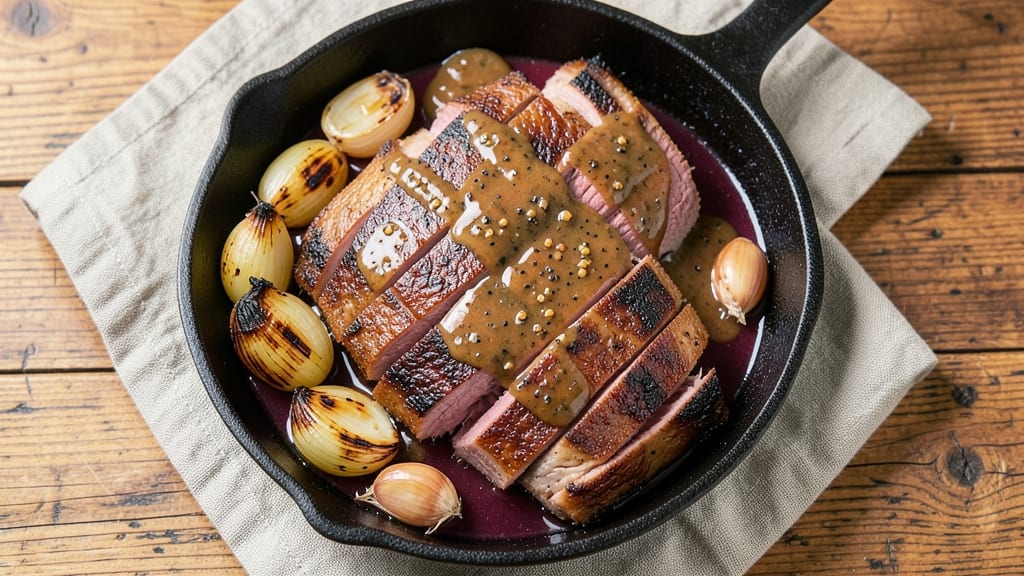
Unlock a brisket recipe using Lipton Onion Soup Mix that turns humble ingredients into a slow-cooked masterpiece with rich, caramelized depth. The secret lies in using the mix as a dry rub and slow-cooking it until tender, creating a dish that's rich, aromatic, and foolproof for any occasion.
This method works whether you're using a smoker, oven, or slow cooker, making it adaptable to your kitchen setup. The onion soup mix adds a perfect balance of savory and slightly sweet notes, while the long cooking time ensures the meat becomes melt-in-your-mouth tender.
No fancy ingredients or techniques required—just patience and a few simple steps.
By the time you're done, you'll have a brisket that's perfectly seasoned, juicy, and packed with flavor—ideal for sandwiches, tacos, or serving alongside classic sides like mashed potatoes and collard greens. The aroma alone will have everyone gathering around the table, eager for their first bite.
Ready in just 3-4 hours (plus resting time), this recipe proves you don’t need a complex process to create a showstopping main dish. Let’s get started with a method that’s both professional and approachable.
Ingredients for brisket recipe using lipton onion soup mix
Six core ingredients transform humble brisket into a restaurant-worthy centerpiece using Lipton Onion Soup Mix as the flavor anchor.
| Ingredient | Amount | Notes |
|---|---|---|
| Packer Cut Brisket 🥩 | 5 lb | Whole packer cut preferred |
| Lipton Onion Soup Mix 🧅 | ½ cup | Granulated, unsweetened |
| Yellow Onion 🧅 | 2 whole | Sliced into 1/4-inch strips |
| Garlic Cloves 🧄 | 6 cloves | Peeled, smashed |
| Beef Broth 💧 | 2 cups | Low-sodium preferred |
| Apple Cider Vinegar 🍎 | ¼ cup | For tenderization |
| Brown Sugar 🍚 | ¼ cup | Light or dark |
| Smoked Paprika 🌶️ | 1 tbsp | For smoky depth |
| Ground Black Pepper 🌶️ | 1 tbsp | Freshly cracked |
| Kosher Salt 🧂 | 2 tbsp | Diamond Crystal preferred |
| Olive Oil 🫒 | 2 tbsp | Extra-virgin for searing |
| Yellow Mustard 🥬 | 2 tbsp | For injection (optional) |
| Beef Fatback 🥓 | ½ lb | For wrapping (optional) |
The Packer cut brisket is non-negotiable for this recipe—its fat cap ensures melt-in-your-mouth tenderness during the long cook. Local butchers often carry it at better prices than major chains, and look for a cut with at least 1/4-inch fat cap for optimal moisture retention. If you're using a pre-cut brisket, trim any excess silver skin but leave the fat intact. The Lipton Onion Soup Mix serves as the dry rub foundation, so grab the granulated version (not the soup mix packet) from the baking aisle—it's more concentrated and delivers deeper flavor. Costco and Walmart consistently stock it at reasonable prices, and it keeps indefinitely in a sealed container.
No Lipton Onion Soup Mix? Create a 1:1 substitute by blending 2 tbsp onion powder, 1 tbsp garlic powder, 1 tbsp dried thyme, 1 tbsp dried parsley, 1 tsp sugar, and 1/2 tsp black pepper. For the brisket itself, beef fatback isn't strictly necessary but creates an impressive bark when wrapped during the final hour of cooking. Short on time? Olive oil basting every 30 minutes achieves similar results. The apple cider vinegar acts as a natural tenderizer—don't skip it, even if you're using a slow cooker. For the beef broth, low-sodium options like Swanson or Pacific Foods work best to avoid over-salting, though you can always halve the salt in the recipe if using regular broth.
This brisket develops deeper flavor with time—plan to cook it 3-4 hours (plus resting) for optimal results. Store leftovers in an airtight container with a thin layer of broth to maintain moisture, and reheat in a 350°F oven for 10-15 minutes to prevent drying. The cooked brisket freezes beautifully for up to 3 months when wrapped tightly in butcher paper and foil. For serving, slice against the grain at a 45-degree angle for maximum tenderness. The fatback-wrapped version requires careful handling—remove the wrapping during the last hour of cooking to render the fat and crisp the exterior.
Why You'll Love This Recipe
- Foolproof Simplicity: I swear by this recipe because it’s the kind of dish that forgives mistakes. You’re basically mixing spices, not performing surgery—just brown the brisket, sprinkle the Lipton mix, and let it slow-cook. My first attempt had slightly uneven slices, but the flavor was so rich no one cared.
- Umami Bomb: That onion soup mix isn’t just a shortcut—it’s the secret weapon. The beef broth deepens the flavor, while the garlic and onion caramelize into something dangerously addictive. Honestly, I’ve tried fancy rubs, but this combo delivers that crispy, savory crust every time.
- Leftover Goldmine: This brisket doesn’t just feed a crowd—it rewards you for cooking one. Shred it for tacos, slice it for sandwiches, or toss it into pasta the next day. My freezer’s always stocked with portions because it’s that good, and the broth? Perfect for gravy or reheating.
- Budget Hero: Packer cut brisket is affordable, and this recipe stretches it further than you’d think. Between us, I’ve made this for game day, lazy Sundays, and even a last-minute potluck—always with leftovers. The Lipton mix cuts costs without sacrificing taste, and the onion/garlic combo makes it feel special.
Step-by-step instructions for brisket using Lipton onion soup mix
This method transforms humble pantry staples into restaurant-quality brisket with minimal effort.
Prepare the Brisket and Create the Injection Mixture
Begin by trimming excess fat from the 5 lb packer cut brisket, leaving about ¼-inch fat cap for moisture. In a small bowl, whisk together the 0.25 cup apple cider vinegar, 2 tbsp yellow mustard, and 2 tbsp kosher salt to create the injection mixture. This acidic blend tenderizes the meat while the mustard adds depth of flavor.
Using a meat injector, pierce the brisket in multiple spots and inject the mixture evenly throughout. For best results, work in a crosshatch pattern from edge to center. Place the brisket on a plate, fat-side up, and refrigerate uncovered for 2 hours. This resting period allows the marinade to penetrate deeply while the surface dries slightly for better bark formation.
Build the Dry Rub and Sear the Brisket
In a medium bowl, combine the 0.5 cup Lipton onion soup mix, 1 tbsp smoked paprika, 1 tbsp ground black pepper, and remaining 2 tbsp kosher salt. This blend creates a perfect balance of sweet, smoky, and savory flavors without overwhelming the meat. Pat the brisket dry with paper towels, then generously apply the dry rub to all surfaces, pressing firmly so it adheres.
Heat a heavy Dutch oven over medium-high heat and add the 2 tbsp olive oil. Once shimmering, sear the brisket fat-side down for 5 minutes until deeply golden brown. Flip and sear the other side for another 5 minutes. This initial sear locks in juices and develops the foundational crust. Transfer the brisket to a plate and set aside.
Sauté Aromatics and Prepare the Braising Liquid
In the same Dutch oven, add the 2 whole yellow onions sliced into ¼-inch strips and the 6 cloves garlic that have been peeled and smashed. Cook over medium heat for 5 minutes until the onions soften and begin to caramelize. Stir occasionally to prevent burning, as this step builds the flavor foundation.
Add the 0.25 cup brown sugar and cook for another 2 minutes, stirring constantly to create a light glaze. Pour in the 2 cups beef broth and scrape up any browned bits from the bottom of the pot. This deglazing captures all the concentrated flavors you've built. Bring the liquid to a gentle simmer, then return the brisket to the pot, fat-side up.
Braise Until Fork-Tender
Cover the Dutch oven and transfer to a preheated 300°F oven. Braise for 3 hours, then carefully flip the brisket and add the 0.5 lb beef fatback wrapped around it. This optional step creates an insulating barrier that locks in moisture and enhances flavor. Return to the oven and cook an additional 3 hours, or until the internal temperature reaches 195°F and the meat is fork-tender.
During the final hour, check the liquid periodically and add water as needed to maintain about 1 cup of liquid in the pot. This prevents drying while allowing the brisket to develop its signature texture. The fatback, if used, should render and create a flavorful crust around the meat.
Rest and Slice for Maximum Juiciness
Remove the brisket from the oven and tent loosely with aluminum foil. Let it rest for at least 1 hour before slicing. This resting period is crucial as it allows the juices to redistribute throughout the meat, preventing them from pooling on the cutting board. For best results, slice against the grain into ¼-inch thick pieces.
Serve the brisket with the reduced braising liquid spooned over the top. The combination of tender meat, smoky-sweet glaze, and rich onion-infused sauce creates a dish that rivals traditional methods while using simple pantry ingredients. The Lipton onion soup mix provides that perfect balance of sweetness and savory depth that makes this shortcut so successful.
Pro Tips For Making Brisket Recipe Using Lipton Onion Soup Mix
- Brown the Brisket First: Skip the slow start—sear that brisket hard in a hot pan or Dutch oven for 5-7 minutes per side before adding liquids. I used to rush this, and the final dish never tasted as rich. That crust locks in flavor when the onion soup mix hits later.
- Toast the Onion Mix: Bloom the Lipton onion soup mix in the fat for 2 minutes before adding broth—it deepens the flavor. I was skeptical until I tried it; now it’s non-negotiable. Just don’t let it burn, or you’ll regret it.
- Don’t Crowd the Pan: If your brisket is thick, cut it in half horizontally to fit snugly in the pot. I learned this the hard way—steaming instead of simmering turns tough meat into sad, gray mush. Leave room for the liquid to circulate.
- Save the Garlic: Smash the garlic cloves with the flat of your knife before adding them—it releases more flavor. (Yes, even if you’re impatient like me.) Skip this, and you’re missing one of the easiest flavor boosts in this recipe.
Essential equipment for this dish
Smoker Essentials
If you're smoking your brisket, invest in a quality pellet smoker like the Traeger Pro 575 or Camp Chef SmokePro XL. These models maintain consistent temperatures between 225-250°F, which is ideal for brisket.
I recommend using hickory or applewood pellets—they complement the Lipton onion soup mix beautifully. For a budget-friendly option, the Weber Smokey Mountain charcoal smoker works well with a water pan to stabilize temps. 🌡️
Oven Alternatives
Don’t have a smoker? A heavy-duty Dutch oven (like the Lodge 6.5-quart) is your best oven substitute. Place it on the middle rack of your oven for even heat distribution.
For a more hands-off approach, a slow cooker (like the Hamilton Beach 7-quart) works, though you’ll lose that smoky bark. Preheat your oven to 300°F and use a meat thermometer (I swear by the ThermoWorks Smoke) to monitor internal temp.
Must-Have Tools
A meat injector (like the Meater Plus) is a game-changer for evenly distributing the apple cider vinegar and mustard mixture. For trimming fat, a sharp boning knife (I use the Victorinox 8-inch) makes the job cleaner.
Don’t overlook a carving fork—it helps stabilize the brisket while slicing against the grain. A wire cooling rack keeps the meat elevated and crispy after cooking. 💡
Optional Upgrades
For that restaurant-quality finish, wrap your brisket in butcher paper (like Pink Butcher Paper) during the final hour instead of foil—it creates a better bark. A spray bottle with apple juice or water keeps the bark moist during smoking.
If you’re feeling fancy, a digital probe thermometer (like the Meater Plus) lets you monitor internal temp without opening the smoker or oven. These extras aren’t mandatory but elevate the dish significantly.
Budget-Friendly Swaps
Skip the fancy tools and still nail this recipe. Use a long-handled spoon for basting instead of a spray bottle, and a basic oven thermometer to check heat consistency. A sharp chef’s knife works for trimming fat if you don’t have a boning knife.
Even a cheap instant-read thermometer (like the Thermapen Neo) is better than nothing—just be patient and check temps frequently. The key is focus, not fancy gear. 💪
Nutrition facts
Frequently asked questions
Can I use Lipton Onion Soup Mix for other slow-cooked meats?
This mix works beautifully on pork shoulder, chicken thighs, or even beef chuck roast. For pork, reduce cooking time to 2-2.5 hours at 275°F after searing. For chicken, use 1/4 cup of the mix and cook for 1.5 hours at 325°F. The key is balancing the mix with complementary spices like smoked paprika or garlic powder.
Why does my brisket turn out dry when using the oven method?
Oven-cooked brisket dries out when exposed to too much heat or insufficient liquid. Always maintain 1 cup of liquid in the pot during cooking, and never exceed 300°F. Wrap the brisket in butcher paper (not foil) during the final hour to retain moisture. For extra insurance, add 2 tbsp of beef tallow to the pot before braising.
How can I make this brisket smoky without a smoker?
Add 1 tbsp of liquid smoke to the braising liquid, or char 1/2 cup of onion strips in a dry skillet before adding them to the pot. For a deeper smoky flavor, sear the brisket over an open gas flame for 2-3 minutes per side before braising. The Lipton mix already provides savory depth, so these adjustments enhance rather than replace the original flavor.
What's the best way to reheat leftover brisket?
Slice the brisket first, then reheat in a 350°F oven with a splash of beef broth for 10-15 minutes until warmed through. For sandwiches, warm only the meat and assemble fresh to prevent sogginess. Never microwave—it turns the meat rubbery. Store leftovers in an airtight container with a thin layer of broth to maintain moisture for up to 5 days.
Can I substitute the apple cider vinegar with something else?
Yes! Use 0.25 cup of white vinegar or lemon juice as a 1:1 substitute. For a deeper flavor, try 0.25 cup of red wine or even pineapple juice (which adds subtle sweetness). The acidity is what tenderizes the meat—just avoid balsamic vinegar, as its sweetness may overpower the dish.