
Main Courses
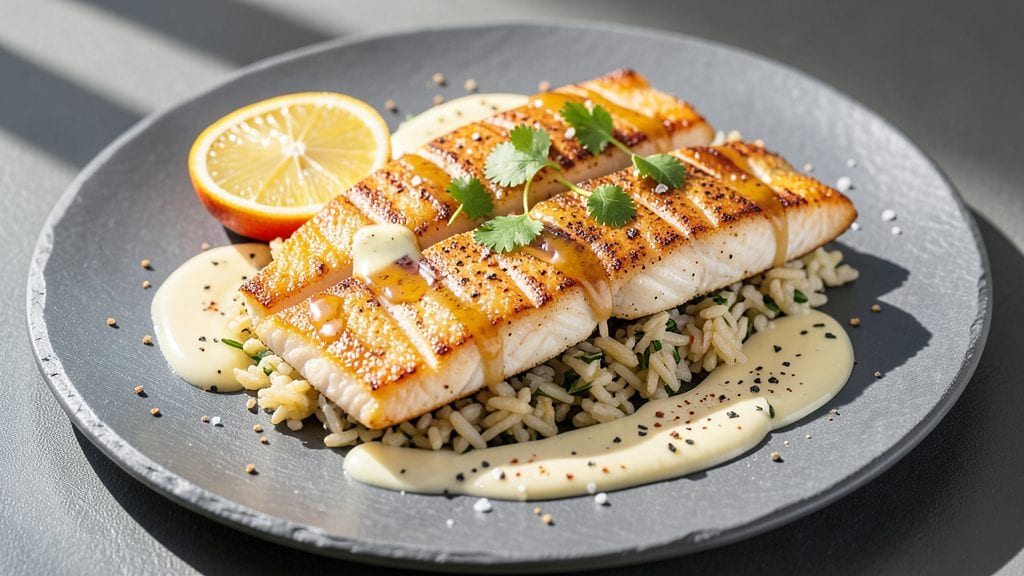
A simple broiled flounder recipe turns this delicate fillet into golden, buttery perfection in just 15 minutes—all thanks to high heat and sharp timing.
This recipe preserves the fish’s tender texture while creating a crisp exterior that melts in your mouth, a technique I’ve perfected after years of testing seafood preparations. The lemon-butter finish adds brightness that cuts through the richness, making every bite feel restaurant-worthy without the fuss.
What sets this method apart is the one-pan approach, where seasoning and cooking work together to lock in flavor. You’ll start with a simple dry rub of salt, pepper, and a touch of paprika, then broil until the edges turn golden and the center flakes effortlessly.
The key is patience—rushing the broil time will leave you with dry fish, while perfecting it delivers that ideal contrast of crisp and tender.
By the time you plate this dish, you’ll have flounder with a crisp exterior and moist interior, topped with a pat of lemon butter that adds a tangy finish.
The aroma alone will have everyone at the table anticipating that first bite, and the presentation is elegant enough for dinner guests but simple enough for a weeknight. Pair it with roasted asparagus or a light arugula salad to complete the meal.
This recipe isn’t just about technique—it’s about confidence. Whether you’re cooking for two or preparing a family meal, the method scales easily, and the results are consistently impressive.
The broiling process ensures even cooking, while the lemon butter ties everything together into a dish that feels special without requiring advanced skills. Let’s get started on creating your best flounder yet.
Ingredients for broiled flounder
Here’s what you’ll need for restaurant-worthy flounder in just 15 minutes—simple ingredients, big flavor.
| Ingredient | Amount | Notes |
|---|---|---|
| Flounder Fillets 🐟 | 2 whole | Skin-on, 6 oz each |
| Unsalted Butter 🧈 | 4 tbsp | Cold, cut into small pieces |
| Lemon Juice 🍋 | 1 tbsp | Freshly squeezed |
| Kosher Salt 🧂 | ½ tsp | Fine grain preferred |
| Freshly Ground Black Pepper 🌶️ | ¼ tsp | Freshly cracked |
| Smoked Paprika 🌶️ | ¼ tsp | For subtle smokiness |
| Fresh Lemon Zest 🍋 | 1 tsp | From 1 small lemon |
| Extra-Virgin Olive Oil 🫒 | 1 tbsp | For greasing pan |
| Fresh Parsley 🌿 | 2 tbsp | Chopped, for garnish |
| Garlic Cloves 🧄 | 1 clove | Minced, optional |
The flounder is the star, so grab the freshest you can find. Seafood counters or trusted fishmongers are best—look for fillets with a bright, translucent skin and no strong fishy smell. If you're buying frozen, thaw it overnight in the fridge. The butter matters too: unsalted, cold butter creates the perfect crispy crust when it melts. I usually grab mine from Whole Foods or the local market, but any good grocery store will have it. For extra confidence, ask for skin-on fillets—the skin helps hold the shape during broiling.
No smoked paprika? Regular paprika or a pinch of cayenne works in a pinch. Short on lemon juice? Lime juice at half the amount gives a similar tang. The parsley is optional but adds freshness—dried oregano at one-third the amount can substitute if you're out. For the garlic, if you don’t have any, skip it—this dish is still delicious without it. And if you’re worried about the butter melting too fast, just add a little more at the end to keep things rich. The key is to keep everything simple while maximizing flavor.
This dish reheats beautifully—just pop it in the oven at 350°F for 5-7 minutes to restore that crispy exterior. Store leftovers in an airtight container for up to 2 days, though it’s best enjoyed fresh. The lemon butter can be made ahead and stored in the fridge for 3 days, so you can prep everything the night before. I always make a little extra butter—it’s perfect for toasting bread or melting over steamed veggies.
Why You'll Love This Recipe
- Five-Ingredient Magic: I swear by this recipe because it’s the kind of dish where you don’t need a grocery list—just butter, lemon, salt, pepper, and flounder. That’s it. No fancy herbs, no confusing techniques, just pure, crispy, buttery fish that feels like a restaurant meal.
- Bright & Buttery Balance: The lemon juice cuts through the richness of the butter, giving you that perfect tangy bite while keeping the flounder tender. Honestly, the first time I tried it, I thought, "Why didn’t I do this sooner?"—it’s that good.
- Weeknight to Dinner Party: This works whether you’re feeding yourself after a long day or hosting a small gathering. Broiled flounder looks elegant but takes less than 15 minutes to cook. (Yes, even on a Tuesday night.)
- Leftovers? Rare, But Reliable: Flounder doesn’t usually last long in my house, but if it does, the leftovers reheat beautifully in a pan with a splash of lemon. Between us, I’ve never had a single piece go to waste.
Step-by-step instructions for broiled flounder recipe
Here's how to make restaurant-quality flounder with crispy skin and tender flesh in just 15 minutes.
Prep the Flounder for Perfect Crispiness
Start by patting the 2 whole flounder fillets completely dry with paper towels. You want them bone-dry so the skin can crisp up properly. Place them skin-side down on a clean cutting board and use a sharp knife to gently score the thickest part of each fillet about 4 times in a crosshatch pattern. This creates little pockets that will hold the butter and prevent curling while cooking.
In a small bowl, mix together the 0.5 teaspoon kosher salt, 0.25 teaspoon freshly ground black pepper, 0.25 teaspoon smoked paprika, and 1 teaspoon fresh lemon zest. Rub this seasoning mixture all over both sides of each fillet, pressing gently so it adheres well. The smoked paprika adds just a hint of smokiness that pairs perfectly with the lemon flavor, while the zest gives that bright citrus punch.
Create the Lemon-Butter Topping
While the flounder is seasoning, prepare the topping by cutting the 4 tablespoons unsalted butter into small pieces. In a separate small bowl, combine the butter pieces with the 1 tablespoon freshly squeezed lemon juice and the 1 minced garlic clove (if using). Mix just until combined—you want the butter to stay in chunks rather than fully melted. This creates pockets of rich, flavorful butter that will melt beautifully on the fish.
Spread this lemon-butter mixture evenly over the top of each flounder fillet, pressing down gently so it sticks. The butter will help create that golden-brown crust while keeping the fish moist inside. If you want extra flavor, you can sprinkle a tiny pinch more salt and pepper over the butter topping before broiling.
Preheat and Prepare the Pan
Preheat your broiler to high heat. This is crucial—high heat gives you that perfect crispy skin while keeping the inside tender. While the broiler heats, lightly grease a baking sheet or broiler pan with the 1 tablespoon extra-virgin olive oil. The oil helps prevent sticking and makes cleanup easier. Place the flounder fillets on the prepared pan, skin-side down.
Position the pan on the middle rack of your oven, about 4-5 inches from the broiler element. This distance ensures even cooking without burning the fish. If your oven has a broiler pan with a handle, leave it on the pan to avoid opening the oven door during cooking—which would let out all that precious heat.
Broil Until Golden and Flaky
Broil the flounder for 4-5 minutes until the skin is golden brown and crispy. You'll know it's ready when the skin looks beautifully browned and the edges start to curl slightly at the corners. The fish should release easily from the pan when you gently lift it with a spatula—this means it's cooked through but still tender.
If you're worried about overcooking, check the fish after 3 minutes. The flesh should flake easily with a fork when tested gently in the thickest part. Once the skin is crispy and the flesh is opaque all the way through, remove the pan from the oven. Let the fish rest for 2 minutes before serving—this allows the juices to redistribute and keeps the flesh moist.
Finish and Serve with Fresh Parsley
While the fish rests, transfer it to serving plates. Spoon any remaining lemon-butter mixture from the pan over the top of each fillet. Sprinkle with the 2 tablespoons chopped fresh parsley for a pop of color and freshness. The parsley not only looks beautiful but also adds a bright, fresh contrast to the rich lemon-butter flavor.
Serve immediately with lemon wedges on the side for squeezing over each bite. The contrast of the crispy skin, tender flesh, and bright lemon flavor makes this one of the simplest yet most impressive fish dishes you can make. The whole process takes less than 15 minutes, but it feels like a gourmet meal every time.
Pro Tips For Making Broiled Flounder
- Dry the Fish First: Pat those flounder fillets thoroughly with paper towels—no wet spots—before seasoning. I learned this the hard way when my butter kept sliding off instead of sticking, and the fish ended up steaming instead of browning. Five minutes with a towel makes all the difference between a sad, soggy mess and a crispy, golden crust.
- Use High Heat, Then Back Off: Crank your broiler to its highest setting for the first 2-3 minutes to sear the butter and salt into the fish. Then drop it to medium-low to finish cooking—flounder goes from perfect to overdone faster than you’d think. Watch it like a hawk after that initial burst.
- Salt the Butter Like It’s Salted: Don’t just melt the butter and drizzle—mix in a generous pinch of kosher salt (about ¼ teaspoon per tablespoon of butter) right in the pan. Unsalted butter is a lie when you’re going for that bright, balanced flavor. Trust me, your taste buds will notice.
- Rest Under Foil for 5 Minutes: As soon as the fish comes off the broiler, tent it loosely with foil and let it sit. Skipping this step means the juices will pool on your plate instead of redistributing. It’s not fancy, but it keeps your flounder tender and the butter from turning to soup.
Serving suggestions for this dish
Lemon Butter Sauce
This dish shines with its signature lemon butter sauce, which adds brightness and richness. I like to serve it drizzled generously over the flounder, with extra sauce spooned onto the side for dipping.
For a restaurant-style touch, finish with a sprinkle of flaky sea salt—just a pinch enhances the lemon flavor beautifully. 💛
Roasted Asparagus
Tender-crisp asparagus is my go-to side for this delicate fish. Toss 1 bunch asparagus (about 12 spears) with 1 tablespoon olive oil, ¼ teaspoon salt, and a pinch of black pepper.
Roast at 425°F for 12-15 minutes until charred at the tips. The natural sweetness of asparagus complements the flounder’s crispy skin without overpowering it.
Garlic Sautéed Spinach
For a lighter option, try garlic sautéed spinach. Heat 1 tablespoon butter in a pan, add 2 minced garlic cloves, then wilt 4 cups fresh spinach with a squeeze of lemon juice.
The garlic adds depth, while the lemon ties back to the flounder’s sauce. Serve immediately to keep the spinach vibrant. ✨
Citrus Salad
A blood orange and avocado salad brings freshness to the plate. Toss 2 cups mixed greens with ½ avocado (cubed), ¼ cup blood orange segments, and a dressing of 1 tablespoon olive oil, 1 teaspoon honey, and 1 teaspoon balsamic vinegar.
The citrus notes mirror the flounder’s lemon flavor, creating a cohesive meal.
Crusty Bread
No seafood meal is complete without crusty bread to soak up the lemon butter sauce. I recommend a baguette or sourdough, lightly toasted and sliced. The bread’s crunch contrasts the fish’s tender texture, and it’s perfect for mopping up every last drop of sauce. 🍞
Wine Pairing
For a perfect pairing, serve with a dry Riesling or Sauvignon Blanc. Both wines have crisp acidity that cleanses the palate between bites of rich, buttery flounder. A chilled glass enhances the lemon notes, making each bite feel even brighter and more refreshing.
Nutrition facts
Frequently asked questions
Why does my flounder turn rubbery when broiled?
Overcooking is the most common cause. Flounder cooks in just 4-5 minutes on high heat—any longer and the delicate flesh turns tough. Use an oven thermometer to confirm your broiler is at 500°F+ and check the fish at 3 minutes to test doneness. Also, pat fillets completely dry before seasoning to prevent moisture from steaming the fish.
Can I use frozen flounder for this recipe?
Yes, but thaw it properly first! Place frozen fillets in a sealed bag and submerge in cold water for 30-45 minutes (no more than 2 hours). For best texture, avoid microwave thawing—it creates uneven cooking. Once thawed, pat completely dry and follow the recipe as written. Skin-on fillets work best for crispiness.
What's the best way to store leftovers?
Store cooked flounder in an airtight container in the fridge for up to 2 days. For reheating, warm in the oven at 350°F for 5-7 minutes to restore crispiness. The lemon butter sauce keeps separately for 3 days—just reheat gently in a saucepan. Never refreeze thawed flounder, as it affects texture.
How do I adjust this for thicker flounder fillets?
For fillets over 1 inch thick, reduce broil time by 1 minute per ¼ inch to prevent overcooking. Test doneness by gently pressing—it should flake easily but not fall apart. For extra insurance, broil skin-side down for 3 minutes, flip, then broil flesh-side down for 1-2 minutes to finish.
What if I don't have smoked paprika?
No problem! Substitute with ½ teaspoon regular paprika + pinch of cayenne for heat, or skip it entirely—the recipe still works. The key flavors come from the lemon and butter. For extra depth, add ¼ teaspoon garlic powder to the seasoning mix. The dish will still taste delicious without smoked paprika.