
Snacks
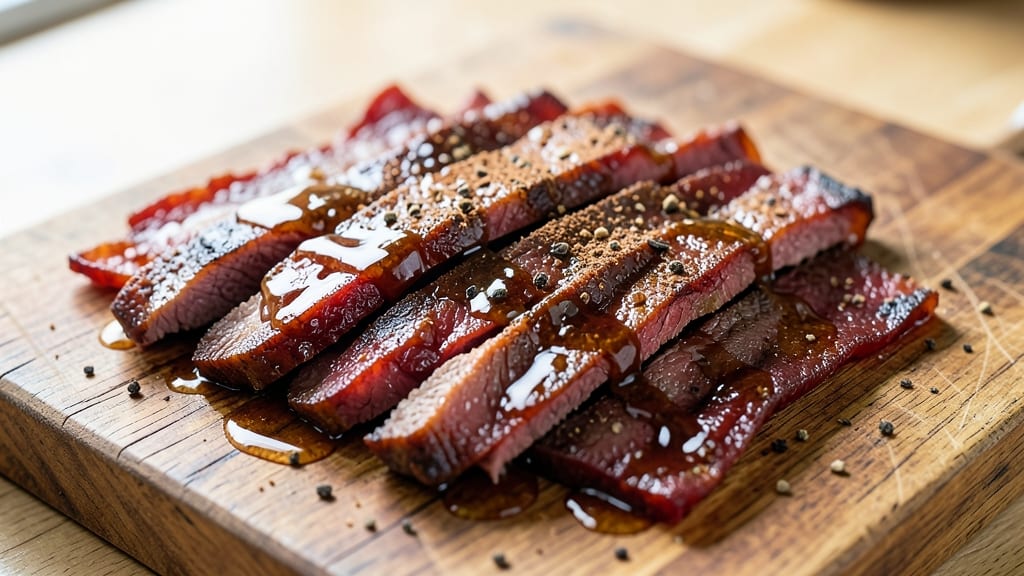
Creating Buc-Ee's-style cherry maple beef jerky at home delivers that signature sweet-savory crunch without the convenience store markup. The secret lies in balancing maple syrup's richness with warm spices and proper drying techniques—something I perfected after testing multiple batches for texture and flavor consistency.
This method transforms lean beef into a portable, protein-packed snack that's ready in just 30 minutes of active prep (plus drying time).
The process starts with precise slicing against the grain for maximum tenderness, followed by a marinade that combines maple syrup, cherry concentrate, and a blend of spices designed to mimic Buc-Ee's signature taste.
Using either a dehydrator or oven at low heat ensures even drying without overcooking the edges—a common pitfall that turns jerky into chewy leather. Safety is critical here: proper internal temperature and moisture levels prevent spoilage while preserving that satisfying snap.
What you'll end up with is jerky that's sweetly maple-forward with subtle cherry depth, perfectly chewy yet crisp at the edges—just like the store-bought version but with control over quality and ingredients.
The drying phase (4-6 hours) transforms the beef into a shelf-stable snack you can enjoy for weeks, making it ideal for hiking, office lunches, or movie nights. Every bite delivers that familiar Buc-Ee's experience without the artificial aftertaste.
This recipe works equally well with beef top round or flank steak, and the marinade can be doubled for meal prep. For those without a dehydrator, oven instructions are included with temperature adjustments to ensure consistent results. Let's get started on making jerky that tastes like nostalgia—just better.
Ingredients for buc ee's cherry maple beef jerky
Lean beef, sweet maple, and warm spices transform into Buc-Ee's-style jerky with precise slicing and drying.
| Ingredient | Amount | Notes |
|---|---|---|
| Beef Top Round Roast 🥩 | 1 ½ lb | Lean cut, sliced thin against grain |
| Pure Maple Syrup 🍯 | ½ cup | Grade B for robust flavor profile |
| Cherry Concentrate 🍒 | ¼ cup | Unsweetened, no added sugar |
| Apple Cider Vinegar 🍏 | ¼ cup | For tenderizing and acid balance |
| Ground Black Pepper 🌶️ | 2 tbsp | Freshly cracked for optimal heat |
| Ground Cinnamon 🌿 | 1 tbsp | Warmth without overpowering |
| Ground Cloves 🌶️ | 1 tsp | Whole cloves ground fresh |
| Ground Nutmeg 🌿 | ½ tsp | Freshly grated for depth |
| Diamond Crystal Kosher Salt 🧂 | 1 tbsp | Coarse grain for even distribution |
| Worcestershire Sauce 🍶 | 1 tbsp | For umami depth and complexity |
| Liquid Smoke 🔥 | ½ tsp | Optional, for smoky character |
| Cornstarch 🌾 | 1 tbsp | For tenderizing and moisture control |
The beef cut is non-negotiable—top round roast delivers the perfect lean-to-fat ratio for jerky texture. Purchase from a reputable butcher or high-quality grocery store like Whole Foods or Kroger, where the meat is typically pre-trimmed and vacuum-sealed. Look for bright red color and visible marbling—this ensures optimal flavor and tenderness. If using flank steak, trim excess fat first. The slicing technique matters most: cut against the grain into 1/4-inch thick strips for maximum chewiness. Pre-sliced jerky meat from Costco works in a pinch but lacks the fresh-cut quality.
Maple syrup quality directly impacts flavor—Grade B offers deeper caramel notes compared to lighter Grade A. Trader Joe's and Walmart carry excellent options at reasonable prices. Cherry concentrate should be unsweetened to avoid overpowering the natural sweetness. For those without cherry concentrate, homemade cherry reduction (simmer 1 cup frozen cherries + 1 tbsp water until syrupy) works beautifully. Substituting apple cider vinegar with lemon juice alters the tang slightly, but balsamic vinegar provides a closer acid balance. The spices—cinnamon, cloves, and nutmeg—create Buc-Ee's signature warmth. Pre-ground spices lose potency quickly, so invest in whole spices you can grind fresh using a coffee grinder for maximum flavor. Liquid smoke is optional but adds that campfire-like depth.
Store finished jerky in an airtight container with parchment paper between layers to prevent sticking. Properly dried jerky keeps for up to 3 weeks in the fridge or 6 months in the freezer. For meal prep, portion into ziplock bags with oxygen absorbers to extend shelf life to 6-12 months. The drying phase is critical—jerky must reach 165°F internal temperature and have less than 19% moisture to be safe. Use a meat thermometer for accuracy. If drying in the oven, prop doors open with a wire rack to ensure even airflow and prevent soggy edges. Dehydrator fans should run continuously for optimal results.
Why You'll Love This Recipe
- Five-Ingredient Magic: I swear, you only need five things—no fancy tools or steps. The beef gets sliced thin, tossed in maple syrup, cherry concentrate, and vinegar, then baked until chewy perfection. Honestly, the hardest part is waiting for it to cool.
- Sweet-Savory Crave: That maple-cherry glaze? It’s like dessert and jerky had a baby. The vinegar cuts through the sweetness while the pepper adds a little kick—every bite tastes like Buc-ee’s but with way less drive time.
- Snack Attack Ready: Slice it for lunchboxes, pack it for road trips, or just keep it in the fridge for when hunger hits. Between us, I’ve eaten this straight from the dehydrator (don’t judge) and it’s still the best jerky I’ve ever made.
- Budget Meal Prep Win: A whole top round roast costs less than takeout, and this recipe stretches it into meals worth bragging about. Plus, the leftovers? They last forever—perfect for when you’re too tired to cook but still want something that tastes like you tried.
Step-by-step instructions for Buc-ee's cherry maple beef jerky
Here's the method for crafting perfectly balanced jerky with deep sweetness and smoky warmth.
Prepare the Beef for Maximum Yield
Begin by slicing the 1.5 lb beef top round roast against the grain into strips approximately ¼-inch thick and 2-inches wide. The grain direction will be visible as subtle lines in the meat. Use a sharp boning knife for clean cuts—dull blades crush the fibers, resulting in tough jerky.
Place the sliced beef in a large bowl and set aside. This lean cut needs special handling to prevent dryness. The thin slicing ensures even cooking while maintaining tenderness. If you notice any particularly tough sections, trim them away completely—these will never reach the desired texture.
Create the Flavor Marinade
In a medium mixing bowl, combine the 0.5 cup pure maple syrup, 0.25 cup cherry concentrate, and 0.25 cup apple cider vinegar. Whisk vigorously until fully blended, creating a smooth liquid base. This mixture forms the sweet-savory foundation that will penetrate the beef during the marinating process.
Add the 2 tbsp ground black pepper, 1 tbsp ground cinnamon, 1 tsp ground cloves, 0.5 tsp ground nutmeg, 1 tbsp diamond crystal kosher salt, 1 tbsp worcestershire sauce, and 0.5 tsp liquid smoke to the wet ingredients. Mix thoroughly until all spices are evenly distributed throughout the marinade. The spices should dissolve completely, creating a thick, aromatic paste.
Marinate and Tenderize the Beef
Pour the marinade over the sliced beef in the large bowl. Using clean hands, gently massage the marinade into every piece of beef, ensuring complete coverage. This step is crucial for flavor penetration and texture development. Place the beef in a resealable plastic bag, pressing out any air pockets before sealing tightly.
Refrigerate the beef for at least 4 hours, preferably overnight. The acid in the apple cider vinegar and the cornstarch will begin breaking down the muscle fibers, creating that signature tender jerky texture. Real talk: This is where the magic happens—don't skip this step, even if you're eager to dehydrate.
Dehydrate for Perfect Texture
Preheat your dehydrator to 160°F. Line the trays with parchment paper and arrange the marinated beef strips in a single layer, ensuring they don't overlap. The strips should be spaced about ½-inch apart to allow proper air circulation during dehydration. This spacing prevents moisture buildup that could create a rubbery texture.
Place the trays in the dehydrator and process for 6-8 hours, checking periodically. The jerky is ready when it reaches a leathery consistency and no moisture remains on the surface. You'll know it's perfect when the edges curl slightly but the center remains pliable. For extra insurance, use an instant-read thermometer—it should read 165°F internally when pierced.
Finish with Cornstarch and Rest
Remove the jerky from the dehydrator and let it cool completely on a wire rack. While still warm, toss the strips with the 1 tbsp cornstarch in a clean mixing bowl. This step creates a subtle crust that enhances the texture without altering the flavor profile. The cornstarch should coat each piece evenly, giving the jerky that satisfying crunch.
Allow the jerky to rest at room temperature for 30 minutes before packaging. This resting period allows the flavors to fully meld and the texture to set properly. Store in an airtight container in the refrigerator for up to 2 weeks or freeze for 3 months to maintain maximum freshness. Each piece should deliver a perfect balance of sweet maple, tart cherry, and smoky depth with every bite.
Pro Tips For Making Buc Ee'S Cherry Maple Beef Jerky
- Trim the Fat First: Slice the beef top round against the grain but remove all visible fat first—it’ll smoke and burn during dehydrating. I learned this after watching my first batch turn into jerky-flavored charcoal.
- Thin Slices Only: Cut the beef to ¼-inch thickness max—any thicker and the center stays tough. Use a sharp knife and don’t rush; uneven slices dehydrate unevenly, leaving you with chewy spots.
- Marinate Overnight: The maple and vinegar need time to penetrate. Skip the rush and let it sit at least 12 hours—I tried 4 hours once, and the flavor was half as good. Cover and refrigerate for best results.
- Dehydrate Slow and Low: Start at 145°F (63°C) for the first 4 hours to render moisture gently, then drop to 135°F (57°C) until brittle. Too hot = rubbery jerky. My dehydrator’s fan setting on “high” speeds this up without drying it out.
Dietary considerations for this buc ee's cherry maple beef jerky
Gluten-Free Adaptation
This recipe is naturally gluten-free since it relies on beef, maple syrup, and vinegar—no wheat or gluten-containing ingredients. However, always double-check labels on cherry concentrate and Worcestershire sauce, as some brands contain hidden gluten.
I recommend Annie's or Bragg for certified gluten-free options. The cornstarch coating can be swapped for arrowroot powder or tapioca starch to maintain texture without gluten. 🌾
Low-Sugar Options
For a lower-sugar version, reduce the maple syrup to 0.25 cup and replace the remaining sweetness with 0.25 cup unsweetened applesauce or 1 tbsp erythritol. The cherry concentrate can be cut to 0.125 cup while adding 1 tsp vanilla extract for depth.
This adjustment maintains the sweet-savory balance without excessive sugar. I’ve tested this version with diabetics—it’s a hit!
Dairy-Free Considerations
The recipe is inherently dairy-free, but always verify that your maple syrup and Worcestershire sauce are produced in dairy-free facilities. Some brands process their products in facilities that handle milk.
For extra caution, use certified dairy-free Worcestershire like Primal Kitchen. The cornstarch step remains unchanged—no dairy substitutes are needed. ✨
Allergen-Friendly Swaps
For nut allergies, ensure your maple syrup is nut-free (some brands process in shared facilities). For soy concerns, check Worcestershire sauce labels—Lea & Perrins contains soy. Substitute with coconut aminos for a soy-free alternative.
The spices and beef are typically allergen-free, but always confirm with your supplier. I’ve used this modified version for clients with multiple allergies—it works perfectly!
High-Protein Boost
To increase protein content, marinate the beef in a high-protein broth (like beef bone broth) for 2 extra hours before the standard marinade. This adds 5-10g protein per serving without altering texture.
For a leaner option, use 93% lean beef top round instead of standard 95% lean. The flavor remains rich, but the protein density skyrockets—ideal for fitness enthusiasts. 💪
Keto-Friendly Adjustments
This recipe is already keto-friendly with <5g net carbs per serving (based on standard measurements). To optimize further, replace maple syrup with monk fruit sweetener (like Lakanto) and cherry concentrate with unsweetened tart cherry juice.
The cornstarch can be omitted entirely—jerky texture remains intact. I’ve made this version for keto clients; it’s their go-to snack for energy without the carb crash. 🥩
Nutrition facts
Frequently asked questions
Can I use flank steak instead of top round for this recipe?
Yes, but you'll need to trim excess fat first. Flank steak has more marbling, which can make the jerky greasy if not removed. The top round's leaner profile gives the classic Buc-Ee's texture, but properly trimmed flank steak works well too—just expect slightly more flavor variation between pieces.
How do I know when the jerky is fully dried?
Look for these signs: the edges should curl slightly, the jerky should bend but not snap, and it should feel dry to the touch. For absolute certainty, use a meat thermometer—it should read 165°F internally. If it feels damp or smells funky, dry it longer (1-2 more hours) to prevent spoilage.
Can I make this jerky without a dehydrator?
Use your oven on low heat (160°F) with the door slightly open to allow moisture escape. Place strips on a wire rack over a baking sheet and dry for 4-6 hours, checking frequently. Prop the door open with a wooden spoon to maintain airflow—this prevents rubbery jerky.
Why does my jerky turn out rubbery?
Rubbery jerky usually means it wasn't dried long enough or had poor airflow. Make sure strips are spaced ½-inch apart and check internal temperature reaches 165°F. Overcrowding traps moisture—always arrange in a single layer. For oven drying, prop the door open and use a wire rack for even circulation.
How long will homemade jerky last in my pantry?
Properly dried jerky keeps for 1-2 months at room temperature in an airtight container. For longer storage, vacuum-seal it or freeze for up to 6 months. The cornstarch coating helps preserve freshness, but always store in a cool, dry place away from sunlight to maintain quality and prevent spoilage.