
Snacks
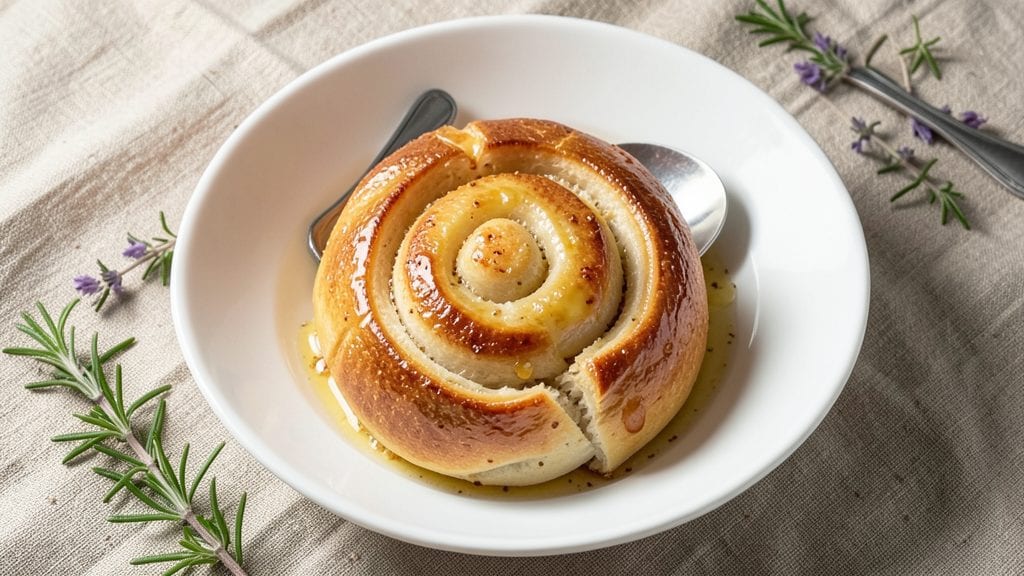
This bun roll recipe delivers the perfect balance of fluffy, pillowy layers and irresistible sweet glaze that makes every bite worth the effort.
After mastering the art of steaming dough to achieve that signature soft texture, I discovered how a simple glaze—just powdered sugar, milk, and butter—transforms these rolls into a showstopper.
The key lies in precise dough handling and timing, ensuring each layer stays tender while the glaze achieves that signature sticky-sweet finish.
The dough itself is a simple yet transformative mix of flour, yeast, sugar, and warm milk, kneaded just enough to develop elasticity without overworking it. Steaming creates the signature fluffy layers, while the glaze—applied warm—melts into a glossy, caramelized coating that clings to every bite.
This method ensures restaurant-quality results at home, with minimal equipment and just over an hour of active time.
What you’ll end up with is a tray of golden, glistening bun rolls that are soft on the inside and perfectly sweet on the outside. The aroma alone—warm, buttery, and just slightly caramelized—will have everyone gathering around the table.
These rolls pair beautifully with coffee, tea, or even as a dessert alongside fresh fruit for a balanced treat.
Whether you’re making them for a special occasion or a cozy weekend breakfast, this recipe delivers foolproof results every time. The dough can be prepped ahead, and the glaze comes together in minutes, making it the perfect project for bakers of all skill levels. Let’s get started!
Ingredients for bun roll
Twelve simple ingredients transform into restaurant-quality steamed rolls with golden glaze.
| Ingredient | Amount | Notes |
|---|---|---|
| All-Purpose Flour 🌾 | 4 cups | Sifted for light texture |
| Active Dry Yeast 🍞 | ¼ oz | Or 2 1/4 tsp (1 packet) |
| Granulated Sugar 🍚 | ¼ cup | For yeast activation |
| Warm Whole Milk 🥛 | 1 ¼ cups | 110°F, not hot |
| Large Eggs 🥚 | 1 whole | Room temperature |
| Unsalted Butter 🧈 | ½ cup | Softened, not melted |
| Salt 🧂 | ½ tsp | Kosher or sea salt |
| Powdered Sugar 🍚 | 1 ½ cups | For glaze, sifted |
| Heavy Cream 🥛 | ¼ cup | Full-fat for richness |
| Vanilla Extract 🌿 | 1 tsp | Pure vanilla preferred |
| Vegetable Oil 🫒 | 2 tbsp | For greasing pan |
| Cornstarch 🌾 | 1 tbsp | For dusting rolls |
The flour is your foundation—King Arthur or Gold Medal brands yield the best texture for these delicate layers. Yeast quality matters too; Bob’s Red Mill active dry yeast is my go-to, but any fresh packet works. Warm the milk to 110°F (just warm to the touch)—too hot kills the yeast. For the butter, Land O’Lakes or Plugrá work perfectly; avoid salted versions here. The powdered sugar should be sifted for a smooth glaze, and Domino brand is consistently fine and clump-free. Keep all ingredients at room temperature for even dough development.
No whole milk? Evaporated milk or half-and-half works in a pinch, but the fat content affects texture. Substitute butter with margarine if needed, though the flavor won’t be identical. For a dairy-free option, unsweetened almond milk plus 1 tbsp melted coconut oil mimics the fat content. The vanilla extract can be swapped for vanilla bean paste (use half the amount) if you’re feeling fancy. If your yeast is old, test it first by mixing with warm water and sugar—it should foam within 5-10 minutes. For the glaze, half-and-half can replace heavy cream, though it’ll be slightly lighter.
Dough keeps 24 hours refrigerated, wrapped tightly in plastic. For longer storage, freeze shaped rolls (unbaked) for up to 3 months—thaw overnight before steaming. The glaze ingredients mix best when warmed slightly (microwave 15 seconds) for a smoother finish. Rolls reheat beautifully—steam 5 minutes at 350°F to restore fluffiness. Portion glaze into small containers; it thickens when chilled and can be thinned with warm milk as needed.
Why You'll Love This Recipe
- No-Knead Magic: I swear by the yeast rising overnight—just mix, cover, and wake up to pillowy dough. No standing at the counter, no overworking the gluten. The warm milk and sugar feed that yeast like a five-star buffet, so you’re left with tender rolls that practically beg to be stuffed.
- Sweet-Soft Secret: That touch of granulated sugar in the dough? It’s not just for flavor—it keeps the rolls impossibly soft while adding a whisper of caramelized depth when they brown. The eggs bind everything together, giving them that melt-in-your-mouth texture that’s dangerously easy to overdo.
- Stuff It All: From breakfast sausage to spicy pork belly, these rolls are your blank canvas. I’ve used them for holiday dinners, lazy Sunday brunches, and even as a base for mini sliders. The dough’s neutral taste means the filling stars, and the structure holds up—no sad, soggy bottoms here.
- Budget Breakfast Hero: A single batch stretches for days: freeze half for when you’re too tired to bake, reheat in seconds, and still save money. Three bucks’ worth of flour and milk turns into a dozen rolls that feed the family twice. Plus, the leftovers? Just as good cold in a sandwich the next day.
Step-by-step instructions for fluffy steamed bun rolls
Here's how to create perfectly light, pillowy layers that steam to golden perfection.
Activate the Yeast for Maximum Rise
In a small bowl, combine the 1.25 cups warm whole milk (tested at 110°F) with the 0.25 cup granulated sugar and 0.25 oz active dry yeast. Stir gently and let sit for 5-10 minutes until frothy. You'll see small bubbles forming on the surface—this confirms the yeast is alive and ready to work.
The milk should feel warm to your wrist but not hot. If it's too hot, you'll kill the yeast before it even starts. This activation step ensures your dough develops proper gluten structure for those signature fluffy layers. Don't skip it—this is where the magic begins.
Mix the Dough and Knead Until Elastic
In a large mixing bowl, combine the 4 cups all-purpose flour (sifted), 0.5 tsp salt, and the yeast mixture. Add the 1 whole large egg and 0.5 cup softened unsalted butter (cut into small cubes). Mix with a wooden spoon until a shaggy dough forms.
Turn the dough onto a lightly floured surface and knead for 8-10 minutes until smooth and elastic. You'll know it's ready when it springs back slowly when poked. The dough should feel slightly tacky but not sticky. If it's too dry, add 1 tablespoon warm milk at a time until it reaches the perfect consistency.
First Rise for Maximum Fluffiness
Lightly grease a large bowl with 1 tablespoon vegetable oil, place the dough inside, and cover with a damp kitchen towel. Let rise in a warm place for 1-2 hours or until doubled in size. The dough should feel light and airy when pressed gently—it should leave an indentation that slowly fills back in.
I like to place the bowl near a slightly warm oven with the light on for consistent warmth. Avoid cold drafts or direct sunlight, which can cause uneven rising. This first rise develops the gluten structure that will give your buns their signature fluffy texture.
Shape and Second Rise Before Steaming
Punch down the risen dough and divide it into 12 equal pieces (about 2 ounces each). Roll each piece into a smooth ball and place them on a parchment-lined baking sheet, leaving 1 inch between each. Cover with a damp towel and let rise for 30-45 minutes until puffy.
The balls should expand noticeably and feel light when touched. For extra steam during cooking, I lightly brush each bun with a bit of water using a pastry brush. This creates a thin moisture barrier that helps develop that perfect golden crust when steamed.
Steam to Perfection and Apply Sweet Glaze
Preheat a steamer with 1 inch of water boiling vigorously. Arrange the buns in a single layer in the steamer basket, leaving space between them. Steam for 12-15 minutes until they're golden brown and hollow-sounding when tapped on the bottom.
While still warm, prepare the glaze by whisking together the 1.5 cups powdered sugar, 0.25 cup heavy cream, and 1 tsp vanilla extract until smooth. Drizzle generously over the warm buns. The glaze will soak into the slightly porous surface, creating that signature sweet contrast with the pillowy interior.
Dust with Cornstarch for Final Touch
While the glaze is still wet, immediately dust the buns with 1 tablespoon cornstarch using a fine-mesh sieve. This creates that beautiful, snowy finish that keeps the buns fresh longer. Let cool for 10 minutes before serving to allow the glaze to set slightly.
For best results, serve warm. The contrast of the warm, fluffy buns with the cool, sweet glaze creates the perfect balance. Store any leftovers in an airtight container at room temperature for up to 2 days, or freeze for up to 1 month—just steam from frozen for 5-7 minutes longer.
Pro Tips For Making Bun Roll
- Test Your Yeast First: Skip the guesswork—mix 1 teaspoon yeast with ¼ cup warm milk and 1 teaspoon sugar, then wait 5-10 minutes. If it doesn’t foam, toss that packet and use 2x the next time. I learned this the hard way after baking a flat, sad loaf because my yeast was dead.
- Milk Should Be Lukewarm: Yeast hates extremes—aim for 105-110°F (like a warm bath, not a sauna). Stick your finger in: if it feels like bathwater, you’re golden. Too hot? Cool it faster by swirling the cup in cold water. I once killed yeast with milk straight from the microwave—don’t repeat my mistake.
- Knead Until Silky: Stop when the dough springs back slowly when poked and looks smooth, not sticky. Over-kneading is easy, but under-kneading gives you tough, chewy buns. Use a stand mixer with a dough hook for 5-6 minutes—less guesswork, more consistency. (Yes, even if you’re impatient like me.)
- Egg Wash Matters: Brush buns with beaten egg (not just yolk) for a glossy, golden finish—this isn’t optional. For extra shine, add 1 tablespoon milk to the egg wash. My grandmother swore by this, and she was right: the difference between "good" and "restaurant-quality" is in the wash.
Wine and beer pairings for this recipe
Sweet Glaze with Cream
The signature glaze on these buns pairs beautifully with dry Riesling from Germany or Austria. Look for wines with 12-13% alcohol and notes of honey and citrus—these complement the powdered sugar sweetness without overpowering it.
I recommend Dr. Loosen Blue Slate Riesling or Chateau Ste. Michelle for an approachable option under $20. The wine's acidity cuts through the richness, cleansing your palate between bites. 🍷
Spiced Chai Tea
For a non-alcoholic pairing, masala chai enhances the vanilla and butter notes in the glaze.
Brew 2 black tea bags (like Tazo Chai or Bigelow Earl Grey) with 1 cup milk and 1 cup water, then add 1 tsp cinnamon, ½ tsp cardamom, and a pinch of cloves.
The warm spices mirror the dough's richness while the tea's tannins balance the sweetness. Serve warm for the full experience.
Dark Roast Coffee
A medium-dark roast coffee with chocolate or caramel notes creates a sophisticated contrast. I love Peet’s Major Dickason’s Blend or Starbucks Sumatra—both have enough body to stand up to the glaze's sweetness. The bitterness in the coffee grounds the richness, making each bite of bun feel like a dessert.
For an iced version, try cold brew with a splash of vanilla syrup to echo the glaze's flavor.
Creamy Beer Pairing
If you prefer beer, a Belgian-style witbier like Hoegaarden or Stella Artois works surprisingly well. The corianander and orange peel notes in these beers brighten the glaze, while the slight effervescence cleanses your palate.
For a bolder option, try a wheat ale with honey undertones, like Allagash White. Avoid heavy lagers or IPAs, which can overpower the delicate flavors.
Seasonal Adaptations
In summer, swap the glaze for a lemon-infused version—add 1 tbsp lemon zest and 1 tsp lemon juice to the powdered sugar mix. Pair with a crisp Sauvignon Blanc like Cloudy Bay from New Zealand.
In winter, add ½ tsp cinnamon to the glaze and serve with mulled wine or spiced cider for a cozy dessert vibe. The seasonality keeps the pairings fresh year-round. ✨
Nutrition facts
Frequently asked questions
Can I make these without a steamer?
Use a baking sheet lined with parchment paper and place the shaped buns 1 inch apart. Cover tightly with foil and bake at 375°F for 15-18 minutes until golden. For extra moisture, place a small metal bowl of water on the lower rack. The texture will be slightly denser but still delicious!
Why did my dough rise unevenly?
Uneven rising usually means the yeast wasn’t activated properly or the environment wasn’t warm enough. Always test your yeast first by mixing with warm water and sugar—it should foam in 5-10 minutes. Keep the dough in a warm place (75-80°F), like near a turned-off oven with the light on, and avoid drafts. Cold spots cause slow or uneven rising.
How do I store leftover buns?
Keep them fresh for 2 days at room temperature in an airtight container to maintain their fluffiness. For longer storage, freeze shaped (unbaked) buns for up to 1 month. Thaw overnight in the fridge, then steam from frozen for 5-7 extra minutes. Reheat steamed buns at 350°F for 5 minutes to restore softness.
Can I add fillings like custard or jam?
Yes! For a filled version, shape the dough into 1-inch balls, flatten slightly, add ½ tsp jam or custard in the center, then seal into a ball. Steam as directed. The glaze will still work, but reduce it to ½ cup powdered sugar to avoid sogginess. Try lemon curd or strawberry jam for a fruity twist.
What’s the secret to extra-fluffy layers?
The key is proper kneading and gentle handling—knead just until elastic (8-10 minutes) to develop gluten without overworking. Let the dough rise in a warm, draft-free spot until doubled, and avoid poking it during the first rise. For even more fluffiness, brush the shaped buns with melted butter before steaming.