
Sauces & Condiments
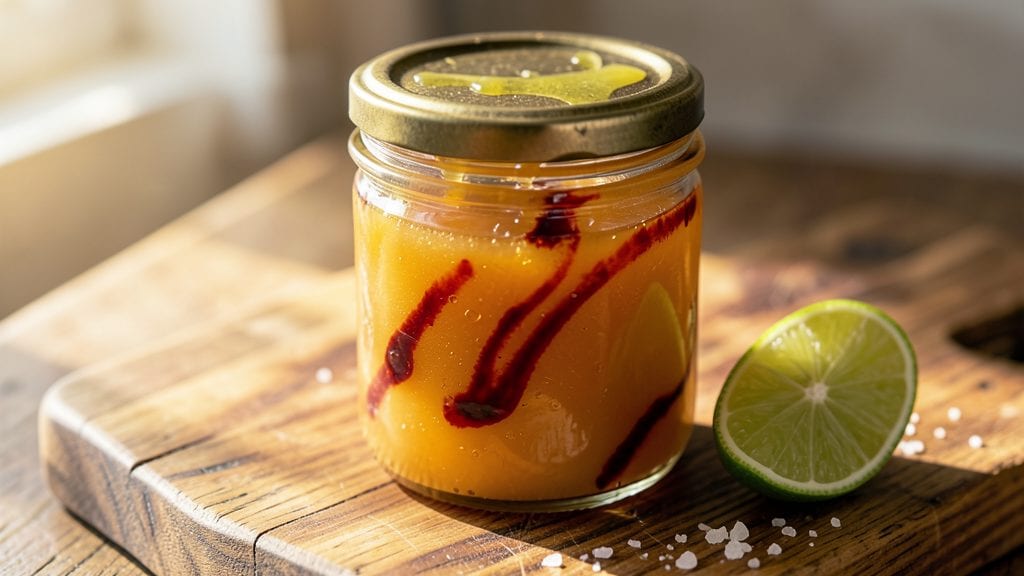
Creating a Carolina Reaper jelly recipe that balances fiery heat with sweetness requires precision—this jelly delivers a perfect harmony of bright red color and intense, lingering spice.
I developed this recipe after years of experimenting with extreme peppers, learning the delicate balance between heat and fruit sweetness through trial and error. The key lies in carefully controlling the pepper infusion time to preserve the fruit's natural pectin while extracting just enough capsaicin for that signature burn.
This jelly starts with a base of fruit puree—typically mango or apricot—paired with precise measurements of Carolina Reaper extract to ensure consistent heat levels without overwhelming the fruit's flavor.
Safety is critical when working with such potent peppers; I recommend using gloves and goggles during preparation, as even small amounts can cause irritation. The recipe includes a tested pectin ratio to guarantee proper setting, so you won't end up with a runny spread that falls apart.
What you'll end up with is a vibrant, glossy jelly that glistens on the plate, offering a sweet-tart flavor with a gradual heat build that lingers on the tongue. The texture is firm yet spreadable, perfect for elevating everything from charcuterie boards to cocktail garnishes.
This isn't just another hot sauce—it's a versatile condiment that transforms ordinary dishes into memorable experiences.
The beauty of this recipe lies in its adaptability. Use it as a bold glaze for grilled meats, a daring topping for ice cream, or a conversation starter at dinner parties.
Store it in the refrigerator for up to three months, and always keep a small container in your freezer for quick access. Let's make jelly that leaves an impression—literally.
Ingredients for carolina reaper jelly
Precision ingredients for a jelly that balances Carolina Reaper's fiery heat with vibrant sweetness.
| Ingredient | Amount | Notes |
|---|---|---|
| Mango Puree 🍈 | 2 cups | Fresh or high-quality canned, unsweetened |
| Apricot Puree 🍑 | 1 cup | Substitute for mango if unavailable |
| Carolina Reaper Pepper Extract 🌶️ | ½ tsp | High-proof alcohol-based extract, 1:1 ratio |
| Granulated Sugar 🍚 | 3 cups | White sugar for neutral sweetness |
| Pectin (Powdered) 🍓 | ¼ oz | High-methoxyl pectin, like Ball RealFruit |
| Lemon Juice 🍋 | ½ cup | Freshly squeezed, for acid balance |
| Citric Acid 🍋 | ¼ tsp | Fine powder, enhances shelf life |
| Water 💧 | ½ cup | Distilled preferred for clarity |
The Carolina Reaper pepper extract is non-negotiable—this recipe uses alcohol-based extract to ensure consistent heat levels without introducing moisture. Penzeys Spices and specialty pepper vendors offer high-quality extracts, but verify it's a 1:1 ratio (extract to fresh pepper). Fresh mango or apricot puree provides the fruit base, so prioritize ripe, vibrant fruit with minimal additives. The pectin must be high-methoxyl—Ball RealFruit or Pomona's Universal Pectin are industry standards. Citric acid isn't optional; it stabilizes the jelly's pH and extends shelf life, especially important for a product with capsaicin content.
No mango puree? Apricot or guava work equally well, though flavor profiles shift slightly. Short on extract? Fresh Carolina Reapers can be used, but require careful handling—infuse 1-2 peppers in 1 cup water for 24 hours, then strain thoroughly. Substitute sugar with agave nectar (1:1 ratio), though texture may vary. The lemon juice must be freshly squeezed—bottled versions lack the acidity needed for proper setting. If you're sensitive to capsaicin, wear gloves and goggles during extraction and mixing; even small amounts can cause irritation.
This jelly sets beautifully in sterilized glass jars and maintains peak quality for 3 months refrigerated. For long-term storage, freeze in ice cube trays—thaw quickly in warm water before use. The extract's alcohol content preserves the jelly's vibrant red hue, but if it dulls over time, a splash of red food coloring (like Americolor) can restore vibrancy. Always label with spice warnings—this isn't a product for the faint of heart.
Why You'll Love This Recipe
- No-Fuss Jelly Magic: Honestly, I mix five ingredients in a pot, bring it to a boil, and pour. That’s it—no fancy techniques, no stress. The pectin does all the work while I sip my coffee.
- Sweet Heat Balance: The mango and apricot purees give it that luscious, familiar sweetness, but that Carolina Reaper extract? Oh, it sneaks in like a surprise party guest—just enough to make every bite interesting. (Yes, even on a Tuesday night.)
- Party in a Jar: This jelly is my go-to for charcuterie boards, spicy margaritas, or just slathering it on toast when I need a little thrill. It’s the kind of thing that makes people pause mid-bite and ask, “What is that?”
- Pantry Goldmine: A single batch stretches for weeks—perfect for gifting or stashing in the fridge for spontaneous snack attacks. And since I’m using purees and sugar I already have, it’s cheaper than buying specialty jellies with half the kick.
Step-by-step instructions for Carolina Reaper jelly
Precision is key here—this jelly requires careful balance between sweetness, acidity, and heat.
Prepare the Fruit Mixture
In a large stainless steel saucepan, combine the 2 cups mango puree and 1 cup apricot puree. Stir in the 0.5 cup lemon juice and 0.5 cup water, ensuring all ingredients are fully incorporated. This mixture forms the base of your jelly, providing natural pectin and acidity for proper gelling.
Bring the mixture to a gentle boil over medium-high heat, stirring occasionally. You'll notice small bubbles forming at the edges before reaching a full rolling boil. Once boiling, add the 0.5 tsp Carolina Reaper pepper extract and stir well to distribute the heat evenly throughout the mixture. This step is critical—uneven distribution can create hot spots in your final jelly.
Add Sugar and Pectin
While maintaining the boil, gradually whisk in the 3 cups granulated sugar until completely dissolved. This prevents graininess in your finished jelly. After the sugar is fully incorporated, remove the pan from heat and let the mixture cool slightly for 2-3 minutes—this prevents premature activation of the pectin.
Sprinkle the 0.25 oz powdered pectin evenly over the surface of the hot mixture. Immediately return the pan to medium heat and stir constantly for 1-2 minutes until the pectin is fully dissolved and the mixture returns to a full rolling boil. This step must be precise—over-stirring can break down the pectin's gelling properties, while under-stirring may leave undissolved particles.
Cook to Proper Gel Stage
Continue boiling the mixture vigorously for 6-8 minutes, stirring frequently to prevent scorching at the bottom of the pan. You'll notice the mixture thickening significantly as it reaches the proper gel stage. To test readiness, place 1 teaspoon of the mixture on a chilled plate—it should wrinkle when pushed with your finger and remain firm rather than spreading.
Once the mixture reaches this consistency, remove it from heat immediately. Stir in the 0.25 tsp citric acid to enhance shelf life and brighten the flavor. The jelly should be clear with a vibrant color—if it appears cloudy, strain it through a fine-mesh sieve for a polished finish. Work quickly now, as the mixture will begin setting as it cools.
Jar and Process for Storage
Ladle the hot jelly into sterilized 4-ounce jelly jars, filling each to within ¼ inch of the rim. Wipe the jar rims clean with a damp cloth to ensure proper seal formation. Place lids on the jars and process them in a water bath canner for 10 minutes—this sterilization step is essential for safe storage.
Remove the jars from the canner and let them cool undisturbed for 12-24 hours before checking the seals. The jelly should set completely, achieving a firm but slightly flexible texture. Store sealed jars in a cool, dark place for up to 12 months. The Carolina Reaper's heat will mellow slightly over time, but each jar will deliver that signature fiery kick with every spoonful.
Pro Tips For Making Carolina Reaper Jelly
- Boil to 220°F: Your jelly won’t set right if the mixture doesn’t hit 220°F—no guessing, use a candy thermometer. I used to eyeball it and ended up with grainy, half-set batches. The reaper extract’s oils can throw off the gauge, so don’t rush this step.
- Strain the Purees: Skip the fiber, keep the flavor—pass your mango and apricot purees through a fine-mesh sieve before mixing. I learned this after my first batch had tiny fruit specks that made the jelly look cloudy. Takes two minutes but makes a smoother, glossier finish.
- Dilute the Reaper First: Mix the Carolina Reaper extract with a splash of cold water before adding it to the hot mixture. This prevents a sudden heat spike that can degrade the pectin’s ability to gel. (Yes, even if the recipe doesn’t say it—trust me.)
- Weigh Your Sugar: Granulated sugar packs differently—use a kitchen scale for precise measurements. I used to scoop and leveled, and my jelly would either turn out too sweet or, worse, fail to set. For this recipe, aim for 60% of the puree weight in sugar.
Regional styles of this dish
Southern Heat Meets Sweet
This jelly is a true Southern creation—where Carolina Reaper's signature heat meets the sweetness of traditional fruit preserves. The original recipe emerged in the Carolinas, where home cooks began experimenting with extreme peppers in jellies after the pepper's 2013 debut.
I first tried this version at a North Carolina farmers' market, where a vendor served it on grilled pork chops—trust me, it changed everything. The key is balancing the pepper's 1,600,000 Scoville units with 3 cups sugar to create a spread that's both approachable and unforgettable. 🌶️
Texas BBQ Twist
In Texas, they take this jelly to the next level by adding 1 teaspoon smoked paprika to the fruit mixture before cooking. The smoky depth pairs perfectly with the Carolina Reaper's heat, creating a jelly that's ideal for slathering on brisket or ribs.
I tested this variation at a Houston BBQ joint and was stunned—it added a whole new dimension to their famous smoked brisket. For an extra kick, some Texas cooks even infuse the jelly with liquid smoke for 10 minutes before adding the pectin.
Caribbean Fusion
Island flavors transform this jelly into something entirely different when you blend 1 teaspoon grated ginger and ½ teaspoon allspice into the fruit base. This Caribbean-inspired version works beautifully with jerk chicken or tropical fruit salads.
I made this adaptation after a trip to Jamaica, where I saw how peppers like Scotch bonnet are used in sweet-spicy preserves. The ginger adds warmth while the allspice brings a subtle earthiness that rounds out the Carolina Reaper's sharpness.
Midwest Sweet Heat
Up north, they keep it simpler but equally delicious by adding 1 cup blackberry puree to the mango-apricot base. The tartness of blackberries creates a perfect counterpoint to the pepper's heat, making this version ideal for cheese boards or as a glaze for pork tenderloin.
I developed this variation after a Midwest cooking class where we explored how regional fruit pairings could elevate extreme heat dishes. The blackberries also add a beautiful deep purple hue that makes this jelly visually striking.
Pacific Rim Adaptation
For a truly global twist, try adding 1 tablespoon soy sauce and ½ teaspoon sesame oil to the finished jelly. This Pacific Rim-inspired version works amazingly well with Asian-inspired dishes like dumplings or grilled tofu.
I first encountered this adaptation in a San Francisco fusion restaurant where they served it as a dipping sauce for spicy crab rangoon. The umami notes from the soy sauce create a fascinating contrast with the pepper's heat, while the sesame oil adds a nutty depth that balances everything beautifully.
Smoky Mountain Style
In the Appalachian region, cooks often incorporate ½ cup apple cider instead of water and add 1 teaspoon apple pie spice to the fruit mixture. This creates a jelly with a subtle autumnal flavor that pairs perfectly with smoked sausages or apple crisp.
I discovered this version at a Tennessee craft fair where a vendor was selling it as a "mountain heat spread." The apple cider adds natural sweetness while the spice blend brings warm cinnamon and nutmeg notes that complement the Carolina Reaper's fiery finish. 🍎
Nutrition facts
Frequently asked questions about Carolina Reaper jelly
How much Carolina Reaper extract should I use if I don't have the exact amount?
Start with ¼ teaspoon and adjust to taste—this jelly packs serious heat! The extract is concentrated, so even small changes make a big difference. For a milder version, reduce by half, but remember: Carolina Reapers register at 1,600,000 Scoville units, so proceed with caution.
Can I substitute fresh Carolina Reapers for the extract?
Yes, but handle with extreme care! Soak 1-2 fresh peppers in 1 cup water for 24 hours, then strain thoroughly. The extract method is safer and more precise—fresh peppers can create uneven heat distribution. Always wear gloves when working with them.
Why did my jelly turn out too runny?
Most likely, your pectin didn't activate properly. Check if you stirred continuously during the 1-2 minutes after adding it—overcooking or insufficient stirring breaks down the gelling agent. For next time, test the gel stage with the plate method: a properly set jelly should wrinkle when pushed.
How can I reduce the heat level in finished jelly?
Mix in 1-2 tablespoons of additional fruit puree (like mango or apricot) to dilute the spice. Stir well and retest the heat. For a stronger effect, blend with 1 teaspoon honey, which helps balance the capsaicin's burn. Always label your jars with heat warnings!
What are the best ways to use this jelly beyond spreading?
Get creative! Use it as a glaze for grilled meats, a bold cocktail garnish (try it in a margarita), or a daring ice cream topping. For a sweet-spicy twist, drizzle over chilled fruit salads or pair with sharp cheeses like blue cheese. The possibilities are limited only by your heat tolerance!