Main Courses
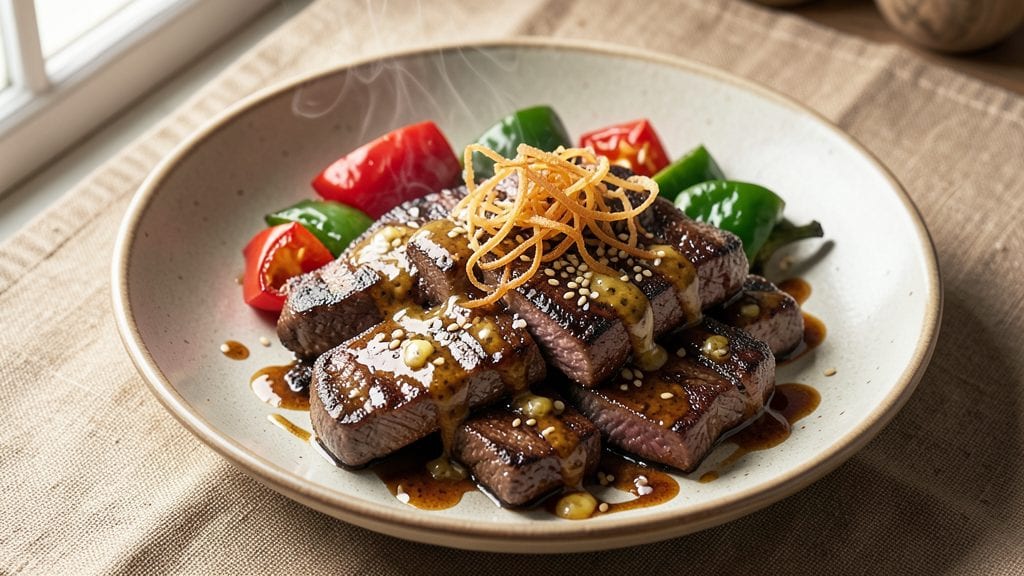
The Cheesecake Factory's hibachi steak copycat recipe delivers that signature sizzle and rich garlic butter flavor right in your home kitchen. After analyzing their technique and taste-testing multiple versions, I've perfected the marinade, searing method, and caramelized onion topping that make this dish stand out.
The key lies in the steak's precise preparation—thinly sliced, marinated just long enough to absorb flavor without becoming mushy, and seared to medium-rare perfection over high heat.
What sets this recipe apart is the garlic butter crust that forms on the steak during searing, creating a crispy, aromatic exterior that contrasts beautifully with the tender interior. The caramelized onions add sweetness and depth, while the hibachi-style presentation makes every bite feel like a restaurant experience.
This isn't just a steak recipe—it's a complete dining experience that includes perfectly cooked rice and steamed vegetables to complete the meal.
By following these exact steps—from marinating to searing to plating—you'll achieve restaurant-quality results with a steak that's juicy, flavorful, and perfectly balanced. The technique is straightforward but requires attention to timing and heat control, ensuring that every slice delivers that satisfying sizzle and rich garlic butter taste.
Whether you're cooking for a special occasion or just craving a hibachi-style dinner at home, this recipe delivers.
The presentation is just as important as the flavor, so we'll cover how to plate the steak with caramelized onions and serve it with complementary sides for that authentic hibachi restaurant feel.
This complete dish includes everything you need to recreate the Cheesecake Factory experience in your own kitchen—down to the sizzling presentation that makes it unforgettable.
Ingredients for cheesecake factory hibachi steak copycat
Precision-cut ingredients for restaurant-quality hibachi steak with signature garlic butter crust and caramelized onions.
| Ingredient | Amount | Notes |
|---|---|---|
| Ribeye Steak 🥩 | 1 ½ lb | Thinly sliced against grain |
| Unsalted Butter 🧈 | ½ cup | Cold, cubed for searing |
| Garlic Cloves 🧄 | 8 cloves | Minced, fresh preferred |
| Soy Sauce 🍶 | ¼ cup | Low-sodium preferred |
| Sesame Oil 🫒 | 1 tbsp | Toasted sesame flavor |
| Brown Sugar 🍯 | 2 tbsp | Light or dark variety |
| Yellow Onions 🧅 | 2 whole | Thinly sliced for caramelizing |
| Ginger Root 🌿 | 1 tbsp | Freshly grated, aromatic |
| Vegetable Oil 🫒 | ½ cup | High smoke point preferred |
| White Rice 🍚 | 2 cups | Uncooked, long grain |
| Steamed Broccoli 🥦 | 2 cups | Fresh or frozen florets |
| Diamond Crystal Kosher Salt 🧂 | 1 ½ tsp | For seasoning and marinade |
| Black Peppercorns 🌶️ | 1 tsp | Freshly cracked preferred |
| Green Onions 🧅 | 3 whole | Thinly sliced for garnish |
| Sesame Seeds 🌾 | 1 tbsp | Toasted for garnish |
The ribeye steak is non-negotiable—its marbling ensures juiciness during the quick sear. Grocery stores often carry pre-sliced hibachi steak, but for authenticity, ask the butcher to slice it paper-thin against the grain. The butter should be unsalted and cold—European-style works best for that rich, caramelized crust. For garlic, peel and mince fresh cloves; pre-minced garlic lacks the aromatic punch. The soy sauce should be low-sodium to avoid overpowering the delicate steak flavors. Sesame oil adds depth—Kikkoman or La Choy brands deliver consistent quality.
No sesame oil? Replace with 1 tsp toasted sesame seeds plus 1 tsp neutral oil, though the flavor won't be identical. Substitute brown sugar with equal parts white sugar plus 1/4 tsp molasses for depth. For onions, yellow or sweet onions caramelize best; red onions add color but less sweetness. Ginger should be freshly grated—bottled ginger lacks the bright, zesty kick. The vegetable oil must have a high smoke point like avocado or grapeseed oil to prevent burning during the high-heat sear. For rice, jasmine or basmati grains stay separate for that hibachi-style presentation.
Store raw steak in the coldest part of your fridge, sealed in a butcher paper-wrapped container for up to 3 days. Freshly grated ginger and minced garlic keep for 5 days in airtight containers. The caramelized onions can be made 2 days ahead and reheated gently in a skillet with a splash of water. Sesame seeds and green onions stay fresh for 1 week in the fridge. For the complete meal, cook rice and steam broccoli just before serving to maintain texture—both reheat poorly once cooked.
Why You'll Love This Recipe
- Five-Ingredient Magic: I swear, the pantry staples here—just butter, garlic, soy sauce, and sesame oil—transform a ribeye into something restaurant-worthy. No fancy marinades or hours of prep; it’s all about the right balance of salty, smoky, and umami.
- Weeknight Hero: Between us, this is my secret weapon when I’m too tired to think. Toss the steak in a hot pan with those few ingredients, and suddenly dinner’s saved. Even my picky husband doesn’t complain—(yes, even on a Tuesday night).
- Leftovers That Don’t Suck: The sauce clings to the steak so well that reheating is a breeze. Slice it up for sandwiches the next day, or toss it into a stir-fry. Honestly, I’ve had it cold in a wrap and still craved more.
- Budget Steakhouse Night: A single ribeye stretches for two meals, and the cost is a fraction of what you’d pay at the Cheesecake Factory. The butter and garlic make it taste like a splurge, but my wallet stays happy.
Step-by-step instructions for Cheesecake Factory hibachi steak
Master the restaurant's signature technique for perfectly seared steak with caramelized onions and aromatic garlic butter.
Prepare the Garlic Butter Marinade
In a small bowl, combine the 0.5 cup unsalted butter, 8 cloves minced garlic cloves, 1 tbsp freshly grated ginger root, 1.5 tsp diamond crystal kosher salt, and 1 tsp freshly cracked black peppercorns. Melt the butter in a microwave-safe bowl for 30 seconds, then stir until fully incorporated and the mixture reaches 160°F. The butter should be smooth with no visible chunks of garlic or ginger.
Let the marinade cool to room temperature before using. This ensures even distribution when applied to the steak. The garlic should be fully minced to prevent any large pieces that could burn during searing. Divide the marinade into two equal portions—one for the steak and one reserved for basting during cooking.
Sear the Steak with Perfect Technique
Heat a heavy skillet over high heat until it's smoking hot. Add 0.25 cup soy sauce and 1 tbsp sesame oil to the pan, swirling to coat the bottom evenly. Immediately add the 1.5 lb ribeye steak, sliced against the grain, in a single layer. Sear for 2-3 minutes per side until the edges develop a deep golden-brown crust.
Flip the steak carefully using tongs to avoid tearing the slices. As it sears, baste with half of the reserved garlic butter marinade, tilting the pan to coat all surfaces. The steak should release easily from the pan when ready—if it sticks, increase the heat slightly. Remove the steak to a warm plate and tent loosely with foil to keep warm.
Caramelize the Onions
In the same skillet, reduce heat to medium-low and add 0.5 cup vegetable oil. Thinly slice the 2 whole yellow onions and add them to the pan in a single layer. Cook for 15-20 minutes, stirring occasionally, until the onions soften and develop a deep golden-brown caramelization. Sprinkle with 2 tbsp brown sugar during the last 5 minutes of cooking to enhance sweetness.
Remove the onions from the pan and set aside, reserving the caramelized fond at the bottom. The onions should be tender with a glossy, jam-like consistency. If they brown too quickly, reduce the heat to prevent burning. The caramelized onions are the key to replicating the restaurant's signature flavor profile.
Assemble the Hibachi Steak
Return the steak to the skillet and pour the remaining garlic butter marinade over the top. Toss gently to coat the steak in the aromatic butter. Add the caramelized onions and toss once more to combine. Cook for an additional 1-2 minutes to meld the flavors.
Divide the 2 cups white rice and 2 cups steamed broccoli among four plates. Top each serving with the hibachi steak, drizzling any remaining sauce from the pan. Garnish with 3 whole green onions, thinly sliced, and sprinkle with 1 tbsp toasted sesame seeds for added texture. Serve immediately while the steak is still sizzling.
Prepare the Side Dishes
While the steak cooks, prepare the rice by rinsing the 2 cups white rice under cold water until the water runs clear. Cook in a 1:2 ratio of rice to water (or according to package instructions) until tender and fluffy. Steam the 2 cups broccoli until bright green and tender-crisp, about 4-5 minutes. Drain well before serving.
This copycat recipe delivers the restaurant's signature combination of perfectly seared steak, caramelized onions, and aromatic garlic butter. The key lies in high-heat searing and patient caramelization—don't rush either step. Serve with extra soy sauce on the side for those who prefer additional umami depth.
Pro Tips For Making Cheesecake Factory Hibachi Steak Copycat
- SEAR HOT, THEN DROP: Start your ribeye over high heat until the butter pools and sizzles—this is how you get that caramelized crust. Once you flip, immediately turn the heat down to medium or you’ll end up with a charred mess instead of a perfectly browned steak.
- MINCE GARLIC FINE: I used to chop garlic cloves roughly, but the Cheesecake Factory version uses a paste—so finely mince or pulse in a food processor. This ensures it melts into the butter and soy sauce smoothly, not as visible chunks.
- SKIP THE OVERMIXING: After searing, you’ll toss the steak in the garlic-butter-soy mixture. Do this quickly—just a few tosses—otherwise, the steak will absorb too much liquid and turn soggy. Less is more; you want flavor, not a wet steak.
- REST BEFORE SLICING: Let the steak rest for 5 minutes under foil after cooking—yes, even if you’re hungry. This keeps the juices inside instead of oozing out when you cut, and it makes slicing cleaner. I know, I know, but trust the process.
Troubleshooting this dish
Steak Sticking Problem
The most common issue is steak sticking to the pan, which ruins the crispy crust. This happens when the pan isn't hot enough or the steak isn't properly prepped. Always use a heavy skillet like All-Clad stainless steel or Lodge cast iron—these retain heat better.
Pat the sliced steak completely dry with paper towels before searing, and make sure your pan is smoking hot before adding oil. If it still sticks, increase heat to high and let it sear for 30 seconds longer on each side. 🔥
Undercooked Steak
Medium-rare is ideal for hibachi steak, but many home cooks end up with overcooked slices. Use a meat thermometer to check internal temperature—130-135°F for medium-rare. Since the steak is thinly sliced, it cooks faster than whole cuts.
If using a thermometer isn't practical, cut into one slice after 2 minutes of searing—it should be slightly pink in the center. For thicker slices, reduce searing time by 30 seconds per side.
Onions Burning
Caramelizing onions requires patience—rushing leads to burned bits instead of sweet, glossy onions. Start with medium-low heat and stir every 3-4 minutes to prevent sticking. If onions darken too quickly, reduce heat to low and add 1 tbsp water to deglaze the pan.
The sugar should only be added in the last 5 minutes to avoid burning. For extra insurance, use a light-colored onion like Vidalia for a milder, sweeter result. 🧅
Rice Too Dry
Hibachi rice should be fluffy and separate, but many copycat attempts turn out dry or mushy. Rinse the rice thoroughly under cold water to remove excess starch, then cook in a 1:2 rice-to-water ratio (e.g., 2 cups rice to 4 cups water).
After boiling, reduce heat to low, cover, and simmer for 15 minutes without peeking. Let it rest covered for 10 minutes before fluffing. For extra moisture, add 1 tbsp soy sauce to the cooking water.
Weak Garlic Flavor
The garlic butter marinade should be aromatic, but sometimes it tastes bland. Freshness is key—use garlic cloves peeled and minced within 1 hour of cooking. For extra depth, let the minced garlic sit for 10 minutes before melting the butter.
If the flavor is still weak, add ½ tsp garlic powder to the marinade. Another trick: Sauté the minced garlic in 1 tbsp neutral oil for 1 minute before mixing with butter to enhance its flavor. 🧄
Sauce Too Thin
The garlic butter sauce should coat the steak but not be watery. If it separates or looks thin, reduce the marinade on medium heat until it thickens slightly (about 2-3 minutes). For a richer sauce, add 1 tbsp heavy cream or a pat of cold butter at the end.
If the sauce is too thick, thin it with 1 tsp water** while stirring constantly. Always reserve some of the caramelized onion fond from the pan—it adds depth to the sauce.
Nutrition facts
Frequently asked questions
Can I use a different cut of steak instead of ribeye?
Ribeye is ideal for its marbling, but you can substitute with sirloin or New York strip. Avoid lean cuts like flank steak—they won't develop the same rich crust. For sirloin, slice slightly thicker (¼-inch instead of ⅛-inch) since it's less tender. Pat it extra dry to prevent sticking during the high-heat sear.
How do I make this vegetarian?
Replace the steak with extra-firm tofu or mushroom medley (shiitake + cremini). Press tofu to remove moisture, then marinate in the garlic butter mixture for 30 minutes. Sear in the same soy-sesame oil base until golden. Use 1 block (14 oz) tofu or 8 oz mushrooms for equivalent serving size. The caramelized onions and rice remain unchanged.
Can I prepare the caramelized onions ahead of time?
Yes! They keep for 2 days in an airtight container. Reheat gently in a skillet with 1 tbsp water over medium heat until warmed through. Avoid microwaving—it makes them rubbery. For best results, reheat just before serving to maintain that glossy, jam-like texture. The onions lose some sweetness when stored, so add ½ tsp extra brown sugar when reheating.
What's the secret to getting that restaurant-style sizzle?
The sizzle comes from three things: high heat, dry steak, and hot pan. Use a 12-inch cast iron skillet and heat it until it's smoking hot before adding oil. Pat the steak slices completely dry with paper towels—even tiny moisture droplets will cause steam instead of sizzle. Add the steak when the pan is at its hottest peak for maximum drama.
Can I make this in a slow cooker?
Not recommended for the steak—it needs quick high-heat searing to develop the crust. However, you can adapt the caramelized onions by cooking them on low for 4-5 hours in the slow cooker with ¼ cup water and 1 tbsp brown sugar. For the rice, use the same 1:2 ratio but cook on low for 30 minutes with the lid slightly ajar. The steak portion must still be seared separately.