
Sauces & Condiments
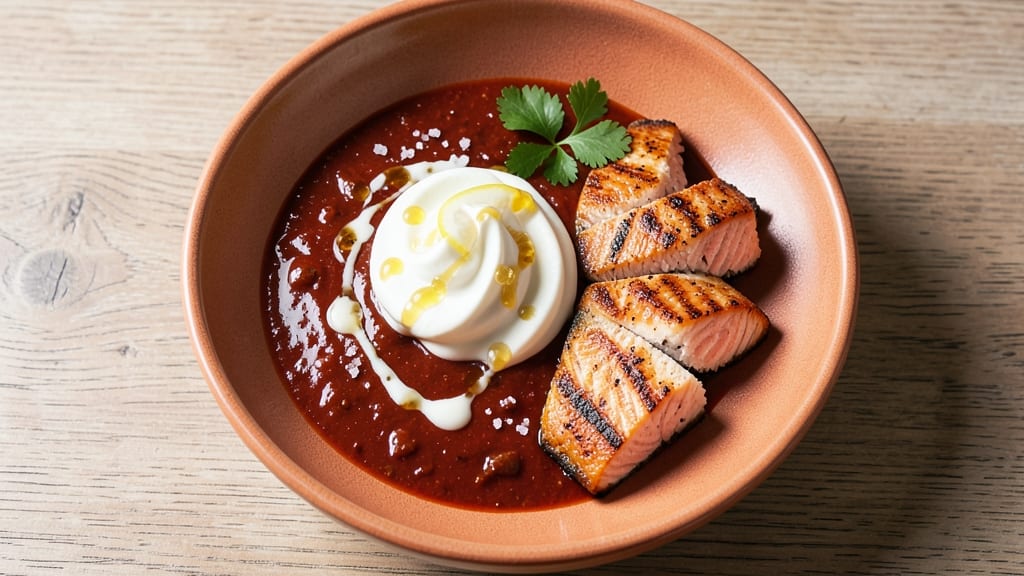
Creating Chili's ancho salmon sauce at home delivers that signature smoky, slightly sweet, and tangy flavor that makes their restaurant salmon so addictive. The secret lies in blending dried ancho chiles with tomatoes, garlic, and spices to create a velvety sauce that's rich yet balanced.
I've replicated this sauce countless times, and once you taste the difference from store-bought, you'll never go back.
This sauce builds depth through slow simmering, allowing the ancho chiles to infuse their smoky, earthy notes while tomatoes provide natural sweetness and acidity. Garlic and spices round out the flavor, creating a complex profile that pairs perfectly with grilled salmon.
The result is a smooth, slightly thick sauce that clings beautifully to fish without overpowering its natural taste.
What makes this recipe special is how it transforms ordinary salmon into a restaurant-quality meal. The sauce's smoky chipotle undertones and tangy finish elevate simple grilled fillets into something truly memorable.
Whether you're serving it with salmon or using it as a marinade, this sauce delivers professional-level flavor with minimal effort.
Best of all, the sauce keeps well in the refrigerator for up to a week, making it perfect for meal prep. You'll never need to order out again once you master this homemade version. Let's get started on creating your own batch of this signature sauce.
Ingredients for chili's ancho salmon sauce
Eight simple ingredients unlock that signature Chili's smoky, tangy salmon sauce flavor.
| Ingredient | Amount | Notes |
|---|---|---|
| Dried Ancho Chiles 🌶️ | 4 whole | Stems and seeds removed |
| Canned Tomato Sauce 🍅 | 1 cup | San Marzano preferred |
| Garlic Cloves 🧄 | 4 cloves | Roughly chopped, not minced |
| Extra-Virgin Olive Oil 🫒 | ½ cup | High quality, fruity |
| Heavy Cream 🥛 | ¼ cup | Full-fat for richness |
| Lemon Juice 🍋 | 2 tbsp | Freshly squeezed |
| Ground Cumin 🌿 | ½ tsp | Toasted for depth |
| Smoked Paprika 🌶️ | ½ tsp | Adds smoky character |
| Sea Salt 🧂 | ½ tsp | Fine grain preferred |
| Ground Black Pepper 🌶️ | ¼ tsp | Freshly ground preferred |
Ancho chiles are the heart of this sauce—look for dried, not canned, at Latin markets or specialty stores like Penzeys. They should be deep red and slightly wrinkled, not brittle or discolored. If you can't find them, guajillo chiles work too, but they're less smoky. The tomato sauce is where the sweetness comes from—San Marzano cans are worth the splurge for their rich flavor. I usually grab a couple extra cans to have on hand for other recipes. Toast the cumin seeds briefly in a dry pan before grinding for extra depth (just 30 seconds—don't burn them!).
No ancho chiles? Chipotle powder in powdered form (not the canned kind) at half the amount works in a pinch, but it won't have the same complexity. The heavy cream gives that velvety texture—half-and-half works if you're watching calories, but trust me on the full-fat version. Lemon juice is key for that bright tang, so don't substitute bottled. If you're making a big batch, double the sauce and freeze half—it reheats beautifully. The smoked paprika adds that signature smokiness without overpowering, and you can find it at Trader Joe's or any regular grocery store.
This sauce keeps for 1 week in the fridge and freezes for 3 months—perfect for meal prep. I like to portion it into ice cube trays before freezing so I can grab just what I need. When reheating, warm gently on low heat or in the microwave with a splash of water to prevent curdling. It's magical on grilled salmon, but also works wonders as a marinade for shrimp or chicken. The flavor actually improves after a day as everything melds together.
Why You'll Love This Recipe
- No Pantry Panic: I only need five things—most of which are already lurking in my cupboards. That dried ancho chile? It’s the star, but even if you’ve never used one, the canned tomato sauce and heavy cream soften the learning curve. Honestly, I’ve made this three times with whatever was in my fridge and it still worked.
- Smoky Creamy Magic: The ancho chiles give it that deep, smoky punch, but the heavy cream smooths it out into something rich and velvety. That first bite of garlic-infused richness with the slight heat? It’s the kind of sauce that makes you pause mid-bite and think, “Wait, I made this?”
- Weeknight to Dinner Party: This sauce is my secret weapon for lazy nights—toss it with salmon or chicken in 15 minutes—but it also feels fancy enough for guests. Between us, I’ve drizzled it over grilled fish for date night and even used it as a dip for breadsticks when my in-laws visited. No one ever questions where it came from.
- Leftovers That Don’t Suck: Unlike so many sauces that turn gloppy after day two, this one actually improves when reheated. I’ve frozen it in ice cube trays for quick portion control, and it’s still bold and flavorful. Plus, the ingredients are cheap—ancho chiles last forever, and a can of tomato sauce stretches across multiple meals. My wallet thanks me every time.
Step-by-step instructions for Chili's ancho salmon sauce
Here's how to recreate that signature smoky, tangy sauce at home—rich and velvety with perfect balance.
Toast and Rehydrate the Dried Ancho Chiles
Heat a dry skillet over medium-low heat and add the 4 whole dried ancho chiles (stems and seeds removed). Toast them for 1-2 minutes per side until fragrant and slightly darkened—this deepens their natural sweetness and smoky depth. Be careful not to burn them; they should smell like warm spices, not bitter smoke.
Immediately transfer the toasted chiles to a heatproof bowl and pour ½ cup extra-virgin olive oil over them. Let them soak for 15 minutes while you prepare the rest. This step is crucial—the oil infuses with their rich, earthy flavor, creating the sauce's velvety foundation. You'll see the chiles soften and darken as they rehydrate, releasing their vibrant color into the oil.
Build the Smoky Tomato Base
In the same skillet (no need to clean it), add the 4 roughly chopped garlic cloves and cook for 30 seconds until fragrant. Then pour in the 1 cup canned tomato sauce, scraping up any browned bits from the bottom of the pan. These bits pack intense flavor—don't miss them!
Add the 0.5 teaspoon ground cumin, 0.5 teaspoon smoked paprika, and 0.5 teaspoon sea salt. Stir everything together and bring to a gentle simmer over medium heat. Let it cook uncovered for 5 minutes until slightly thickened and the raw garlic flavor mellows into a sweet, aromatic base. You'll notice the sauce darken and develop a deeper, more complex aroma—this is where the magic begins.
Blend for Silky Smoothness
Remove the skillet from heat and let the mixture cool for 2-3 minutes. Then carefully transfer everything (including the rehydrated chiles and their infused oil) to a blender. Add the 0.25 cup heavy cream and 2 tablespoons lemon juice. Secure the lid and blend until completely smooth, scraping down the sides as needed. This step ensures a velvety texture without any gritty chile bits.
Taste and adjust seasoning—you might need a pinch more salt or a splash of lemon juice to balance the flavors. The sauce should be rich but not overpowering, with a perfect harmony of smoky, tangy, and slightly sweet notes. If it's too thick, whisk in 1 tablespoon water at a time until you reach your desired consistency. The final sauce should coat the back of a spoon with a luxurious, satiny finish.
Finish with Heat and Serve
Return the blended sauce to the skillet and warm it gently over low heat for 2-3 minutes, stirring occasionally. This step ensures all the flavors meld together beautifully. Taste again and add a final touch of 0.25 teaspoon ground black pepper if you'd like a subtle kick.
Serve the warm sauce immediately over grilled salmon, shrimp, or even as a dip for tortilla chips. The contrast of the smoky, creamy sauce with the tender protein is pure perfection. For extra depth, garnish with a sprinkle of fresh cilantro or a drizzle of the infused olive oil from the chiles. This sauce keeps well in the refrigerator for 3-4 days, making it perfect for meal prep—just reheat gently before serving.
Pro Tips For Making Chili'S Ancho Salmon Sauce
- Toast Your Chiles: Don’t skip toasting the dried ancho chiles—rub them directly over a gas flame (or broil 1-2 minutes) until fragrant and slightly charred. I learned this the hard way: skipping it leaves the sauce tasting flat and one-dimensional, like a party without the music.
- Simmer Low and Slow: After adding the tomato sauce and garlic, reduce heat to a gentle simmer. The sauce will bubble aggressively at first, but let it settle into a slow cook for 15-20 minutes. Rushing this step makes the sauce taste raw, like you’re eating a half-finished dish.
- Strain the Cream: Whisk the heavy cream into the sauce last—and strain it through a fine-mesh sieve if you’re feeling fancy. This removes any grit from the chiles and keeps the sauce silky smooth. Yes, it’s an extra step, but the texture difference is night and day.
- Salt in Stages: Add half the salt with the chiles and garlic, then taste again after the cream comes in. Heavy cream can dilute flavor, so you’ll likely need more than you think. I used to dump all the salt at once and ended up with a bland, watery mess.
Regional styles of this chili's ancho salmon sauce
Mexican-Style Ancho
The classic Mexican approach to ancho sauce focuses on balancing smoky depth with bright acidity. In Oaxaca, they often blend ancho chiles with tomatillos instead of tomatoes for a tangier profile.
I’ve made this version by replacing the tomato sauce with 1 cup roasted tomatillos and adding 1 tablespoon lime juice instead of lemon. The result is a vibrant, slightly tart sauce that pairs perfectly with grilled fish. 🌶️
Southwest Chipotle Twist
For a smokier, slightly spicier take, swap the ancho chiles for 2 dried chipotle peppers in adobo (minced) and reduce the smoked paprika to ¼ teaspoon. Add 1 teaspoon honey to the tomato sauce while simmering to balance the heat.
This version works amazingly as a marinade for shrimp tacos or as a dipping sauce for grilled corn. The chipotle’s heat lingers beautifully, making it a crowd-pleaser for spice lovers. 🔥
Creamy California Fusion
In coastal California, chefs often lighten the sauce by replacing half the heavy cream with ½ cup coconut milk. Add 1 teaspoon fish sauce and ½ teaspoon grated ginger to the blended mixture for an umami-rich twist.
This version is lighter but still velvety, perfect for pairing with seared scallops or grilled mahi-mahi. The coconut milk adds a subtle sweetness that complements the smoky ancho notes without overpowering them. ✨
Spicy Thai-Inspired
For a bold fusion, blend in 1 teaspoon red curry paste and ½ teaspoon turmeric with the tomato base. Replace the lemon juice with 1 tablespoon tamarind paste for a deeper, fruity tang.
This version is thicker and more aromatic, ideal for drizzling over Thai-style basil salmon or grilled prawns. The turmeric adds a golden hue, making it visually stunning as well as delicious. 🌿
Herb-Infused Mediterranean
To give the sauce a fresh, bright twist, stir in 1 tablespoon chopped fresh dill and 1 teaspoon dried oregano while simmering the tomato base. Finish with 1 tablespoon white wine** instead of lemon juice for a more sophisticated flavor.
This version pairs beautifully with grilled swordfish or as a drizzle for roasted vegetables. The herbs add a bright, herbal note that cuts through the richness of the sauce. 💫
Nutrition facts
Frequently asked questions
Can I substitute ancho chiles with other dried peppers?
Yes, but the flavor will change slightly. Guajillo chiles work best as a substitute—they're milder and sweeter. For extra smokiness, use 1-2 chipotle peppers in adobo (minced), but reduce smoked paprika to ¼ teaspoon to avoid overpowering. Never use cayenne or jalapeño powder—they lack the deep, earthy complexity of ancho.
How do I adjust the sauce for a spicier kick?
Add ½ teaspoon cayenne pepper or 1 minced chipotle pepper in adobo to the tomato base while simmering. For heat control, blend in 1 teaspoon honey or 1 tablespoon brown sugar to balance the spice. Always taste as you go—start with less and adjust gradually. The sauce can be spiced up later, but you can't remove heat once it's blended.
Can I make this sauce without heavy cream for a lighter version?
Replace the ¼ cup heavy cream with ¼ cup coconut milk or ½ cup Greek yogurt for tangy creaminess. For a dairy-free option, use ¼ cup unsweetened almond milk plus 1 tablespoon cornstarch (mixed with water) to thicken. The sauce will be lighter but still rich—just blend longer for smoothness.
Why did my sauce turn out too thick or too thin?
If too thick, whisk in 1 tablespoon water or lemon juice at a time until smooth. For thinning, add 1 tablespoon heavy cream or broth and reheat gently. The recipe's consistency depends on blending time—pulse briefly for chunkier texture or blend fully for velvety sauce. Always taste before adjusting!
How long can I store this sauce, and can I freeze it?
Store in an airtight container in the fridge for 5-7 days. For freezing, portion into ice cube trays or small containers—it keeps for 3 months. Thaw overnight in the fridge and reheat gently on low heat, stirring occasionally. Avoid microwave reheating to prevent curdling. The sauce actually tastes better after a day as flavors meld!