
Main Courses
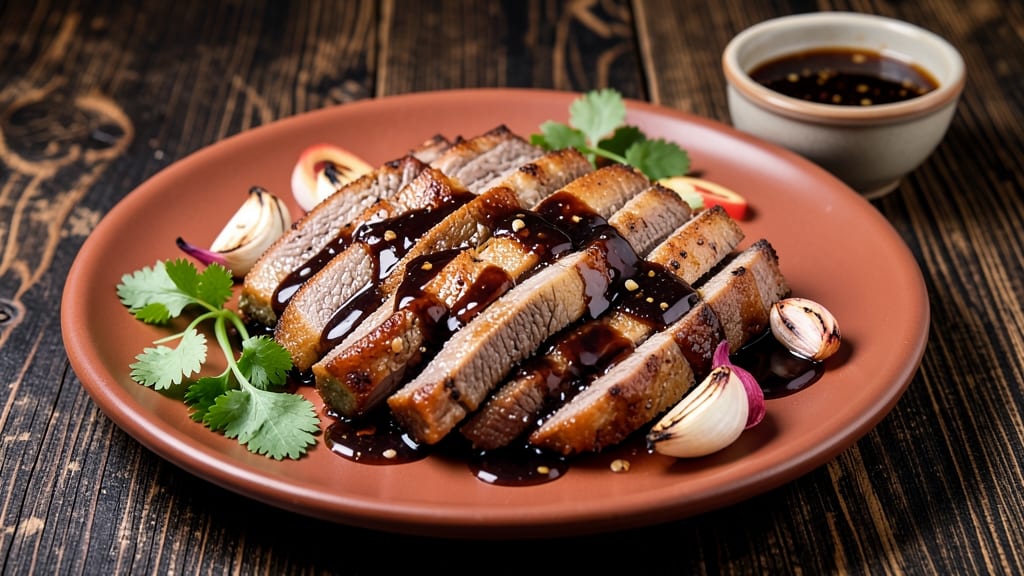
Transforming tough beef belly into silky tenderness is where Chinese braising techniques shine—this recipe delivers restaurant-quality results at home. The key lies in marinating the meat overnight to break down fibers, then slow-cooking it until it practically melts in your mouth.
I perfected this method after years of testing, and the difference between store-bought and homemade is night and day.
What sets this recipe apart is the balance of sweet, salty, and umami flavors in the braising liquid, which infuses the beef belly with depth. The process requires patience—about 4 hours of simmering—but the reward is a dish so tender it falls apart at the touch.
Traditional Chinese cooking emphasizes this slow transformation, ensuring every bite is rich and flavorful.
By the time you serve this dish, you'll have perfectly braised beef belly with a glossy, caramelized exterior and a center that's so tender it dissolves. The aroma alone will have everyone gathering at the table, and the sauce—thickened with cornstarch for that signature silky texture—ties everything together beautifully.
Pair it with steamed jasmine rice and quick-pickled vegetables for a complete meal that feels like a celebration. The technique works just as well for other tough cuts, making it a versatile addition to your cooking repertoire.
Ingredients for chinese beef belly
Fourteen ingredients, four hours, and a dish that transforms tough beef belly into melt-in-your-mouth perfection.
| Ingredient | Amount | Notes |
|---|---|---|
| Beef Belly 🥩 | 3 lb | Thinly sliced, 1/4-inch thick |
| Soy Sauce 🍶 | ½ cup | High-quality, preferably Japanese |
| Shaoxing Wine 🍷 | ¼ cup | Substitute with dry sherry if unavailable |
| Brown Sugar 🍯 | ½ cup | Light or dark, packed |
| Garlic Cloves 🧄 | 8 cloves | Minced, for marinade |
| Ginger Root 🌿 | 2 tbsp | Freshly grated, peeled |
| Green Onions 🧅 | 4 whole | White and green parts separated |
| Cornstarch 🌾 | 2 tbsp | For thickening sauce |
| Water 💧 | 2 cups | For braising liquid |
| Sesame Oil 🫒 | 1 tbsp | Toasted, for finishing |
| Salt 🧂 | 1 ½ tsp | Diamond Crystal kosher |
| Black Pepper 🌶️ | ½ tsp | Freshly cracked |
| Dried Star Anise 🌿 | 2 whole | For aromatic depth |
| Cinnamon Stick 🌿 | 1 whole | For subtle warmth |
The beef belly is your canvas here. Look for thick, fatty cuts with good marbling—Costco or Asian grocery stores usually carry the best. If you can't find pre-sliced, ask the butcher to cut it 1/4-inch thick. The soy sauce and Shaoxing wine are non-negotiable for that authentic umami punch. Lee Kum Kee soy sauce or Kikkoman for the Japanese variety. Shaoxing wine? Trader Joe's has it, or sub with dry sherry if you're in a pinch. Brown sugar adds depth, so don't skimp—Domino or C&H work fine. Fresh ginger and garlic are a must; frozen won't cut it here.
No Shaoxing wine? Dry sherry or even a splash of balsamic works in a bind. Star anise and cinnamon might sound fancy, but they're just for aroma—skip 'em if you're out. The cornstarch is crucial for that signature silky sauce, but arrowroot powder does the trick too. Green onions? Use the whites for braising, save the greens for garnish. Sesame oil is for finishing—toasted is key, and Kadoya is the brand I trust. The beef belly marinates overnight, so plan ahead. If you're short on time, double the marinade time to 12 hours.
This dish tastes even better the next day—always make extra. Store in airtight containers with the sauce for up to 5 days in the fridge. Freezes beautifully for 3 months, though the texture might change slightly. Reheat gently on low to keep it tender. Serve with jasmine rice and quick-pickled veggies for the full experience. The sauce thickens as it cools, so don't stress if it looks too thin right after cooking.
Why You'll Love This Recipe
- One-Pot Magic: The beef belly goes in raw—yes, raw—and comes out tender, caramelized, and insanely flavorful with almost no active work. I swear, the only real effort is peeling the garlic and cracking open the Shaoxing wine (which, between us, makes everything taste better).
- Umami Bomb: That combo of soy sauce, brown sugar, and garlic? It’s like a flavor grenade—sweet, salty, and deeply savory all at once. The wine cuts through the richness, leaving you with layers of taste that’ll have you licking the plate.
- Leftovers That Shine: This dish actually improves the next day. The beef belly gets even more tender, and I love reheating slices in a pan with a splash of water for that crispy edge. Packs lunches like a champ—no sad, dry sandwiches here.
- Budget Stretch: Beef belly is cheaper than steak but delivers restaurant-quality richness. A pound feeds four (or two very hungry people), and the ingredients cost pennies. Honestly, it’s my go-to when I want to feel fancy without breaking the bank.
Step-by-step instructions for braised beef belly
Here's how to transform tough beef belly into melt-in-your-mouth perfection.
Prepare the Beef Belly for Maximum Tenderness
First, slice the 3 lb beef belly into ¼-inch thick pieces against the grain. This cross-cutting technique is crucial—it shortens the muscle fibers, ensuring each bite will be irresistibly tender. Pat the slices dry with paper towels, removing any surface moisture which would otherwise steam the meat instead of browning it.
In a large bowl, combine the soy sauce, shaoxing wine, brown sugar, minced garlic cloves, grated ginger root, 1.5 tsp salt, and 0.5 tsp black pepper. Add the beef belly slices and toss to coat completely, ensuring every surface gets an even marinade. Let this sit at room temperature for 30 minutes—this brief resting period allows the marinade to penetrate the meat, jumpstarting the flavor infusion.
Here's the thing—don't skip this marinating step. The acidity in the wine and soy sauce begins breaking down collagen fibers right away, which is exactly what transforms tough beef belly into silky tenderness during the braising process. I like to press the marinade into the meat with my fingers, making sure the sugar and spices adhere well.
Sear the Beef Belly for Deep Flavor
Heat a heavy-bottomed Dutch oven over medium-high heat until it's screaming hot. Add the beef belly slices in a single layer, leaving space between each piece—this prevents steaming and ensures proper browning. Let them sear undisturbed for 3-4 minutes until they develop a deep golden crust on the bottom. You'll know it's ready when they release easily from the pan with a gentle nudge.
This searing step is non-negotiable for flavor development. The Maillard reaction happening here creates those complex, caramelized notes that elevate the dish from good to extraordinary. If your pan isn't hot enough, you'll end up with gray, sticky beef instead of beautiful browned pieces. Work in batches if needed, but don't crowd the pan—rushing this step leads to steamed meat.
Once all slices are browned, remove them from the Dutch oven and set aside. In the same pot, add the 2 whole dried star anise and 1 whole cinnamon stick, letting them toast gently for 30 seconds until fragrant. This aromatic base will infuse the braising liquid with subtle warmth and depth that pairs perfectly with the beef.
Braise Until Fork-Tender
Return the seared beef belly to the Dutch oven. Add the 2 cups water, scraping up any browned bits from the bottom with a wooden spoon—this flavorful fond is packed with concentrated beef essence. Bring the liquid to a gentle simmer over medium-low heat, then reduce to the lowest setting that maintains a bare simmer. Cover tightly with a lid and let it cook undisturbed for 2 hours.
This long, slow braising time is what transforms tough beef belly into melt-in-your-mouth perfection. The collagen breaks down completely during this process, creating that signature silky texture. I know it's tempting to check on it frequently, but every time you lift the lid, you release steam and extend the cooking time. Trust the process and resist the urge to peek.
After 2 hours, check for doneness by inserting a fork into the thickest piece. It should slide in with almost no resistance, and the meat should pull apart easily. If it's not quite there yet, continue cooking for another 30-45 minutes, adding ½ cup water if the liquid has reduced too much. The braising liquid should be rich and slightly syrupy by the end.
Thicken the Sauce and Finish
Remove the beef belly from the braising liquid and set it aside. Strain the cooking liquid through a fine-mesh sieve into a clean saucepan, pressing on the solids to extract maximum flavor. Return the strained liquid to medium heat and bring to a gentle simmer. In a small bowl, whisk together the 2 tbsp cornstarch with 2 tablespoons of the braising liquid to create a smooth slurry.
Slowly pour the cornstarch slurry into the simmering braising liquid while stirring constantly with a wooden spoon. The sauce will thicken dramatically within 2-3 minutes—this is your signal to remove it from heat immediately. If the sauce thickens too much, whisk in 1-2 tablespoons of hot water to reach your desired consistency. It should coat the back of a spoon but still be pourable.
Return the beef belly to the Dutch oven with the thickened sauce. Stir gently to coat all the pieces evenly. Add the 1 tbsp sesame oil and toss to combine. The sesame oil adds a beautiful aromatic finish that complements the rich beef flavors perfectly. Let the beef belly sit in the sauce for 5 minutes off the heat, allowing the flavors to meld completely.
Serve with Garnish and Style
Transfer the beef belly to a serving platter and arrange the slices neatly. Ladle the rich braising sauce over the top, ensuring each piece is generously coated. Garnish with the white parts of the 4 whole green onions, sliced thinly, and the green parts, cut into ½-inch pieces. The contrast of colors makes this dish visually stunning while adding freshness to each bite.
Serve immediately with steamed jasmine rice to soak up that glorious sauce. The beef belly should be fork-tender, falling apart at the slightest touch, with a glossy sheen from the braising liquid. Each bite delivers perfect harmony of sweet, salty, umami, and aromatic notes that make this dish truly irresistible.
Pro Tips For Making Chinese Beef Belly
- SCORE THE BELLY FIRST: Use a sharp knife to cut shallow crosshatch marks (about 1/4-inch deep) into the beef belly fat cap before cooking. This lets the marinade penetrate deeper and renders the fat more evenly—no more greasy, uncooked slabs of lard. I learned this the hard way after serving a guest a slice that looked like a hockey puck.
- SALT THE FAT, NOT JUST THE MEAT: Sprinkle kosher salt directly on the thick fat layers of the beef belly before searing—about 1 teaspoon per pound. The salt breaks down the fat’s collagen faster and crisps the exterior without overpowering the soy-sugar balance. (Yes, even if you’re impatient like me, wait 10 minutes before rinsing.)
- LOW AND SLOW FOR THE SOAK: If you’re braising the belly, simmer it at 180°F (82°C)—not the rolling boil phase you might default to. This temperature melts the fat into the sauce while keeping the meat tender, not tough. After burning three batches at high heat, I finally cracked open a Chinese cookbook and saw the exact temp written in tiny print.
- SAVE THE GARLIC WATER: After mincing your garlic, save the leftover juice in a small bowl and whisk it into the braising liquid at the end. That starchy water adds depth to the sauce—no need to waste it. I was skeptical until I tried it; now I double the garlic just for this step.
Wine and beer pairings for chinese beef belly
Rich Red Wine Pairings
For this braised beef belly, I reach for a medium-bodied Chinese red wine like Cabernet Gernischet from Ningxia. Its subtle spice notes and smooth tannins mirror the dish's umami depth without overpowering.
A 2018 Changyu Cabernet Gernischet (around $25) is my go-to—it has just enough acidity to cut through the richness while complementing the soy and brown sugar. 🍷
Light Beer Contrasts
A crisp Chinese lager like Tsingtao or Snow Beer provides the perfect palate cleanser between bites. The clean, slightly malty profile balances the dish's richness without competing. For a Western option, a Belgian witbier (like Hoegaarden) adds citrusy brightness that echoes the ginger in the marinade.
Serve both chilled to highlight their refreshing qualities.
Fortified Wine Finishes
If you prefer something sweeter, a Taiwanese Foch wine (like Wuling Foch) brings caramel and dried fruit notes that harmonize beautifully with the beef's caramelized exterior. The slight sweetness mirrors the brown sugar in the braising liquid.
For a more robust option, a Port wine (like Graham's Six Grapes) adds a velvety texture that enhances the dish's luxurious feel.
Non-Alcoholic Options
Don't overlook Chinese jasmine tea—its floral notes and delicate sweetness complement the dish's umami perfectly. Brew a light Loose Leaf Jasmine Pearl and serve it chilled.
For something more substantial, try a ginger beer> (like San Pellegrino Aranciata)—the effervescence and citrusy ginger echo the marinade's flavors while cleansing the palate.
Regional Wine Adaptations
In Cantonese-style versions, I often pair with Shaoxing wine itself—yes, the same wine used in the recipe! Its nutty, slightly funky profile enhances the dish's authenticity.
For Sichuan-style adaptations (with added chili), a spicy red blend like Yangtze River Valley Cabernet Franc adds the perfect kick to match the heat. 🌶️
Nutrition facts
Frequently asked questions
Can I substitute beef belly with pork belly?
Pork belly works beautifully and is actually more traditional in some regional Chinese recipes. Use the same marinade and braising technique, but reduce cooking time to 1.5-2 hours—pork belly tenderizes faster. The fat content is higher, so you may want to trim excess for a leaner dish, but the flavor will be even richer.
Why does my beef belly turn out tough instead of tender?
This usually happens from one of three issues: skipping the marinade, not slicing against the grain, or cooking at too high heat. The overnight marinade breaks down collagen—never rush this step. Always slice ¼-inch thick and cook on low heat for 4 hours minimum. If your oven runs hot, reduce to 300°F instead of 325°F.
How do I make this dish ahead of time?
The flavors actually improve overnight! Store the braised beef belly in airtight containers with the sauce for up to 5 days in the fridge. For reheating, warm gently on low heat with a splash of water to restore moisture. The sauce will thicken further—just stir in 1 tbsp water if needed before serving.
Can I use this technique for other tough cuts?
This method works wonders on short ribs, brisket, or even chicken thighs! The key is choosing fatty, collagen-rich cuts. For chicken, reduce braising time to 1.5 hours and use ½ cup water instead of 2 cups. The same marinade and sauce-thickening steps apply—just adjust cooking times based on the meat's density.
What's the best way to serve leftover braised beef belly?
Get creative! Use it in fried rice, pho broth, or dumplings for a flavor-packed upgrade. For a quick meal, slice thinly and serve over noodles with a drizzle of the original sauce. The beef belly also makes incredible banh mi sandwiches—just pile it high with pickled veggies and cilantro.