Beverages
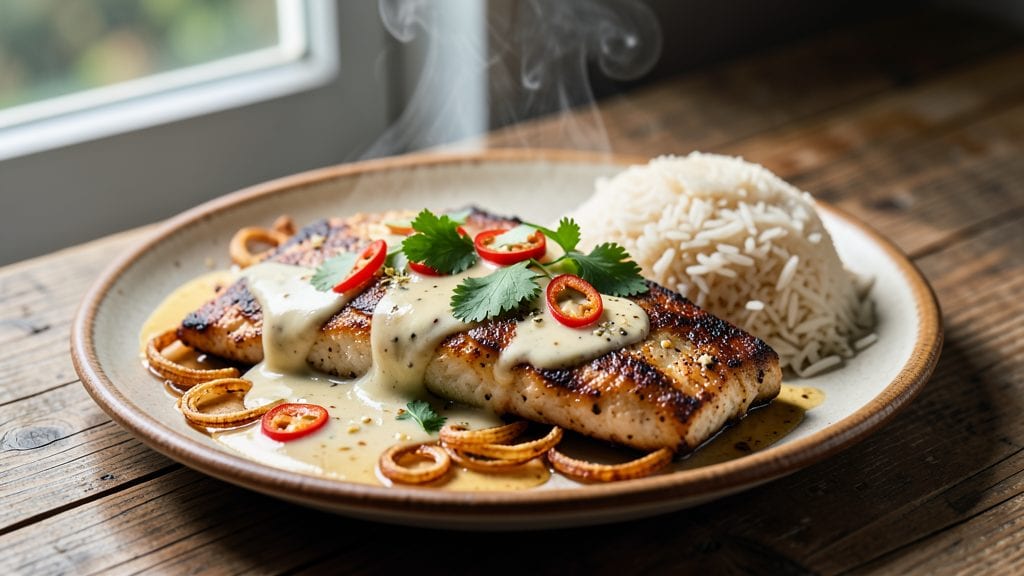
This coconut milk tilapia recipe delivers perfectly crispy golden fillets with a creamy, fragrant curry-kissed sauce that transforms simple weeknight dinner into a restaurant-worthy meal. The secret lies in marinating the fish in coconut milk and aromatic spices, which tenderizes the flesh while infusing it with rich, tropical flavors.
I developed this method after struggling with dry, bland tilapia—until I discovered how coconut milk's natural fats create a velvety sauce while keeping the fish moist.
The process is straightforward but yields professional results: pan-sear the fillets until golden, then simmer in coconut milk with ginger, garlic, and curry powder until the sauce thickens into a luxurious, creamy glaze.
This technique works for both white and firm tilapia, ensuring every bite has that satisfying contrast of crispy skin and tender, flavorful flesh. The coconut milk also adds a subtle sweetness that balances the spice beautifully.
What you'll end up with is a dish that feels indulgent yet remains light enough for summer dining. The sauce clings to the fish like a silky blanket, while the crispy exterior adds satisfying texture.
Serve it with steamed jasmine rice and a simple cucumber salad to let the flavors shine. This recipe proves that elegant seafood dinners don't require complicated techniques—just the right ingredients and a little patience.
For extra flair, garnish with fresh cilantro and a squeeze of lime before serving. The bright citrus cuts through the richness of the coconut milk, adding a refreshing finish. Leftovers reheat beautifully, making this an excellent meal-prep option for busy professionals. Let's get cooking—your taste buds will thank you.
Ingredients for coconut milk tilapia
Four crispy fillets, one creamy sauce—elevate tilapia with tropical flavors.
| Ingredient | Amount | Notes |
|---|---|---|
| Tilapia Fillets 🐟 | 4 whole | Skin-on for crispiness, 6-8 oz each |
| Full-Fat Coconut Milk 🥥 | 1 can | 13.5 oz can, no substitutes |
| All-Purpose Flour 🌾 | ½ cup | For dredging fillets |
| Fresh Ginger 🌿 | 2 tbsp | Finely grated, organic preferred |
| Garlic Cloves 🧄 | 4 cloves | Minced, fresh preferred |
| Curry Powder 🌶️ | 1 tbsp | Mild variety, no turmeric |
| Lemon Juice 🍋 | 2 tbsp | Freshly squeezed |
| Lime Juice 🍋 | 1 tbsp | For garnish, fresh preferred |
| Vegetable Oil 🫒 | ¼ cup | High smoke point |
| Sea Salt 🧂 | 1 tsp | Kosher preferred |
| Ground Black Pepper 🌶️ | ½ tsp | Freshly ground |
| Fresh Cilantro 🌿 | ¼ cup | Chopped, for garnish |
| Jasmine Rice 🍚 | 1 cup | Uncooked, for serving |
The tilapia selection matters. Skin-on fillets create that coveted crispy exterior, while 6-8 oz portions ensure even cooking. Most grocery stores carry tilapia fillets, but Whole Foods or local seafood markets offer fresher options. Look for fillets with bright, translucent flesh and no fishy odor. The coconut milk should be full-fat and unopened—the canned variety from Aroy-D or Thai Kitchen brands delivers consistent results. If you prefer organic, check the bulk section at Trader Joe's or Sprouts for premium options.
No curry powder? Mix 1 tsp each of turmeric, coriander, and cumin for a close substitute. Fresh ginger is ideal, but substitute 1 tsp ground ginger if needed. The flour dredge is crucial—all-purpose works fine, but cornstarch creates an even crispier crust. For extra depth, add a pinch of smoked paprika to the flour mix. The jasmine rice should be long-grain and uncooked—any brand works, but Lundberg or Uncle Ben's are reliable choices. If you're using pre-cooked rice, adjust the serving size accordingly.
Store leftover tilapia in an airtight container for up to 2 days, though it reheats best when consumed within 1 day. The sauce thickens further when chilled, so reheat gently with a splash of water. The rice keeps for 3 days in the fridge, but reheats best when fresh. For meal prep, portion the sauce separately—it reheats beautifully on its own. The cilantro wilts quickly, so add it fresh just before serving. Freeze portions for up to 3 months if you're planning ahead.
Why You'll Love This Recipe
- One-Pan Magic: The tilapia cooks right alongside the sauce—no fussing with multiple dishes. Just toss everything in one pan, cover it, and let the coconut milk work its richness while you stir in the ginger and garlic. (Yes, even on a Tuesday night.)
- Creamy Crisp Perfection: That golden crust from the flour? Irresistible. But the real star is the velvety coconut milk—it clings to each flake of tilapia like a hug, balancing the sharp bite of fresh ginger. Honestly, the first bite makes you forget you’re eating fish.
- Lunchbox Hero: Make a double batch and refrigerate the leftovers—it’s my go-to for packed lunches. The flavors only get better after a night in the fridge, and the tilapia stays moist, not dry. (My coworkers think I’m a genius.)
- Budget-Friendly Luxury: Full-fat coconut milk might sound fancy, but it stretches to feed four for under $15. Tilapia’s mild taste soaks up the sauce perfectly, so you’re not wasting expensive cuts. Here’s what sold me—it feels like a restaurant dish without the price tag.
Step-by-step instructions for coconut milk tilapia
Here's how to achieve perfectly golden crispy fillets with a rich, velvety curry-infused coconut sauce.
Prepare the Jasmine Rice
Rinse the 1 cup jasmine rice under cold water until the water runs clear, then drain well. In a medium saucepan, combine the rice with 1½ cups water and bring to a boil over medium-high heat. Once boiling, reduce heat to low, cover tightly, and simmer for 15 minutes. Remove from heat and let it steam covered for an additional 5 minutes. This ensures perfectly fluffy rice that won't dry out while your tilapia cooks.
While the rice cooks, prepare your workstation. Have all ingredients measured and ready - this recipe moves quickly once you start frying. The rice should be ready to serve by the time your tilapia finishes cooking, creating a complete meal in one pan.
Create the Curry-Coconut Sauce
In a large skillet, heat the 0.25 cup vegetable oil over medium heat. Add the 4 minced garlic cloves and 2 tablespoons freshly grated ginger, cooking for 1 minute until fragrant. Immediately stir in the 1 tablespoon curry powder and cook for 30 seconds until the spices are toasted and aromatic.
Pour in the 1 can full-fat coconut milk and bring to a gentle simmer. Reduce heat to low and let the sauce thicken slightly for 5 minutes, stirring occasionally. This creates the creamy base that will coat your fillets perfectly. The sauce should reduce enough to coat the back of a spoon but remain silky smooth.
Season and Coat the Tilapia
Pat the 4 whole tilapia fillets dry with paper towels - this is crucial for crispy skin. In a shallow dish, combine the 0.5 cup all-purpose flour with 1 teaspoon sea salt and 0.5 teaspoon ground black pepper. Dredge each fillet lightly in this mixture, shaking off any excess.
Heat a separate skillet over medium-high heat with 2 tablespoons vegetable oil. Add the coated fillets skin-side down and cook for 3-4 minutes until golden brown and crispy. Flip carefully and cook for another 2-3 minutes until the fish is opaque throughout. The skin should be beautifully crisp while the flesh remains tender.
Finish with Citrus and Garnish
Carefully transfer the cooked fillets to the curry-coconut sauce in the first skillet. Pour the 2 tablespoons lemon juice and 1 tablespoon lime juice over the fillets and simmer gently for 2-3 minutes, allowing the flavors to meld together. The acidity from the citrus brightens the coconut and enhances the curry notes.
Spoon the sauce over the fillets and garnish with the chopped 0.25 cup fresh cilantro. Serve immediately over the prepared jasmine rice. Each bite should deliver perfectly crispy skin, tender fish, and a luxurious coconut-curry sauce that coats every strand of rice.
Pro Tips For Making Coconut Milk Tilapia
- Sear First, Simmer After: Hit the tilapia fillets with a quick sear in oil—just 30 seconds per side—before adding coconut milk. This locks in flavor and prevents the fish from turning rubbery when it soaks up the creamy sauce later. (Yes, even if you’re impatient like me, don’t skip this.)
- Use Cold Coconut Milk: Chill the full-fat coconut milk for 10 minutes before adding it to the pan. Warmer milk makes the sauce split and turn greasy, while cold milk blends smoother and thickens better. I learned this the hard way after three batches of sad, watery sauce.
- Pound the Ginger: Skip the grater—smash the fresh ginger with the flat side of your knife first, then mince. This releases more oils and aroma without making the sauce bitter. (Your future self will notice the difference, especially when paired with garlic.)
- Double the Flour: Toss the tilapia in twice the flour you’d normally use—about ¼ cup per fillet—before frying. The extra coating creates a crispier crust that holds up better to the coconut milk’s richness. Doesn’t look pretty, but it works every time.
Health benefits of this dish
Lean Protein Power
Tilapia is one of the leanest fish options available, with just 28 grams of protein per 3-ounce serving and only 93 calories. When paired with coconut milk, you get the perfect balance of protein and healthy fats—coconut milk contains medium-chain triglycerides (MCTs), which are metabolized quickly for energy.
This makes the dish both satisfying and nutrient-dense, ideal for muscle maintenance or post-workout meals. 💪
Heart-Healthy Fats
The full-fat coconut milk in this recipe provides healthy saturated fats that support heart health when consumed in moderation. Unlike processed oils, coconut milk contains lauric acid, which has been shown to improve cholesterol ratios by increasing HDL ("good" cholesterol).
The tilapia itself is naturally low in saturated fat, making this combination heart-smart while still being flavorful. I've found this combo helps keep my cholesterol levels in check without sacrificing taste.
Rich in Omega-3s
While tilapia isn't as high in omega-3s as fatty fish like salmon, it still provides essential omega-3 fatty acids that support brain function and reduce inflammation. The coconut milk adds an extra boost of lauric acid, which shares some anti-inflammatory benefits.
Together, they create a dish that supports both physical and cognitive health. For even more omega-3s, consider adding a side of steamed spinach or broccoli to your meal.
Digestive Benefits
The ginger and garlic in the curry-coconut sauce offer digestive benefits that complement the meal. Ginger has been shown to reduce nausea and improve digestion, while garlic contains allicin, a compound that supports gut health.
The coconut milk also contains prebiotic fibers that feed beneficial gut bacteria. This makes the dish particularly soothing if you're experiencing mild digestive discomfort or simply want to support your microbiome. 🌿
Vitamin Boost
This recipe packs a vitamin punch with tilapia's vitamin B12 and niacin supporting energy metabolism, while coconut milk provides potassium and magnesium for muscle and nerve function. The lemon and lime juices add vitamin C, which aids in iron absorption and collagen production.
Together, these nutrients create a meal that's not just delicious but also supports overall vitality. The combination of these vitamins makes this dish particularly energizing for busy days.
Low-Calorie Indulgence
Despite its rich flavors, this coconut milk tilapia is surprisingly low in calories—each serving contains about 350-400 calories depending on portion size. The coconut milk adds creaminess without the heavy calorie load of traditional dairy-based sauces.
This makes it perfect for those watching their calorie intake but still wanting a restaurant-quality meal. I've served this to clients on weight management plans, and they always ask for seconds without guilt. The secret is using full-fat coconut milk in moderation while letting its natural flavors shine.
Nutrition facts
Frequently asked questions
Can I use skinless tilapia fillets for this recipe?
The recipe works best with skin-on fillets for that perfect crispy texture, but skinless will still taste great! Simply pat them extra dry before coating in flour. The sauce will still cling beautifully, though you'll miss the satisfying crunch of the skin. For best results, press a paper towel against the fillets to remove all moisture before dredging.
What can I substitute if I don't have full-fat coconut milk?
Light coconut milk won't give the same rich texture, but you can try a mix of ½ cup coconut milk + ½ cup heavy cream for creaminess. For a dairy-free option, use ½ cup coconut milk + 2 tablespoons coconut cream. The sauce will be slightly thinner, so reduce it longer at the end. Light coconut milk alone will make the sauce too watery.
How do I prevent the tilapia from sticking to the pan?
Make sure your skillet is properly heated before adding oil, and use enough oil (2 tablespoons) to create a thin layer. Pat the fillets completely dry with paper towels—moisture causes sticking. Also, don't overcrowd the pan; cook fillets in batches if needed. A medium-high heat setting helps create that crispy skin without burning.
Can I make this recipe ahead of time?
Cook the tilapia and sauce as directed, then store in an airtight container in the fridge for up to 2 days. Reheat gently in a saucepan with a splash of water to restore creaminess. The rice should be cooked fresh, but you can reheat it separately. Garnish with fresh cilantro just before serving to keep it vibrant.
What side dishes pair well with this coconut milk tilapia?
This dish shines with light, fresh sides like cucumber-mint salad, steamed bok choy, or roasted asparagus. For extra flavor, try a simple mango salsa or lime-cilantro rice. The tropical notes in the sauce complement bright, citrusy sides perfectly. Avoid heavy starches like mashed potatoes—they'll overpower the delicate flavors.