
Tips
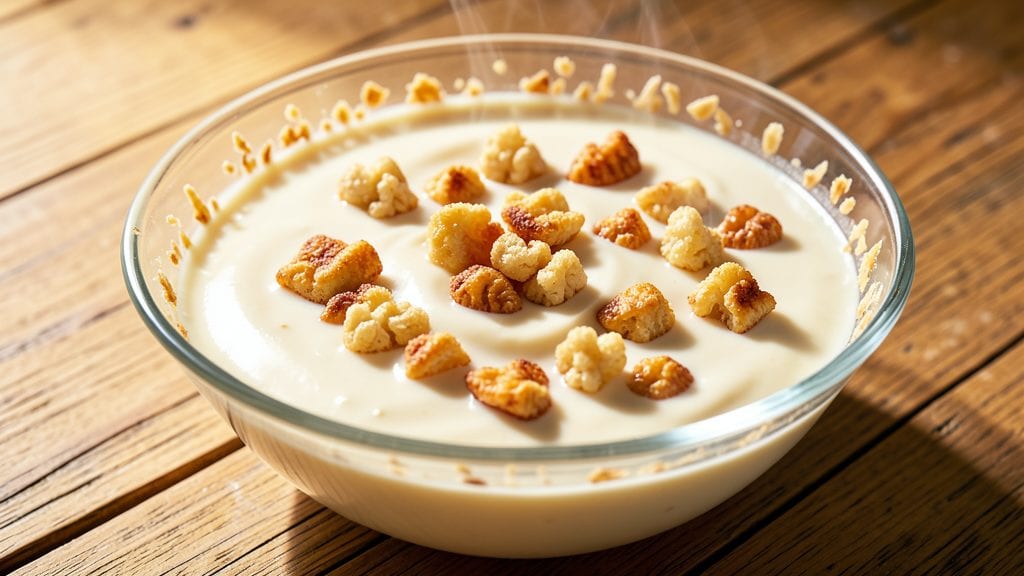
Using coconut milk with cereal creates a creamier, slightly sweet texture compared to regular milk, with a richer mouthfeel and tropical undertones. It pairs best with low-sugar, crunchy cereals like granola or muesli for optimal flavor balance.
The natural fats in coconut milk—about 20% compared to just 3.5% in skim milk—transform your cereal into a velvety experience, almost like a tropical smoothie in bowl form. 🌊 I’ve found it works magic with toasted oats or puffed rice cereals, where the coconut’s caramel notes let the cereal’s natural crunch shine through, rather than drowning it like a sweeter milk might.
For best results, I recommend starting with a 1:1 ratio of coconut milk to cereal—this balances creaminess without making the bowl too heavy. If you’re prepping ahead, store the mixture in an airtight container and stir before eating to keep the texture consistent.
Pro tip: Add a pinch of vanilla extract or a sprinkle of toasted coconut flakes to amplify those tropical vibes!
💡 In This Article
- How Coconut Milk Alters Cereal Flavor and Texture
- Best Cereals and Tips for Coconut Milk Pairings
How coconut milk alters cereal flavor and texture
The secret behind coconut milk's transformative effect on cereal lies in its fat content and natural sweetness. Regular milk contains only 3.5% fat, while coconut milk boasts a whopping 20%—this higher fat percentage creates a luscious, almost pudding-like consistency that coats cereal pieces more thoroughly.
The fat molecules also slow down cereal expansion, keeping the texture firmer and more satisfying to bite into. 🔥
Coconut milk's natural sweetness comes from its coconut solids, which contain small amounts of natural sugars like sucrose and glucose. These sugars dissolve into the liquid, adding a subtle caramel-like sweetness that enhances cereals with mild flavors, like plain oats or puffed rice.
For example, a bowl of toasted oats with coconut milk tastes almost like a dessert, while the same oats with regular milk would taste more neutral. The viscosity of coconut milk—thicker than regular milk—also means it clings to cereal pieces longer, creating a prolonged creamy sensation with each bite.
This richness works differently with various cereals. With oat-based cereals, the coconut milk's tropical notes complement the cereal's nutty undertones, creating a balanced flavor profile. However, with cornflakes or rice krispies, the coconut milk's sweetness can sometimes overpower the cereal's natural crunch.
That's why I recommend pairing coconut milk with cereals that have a low sugar content and a toasted or crunchy texture—like granola or muesli—to let both flavors shine without competition. ✨
The fat content also affects how quickly the cereal softens. Regular milk's lower fat content allows it to soak into cereal more quickly, making it softer faster. Coconut milk's higher fat content creates a protective layer around each cereal piece, maintaining its structure longer.
This means your cereal stays crunchier for a longer period, which is ideal for those who prefer a mix of textures in their bowl. The result? A more satisfying mouthfeel that lingers longer.
Here's what's actually happening chemically: The medium-chain triglycerides (MCTs) in coconut milk—about 62% of its total fat—are more stable at room temperature than the fats in regular milk.
This stability means the coconut milk maintains its creaminess even after sitting for a while, unlike regular milk which can separate or become watery. The MCTs also contribute to the tropical aroma that wafts up when you take your first spoonful, making the experience feel more indulgent. 🌟
For those watching their sugar intake, it's worth noting that coconut milk does contain some natural sugars, but the amount is minimal—typically around 3-5 grams per 1/2 cup serving. This is still less than many flavored milks, which can contain 10-12 grams of sugar per serving.
The key is to balance the sweetness by choosing cereals with minimal added sugars and letting the coconut milk's natural flavors take center stage.