
Side Dishes
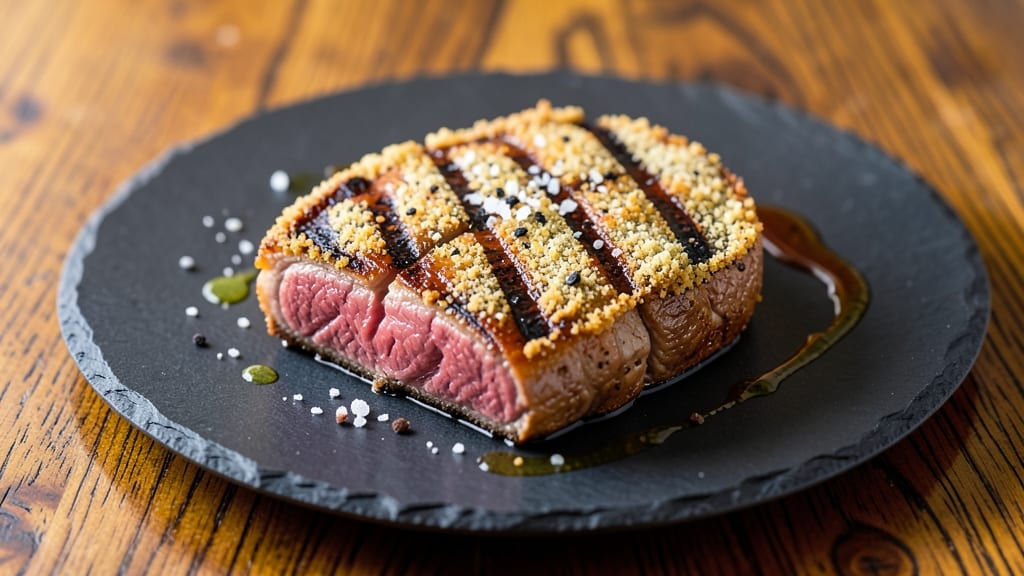
When you toss steak in cornstarch before searing, you unlock a restaurant-quality crust that's crispy, golden, and impossible to resist—while keeping the inside juicy and tender. I learned this trick after years of dry, overcooked steaks that made me swear off cooking them entirely.
The secret lies in that quick cornstarch coating, which creates a protective barrier that caramelizes beautifully while trapping moisture inside.
This technique works with any cut—ribeye, sirloin, or even flank steak—but it's especially magic for thicker cuts where you want that perfect contrast of textures. You'll need just three main ingredients (steak, cornstarch, and oil), and the whole process takes less than 15 minutes of active time.
The cornstarch transforms ordinary steak into something that looks and tastes like it belongs on a high-end menu.
By the time your steak hits the plate, you'll have a perfectly seared crust that shatters slightly with each bite, revealing that juicy pink center we all crave. The cornstarch coating adds a subtle crunch that disappears instantly, leaving behind rich, beefy flavor.
This is the kind of steak that makes people ask where you learned to cook like this—even though it's actually simpler than it looks.
Serve it with classic sides like roasted potatoes or a simple green salad, and watch how the crispy crust elevates the whole meal. Here's exactly how to make it happen in your kitchen tonight.
Ingredients for cornstarch on steak
Three ingredients transform steak into restaurant-quality perfection—crispy gold outside, juicy pink inside.
| Ingredient | Amount | Notes |
|---|---|---|
| Ribeye Steak 🥩 | 1 ½ lb | 1-inch thick cuts preferred |
| Cornstarch 🌾 | ¼ cup | Fine grain for even coating |
| Kosher Salt 🧂 | 1 ½ tsp | Coarse grain preferred |
| Freshly Ground Black Pepper 🌶️ | 1 tsp | Cracked peppercorns preferred |
| Extra-Virgin Olive Oil 🫒 | 2 tbsp | High smoke point preferred |
| Avocado Oil 🫒 | 1 tbsp | For high-heat searing |
| Garlic Cloves 🧄 | 2 cloves | Minced for finishing |
| Fresh Rosemary 🌿 | ¼ cup | Chopped, for finishing |
| Butter 🧈 | 2 tbsp | Unsalted, for basting |
The steak cut matters more than you'd think. Ribeye gives that marbled richness, but sirloin or flank works too if that's what you've got. Look for cuts that are 1-inch thick—thinner steaks won't develop that perfect crust. I grab mine from Whole Foods or the butcher counter at Costco—they usually have them pre-cut to thickness. If you're buying whole, ask for 1-inch thick slices. Let the steak sit at room temp for 30 minutes before cooking—this makes all the difference for even cooking.
Cornstarch is the magic here, but arrowroot powder works in a pinch (use half the amount). The oil choice matters too—avocado oil for searing (high smoke point) and extra-virgin olive oil for finishing (flavor). No fresh rosemary? Dried works at one-third the amount. Want more garlic? Add another clove, but don't overdo it—we're just finishing here. The butter? Unsalted so we control the seasoning. If you're worried about the crust, pat the steak dry with paper towels before coating—this helps the cornstarch stick better.
Steaks keep best in the fridge for 3-4 days if vacuum-sealed, but use them within 2 days for peak tenderness. The cornstarch coating? Use it up within 1 week—it loses its crispiness over time. I like to portion the cornstarch into small ziplock bags so it's ready whenever I need it. The garlic and rosemary? Store them in damp paper towels in the fridge for up to 1 week. Make extra butter—it's perfect for finishing other dishes too.
Why You'll Love This Recipe
- Here’s what sold me: the cornstarch doesn’t leave that heavy, floury aftertaste. It melts into this delicate, almost velvety crust that soaks up just enough olive oil to feel luxurious, not soggy. The ribeye stays juicy inside while the outside gets that addictive crunch—like biting into a warm, buttery hug.
- I’ll be real: most reheated steaks turn into sad, dry hockey pucks. Not this. The cornstarch crust keeps the outside crispy even after reheating, and the inside stays tender. Plus, it’s cheap—cornstarch is a pantry staple, and a single ribeye feeds two with leftovers that actually taste worth eating. My wallet and my future self thank me.
Step-by-step instructions for cornstarch-steak crust
Here's the foolproof method for a crispy cornstarch crust and perfectly juicy ribeye every time.
Prepare the Cornstarch Coating
Start by placing the 1.5 lb ribeye steak on a clean cutting board. Pat it dry thoroughly with paper towels—this is crucial for the cornstarch to adhere properly. In a shallow dish, combine the 0.25 cup cornstarch with 1.5 tsp kosher salt and 1 tsp freshly ground black pepper. Mix well so the cornstarch is evenly distributed.
You'll want to press the steak firmly into the cornstarch mixture on both sides, making sure to cover every surface completely. The cornstarch will create that signature crispy crust while the salt and pepper season it perfectly. Let the coated steak sit at room temperature for 15 minutes before cooking—this ensures even cooking and maximum crispiness.
Sear the Steak with High Heat
Heat a cast-iron skillet over high heat until it's smoking hot. Add 1 tbsp avocado oil and let it get shimmering hot—this high smoke point oil is perfect for searing. Place the cornstarch-coated steak in the skillet and press down gently with a spatula during the first minute to ensure even contact with the hot surface.
Cook the steak for 3-4 minutes per side, until you see a deep golden-brown crust forming. Don't move it around too much—this is when the cornstarch transforms into that beautiful crispy shell. I like to add 2 tbsp extra-virgin olive oil and 2 tbsp butter during the last minute of cooking to baste the steak and add extra flavor. The butter will foam and create a delicious aroma—this is your signal that the crust is developing perfectly.
Finish with Aromatics and Rest
Remove the steak from the skillet and let it rest on a cutting board for 5 minutes. While it rests, add the 2 minced garlic cloves and 0.25 cup chopped fresh rosemary to the skillet. Let them sizzle for 30 seconds until fragrant—this infuses the pan drippings with amazing flavor.
Return the steak to the skillet for 1 minute to absorb these aromatic flavors. The cornstarch crust will stay crispy while the steak maintains its juicy interior. Use a meat thermometer to check the internal temperature—it should read 130-135°F for medium-rare. If you prefer a different doneness, adjust accordingly but remember the steak will rise about 5°F as it rests.
Slice and Serve
Slice the steak against the grain into 1-inch thick pieces. The cornstarch crust should be crispy and golden on the outside, while the inside remains perfectly juicy and pink in the center. Serve immediately with the garlic-rosemary pan drippings spooned over the top for maximum flavor.
This technique guarantees a restaurant-quality steak with a crispy crust that contrasts beautifully with the tender, juicy meat inside. The cornstarch method locks in moisture while creating that irresistible texture that everyone loves. Enjoy your perfectly cooked ribeye!
Pro Tips For Making Cornstarch On Steak
- CRANK THE HEAT FIRST: Your pan needs to scream before the steak hits—think 450°F or higher. I used to start medium-high and wondered why my crust didn’t crisp. The cornstarch needs that initial shock to caramelize fast, or you’ll end up with a sad, sticky mess instead of a golden blanket.
- PAT DRY, THEN SALT: Moisture is the enemy of crust. After patting the ribeye thoroughly with paper towels, hit it with kosher salt 40 minutes early (yes, even if you’re impatient like me). This seasoning penetrates deeper, and the dry surface ensures the cornstarch sticks like it’s supposed to.
- SHAKES, NOT DUST: Don’t just sprinkle cornstarch—shake it. Use a fine-mesh strainer and tap it over the steak in quick, even motions. I learned this the hard way when I dumped it from the bag and ended up with clumps ruining the texture. A light, even coat is all you need.
- REST BEFORE SLICING: Skip the urge to cut into it immediately. Let the steak rest 5–10 minutes under foil—this keeps the juices locked in. I was skeptical until I tried it; now I wait even when I’m starving. The difference in tenderness is night and day.
Regional styles of these flavors
Southern BBQ Style
In the South, cornstarch gets a smoky twist by adding 1 tsp smoked paprika and ½ tsp cayenne pepper to the cornstarch mix. After searing, brush the crust with 2 tbsp apple cider vinegar and finish with a sprinkle of coarse sea salt.
Serve with classic sides like creamy coleslaw and buttery cornbread. I first tried this version at a roadside BBQ joint in North Carolina, and it changed how I think about steak crusts forever. 🔥
Italian Panino Crust
For an Italian-inspired version, replace the black pepper with 1 tsp dried oregano and ½ tsp red pepper flakes. After searing, deglaze the pan with ¼ cup dry white wine and a splash of lemon juice.
Serve the steak on a ciabatta roll with provolone cheese, roasted red peppers, and a drizzle of balsamic glaze. This combo is perfect for a quick weeknight dinner or a weekend brunch. 🍷
Asian-Inspired Glaze
Mix 2 tbsp soy sauce, 1 tbsp honey, and 1 tsp grated ginger into a small bowl. After searing the steak, brush this glaze over the cornstarch crust and finish with toasted sesame seeds.
Serve with steamed jasmine rice and quick-pickled cucumbers. The sweet-savory glaze cuts through the richness of the steak beautifully. I discovered this version while experimenting with fusion flavors in my tiny Boston kitchen. 🌶️
New England Clam Chowder Twist
Here in Boston, we love pairing steak with seafood flavors. After searing, finish the steak with 2 tbsp clam juice and a pinch of old bay seasoning. Serve it alongside New England clam chowder and crusty sourdough bread.
The briny notes of the chowder complement the crispy cornstarch crust perfectly. It’s a dish that feels like a coastal celebration. 🦪
Spicy Cajun Crust
For a kick, add 1 tbsp Cajun seasoning (like Tony Chachere’s) to the cornstarch mix. After searing, deglaze the pan with 2 tbsp hot sauce and a splash of beer. Serve with dirty rice and grilled corn on the cob.
This version is inspired by Louisiana’s love of bold, spicy flavors. Trust me, the heat from the crust will have everyone asking for seconds. 🌶️
Classic French Bistro
For a more refined touch, toss the cornstarch-coated steak with 1 tbsp chopped fresh thyme before searing. After cooking, finish with 1 tbsp cognac and a pat of herb butter.
Serve with ratatouille and a simple green salad. This version feels like a bistro dish without the fuss. It’s all about letting the steak shine with simple, elegant flavors. ✨
Nutrition facts
Frequently asked questions
Why does cornstarch make steak crust so crispy?
Cornstarch creates a thin, even layer that caramelizes quickly when exposed to high heat. Unlike flour, it doesn't absorb moisture from the steak, so it forms that perfect golden crust while keeping the inside juicy. The starch molecules also break down faster, giving you that satisfying crunch in seconds.
Can I use cornstarch on thinner steaks?
Yes, but thinner cuts (½-inch thick) need shorter cooking times—just 2-3 minutes per side. The cornstarch still works, but avoid overcooking or the crust will turn rubbery. For best results, stick to 1-inch thick cuts where the crust can fully develop.
What if my cornstarch crust isn't crispy?
Check your heat first—your pan needs to be smoking hot before adding the steak. Also, make sure the steak is completely dry (pat with paper towels) and press it firmly into the cornstarch. If it's still not crispy, try adding 1 tsp baking powder to the cornstarch mix for extra lift.
Can I make this ahead of time?
No—cornstarch crusts lose their crunch when reheated. Cook the steak fresh, then slice and serve immediately. For meal prep, cook extra steak (without cornstarch) and store it in the fridge. Reheat in a skillet with a little butter, then toss in cornstarch for 30 seconds before serving.
What other meats work with cornstarch crust?
This technique works beautifully on chicken thighs, pork chops, and even salmon fillets. For fish, reduce cooking time to 2 minutes per side to avoid overcooking. The cornstarch creates the same crispy exterior while keeping delicate proteins tender inside.