
Main Courses
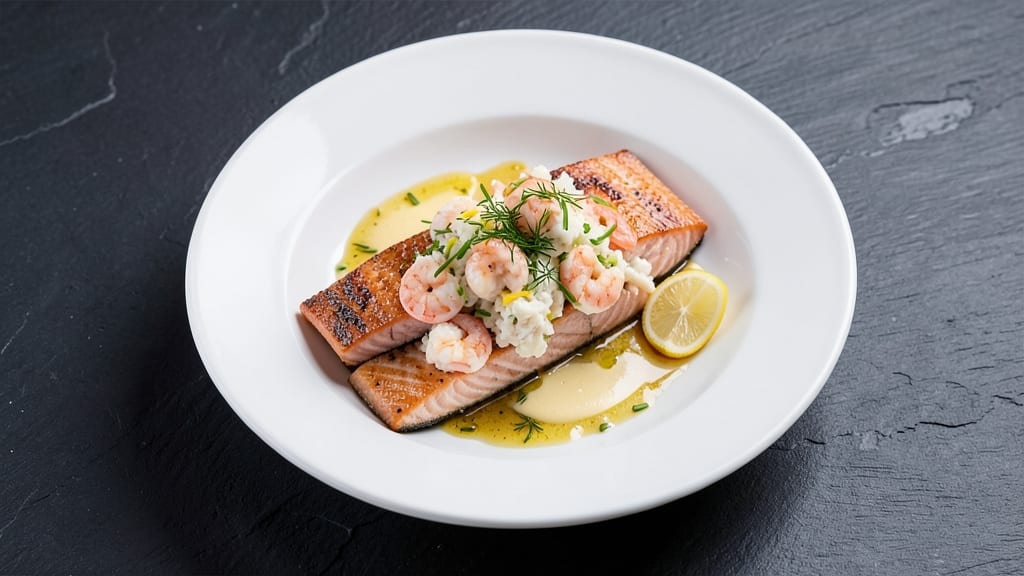
This crab and shrimp stuffed salmon recipe delivers restaurant-quality seafood elegance in just 30 minutes—perfect for impressing guests or treating yourself to a luxurious weeknight dinner.
The secret lies in balancing sweet crab, briny shrimp, and fresh herbs inside perfectly cooked salmon fillets, creating a dish that feels special without requiring advanced techniques.
I developed this recipe after years of testing different stuffing combinations, and the result is a harmonious blend of textures and flavors that always gets rave reviews.
The beauty of this dish is its simplicity combined with sophistication. You'll start by preparing a delicate filling of cooked shrimp, lump crab meat, and aromatic herbs, then carefully stuff it into salmon fillets before baking to golden perfection.
The salmon's natural richness pairs beautifully with the briny seafood filling, while a touch of lemon and butter elevates every bite to something extraordinary. This method ensures your salmon stays moist and flaky while developing a crispy, caramelized exterior that's impossible to resist.
What you'll achieve is a stunning centerpiece dish that's equally impressive served on a platter or family-style. The stuffing stays compact during cooking, creating a visually appealing presentation with a satisfying "pop" of flavor in every bite.
This recipe is particularly special for pescatarians, offering a protein-packed meal that feels indulgent without relying on meat. The combination of textures—tender salmon, sweet crab, and plump shrimp—makes each forkful a celebration of coastal flavors.
Serve with a simple arugula salad or roasted asparagus to complete the meal, and don't forget a squeeze of fresh lemon at the table. The preparation might sound intimidating, but I've designed this recipe to be approachable for home cooks while delivering professional results.
Let's create this showstopping seafood masterpiece that will have everyone asking for seconds.
Ingredients for crab and shrimp stuffed salmon
Four premium fillets, briny seafood, and aromatic herbs create this luxurious stuffed salmon masterpiece.
| Ingredient | Amount | Notes |
|---|---|---|
| Center-Cut Salmon Fillets 🐟 | 4 whole | Skin-on, 6-8 oz each, even thickness |
| Cooked Shrimp 🦐 | 1 lb | Peeled, deveined, tail-on, medium size |
| Lump Crab Meat 🦀 | 1 lb | Fresh or pasteurized, picked clean |
| Extra-Virgin Olive Oil 🫒 | 2 tbsp | For salmon brushing and filling |
| Unsalted Butter 🧈 | 3 tbsp | Cold, cubed for salmon topping |
| Fresh Lemon Juice 🍋 | 1 tbsp | From 1 medium lemon, freshly squeezed |
| Fresh Dill 🌿 | ¼ cup | Chopped, stems removed, finely minced |
| Fresh Chives 🌱 | 2 tbsp | Finely chopped, mild onion flavor |
| Garlic Cloves 🧄 | 3 cloves | Minced, for filling and salmon seasoning |
| Diamond Crystal Kosher Salt 🧂 | 1 ½ tsp | For seasoning, adjust to taste |
| Freshly Ground Black Pepper 🌶️ | ½ tsp | Coarsely ground for salmon crust |
| Panko Breadcrumbs 🍞 | ¼ cup | For salmon topping texture |
| Fresh Lemon Zest 🍋 | 1 tsp | From 1 lemon, for bright finishing |
The salmon fillets are non-negotiable—center-cut with skin ensures even cooking and crispy skin. Wild-caught Alaskan salmon from Whole Foods or Trader Joe's delivers superior flavor and texture. For the shrimp, medium-sized, tail-on varieties (like Bayou Classic or New Orleans brands) stay plump during cooking. The lump crab meat should be fresh or pasteurized, with no shell fragments—Sea Towne or Wild Alaska brands are excellent choices. When selecting your herbs, bright green dill and chives indicate freshness; avoid wilted stems or yellowing leaves. The garlic should be plump, firm cloves with no sprouting.
No lump crab? Chopped imitation crab (like Surimi) works in a pinch, though texture differs slightly. Swap shrimp for cooked scallops or mussels if preferred, but reduce to 0.75 lb total to maintain balance. The butter can be substituted with olive oil for a lighter version, though it lacks richness. For a vegetarian alternative, hearts of palm or artichoke hearts mimic the texture when finely chopped. The panko can be replaced with crushed cornflakes for a gluten-free option, though texture will be slightly different. Always taste the filling before stuffing—adjust seasoning with extra lemon juice or salt as needed.
The stuffed salmon keeps beautifully when prepared ahead—refrigerate uncooked fillets for up to 12 hours before baking. Once cooked, store in an airtight container with plastic wrap pressed directly on the salmon to preserve moisture for 2 days. For longer storage, freeze cooked portions for up to 3 months—thaw overnight in the fridge before reheating. The filling components (shrimp, crab, herbs) can be prepped 1 day ahead and stored separately in the fridge. When reheating, cover with foil and warm gently in a 350°F oven for 10-15 minutes to maintain texture.
Why You'll Love This Recipe
- Fewer Ingredients, Big Payoff: I swear by this—no fancy prep, just flaky salmon stuffed with pre-cooked shrimp and crab. Honestly, the hardest part is deciding how much butter to drizzle on top.
- Butter-Basted Luxury: That golden crust from the olive oil and butter? It’s where the magic happens. The shrimp and crab melt into the salmon, turning every bite into a creamy, briny dream.
- Weeknight or Guest Night: Serve it with roasted veggies for a weeknight win, or pair it with champagne for a dinner party. Between us, it’s the kind of dish that makes you look like a pro—no matter the occasion.
- Leftovers? Even Better: The second day, the flavors deepen. I’ll often slice it cold for salads or reheat it gently—still rich, still satisfying, and zero waste. My secret weapon for lazy afternoons.
Step-by-step instructions for crab and shrimp stuffed salmon
This method delivers restaurant-quality stuffed salmon with a perfect balance of texture and flavor.
Prepare the Seafood Filling
In a medium bowl, combine the 1 lb lump crab meat and 1 lb cooked shrimp, breaking up any large crab clusters with your fingers. Add the 3 cloves minced garlic, 0.25 cup finely minced fresh dill, 2 tbsp finely chopped fresh chives, 1 tbsp fresh lemon juice, 1.5 tsp diamond crystal kosher salt, and 0.5 tsp freshly ground black pepper. Gently fold everything together with a silicone spatula until evenly distributed.
Here's the thing—don't overmix. You want the seafood to maintain its distinct textures while still being well incorporated. The mixture should look like a delicate seafood salad with visible shrimp and crab pieces. Set this filling aside while you prepare the salmon.
Season and Score the Salmon
Pat the 4 whole center-cut salmon fillets dry with paper towels, removing any excess moisture from the skin. Place each fillet skin-side down on a clean cutting board. Using a sharp chef's knife, make 4-5 parallel cuts about ½-inch deep along the thickest part of each fillet, being careful not to cut through the skin. This creates pockets for the filling.
Season both sides of each fillet generously with diamond crystal kosher salt and freshly ground black pepper, focusing on the cut sides. Brush the skin-side of each fillet with 1 tbsp of the extra-virgin olive oil, then place them skin-side up on a parchment-lined baking sheet. The oil helps create a crispy skin while keeping the delicate flesh moist.
Stuff and Secure the Salmon
Spoon 2-3 tablespoons of the seafood filling into each of the scored pockets, pressing it down gently but firmly. The filling should be visible through the cuts, creating an elegant presentation. To secure the filling, place a small piece of kitchen twine around the center of each fillet, tying it loosely enough to hold the cuts together but not so tight that it compresses the flesh.
This step ensures the filling stays in place during cooking. If you're concerned about the twine leaving marks, you can remove it immediately after baking—it won't affect the texture. The twine also helps maintain an even shape, preventing the fillets from curling during the high-heat cooking process.
Create the Butter and Herb Topping
In a small bowl, combine the 3 tbsp cold cubed unsalted butter, 0.25 cup panko breadcrumbs, 1 tsp fresh lemon zest, and an additional 0.5 tsp diamond crystal kosher salt. Using your fingers, work the mixture together until the butter is evenly coated with the breadcrumbs and lemon zest. This topping will create a golden, crispy crust while adding brightness to the dish.
Spread the butter mixture evenly over the top of each stuffed salmon fillet, pressing down gently to adhere. The cold butter will melt slightly during baking, creating a luscious sauce that binds the topping to the fish. This is where the magic happens—don't skip this step, as it elevates the dish from good to extraordinary.
Bake to Perfect Doneness
Preheat your oven to 400°F and let it come to temperature fully. Bake the stuffed salmon fillets for 12-15 minutes until the edges are golden brown and the internal temperature reaches 135°F when measured at the thickest part. The butter topping should be crispy on top while remaining creamy underneath.
Real talk: Your oven might run hot, so start checking at the 12-minute mark. The salmon is done when it flakes easily with a fork and the filling is heated through but not overcooked. Remove the fillets from the oven and let them rest for 3-5 minutes before serving. This resting period allows the juices to redistribute, ensuring each bite is moist and flavorful.
Pro Tips For Making Crab And Shrimp Stuffed Salmon
- Score the Salmon: Use a sharp knife to make two parallel cuts—about ½-inch deep—along the thickest part of each fillet. This keeps the stuffing in place without tearing the fish when you flip it. I learned this the hard way after watching my first stuffed salmon fall apart like a sad lasagna.
- Chill the Filling: Mix the shrimp and crab meat with a splash of olive oil and let it sit in the fridge for 15 minutes before stuffing. Cold seafood binds better to the salmon, so it doesn’t ooze out when you bake it. (Yes, even if you’re impatient like me.)
- Butter the Cavity: Spread a thin layer of unsalted butter over the stuffed fillets before baking—inside the cavity and on the top. The butter creates a seal that locks in moisture and gives that golden crust we all crave. Skip this, and you’ll end up with dry, sad salmon.
- Bake on a Wire Rack: Place the stuffed salmon on a wire rack over a baking sheet instead of directly on the pan. The air circulation prevents the bottom from steaming and turning soggy—especially important when dealing with water-rich seafood. (Your future self will thank you.)
Storing and reheating this recipe
Refrigerator Storage
Store your cooked stuffed salmon in an airtight container with plastic wrap pressed directly on the salmon to lock in moisture. Keep it refrigerated at 40°F or below for up to 2 days—this preserves the delicate texture and prevents drying.
I always label containers with the date to track freshness, especially since seafood spoils faster than other proteins. 🥗
Freezer Prep Tips
For longer storage, freeze cooked portions in single-serving portions wrapped tightly in plastic wrap followed by foil to prevent freezer burn. These beauties stay fresh for up to 3 months—just thaw overnight in the fridge before reheating.
The filling's moisture content means you'll need to handle thawing carefully to avoid sogginess.
Reheating Perfection
To maintain that restaurant-quality texture, reheat in a 350°F oven for 10-15 minutes covered with foil. This gentle method prevents drying while warming through evenly. For microwave reheating, use 50% power for 1-2 minutes with a damp paper towel covering—this keeps the salmon moist without overcooking the delicate filling. 🔥
Filling Prep Ahead
The seafood filling can be prepped 1 day ahead and stored separately in the fridge. Keep the shrimp and crab mixture in a sealed container with a splash of lemon juice to maintain freshness. When ready to cook, simply stuff and bake as directed—this timesaving tip makes weeknight dinners effortless.
Serving Leftovers
Stuffed salmon makes fantastic leftovers for lunch salads or sandwiches. Shred the cooled salmon over mixed greens with a light vinaigrette, or serve on toasted baguette slices with a dollop of herbed cream cheese.
The filling's flavors actually intensify when reheated, making this dish even more versatile the next day. ✨
Freezer-to-Oven Shortcut
If you're short on time, you can freeze the stuffed but unbaked salmon for up to 2 months. Thaw in the fridge overnight, then bake as directed—this maintains the perfect texture while giving you flexibility for busy schedules.
The key is to thaw slowly to prevent moisture loss in the delicate filling. 💡
Nutrition facts
Frequently asked questions
Can I use frozen shrimp and crab in this recipe?
Fresh seafood delivers the best texture, but you can use frozen shrimp and lump crab with proper thawing. Thaw shrimp overnight in the fridge and pat dry completely before using. For crab, thaw in cold water for 10-15 minutes, then drain and pick out any remaining shell fragments. The filling will be slightly less tender, but the flavor remains excellent.
How do I prevent the filling from leaking out during baking?
Use kitchen twine to secure the stuffed fillets—tie it loosely around the center of each piece before baking. The twine prevents the cuts from opening too wide while allowing the filling to stay compact. For extra insurance, press the filling firmly into the pockets and chill the fillets uncovered in the fridge for 15-20 minutes before baking.
What's the best way to cook this without an oven?
Pan-sear the stuffed fillets for a quick stovetop version. Heat 1 tbsp olive oil in a skillet over medium-high heat and cook the salmon skin-side down for 4-5 minutes until crispy. Flip and cook 3-4 minutes more until the internal temperature reaches 135°F. Finish under a broiler for 1-2 minutes to crisp the butter topping.
Can I make this recipe gluten-free?
Replace the panko breadcrumbs with crushed cornflakes or almond flour for the butter topping. For extra crunch, use gluten-free cracker crumbs. The texture will be slightly different but still delicious. The rest of the recipe remains naturally gluten-free as written.
Why did my stuffed salmon turn out dry?
Overcooking is the most common cause—salmon should reach 135°F internal temperature no higher. Check doneness with a meat thermometer at the 12-minute mark and remove immediately. Also ensure your fillets are center-cut and even thickness—thicker sections need longer cooking. For extra moisture, brush the salmon with 1 tbsp melted butter before baking.