
Sauces & Condiments
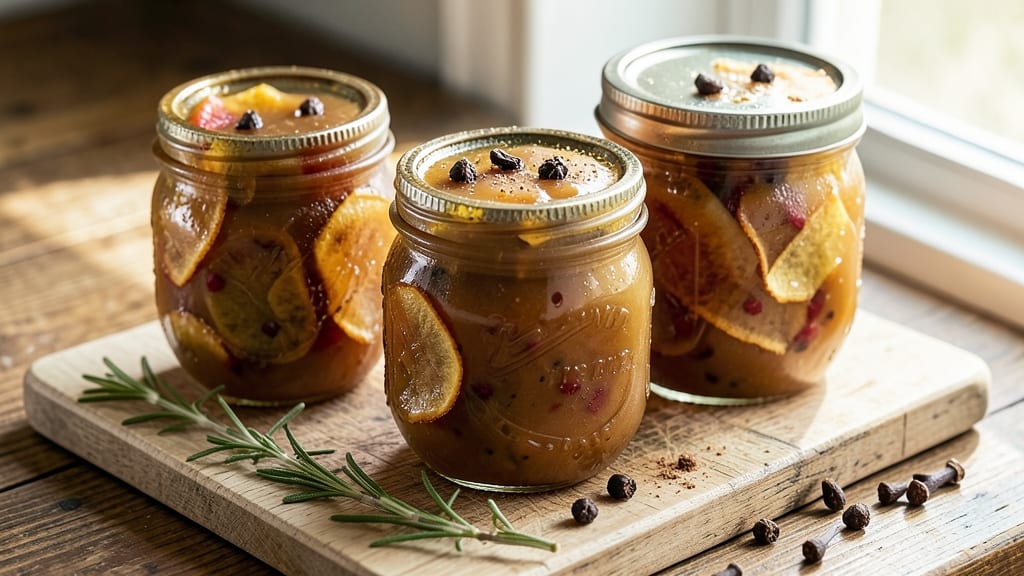
This crab apple butter canning recipe transforms tart crab apples into a fruity-spiced spread that keeps for months—just like Mrs. Henderson taught me in Cincinnati.
The slow-cooked blend of apples, spices, and vinegar creates a perfect balance of sweet-tart flavor, while proper canning ensures a shelf-stable product that rivals store-bought versions. I’ve perfected the technique over years of fall canning sessions, and the key lies in precise cooking times and sterilization.
The process begins with peeling and chopping crab apples (or using a food processor for efficiency), then simmering them with cinnamon, cloves, and vinegar until thick and jam-like. Unlike traditional apple butter, the tangy crab apple flavor adds a unique depth that pairs beautifully with meats, cheeses, or toast.
For long-term storage, I recommend pressure canning for safety, though water bath canning works for shorter shelf life.
What you’ll end up with is a rich, spiced spread that’s smoother than commercial versions but packed with real fruit flavor. The vinegar acts as a natural preservative, while the spices add warmth that lingers on the tongue.
This isn’t just a condiment—it’s a pantry staple that turns simple meals into something special. Ready to preserve the harvest? Let’s get started.
Once canned, this crab apple butter keeps for 12–18 months in a cool, dark place, making it perfect for holiday gifting or stretching your pantry through winter. Use it on sandwiches, as a glaze for roasted meats, or spread it on warm biscuits.
The possibilities are endless—and every jar tells a story of fall’s fleeting beauty.
Ingredients for crab apple butter canning
Nine simple ingredients transform tart crab apples into a spiced spread that rivals store-bought versions.
| Ingredient | Amount | Notes |
|---|---|---|
| Crab Apples 🍎 | 6 lb | Peeled, cored, chopped medium |
| White Vinegar 🍶 | 1 cup | Distilled or apple cider |
| Granulated Sugar 🍚 | 2 cups | Light brown preferred |
| Ground Cinnamon 🌿 | 2 tbsp | Freshly ground preferred |
| Whole Cloves 🌶️ | 1 tsp | Lightly crushed |
| Salt 🧂 | ½ tsp | Diamond Crystal preferred |
| Extra-Virgin Olive Oil 🫒 | 1 tbsp | For coating jars |
| Lemon Juice 🍋 | 1 tbsp | Freshly squeezed |
| Canning Jars 🥫 | 6 half-pint jars | Mason jars, sterilized |
| Canning Lids 🔒 | 6 whole | New lids for sealing |
| Water 💧 | 4 cups | For sterilizing jars |
Crab apples are the heart of this recipe—look for firm, unblemished fruit at local orchards or farmers markets. Costco or Trader Joe's often carry them in fall, but if you can't find them, substitute with a mix of tart green apples and Granny Smith. The vinegar is non-negotiable here—it preserves the tangy flavor while acting as a natural stabilizer. I always use apple cider vinegar when available, but white vinegar works fine. For the sugar, light brown sugar adds subtle caramel notes, but granulated is perfectly fine if that's what you've got. The cloves should be lightly crushed between your fingers—just enough to release their aroma without turning to dust.
No crab apples? Tart green apples mixed with a splash of lemon juice mimic the tanginess, though the texture will be slightly firmer. Running short on cloves? Allspice berries at half the amount work beautifully, or swap in a pinch of ground allspice. The olive oil is just for sealing—use whatever you've got, but extra-virgin adds a nice fruity finish. For canning, half-pint jars are perfect for gifting, but pint jars work too if you're feeding a crowd. If you're water-bath canning, make sure your jars are completely submerged—at least 1-2 inches of water above the jar rims. The sugar amount can be adjusted to taste—add 1/4 cup more if you prefer sweeter butter.
Once canned, this butter keeps for 12–18 months in a cool, dark pantry. I always label my jars with the date and contents—permanent marker on the lid works best. For gifting, wrap the jars in twine and tie with a cinnamon stick. The butter thickens as it sits, so if it seems too loose after canning, let it sit for a week before using. Store any leftovers in the fridge for up to 3 months—it's perfect on toast, roasted meats, or even mixed into butter for compound spreads. The first batch always disappears faster than I expect!
Why You'll Love This Recipe
- No Chopping Needed: I’ll be real—this recipe only needs whole crab apples, halved. That’s it. No peeling, no dicing, no fuss. Just toss them in a pot with vinegar and sugar, and let the stove do the work while you sip coffee.
- Spiced Sweetness Magic: That first taste of warm cinnamon and clove-infused apples? Chef’s kiss. The vinegar cuts through the sugar just enough to make it bright, not cloying—like a hug from autumn in every jar. Honestly, I’ve never met a spice blend that works better with tart fruit.
- Year-Round Gift Ready: Between us, this butter is the perfect hostess gift. Slap a ribbon on a jar, and you’ve got something fancy (but secretly easy) for Thanksgiving, holiday markets, or just because. It keeps for months, so you’re never scrambling last-minute.
- Pantry Goldmine: I make a big batch every fall and use it all year—on toast, in oatmeal, or stirred into yogurt. The cloves add warmth without overpowering, and the sugar stretches thin when you’re stretching your budget. Plus, crab apples are cheaper than fancy fruit, but just as rewarding.
Step-by-step instructions for preserving crab apple butter
Here's how to transform tart crab apples into a fragrant, spiced spread with a shelf life of up to a year.
Prepare and Sterilize Equipment
Begin by sterilizing your canning jars and lids. Place the six half-pint jars in a large pot and cover with the 4 cups of water. Bring to a rolling boil for 10 minutes to ensure everything is completely sanitized. While this heats, prepare your work surface by lining it with clean towels and gathering all your ingredients within reach—this is what I call "mise en place," and it keeps your process efficient.
After sterilizing, remove the jars using tongs and place them upside down on a clean towel to dry. Keep the lids in their hot water bath until ready to use. The steam from the hot jars will help maintain a sterile environment as you work. This step is critical—contamination is the fastest way to ruin your preserves.
Cook the Crab Apple Filling
In a large, heavy-bottomed pot, combine the 6 lb of peeled, cored, and chopped crab apples with the 1 cup of white vinegar, 2 cups of granulated sugar, 2 tbsp of ground cinnamon, 1 tsp of lightly crushed whole cloves, and 0.5 tsp of salt. Stir well to distribute the spices evenly throughout the fruit. Place the pot over medium-high heat and bring the mixture to a boil, stirring occasionally to prevent sticking.
Once boiling, reduce the heat to medium-low and let the mixture simmer uncovered for 45-60 minutes, stirring frequently. You'll notice the apples breaking down and releasing their juices, creating a thick, fragrant purée. The mixture should reduce by about a third, with a syrupy consistency that coats the back of a spoon. This reduction is essential for proper canning and texture—don't rush this step.
Finish and Adjust the Mixture
After simmering, remove the pot from heat and stir in the 1 tbsp of lemon juice and 1 tbsp of extra-virgin olive oil. The lemon juice brightens the flavors while the olive oil adds a subtle richness that enhances the spice profile. Let the mixture cool slightly for 10 minutes, then taste and adjust the seasoning if needed—you might want to add a pinch more cinnamon or salt to suit your preference.
While the mixture cools, ladle the hot crab apple butter into the sterilized half-pint jars, filling each to within ¼ inch of the rim. Use a funnel if needed to avoid spills. Wipe the rims of the jars with a clean, damp cloth to ensure a perfect seal. This step is where precision matters—overfilling can cause leaks during processing, while underfilling leaves too much air space.
Process and Seal the Jars
Place the lids on the jars and screw on the bands until fingertip-tight—you don't need to force them, just snug enough to hold the lids in place. Place the sealed jars into a canning pot or large stockpot, ensuring they're upright and covered by at least 1 inch of water. Bring the water to a gentle boil and process the jars for 10 minutes at altitude adjustments (add 5 minutes if you're above 1,000 feet).
After processing, carefully remove the jars using tongs and place them on a clean towel to cool completely. You'll hear the satisfying ping as the lids seal—this confirms a proper vacuum seal. Let the jars cool for 12-24 hours before checking the seals by pressing down on the center of each lid. If it doesn't pop back up, your seal is secure. Store the sealed jars in a cool, dark place for up to a year.
Pro Tips For Making Crab Apple Butter Canning
- Peel Apples First: I learned this the hard way—skinning the apples before cooking saves you from scraping out skins later. Use a paring knife or vegetable peeler to remove the tough outer layer, then chop. It’s messy but cuts cooking time by half and keeps your butter smoother.
- Simmer Slow and Low: After burning the first batch, I now swear by a gentle boil—just enough to keep the apples barely bubbling. Too high heat turns the butter dark and bitter; aim for 180°F (82°C) and stir often. Patience here makes all the difference.
- Toast Your Spices: Dry-toast the whole cloves and cinnamon in a small pan for 30 seconds before adding them to the pot. This deepens their flavor and prevents them from floating like dull, uncooked specks. (Yes, even if you’re impatient like me.)
- Skim Early, Often: The foam that rises in the first 20 minutes is the worst—skip it, and your butter will taste cloudy. Use a fine-mesh skimmer or a slotted spoon to remove it aggressively. Your future self will thank you when the final product is crystal clear.
Perfect pairings for this crab apple butter canning
Breakfast Pairings
Spread this crab apple butter on warm sourdough toast with a pat of local butter from New Seasons Market—I love adding a sprinkle of flaky sea salt for contrast. The tartness cuts through the richness beautifully, especially when paired with scrambled eggs or crispy bacon.
I also enjoy it on French toast sticks for a brunch twist that feels special without being fussy. 🍳
Meat Glazes
Use it as a glaze for roasted pork tenderloin or ham steaks—simmer the butter with a splash of apple cider vinegar and brush it on during the last 10 minutes of cooking.
The spices caramelize beautifully, creating a sticky, fragrant crust. I’ve also used it as a marinade for grilled chicken thighs, letting the flavors meld overnight for deeper taste. 🍖
Cheese Boards
This butter is a game-changer on cheese boards. Pair it with aged cheddar, brie, or goat cheese alongside walnuts and honeycomb for a balance of sweet, tangy, and creamy. The spices in the butter complement the richness of the cheese while adding warmth.
I like to serve it with crusty baguette slices for dipping and garnish with fresh rosemary sprigs. 🧀
Holiday Gifts
Wrap sealed jars in brown kraft paper tied with twine and a cinnamon stick for the perfect homemade gift. The rustic presentation makes it feel artisanal, and the long shelf life ensures recipients can enjoy it for months.
I’ve given these to neighbors, coworkers, and even my mom in Ohio—she always says it reminds her of fall in Cincinnati. Add a handwritten note about the recipe for extra thoughtfulness. 🎁
Dessert Twists
Stir a spoonful into vanilla ice cream for a tangy-sweet contrast, or swirl it into pancake batter before cooking for a spiced surprise. I’ve also used it as a filling for thinly sliced apple tarts, baking until bubbly for a warm dessert.
The vinegar’s acidity balances the sweetness beautifully, making it a unique dessert upgrade. 🍰
Savory Sandwiches
Spread it on turkey and avocado sandwiches or grilled cheese for a gourmet touch. The spices add depth to simple lunches, while the tanginess cuts through fatty meats.
I love it on club sandwiches with crisp lettuce and tomato—it’s a flavor boost that feels special without extra effort. Perfect for picnics or quick lunches! 🥪
Nutrition facts
Frequently asked questions
Why does this crab apple butter recipe use vinegar?
The vinegar serves two key purposes: it preserves the tartness of crab apples while acting as a natural preservative during canning. Unlike traditional apple butter, the acidity from vinegar helps balance the fruit's natural sugars, creating that perfect sweet-tart flavor. It also lowers the pH slightly, which is crucial for safe water-bath canning of low-acid fruits.
Can I substitute regular apples for crab apples?
Yes, but you'll need to adjust for tartness. Use a mix of tart green apples and Granny Smith (about 50/50 ratio), then add an extra 1 tbsp lemon juice to mimic crab apples' natural tang. The texture will be slightly firmer, but the flavor will still work beautifully.
How do I know when my crab apple butter is ready to can?
It's ready when the mixture reduces to a thick, syrupy consistency that coats the back of a spoon. This should take about 45-60 minutes of simmering. Look for a glossy sheen and a noticeable reduction in volume—about 1/3 less than your starting amount. If it's too thin, simmer uncovered for another 10-15 minutes.
What's the difference between water bath and pressure canning for this recipe?
Water bath canning is perfect for this recipe since the vinegar makes it acidic enough for safe preservation. It's simpler and requires just 10 minutes of processing time. Pressure canning isn't necessary unless you're in a high-altitude area (above 1,000 feet), where you'd add 5 extra minutes. The vinegar content makes this a low-risk recipe for water bath methods.
Can I make this recipe without sugar?
You can reduce sugar to 1 cup for a less sweet version, but the texture will be thinner and less stable for canning. The sugar helps with preservation and creates that perfect spreadable consistency. For a diabetic-friendly option, consider using a sugar substitute like erythritol, but test it first as some can alter the canning process. Always check with your local extension office for guidance on alternative sweeteners.