
Appetizers
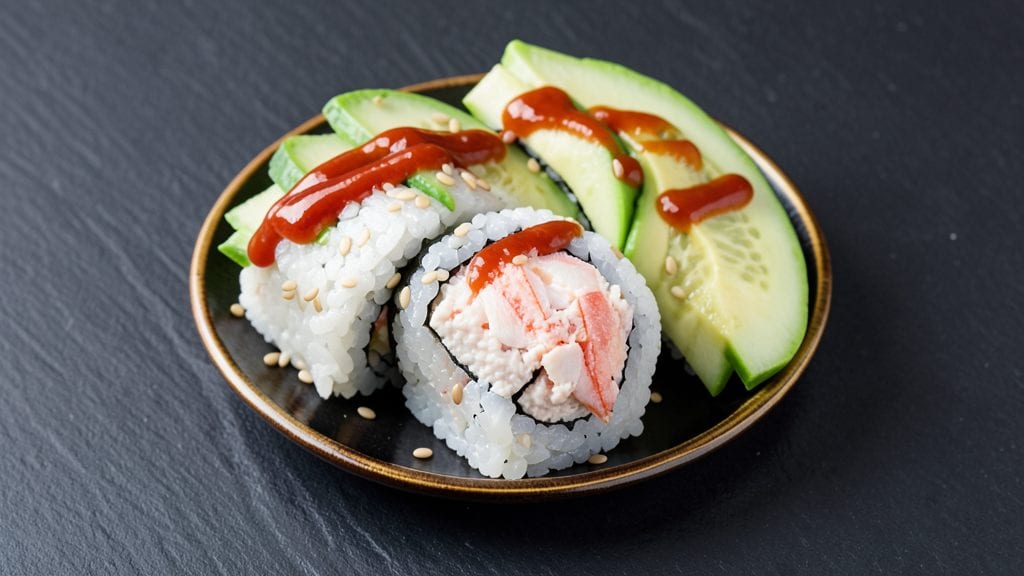
This crab meat sushi roll recipe delivers restaurant-quality fluffiness and freshness without the fuss of traditional sushi techniques. The secret lies in perfectly seasoned rice, tender crab meat, and a rolling method that ensures clean slices every time.
I've refined this recipe over years of practice, and it's now foolproof for both beginners and experienced cooks.
What sets these rolls apart is the creamy texture of the crab-stuffed center, balanced by the subtle tang of vinegared rice and the delicate crunch of fresh vegetables. Using a mix of fresh crab meat and imitation crab (surimi) gives you the best of both worlds—authentic flavor with consistent texture.
The rolling technique I teach creates tight, even rolls that slice beautifully, eliminating the common frustration of uneven cuts.
By the time you finish assembling these rolls, you'll have a platter of golden-brown, perfectly balanced sushi that's ready to impress. Each bite delivers a harmonious blend of textures—soft rice, fluffy crab, and crisp vegetables—all wrapped in a delicate nori sheet.
This recipe scales effortlessly for parties or meal prep, making it a versatile addition to any gathering.
The best part? These rolls stay fresh for up to 24 hours in the refrigerator, allowing you to prepare ahead and serve with confidence. Whether you're hosting a dinner party or simply craving authentic sushi at home, this recipe delivers professional results with simple techniques you can master today.
Ingredients for crab meat sushi roll
Four nori sheets, fluffy crab filling, and crisp veggies transform into restaurant-style sushi rolls.
| Ingredient | Amount | Notes |
|---|---|---|
| Sushi Rice 🍚 | 2 cups | Cooked, warm, seasoned with rice vinegar |
| Fresh Crab Meat 🦀 | 1 lb | Lump or claw meat, finely chopped |
| Imitation Crab Meat (Surimi) 🦞 | 8 oz | High-quality brand for texture consistency |
| Rice Vinegar 🍶 | ⅓ cup | Seasoned with sugar and salt |
| Avocado 🥑 | 1 whole | Ripe, sliced into thin strips |
| Cucumber 🥒 | ½ whole | English or Persian, julienned |
| Nori Sheets 🌿 | 4 whole | High-quality, 7-inch sheets |
| Sesame Seeds 🌰 | 1 tbsp | Toasted, for garnish |
| Soy Sauce 🍜 | ¼ cup | For serving, low-sodium preferred |
| Wasabi 🌶️ | 1 tsp | Freshly grated or high-quality paste |
| Pickled Ginger 🍋 | ¼ cup | Thinly sliced, for serving |
| Sugar 🍚 | 2 tbsp | Granulated, for rice seasoning |
| Salt 🧂 | 1 tsp | Kosher or sea salt |
The crab meat is where the magic happens—fresh lump crab delivers that luxurious texture, but don't skip the imitation crab either. I grab Kani brand surimi from Trader Joe's because it stays fluffy when mixed. For real crab, Costco's frozen lump crab is my go-to—thaw it overnight in the fridge. The nori sheets? Marukyu brand from Asian markets has the perfect balance of crispness and flexibility. If you can only find pre-cut nori, toast it in the oven for 30 seconds to crisp up before rolling. And always keep your rice vinegar in the fridge—it loses its tang when warm.
No fresh crab? High-quality imitation crab is the next best thing—just make sure it's labeled 'premium' or 'lump-style'. Running short on avocado? Mango or asparagus work beautifully for that creamy contrast. The cucumber can be swapped for shredded carrots if you're feeling adventurous, but keep the julienne cut for that professional look. For the rice seasoning, I use Kikkoman seasoned rice vinegar—it's got just the right balance of sweetness. No wasabi on hand? A dash of horseradish gives you that kick. And if your nori sheets are too stiff, lightly brush them with water before rolling.
Assembled rolls keep beautifully in the fridge for up to 24 hours, but I always make them fresh if I can—nothing beats that first bite. Wrap them tightly in plastic wrap and store seam-side down to maintain shape. For serving, I like to dust with extra sesame seeds and arrange with pickled ginger fans. These rolls reheat surprisingly well—just warm in a steamer for 30 seconds to revive the nori. And if you're prepping for a party, slice them just before serving so everything stays crisp. Trust me, your guests will never guess these are homemade.
Why You'll Love This Recipe
- I’ll be real: fresh crab isn’t cheap, but surimi stretches it far. A little goes a long way when paired with rice and avocado—no need to break the bank for a sushi night. Plus, leftovers? They’re even better the next day, cold or reheated in a pan with a splash of soy sauce.
- No Rice Panic: I’ve burned sushi rice more times than I’ll admit, but this recipe lets me skip the fuss. Just mix the rice with vinegar and a pinch of salt—no fancy tools, no second-guessing. The avocado keeps it creamy while the crab adds that briny punch without requiring perfect timing.
- Dual Crab Magic: Here’s what sold me—fresh crab for real flavor, surimi for that melt-in-your-mouth texture. The combo gives you luxury and convenience. Spread them side by side in the roll, and suddenly, you’ve got a restaurant-quality bite that tastes like both a fancy date night and a lazy Sunday.
- Lunchbox Hero: Between us, these rolls are my secret weapon for packed lunches. Wrap them in plastic wrap, slice them up, and they stay fresh for days. My kids (yes, even the picky one) take them to school, and I still get texts about how “cool” their lunch was.
Step-by-step instructions for crab meat sushi rolls
Here's how to craft perfectly balanced crab rolls with tender rice, sweet crab filling, and crisp vegetables.
Prepare the Seasoned Sushi Rice
In a large bowl, combine the 2 cups sushi rice with the 0.33 cup rice vinegar, 2 tablespoons sugar, and 1 teaspoon salt. Using your hands or a rice paddle, gently fold the ingredients together just until the rice is evenly coated and the liquid is absorbed. The rice should look glossy and slightly sticky.
Transfer the rice to a steamer lined with a bamboo mat or a rice cooker and steam for 15-20 minutes until fully cooked. While it steams, occasionally check the rice—it should be tender but still slightly firm to the touch. Once cooked, spread the rice on a bamboo tray or large plate, fanning it with a small hand fan or by gently waving it in front of a fan. This creates a thin, even layer that prevents sticking when rolling. The rice should cool to room temperature before assembling the rolls.
Mix the Crab Filling
In a medium bowl, combine the 1 pound fresh crab meat and 8 ounces imitation crab meat (surimi). Using a fork or your hands, gently mix the two types of crab until evenly distributed. Add 1 teaspoon wasabi and 1 tablespoon sesame seeds, then fold in 0.25 cup pickled ginger, reserving a small amount for garnish. The filling should be smooth but still hold its shape when packed into rolls.
Taste the mixture and adjust seasoning if needed—add a pinch more salt or a drizzle of soy sauce if the crab needs more depth. The filling should be flavorful but not overpowering, balancing the delicate sweetness of the rice and the freshness of the vegetables. Cover the bowl and refrigerate until ready to use, ensuring the crab stays cool and fresh.
Assemble the Rolls
Place a nori sheet shiny-side down on a bamboo sushi mat. Using wet hands, spread a thin, even layer of the seasoned sushi rice over the nori, leaving about 1 inch bare at the top. Press gently to adhere the rice to the nori, ensuring no gaps. The rice should cover the nori completely except for the top edge.
In a single line down the center of the rice, place 2-3 thin strips of avocado and 2-3 julienned cucumber strips. Then, add a small spoonful of the crab filling, spreading it evenly along the center. Avoid overfilling—the roll should be snug but not bursting. Fold the bottom edge of the nori over the filling, then tightly roll the mat over the ingredients, pressing firmly as you go. The roll should be compact but not crushed.
Slice and Serve
Using a sharp, wet knife, carefully slice the roll into 6-8 pieces per nori sheet. Wipe the knife between cuts to ensure clean slices. Arrange the rolls on a platter and garnish with the reserved pickled ginger and a sprinkle of sesame seeds. Serve immediately with 0.25 cup soy sauce on the side for dipping.
For the best experience, serve these rolls fresh and chilled. The contrast of the cool, fluffy rice, sweet crab filling, and crisp avocado and cucumber creates a harmonious bite. Each roll should be tightly packed, with the nori holding its shape and the filling peeking out just enough to tempt your taste buds.
Pro Tips For Making Crab Meat Sushi Roll
- Chill the Crab First: Fresh crab meat releases water when handled warm—pat it very dry with paper towels after chilling for 10 minutes. Imitation crab (surimi) doesn’t need this, but fresh crab will stay firmer and less soggy in your rolls. (Yes, even if you’re impatient like me.)
- Mix Rice Vinegar Last: Add rice vinegar to your sushi rice after it’s cooled to room temp—otherwise, it’ll turn mushy. Stir gently with a wooden spatula, then let it sit for 5 minutes so the acidity mellows. My first batch was gloppy because I rushed this step.
- Avoid Overstuffing Rolls: Pack the filling tightly but leave a ½-inch gap at the edges—crab meat expands when chilled, and avocado gets squishy. If your roll cracks, it’s not just ugly; it’ll unravel when slicing. (I learned this after a very messy lunch.)
- Use a Sharp Knife, Wet Blade: Dip your knife in water before each slice to prevent sticking—especially with avocado in the mix. A dull knife crushes the rice and tears the roll. I used to skip this and ended up with a pile of rice mush instead of neat pieces.
Troubleshooting great crab meat sushi roll
Rice Too Sticky
If your sushi rice feels too sticky when spreading, you likely overmixed it or used too much rice vinegar. I’ve found that 1 tablespoon of vinegar per cup of rice is the perfect ratio—any more and the rice clumps.
To fix sticky rice, sprinkle ½ teaspoon of rice vinegar over the surface and gently fold it in with a rice paddle. Let it cool completely before rolling, as warm rice will make the nori soggy. 💡
Crab Filling Too Dry
Imitation crab can dry out if mixed too vigorously or left uncovered. To keep it moist, add 1 teaspoon of mayo or cream cheese to the filling for extra creaminess. If the crab is already dry, mix in 1 tablespoon of cold water or rice vinegar and fold gently.
For fresh crab, ensure it’s fully thawed and drained—excess moisture can make the filling watery. Cover the bowl with plastic wrap to prevent drying while prepping. ✨
Rolls Falling Apart
Uneven rolling or overfilling causes messy sushi. Start by pressing the rice firmly against the nori with wet hands—this creates a strong bond. Avoid overpacking the filling; a ¼-inch-thick layer is ideal.
If your rolls still unravel, use a bamboo mat with a tight grip and roll from the bottom edge inward, applying even pressure. Chill the rolls for 10 minutes before slicing to firm up the rice. 🦀
Nori Not Sticking
Dry or old nori sheets lose their stickiness. To revive them, lightly brush the shiny side with water or rice vinegar before adding rice. If the nori still resists, spread a thin layer of mashed avocado or cucumber between the rice and nori as a natural adhesive.
Keep your nori sheets in an airtight container with a silica packet to maintain freshness. 🌿
Slicing Messy Pieces
Dull knives or dry rolls lead to jagged cuts. Always use a sharp, wet knife (I recommend a Gyuto-style sushi knife) and wipe it between slices. For extra clean cuts, dip the knife in hot water for 2 seconds before each slice.
If your rolls are too firm, let them sit at room temperature for 5 minutes before slicing. Never force the knife—let gravity do the work. 🔪
Rice Turning Grainy
Overcooked or improperly stored rice becomes grainy. Cook rice to 90% doneness (it should be slightly firm) and finish steaming while fanning to dry the surface. Store cooked rice in the fridge for no more than 24 hours before using.
If graininess persists, mix in 1 teaspoon of mirin or a pinch of sugar to restore moisture and shine. 🍚
Nutrition facts
Frequently asked questions
Can I use only imitation crab for these rolls?
For a budget-friendly version, use 12 ounces of high-quality imitation crab and add 1 tablespoon of mayo or cream cheese to keep it moist. The texture will be consistent, though fresh crab adds a luxurious touch. Just be sure to use premium surimi brands for the best flavor.
How do I make these rolls gluten-free?
Replace the nori sheets with gluten-free tamari-wrapped seaweed or use gluten-free soy sauce for dipping. Check your imitation crab label—some brands contain wheat additives. For extra binding, lightly brush the rice with 1 teaspoon of gluten-free mirin before rolling.
What's the best way to store leftover rolls?
Wrap tightly in plastic wrap and store in an airtight container for up to 24 hours. Reheat in a steamer for 30 seconds to refresh the nori. For longer storage (3 days), freeze the rolls (unassembled or pre-sliced) between parchment paper. Thaw overnight in the fridge before serving.
Can I make these rolls ahead of time?
Yes! Prepare all components (cooked rice, crab filling, veggies) up to 2 days ahead and store separately in the fridge. Assemble and slice just before serving for the freshest texture. The rice stays fluffy when stored in an airtight container with a damp paper towel.
What's the secret to getting clean slices?
Use a sharp, wet sushi knife and dip it in hot water for 2 seconds between each cut. Keep the knife at a 45-degree angle and slice in one smooth motion. Let the knife do the work—don't force it! A bamboo rolling mat also helps create tight rolls that slice neatly.