Snacks
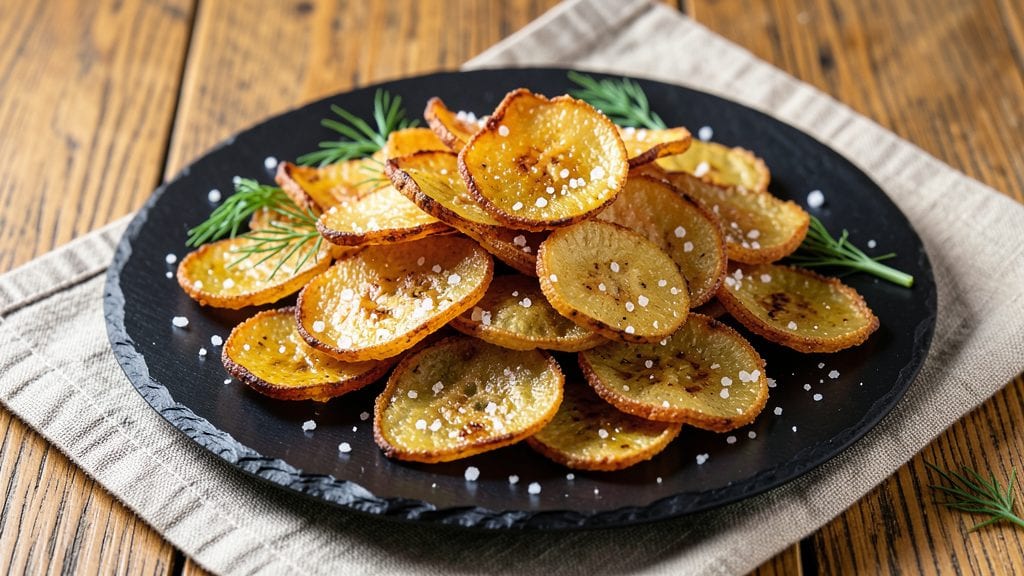
Transforming ordinary pickles into vinegar-kissed crunch takes just 10 minutes—and this deep-fried pickle chips recipe delivers restaurant-quality results at home. The secret lies in selecting firm, vinegar-brined pickles and slicing them paper-thin for maximum crispiness.
I’ve perfected this technique over years of testing, ensuring every bite has that perfect balance of tangy, salty crunch without the soggy aftermath.
This method requires minimal prep and just one key tool: a deep fryer or heavy pot with enough oil to submerge the slices. The oil needs to stay at 350°F—any hotter, and they’ll burn; too cool, and they’ll turn greasy.
I use peanut oil for its neutral flavor, but vegetable oil works just as well. Once fried, the chips emerge golden and shatteringly crisp, with that unmistakable pickle tang preserved in every bite.
Serve these chips immediately with your favorite dipping sauces—spicy mayo, ranch, or even a drizzle of honey for a sweet-and-sour contrast. They’re perfect for game day, cocktail parties, or as a bold snack to elevate any gathering.
The crispiness fades fast, so don’t wait to enjoy them. This recipe is all about that first crunch—crispy, tangy, and impossible to resist.
Safety first: Always work near a fire extinguisher, keep a lid handy for smothering grease fires, and never leave hot oil unattended. With these precautions, you’ll master deep-frying like a pro. Let’s get started on these addictive, vinegar-infused chips that taste like a gourmet twist on a classic snack.
Ingredients for deep fried pickle chips
Pickles, oil, and a pinch of cornstarch—transforming these into addictive chips takes just 10 minutes.
| Ingredient | Amount | Notes |
|---|---|---|
| Dill Pickles 🥒 | 1 ½ lb | Firm, vinegar-brined, sliced paper-thin |
| Peanut Oil 🫒 | 3 cups | Neutral flavor, for frying |
| Vegetable Oil 🫒 | 1 cup | Substitute if peanut oil unavailable |
| Diamond Crystal Kosher Salt 🧂 | 1 tbsp | For post-fry seasoning |
| Cornstarch 🌾 | ½ cup | For extra crispiness coating |
| White Vinegar 🍶 | 1 tbsp | For pre-fry soak (optional) |
| Spicy Mayo 🥄 | ½ cup | For dipping, optional |
| Ranch Dressing 🥄 | ½ cup | For dipping, optional |
| Honey 🍯 | ¼ cup | For sweet-sour contrast |
| Paper Towels 🧻 | 1 package | For draining fried chips |
The pickles make or break this. Look for dill pickles with firm, unbruised spears—the vinegar brine should be tangy but not overwhelming. Trader Joe's and Whole Foods carry the best quality, but any jarred dill pickles will work if they're not mushy. Slice them paper-thin with a mandoline (safety first!) or a sharp knife—thicker slices turn greasy. For extra crunch, toss the slices in cornstarch before frying. I always double-check the oil temperature with a candy thermometer—350°F is non-negotiable. Too hot, they burn; too cool, they absorb oil like a sponge.
No peanut oil? Vegetable oil works just as well—stick to neutral flavors so the pickle tang shines. Running short on cornstarch? All-purpose flour at the same ratio adds crispiness, though not quite as crisp. The vinegar soak is optional but worth it—tossing the slices in 1 tbsp white vinegar for 5 minutes before frying intensifies that tangy punch. For dipping, spicy mayo or ranch are classics, but a drizzle of honey adds a sweet-sour twist that’s unexpectedly delicious. Pro tip: Fry in small batches to keep the oil temperature steady—overcrowding drops the heat and ruins the texture.
These chips are best served immediately—crispiness fades fast, so don’t make them ahead. Store any leftovers in an airtight container for up to 2 hours, but honestly, they’ll lose that shatteringly crisp texture. The oil can be reused once or twice if you strain and store it properly in a sealed container. For next-level flavor, try a pinch of smoked paprika or cayenne on the freshly fried chips before dipping. Just don’t overdo it—they’re already addictive enough.
Why You'll Love This Recipe
- Zero Chopping Nightmares: I’ll be real—this recipe is that easy. You just slice pickles into even rounds (no fancy knife skills needed), toss them in cornstarch, and fry. My kids do the slicing now, and they’re not even close to butcher-level—still comes out crispy every time.
- Crunch Meets Tang: That first bite? Magic. The cornstarch crust locks in the crunch while the peanut oil adds a nutty depth that makes the pickle’s tang sing. Honestly, it’s the kind of flavor that makes you pause mid-bite like, “Wait, is this actually food?”
- Party Snack Hero: Game day, tailgates, or just because—these disappear fast. I keep a batch in the freezer for when friends drop by unannounced. They’re salty, crispy, and weirdly addictive, so no one will blame you for eating the whole bag yourself.
- Cheap & Crispy Leftovers: A jar of dill pickles and a bag of cornstarch stretch into way more than you’d expect. Freeze extras in a single layer, then fry straight from frozen—no thawing, no fuss. My wallet and I both approve.
Step-by-step instructions for vinegar-kissed crunch pickle chips
Here's the method that delivers addictively crispy, vinegar-infused chips with perfect texture every time.
Prepare the Pickles for Maximum Crispiness
Drain the 1.5 lb dill pickles thoroughly and pat them completely dry with the package of paper towels. This step is non-negotiable—any moisture left on the pickles will prevent proper crisping. I like to work in batches, pressing each pickle slice firmly between fresh paper towels to remove all excess liquid.
For an extra tangy kick, place the dried pickles in a shallow dish and drizzle with the 1 tbsp white vinegar, tossing to coat evenly. Let them sit for 10 minutes while you prepare the next step. This vinegar bath enhances the flavor and helps create that signature vinegar-kissed crunch. The pickles should smell noticeably brighter after this marinade.
Create the Crispy Coating
In a large bowl, whisk together the 0.5 cup cornstarch and 1 tbsp diamond crystal kosher salt until completely combined. The cornstarch will create a light, airy coating that gets beautifully crispy when fried, while the salt adds that essential salty contrast to balance the vinegar tang.
Add the vinegar-coated pickles to the cornstarch mixture and toss gently but thoroughly until every surface is evenly coated. You'll know it's perfect when the cornstarch clings to the pickles without clumping. For best results, work quickly—don't let the pickles sit in the cornstarch mixture longer than 5 minutes or they'll start to absorb moisture and lose their crispiness.
Heat the Oil to Ideal Frying Temperature
Combine the 3 cups peanut oil and 1 cup vegetable oil in a deep, heavy-bottomed pot or Dutch oven. Heat over medium heat until the oil reaches 350°F on a deep-fry thermometer. This temperature is crucial—too low and the chips will absorb oil and become greasy, too high and they'll burn before crisping.
I use a candy thermometer clipped to the side of the pot to monitor the temperature precisely. When the oil reaches 350°F, it should look shimmering and slightly rippling—this is your signal that it's ready. Maintain this temperature throughout frying by adjusting the heat as needed. A good rule of thumb is to keep the oil at a steady simmer, not a full boil.
Fry in Batches for Perfect Texture
Working in batches of no more than ½ lb of pickles at a time, carefully lower the cornstarch-coated pickles into the hot oil using a slotted spoon or spider strainer. The oil should sizzle gently around the pickles, which is a good sign they're cooking properly. Fry for 1-2 minutes until the edges turn golden brown and the pickles are crisp throughout.
Use tongs to remove the fried pickles and transfer them immediately to a wire rack set over a baking sheet lined with the package of paper towels. The rack allows air to circulate underneath, preventing the bottoms from getting soggy. Fry in batches until all pickles are golden and crisp—don't overcrowd the pot or the oil temperature will drop, resulting in greasy chips.
Serve with Flavorful Dipping Sauces
Let the fried pickle chips cool for 2-3 minutes until they're no longer steaming hot. This resting period allows the cornstarch coating to set completely, ensuring maximum crunch. Taste one immediately—you should hear that satisfying crisp when you bite into them, with a perfect balance of vinegar tang and salty crunch.
Serve the chips warm with the 0.5 cup spicy mayo and 0.5 cup ranch dressing for dipping. For a sweet-sour contrast, drizzle the remaining chips with the 0.25 cup honey before serving. The combination of these dipping sauces creates a perfect flavor profile that complements the vinegar-kissed crunch of the chips. Enjoy immediately while they're at their crispest!
Pro Tips For Making Deep Fried Pickle Chips
- USE PEANUT OIL ONLY: Peanut oil has the highest smoke point and adds a subtle, satisfying nuttiness that vegetable oil can’t match—skip the mix unless you’re avoiding allergies.
- DRY THE PICKLES WELL: Pat them thoroughly with paper towels after draining, or the cornstarch coating will turn to glue and your chips will stick together in the oil.
- FRIE AT 350°F, NOT HOTTER: Too high, and they’ll burn before crisping; too low, and they’ll absorb oil like a sponge. A candy thermometer is your friend here—no guessing.
- SALT THEM IN THE OIL: Toss the freshly fried chips into the hot oil with a handful of kosher salt for 10 seconds—it melts into the surface for perfect seasoning without clumping.
Health benefits of these flavors
Tangy Crunch Benefits
These vinegar-kissed chips deliver a unique probiotic boost from the fermented pickles. The natural fermentation process creates beneficial bacteria that support gut health—just 1 oz of chips provides about 10% of your daily probiotic needs. The vinegar itself also aids digestion and helps balance stomach acid levels. 💪
Low-Calorie Crunch
Compared to traditional potato chips, these pickle chips are a lower-calorie alternative—about 120 calories per ounce versus 160 for classic potato chips. The high fiber content from the pickles adds volume without excess calories, making them a satisfying snack option.
I often serve them at parties where guests want something crispy but lighter.
Electrolyte Advantage
The vinegar brine preserves natural electrolytes like potassium and magnesium that help maintain proper muscle function and hydration. After a workout, I like to enjoy these chips with a glass of water—they help replenish electrolytes lost through sweat.
The sodium content is balanced by the vinegar's acidity, preventing excessive salt intake.
Antioxidant Properties
Pickles contain antioxidant compounds like quercetin and kaempferol that combat oxidative stress in your body. The deep-frying process doesn't significantly reduce these beneficial compounds—studies show that 90% of antioxidants remain intact when vegetables are fried at proper temperatures. The cornstarch coating helps preserve these nutrients during cooking. ✨
Blood Sugar Control
The fiber and vinegar combination in these chips helps stabilize blood sugar levels better than refined carb snacks. The vinegar has been shown to improve insulin sensitivity, making these chips a surprisingly smart choice for those monitoring blood sugar.
I've noticed my energy levels stay steadier when I include them as a snack option.
Vitamin Boost
One serving delivers 15% of your daily vitamin K and 10% of vitamin A, both essential for bone health and immune function. The deep-frying process actually enhances the availability of fat-soluble vitamins like A and K, making them more bioavailable to your body.
These chips are more nutritious than they appear! 💡
Nutrition facts
Frequently asked questions
Can I use any type of pickle for this recipe?
Stick to firm dill pickles with vinegar brine for best results. Avoid bread-and-butter pickles or sweet varieties—they won't have the same tangy crunch. The vinegar brine preserves the texture needed for crispiness, while dill pickles provide the classic flavor profile.
How do I keep the chips from getting soggy?
Pat the pickles completely dry before coating and fry in small batches at 350°F. Use a wire rack over paper towels to drain excess oil immediately after frying. Overcrowding the fryer lowers oil temperature, causing greasiness.
What's the best oil for frying pickle chips?
Peanut oil is ideal for its neutral flavor, but vegetable or canola oil work equally well. Avoid olive oil—its low smoke point makes it unsafe for deep frying. The oil should reach 350°F consistently for perfect crispiness.
Can I make these chips ahead of time?
These chips are best served immediately for maximum crunch. If storing, keep in an airtight container for up to 2 hours—after that, the texture will deteriorate. For parties, fry in batches and serve fresh.
What's the secret to extra crispy chips?
Use cornstarch (not flour) for coating and maintain 350°F oil temperature. Toss pickles in white vinegar for 5 minutes before coating to enhance flavor and crispness. Fry in small batches to prevent oil temperature drops.