
Side Dishes
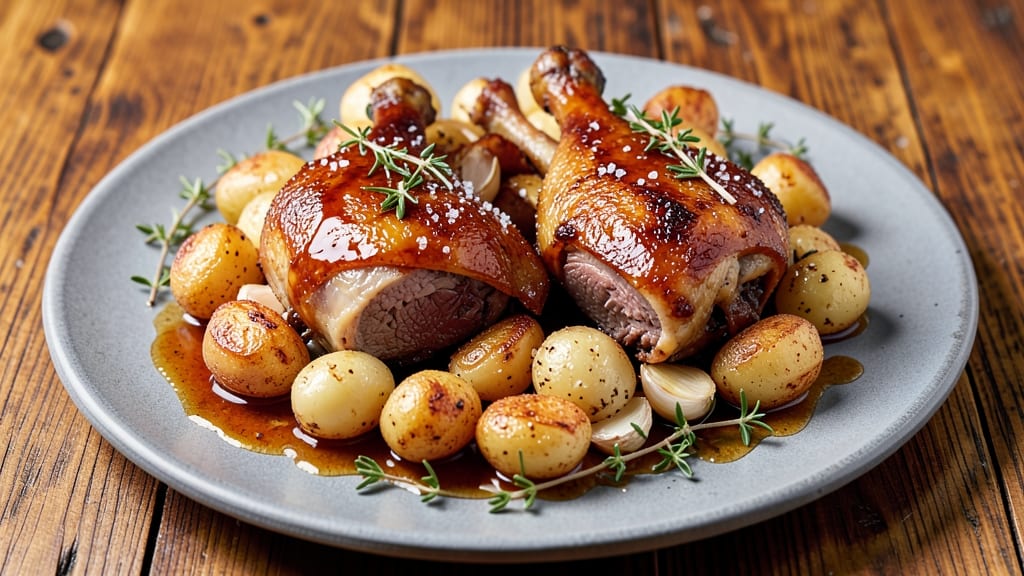
This duck potato recipe transforms humble ingredients into a showstopping side dish with crispy duck skin and silky potato centers—all cooked together in one pan for maximum flavor and minimal cleanup.
The secret lies in rendering duck fat slowly to create a golden, crackling crust while the potatoes absorb rich, savory flavors. I developed this method after years of experimenting with duck confit techniques, and it never fails to impress.
What sets this recipe apart is the one-pan approach, where duck fat bastes the potatoes as they roast, infusing them with deep, meaty richness. No need for complicated techniques—just a simple cast-iron skillet or Dutch oven, and you'll achieve restaurant-quality results at home.
The potatoes emerge tender yet firm, with edges that crisp beautifully from the rendered fat.
By the time you serve this dish, your table will smell like a French bistro, with perfectly golden potatoes and duck skin that shatters at the slightest touch.
The fat from the duck creates a natural gravy that pools at the bottom of the pan, ready to drizzle over each bite. This is the kind of side dish that elevates any meal from ordinary to extraordinary.
Pair it with roasted greens or a simple salad to balance the richness, or serve alongside seared duck breast for a complete feast. The leftovers reheat beautifully, making this recipe ideal for meal prep or entertaining. Let’s get cooking—your taste buds will thank you.
Ingredients for duck potato
Six ingredients, one pan, restaurant-quality duck fat magic.
| Ingredient | Amount | Notes |
|---|---|---|
| Duck Legs 🦆 | 2 whole | Bone-in, skin-on, roughly 1.5 lbs each |
| Baby Potatoes 🥔 | 2 lbs | Halved lengthwise, skin left on |
| Fresh Thyme 🌿 | ¼ cup | Leaves only, stems removed |
| Garlic Cloves 🧄 | 4 cloves | Smashed with side of knife |
| Kosher Salt 🧂 | 1 ½ tbsp | Plus extra for seasoning |
| Ground Black Pepper 🌶️ | 1 tsp | Freshly cracked preferred |
| Extra-Virgin Olive Oil 🫒 | 2 tbsp | For tossing potatoes |
| Dried Rosemary 🌿 | 1 tsp | Crushed between fingers |
| Duck Fat 🍳 | 2 tbsp | From rendered duck or store-bought |
| Fresh Parsley 🌿 | 0.1 cup | Chopped, for garnish |
| Balsamic Vinegar 🍷 | 1 tbsp | For finishing drizzle |
The duck legs are the star—bone-in, skin-on is non-negotiable. Look for whole duck legs at Whole Foods or specialty butchers—they're cheaper than pre-cut portions and render better fat. If you can't find them, duck breasts with skin work in a pinch, but you'll lose that rich confit flavor. The potatoes? Baby potatoes are ideal—they cook faster and stay tender. Halve them lengthwise so the duck fat can really penetrate. I always grab the organic Yukon Golds at Trader Joe's—they're perfect for this dish.
No duck legs? Chicken thighs with skin give a similar effect, though the fat won't be as rich. Swapping out the thyme for dried oregano at half the amount works if you're out, but fresh herbs make all the difference here. The duck fat is crucial—if you don't have any, render your own from duck breasts or use lard at a 1:1 ratio. For the potatoes, red potatoes hold their shape better if you prefer firmer bites. The balsamic vinegar is optional but adds a bright contrast to the richness—Trader Joe's has a great organic bottle that's perfect for this.
This dish reheats like a dream—4-5 days in the fridge, wrapped tightly in foil. The duck fat keeps everything moist, so no need to add extra oil. For make-ahead prep, render the duck fat first and store it in the fridge—it solidifies and can be reused for cooking. The leftovers taste even better the next day, especially with a drizzle of that balsamic reduction. Portion into containers with the crispy skin facing up—it's the best part!
Why You'll Love This Recipe
- One-Pan Magic: I swear by this for nights when I’d rather not wash a million dishes—just toss the duck legs and baby potatoes on a sheet pan, sprinkle with thyme and garlic, and let the oven do the work. The crispy skin on the duck? That’s all from the salt and time, no flipping required.
- Rich & Earthy: That duck fat rendering into the pan while the potatoes roast? Chef’s kiss. The thyme turns fragrant, the garlic mellows into something sweet, and the potatoes soak up all the richness—like a hug for your taste buds. (Yes, even on a Tuesday night.)
- Weeknight Hero: I make this when I’m feeding a crowd or just myself—same recipe, different portions. The leftovers? Even better the next day, especially reheated with a splash of broth. And honestly? It’s the kind of dish that makes you look fancy without trying.
- Budget Flexibility: Duck legs are cheaper than you think, and they yield more meat than chicken thighs. Baby potatoes stretch the meal further, and the herbs cost pennies. It’s my go-to when I want something special without breaking the bank—or spending hours in the kitchen.
Step-by-step instructions for crispy duck and potatoes
Here's how to nail that perfect golden crust on duck while keeping potatoes tender and flavorful.
Prep the Duck and Potatoes for Maximum Crisp
Start by patting the duck legs completely dry with paper towels—this is non-negotiable for crispy skin. I like to press down firmly, especially around the skin folds where moisture hides. Season both sides generously with all 1.5 tablespoons kosher salt and 1 teaspoon ground black pepper, rubbing it in so it sticks.
For the potatoes, halve them lengthwise and leave the skins on for texture. Toss them in a large bowl with the 2 tablespoons extra-virgin olive oil, the 0.25 cup fresh thyme leaves, and 1 teaspoon crushed dried rosemary. Give them a good shake so every surface gets coated. This herb mix will infuse the potatoes while they roast.
Render Duck Fat and Start the Potatoes
Heat a large, oven-safe skillet over medium heat and add the duck legs skin-side down. Let them render undisturbed for 8-10 minutes until the fat is bubbling and the skin starts turning golden. This rendered fat is liquid gold—it'll baste the duck and give those potatoes incredible flavor. Once the fat is shimmering, carefully flip the duck and cook another 5 minutes for even browning.
Remove the duck to a plate and add the halved potatoes to the same skillet, cut-side down. They'll nestle into the rendered fat perfectly. Cook for 5 minutes until they start browning at the edges, then flip them and cook another 5 minutes until they're golden in spots. This initial sear builds flavor before we finish in the oven.
Roast to Crispy Perfection
Preheat your oven to 400°F. Carefully return the duck to the skillet along with the potatoes. Add 2 tablespoons duck fat to the pan and pour 1 tablespoon balsamic vinegar over everything. The vinegar will caramelize beautifully and cut through the richness of the duck fat.
Transfer the skillet to the oven and roast for 30-35 minutes. The duck is done when it reaches 165°F internally and the skin is deep mahogany with crispy edges. The potatoes should be tender when pierced with a fork but still hold their shape. If they're browning too quickly, tent them loosely with foil after 20 minutes to prevent burning.
Finish with Fresh Herbs and Rest
Remove the duck and potatoes from the oven and let them rest for 5 minutes. This resting period is crucial—it lets the juices redistribute in the duck so every bite stays juicy. While they rest, sprinkle everything generously with the 0.1 cup chopped fresh parsley. The bright parsley cuts through the richness and adds a fresh finish.
Slice the duck legs at the joint and arrange them on plates with the potatoes. The contrast of crispy duck skin with tender, herby potatoes is what makes this dish sing. Serve immediately while everything is hot, with extra balsamic vinegar on the side if you want to drizzle more.
Pro Tips For Making Duck Potato
- CRISP THE POTATOES FIRST: Toss the baby potatoes in cold water after boiling, then shock them in ice water for 2 minutes—this stops cooking and makes them crisp up way better when roasted later. I used to skip this and ended up with soggy spuds every time, no matter how hot the oven.
- SALT THE DUCK IN ADVANCE: Generously season the duck legs with kosher salt at least 30 minutes before cooking—this lets the salt penetrate and renders the fat more flavorfully. I learned this the hard way after dry-brining a batch and wondering why the skin didn’t crisp properly.
- DON’T CROWD THE PAN: Leave space between duck legs when searing—if they’re touching, they’ll steam instead of brown. A single layer in a cold pan (yes, cold) ensures a perfect crust, and you can always add more batches if needed.
- GARLIC IN THE FAT: After removing the duck, use the rendered fat to sauté minced garlic and thyme for 30 seconds—this infuses the potatoes with depth without burning. I was skeptical until I tried it: the potatoes actually taste like they were cooked in duck flavor, not just salt and herbs.
Flavor customization for this dish
Herb Variations
Swap the thyme and rosemary for other aromatic herbs to change the flavor profile completely. Try 1 tbsp fresh sage leaves and ½ tsp fennel seeds for an Italian-inspired twist—the sage adds earthy depth while the fennel seeds bring a subtle licorice note that pairs beautifully with duck.
For a French bistro vibe, use ½ tsp tarragon and ½ tsp marjoram instead; these herbs complement the duck fat's richness without overpowering it. 🌿
Spicy Kick
Add heat by tossing the potatoes with ½ tsp smoked paprika and ¼ tsp cayenne pepper before roasting. For extra smokiness, sprinkle ½ tsp chipotle powder over the duck before it goes into the oven.
If you love bright heat, finish with a drizzle of sriracha-infused duck fat (mix 1 tbsp sriracha with 2 tbsp rendered duck fat and warm it gently). This adds a tangy, spicy contrast that cuts through the richness. 🌶️
Sweet and Tangy
Balance the savory duck with sweet-tangy flavors by adding 1 tbsp honey or maple syrup to the balsamic vinegar before drizzling over the potatoes. For extra depth, toss the potatoes with ½ cup diced apples (like Honeycrisp) before roasting—they'll caramelize slightly and add a crisp, sweet bite.
A sprinkle of toasted pecans at the end adds crunch and nutty warmth. This variation works especially well for holiday meals. 🍯
Umami Boost
Deepening the umami flavor transforms this dish into something restaurant-worthy. Add 1 tbsp soy sauce or 1 tsp fish sauce to the duck seasoning before roasting. For extra richness, fold 1 tbsp miso paste into the duck fat before adding it to the pan.
The miso adds a subtle fermented depth that pairs perfectly with the crispy skin. Garnish with toasted sesame seeds for a final Asian-inspired touch. 💛
Cheesy Potatoes
Turn the potatoes into a cheesy, crispy side by sprinkling ½ cup grated Gruyère or Parmesan cheese over them before the final 10 minutes in the oven. The cheese melts into a golden crust while absorbing the duck fat, creating a decadent texture.
For extra indulgence, add ¼ cup panko breadcrumbs mixed with the cheese—they toast beautifully and add crunch. This variation is perfect for hearty winter dinners. 🧀
Citrus Brightness
Cut through the richness with bright citrus notes by adding zest from 1 lemon or orange to the potato toss. Finish with a drizzle of honey-lemon reduction (simmer 2 tbsp honey and 1 tbsp lemon juice with 1 tbsp duck fat for 3 minutes).
The acidity balances the duck fat, and the citrus zest adds a refreshing pop of flavor. Garnish with thin lemon slices for an elegant presentation. ✨
Nutrition facts
Frequently asked questions
Can I use duck breasts instead of duck legs?
Duck breasts work but won't render as much fat for the potatoes. For best results, use 2 duck breasts with skin on, scoring the fat in a crosshatch pattern before cooking. Reduce oven time to 20-25 minutes since breasts cook faster. The skin will still crisp, but expect less fat for basting.
How do I prevent the potatoes from sticking?
Pat the halved potatoes completely dry before tossing with oil. Use a cast-iron skillet or Dutch oven—these retain heat better and prevent sticking. If needed, add 1 extra tablespoon duck fat to the pan before adding potatoes. Never overcrowd the pan; cook in batches if necessary.
What if I don’t have duck fat?
Render your own from duck breasts or use lard or ghee as substitutes. For extra richness, mix 2 tablespoons butter with 1 tablespoon olive oil. The flavor won’t be identical, but the dish will still be delicious. Avoid vegetable oils—they won’t crisp the duck skin as effectively.
Can I make this dish ahead of time?
This dish reheats beautifully. Cook the duck and potatoes as directed, then store in an airtight container in the fridge for up to 4 days. Reheat in a 350°F oven for 15-20 minutes, covered with foil. The skin may lose some crispness but will still be flavorful.
Why is my duck skin not crispy?
Crispy skin requires patience and dryness. First, ensure the duck is completely dry—pat it thoroughly. Cook skin-side down on medium heat for 8-10 minutes undisturbed. If your pan isn’t hot enough, the fat will render too slowly. Use tongs to flip carefully—piercing the skin releases juices and prevents crisping.