
Main Courses
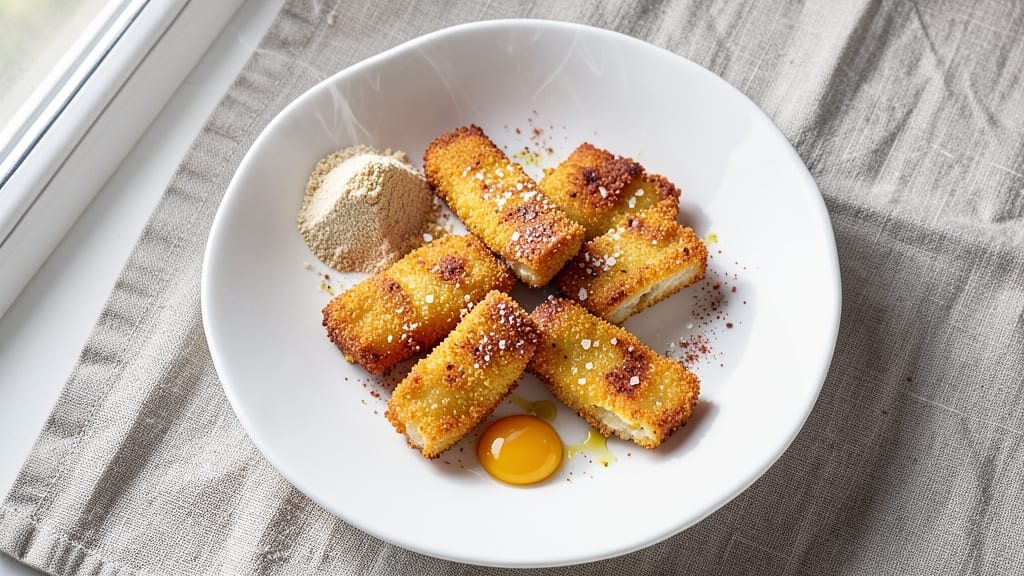
This fish fingers recipe without breadcrumbs delivers the same addictive crunch without relying on traditional coatings. The secret lies in a fine cornmeal crust that creates a crispy exterior while keeping the inside tender and flaky—just like the golden standard.
I perfected this method after years of experimenting with gluten-free alternatives, and it works with any mild white fish fillet.
The process is straightforward but precise: you’ll mix cornmeal with a light egg wash, then coat the fish evenly before frying or air-frying. This technique eliminates the need for breadcrumbs while still achieving that satisfying crunch.
The result? Fish fingers that stay crispy even after dipping, with a texture that’s impossible to resist. Perfect for families or anyone avoiding gluten.
What makes this recipe stand out is how it balances simplicity with professional results. You’ll need just five key ingredients, and the entire process takes less than 30 minutes—ideal for busy weeknights.
The cornmeal crust adds a subtle sweetness that pairs beautifully with classic tartar sauce or a zesty lemon aioli. Every bite delivers that satisfying contrast of crispy outside and tender inside.
Serve these fish fingers as a main dish with a side of fries or a fresh salad, or turn them into a quick lunch with pickles and coleslaw.
The recipe scales easily, so you can make a batch for the whole family without any leftovers. Let’s get started on the perfect crispy fish fingers!
Ingredients for fish fingers recipe without breadcrumbs
Five simple ingredients transform mild fish into crispy, gluten-free gold with perfect texture.
| Ingredient | Amount | Notes |
|---|---|---|
| White Fish Fillets 🐟 | 1 ½ lb | Mild white fish like cod or tilapia |
| Fine Cornmeal 🌽 | 1 cup | Lightly toasted for extra flavor |
| Large Eggs 🥚 | 2 whole | Room temperature for even coating |
| All-Purpose Flour 🌾 | ¼ cup | For light dusting before coating |
| Extra-Virgin Olive Oil 🫒 | ½ cup | For frying or air-frying |
| Salt 🧂 | 1 tsp | Kosher or sea salt preferred |
| Ground Black Pepper 🌶️ | ½ tsp | Freshly ground for best flavor |
| Lemon Juice 🍋 | 1 tbsp | Freshly squeezed for brightness |
| Garlic Powder 🧄 | ½ tsp | For subtle seasoning |
| Paprika 🌶️ | ½ tsp | Smoked variety for depth |
| Unsalted Butter 🧈 | 2 tbsp | Melted for brushing |
The fish choice is critical—cod or tilapia hold their shape best during frying. Look for fresh fillets at seafood counters or pre-cut portions in the frozen section of Trader Joe's or Whole Foods. If using frozen, thaw overnight in the fridge. The cornmeal should be fine-ground for an even coating—Bob's Red Mill is a reliable brand. Toast it lightly in a dry pan for 2 minutes before using to enhance its nutty flavor. For the eggs, room temperature ensures a smoother coating application, so take them out 30 minutes before starting.
No cornmeal? Fine-ground almond flour works in a pinch, though the texture will be slightly denser. Running short on eggs? Aquafaba (chickpea brine) at double the volume mimics the binding properties. The olive oil can be swapped for avocado oil if you prefer a neutral flavor, but stick with extra-virgin for the best frying performance. For seasoning, Diamond Crystal kosher salt dissolves cleaner than table salt. If you prefer a smokier crust, increase the paprika to 1 tsp—it pairs beautifully with the cornmeal. Pre-cut fish fillets save time, but buying whole fillets lets you trim them to uniform size for even cooking.
Prep the fish and coating ingredients ahead to streamline assembly. Store cornmeal and spices in airtight containers for up to 6 months, while eggs keep fresh for 3 weeks in the fridge. The cooked fish fingers stay crispy for 2 days when wrapped in paper towels and refrigerated, but best served immediately. For meal prep, air-fry at 375°F instead of frying—they reheat beautifully in the oven at 350°F for 5 minutes. Portion into single servings for easy grab-and-go lunches, or freeze for up to 3 months between layers of parchment paper.
Why You'll Love This Recipe
- No Mess, No Stress: I’ll be real—this recipe is the only way I make fish fingers anymore. No breadcrumbs flying everywhere, no fussy dredging. Just flour, cornmeal, and a quick dip in beaten eggs, then straight to the pan. My kids still think they’re magic, and I just think they’re easy.
- Crispy Outside, Tender Inside: That fine cornmeal coating? It’s the secret weapon. The olive oil fries them to a golden crunch while keeping the fish so flaky, it falls apart with the first bite. Not the prettiest, but the taste makes up for it—honestly, better than takeout.
- Lunches for Days: Here’s what sold me—these reheat like a dream. Pack them cold for school lunches, or pop them in the air fryer later for dinner. The cornmeal stays crispy even after sitting overnight, and the fish doesn’t turn rubbery. My go-to for busy mornings.
- Budget-Friendly Protein: White fish fillets are cheap, and this recipe stretches them far. A single batch feeds four for dinner and leaves enough for two lunches. Plus, cornmeal and flour are pantry staples, so I’m not scrambling for specialty ingredients. Solid, reliable, and my secret weapon for stretching groceries.
Step-by-step instructions for crispy cornmeal-coated fish fingers
Here's the method that delivers a perfectly crispy cornmeal crust without breadcrumbs while keeping the inside tender and flaky.
Prepare the Cornmeal Coating Mixture
In a shallow bowl, combine the 1 cup fine cornmeal, 1 teaspoon salt, ½ teaspoon ground black pepper, ½ teaspoon garlic powder, and ½ teaspoon paprika. Mix thoroughly to distribute the seasonings evenly. This dry mixture will create the crispy crust that replaces breadcrumbs while adding subtle depth of flavor.
In a separate bowl, whisk together the 2 whole large eggs and 1 tablespoon lemon juice until fully combined. The acidity from the lemon juice helps tenderize the fish slightly and prevents the coating from becoming too heavy. Let this egg mixture sit at room temperature while you prepare the fish.
Create the Light Flour Dusting and Season the Fish
Lightly dust a clean work surface with the ¼ cup all-purpose flour. This prevents sticking when handling the fish fillets. Pat the 1.5 lb white fish fillets completely dry with paper towels—moisture is the enemy of crispiness. You want the surface as dry as possible to ensure the cornmeal adheres properly.
Season both sides of each fillet generously with additional salt and pepper if desired, though the cornmeal mixture already contains seasoning. Cut the fillets into 4 equal strips, each about 3 inches long and 1 inch wide. The uniform size ensures even cooking and crisping.
Coat the Fish for Maximum Crispiness
Working with one fillet at a time, dip each strip into the egg mixture first, allowing any excess to drip off. Then press the fillet into the cornmeal mixture, coating both sides thoroughly. Press firmly but gently to ensure the cornmeal adheres well—this is what creates that satisfying crunch. Place the coated fillets on a wire rack set over a baking sheet to allow air circulation on all sides.
Let the coated fillets rest for 5 minutes before cooking. This brief resting period helps the cornmeal adhere more securely to the fish, preventing it from falling off during frying. While waiting, melt the 2 tablespoons unsalted butter in a small saucepan over low heat—this will be used for brushing after cooking.
Cook to Golden Perfection
Heat the ½ cup extra-virgin olive oil in a large skillet over medium-high heat until it shimmers but doesn't smoke. Add the coated fish fillets in a single layer, leaving space between each piece. Cook for 2-3 minutes per side until the cornmeal crust turns a deep golden brown and the fish is cooked through. You'll know it's ready when the crust is crispy and the fish flakes easily with a fork.
Transfer the cooked fish fingers to a paper towel-lined plate to drain any excess oil. Immediately brush each fillet with the melted butter while still hot—this adds richness and helps maintain the crispiness. Serve immediately with lemon wedges for squeezing or your favorite dipping sauce.
Optional Air Fryer Method for Healthier Crispiness
For a lighter alternative, preheat the air fryer to 400°F. Arrange the coated fish fingers in a single layer in the air fryer basket, leaving space between each piece. Cook for 6-8 minutes, flipping halfway through, until the cornmeal crust is golden brown and crispy. The internal temperature should reach 145°F for perfect doneness.
This method reduces oil while still delivering that satisfying crunch. Just be sure to monitor closely—air fryers can vary in temperature accuracy. Serve immediately as the crust will soften slightly if left to sit.
Pro Tips For Making Fish Fingers Recipe Without Breadcrumbs
- PAT THE FISH DRY: Cornmeal clings like glue to wet fish—skip the soggy crust by pressing fillets between two paper towels before dredging. I used to rush this, and my fingers always ended up gummy. Take 10 seconds now to save 5 minutes of frustration later.
- USE COLD OIL: Heat the oil to 350°F (175°C), but don’t let it smoke—cold oil starts hotter and cooks faster without burning the cornmeal. After burning three batches, I finally realized: the thermometer’s your friend, not your enemy.
- WHISK EGGS VIGOROUSLY: Beat the eggs until they’re frothy, not just mixed—this creates a lighter, airier coating that browns better. I was skeptical until I tried it: the difference between a flimsy crust and one that holds is just elbow grease here.
- DON’T OVERCROWD THE PAN: Fry in batches of 2-3 fingers max—too many drops the oil temp, and you’ll end up with greasy, uneven cooking. Yes, it means more trips to the pan, but mushy fish fingers aren’t worth shortcuts. Trust me.
Dietary considerations for this fish fingers recipe without breadcrumbs
Gluten-Free Adaptations
This recipe naturally eliminates gluten by replacing breadcrumbs with a fine cornmeal crust that creates the same satisfying crunch. Cornmeal is inherently gluten-free, but always check labels—Bob's Red Mill and King Arthur brands are certified gluten-free.
For extra security, use a dedicated gluten-free kitchen space and tools if you're highly sensitive. 🌽
Dairy-Free Options
Skip the butter brushing step if avoiding dairy—use melted coconut oil instead. Coconut oil adds a subtle sweetness that complements the cornmeal. For the egg wash, ensure your eggs are fresh and properly beaten to maintain binding.
If you need a completely egg-free version, replace the eggs with 3 tablespoons aquafaba (chickpea brine) mixed with 1 teaspoon lemon juice.
Nut-Free Considerations
The recipe is nut-free as written, but if you're using almond flour as a cornmeal substitute, ensure it's processed in a nut-free facility. Always check labels for cross-contamination warnings.
For a seed-based alternative, try ground flaxseed or sunflower seed flour—they add a slightly earthy note that pairs well with the cornmeal's sweetness.
Allergen-Friendly Swaps
For egg allergies, use 1 tablespoon cornstarch + 2 tablespoons water as a binder. Mix well to create a paste that mimics egg's adhesive properties. If you're avoiding all allergens, opt for certified allergen-free cornmeal and ensure your fish is from a dedicated allergen-free processing line.
Always verify with your fish supplier about potential cross-contamination with common allergens like soy or shellfish.
Low-Carb Adaptations
This recipe is already low-carb thanks to the cornmeal crust, but you can reduce carbs further by using ½ cup cornmeal instead of 1 cup. The crust will still be crispy but slightly lighter.
For extra flavor without added carbs, increase the garlic powder and smoked paprika to 1 teaspoon each. Pair with a sugar-free tartar sauce made with Greek yogurt and lemon juice for a fully low-carb meal. 💪
Kid-Friendly Modifications
Make the crust extra kid-friendly by adding ½ cup crushed cornflakes to the cornmeal mixture for a sweeter, familiar flavor. For picky eaters, cut the fish into fun shapes using cookie cutters before coating.
Serve with colorful veggie sticks (carrots, cucumbers) and a mild yogurt-based dip to make the dish more appealing. The cornmeal crust's mild sweetness often wins over even the most hesitant fish eaters.
Nutrition facts
Frequently asked questions
Why does cornmeal work better than breadcrumbs for crispiness?
Cornmeal creates a lighter, airier crust that cooks faster and stays crispier longer than breadcrumbs. Its natural starch content absorbs less oil while developing a satisfying crunch. The fine texture also adheres better to fish, preventing clumping during frying. Plus, it adds a subtle sweetness that pairs perfectly with the fish's natural flavor.
Can I use frozen fish fillets in this recipe?
Yes, but thaw them completely first in the refrigerator overnight. Never use frozen fillets straight from the freezer—they won't cook evenly and may fall apart. Pat them completely dry before coating to ensure maximum crispiness. For best results, choose previously frozen fillets that were flash-frozen at peak freshness.
How do I keep the coating from falling off?
Press the cornmeal coating firmly onto the fish after dipping in egg wash, and let the coated fillets rest for 5 minutes before cooking. This allows the coating to adhere properly. Avoid overcrowding the pan during frying, and cook at medium-high heat for just 2-3 minutes per side. Overcooking can make the crust brittle and more likely to fall off.
What's the best way to reheat these fish fingers?
For maximum crispiness, reheat in a skillet over medium heat for 1-2 minutes per side or in an air fryer at 375°F for 3-4 minutes. Avoid the microwave—it will make the crust soggy. If reheating baked fish fingers, broil for 2 minutes on high heat to restore crispiness. Always reheat from room temperature for even results.
Can I make these fish fingers ahead of time?
Prepare the coated fillets up to 24 hours ahead and refrigerate uncovered on a wire rack. Cook fresh for best texture, but if needed, freeze uncooked coated fillets for up to 3 months between parchment paper. For cooked fish fingers, keep them crispy by storing in a single layer in an airtight container with a paper towel underneath. Reheat as directed above.