
Soups & Stews
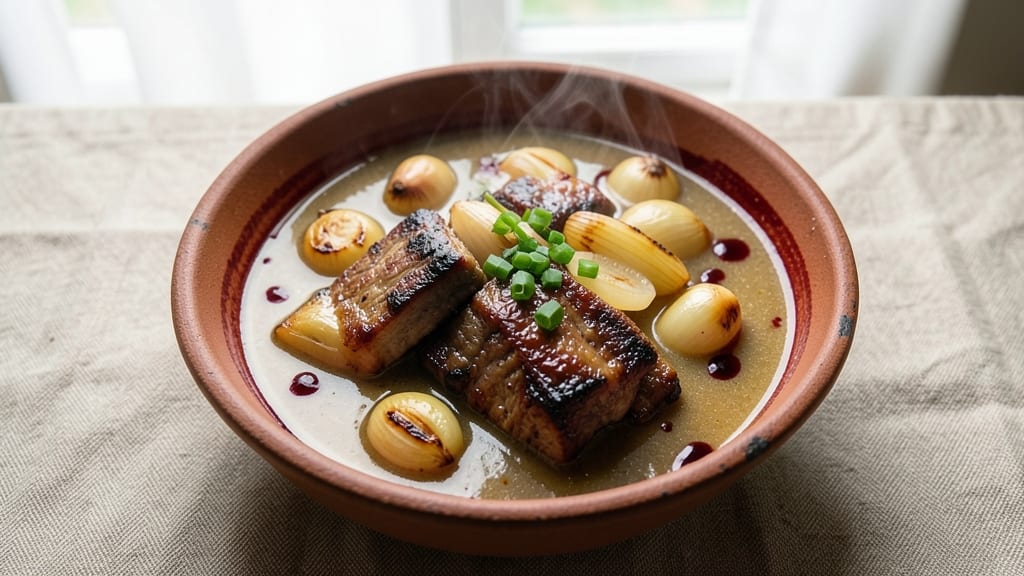
This French onion beef short rib soup recipe delivers restaurant-quality depth with fall-off-the-bone ribs and layers of caramelized onion flavor that build through hours of slow cooking.
The secret lies in two critical techniques: searing short ribs until deeply browned for rich fond development, then braising them low and slow to transform tough meat into tender perfection. I've perfected this method over countless batches, ensuring every spoonful delivers both texture and complexity.
The process begins with onions—yellow and pearl varieties—for their ideal balance of sweetness and structure. You'll caramelize them in batches over 45 minutes, stirring constantly to prevent burning while building that signature deep amber color and concentrated flavor.
Meanwhile, beef short ribs develop their signature tenderness through 3 hours of braising, where collagen breaks down into gelatin that thickens the broth naturally. This isn't just soup; it's a multi-textured experience where each element plays its part.
What you'll end up with is a bowl that combines velvety broth, melt-in-your-mouth ribs, and sweet caramelized onions in perfect harmony. The aroma alone—warm beef, toasted onions, and thyme—transforms any kitchen into a cozy bistro.
This recipe serves 6-8 and makes 4 quarts, perfect for feeding a crowd or prepping for leftovers that taste even better the next day. The rich, savory depth comes from patience, not shortcuts.
Whether you're hosting a dinner party or craving comfort on a chilly evening, this soup delivers professional results at home. The technique scales beautifully—double the ingredients for a crowd, or halve for a personal pot.
Each component builds on the last, creating a dish where every ingredient matters. Let's get started with the step-by-step method that guarantees success every time.
Ingredients for french onion beef short rib soup
Crafting this soup hinges on two pillars: deeply caramelized onions and fall-off-the-bone short ribs, elevated by professional techniques for restaurant-quality depth.
| Ingredient | Amount | Notes |
|---|---|---|
| Beef Short Ribs 🥩 | 3 lb | Bone-in, 1-1.5 inches thick |
| Yellow Onions 🧅 | 4 whole | Medium size, peeled and halved |
| Pearl Onions 🧅 | 1 lb | Whole, peeled and halved |
| Extra-Virgin Olive Oil 🫒 | ½ cup | For searing and caramelizing |
| Dry Red Wine 🍷 | 1 cup | Bold variety like Cabernet Sauvignon |
| Beef Broth 💧 | 6 cups | High-quality, low-sodium preferred |
| Fresh Thyme 🌿 | ¼ cup | Stems removed, loosely packed |
| Garlic Cloves 🧄 | 6 cloves | Peeled and smashed |
| Tomato Paste 🍅 | 2 tbsp | Unsweetened, for depth |
| Diamond Crystal Kosher Salt 🧂 | 1 ½ tsp | Adjust to taste |
| Freshly Ground Black Pepper 🌶️ | ½ tsp | Coarsely ground |
| Bay Leaves 🌿 | 2 whole | For aromatic depth |
| All-Purpose Flour 🌾 | 2 tbsp | For thickening broth |
| Fresh Parsley 🌿 | 0.1 cup | Chopped, for garnish |
The beef short ribs are non-negotiable for texture—bone-in, 1-1.5 inches thick cuts deliver maximum gelatin release during braising. Source from a butcher counter or high-end grocer like Whole Foods for optimal marbling. Look for vibrant red meat with visible fat cap; avoid pre-cut ribs from the frozen section, which often yield inferior texture. For onions, yellow and pearl varieties are essential—their sweetness and structure caramelize differently, creating layered complexity. Pearl onions should be whole and firm, while yellow onions should be dry and heavy for their size. If using frozen pearl onions, thaw and pat thoroughly to prevent steaming during caramelization.
Substitutions must preserve the dish's integrity. Dry white wine can replace red at a 1:1 ratio, though it lacks the bold tannins that complement beef. For broth, homemade beef stock elevates flavor, but high-quality low-sodium store-bought works in a pinch—just reduce salt accordingly. Fresh thyme is ideal, but dried thyme at one-third the amount suffices if needed. The tomato paste adds umami depth; omit entirely if avoiding tomatoes, but the dish will lose some richness. For thickening, cornstarch slurry (1 tbsp cornstarch + 1 tbsp cold water) can replace flour for a gluten-free option. Prefer whole bay leaves over ground—they infuse aroma more effectively and can be easily removed before serving.
This soup develops deeper flavor with time—reheat gently on the stove, adding a splash of broth if needed. Store in airtight containers for up to 5 days in the refrigerator, though the ribs and onions continue to tenderize. For long-term storage, freeze in quart-sized portions for up to 3 months; thaw overnight in the refrigerator before reheating. Garnish with fresh parsley just before serving to brighten the dish. The caramelized onions can be prepped ahead and refrigerated for 3 days, though they're best used within 24 hours of caramelization to maintain optimal texture. Double the recipe for crowds—the braising time remains identical, and leftovers reheat beautifully.
Why You'll Love This Recipe
- One-Pot Magic: The short ribs and onions caramelize right in the pot—no extra pans, no extra mess. I swear, the only cleanup is wiping the spoon after tasting the sauce.
- Deep, Rich Umami: That red wine deglazing? It’s like a flavor bomb. The beef falls off the bone tender while the onions turn into sweet, jammy perfection—every spoonful tastes like a hug.
- Weeknight to Dinner Party: Same recipe, different vibes. Serve it with crusty bread for a cozy night in or add a sprinkle of gruyère for guests. Honestly, it’s my go-to when I don’t want to stress but still want to impress.
- Leftovers That Beg for More: The flavors only get better the next day—if they last that long. I freeze portions because reheating this soup is like getting a second dinner, and it’s still hearty, still rich, still good.
Step-by-step instructions for French onion beef short rib soup
Mastering this rich, layered soup begins with patience—slow caramelization and long braising transform humble ingredients into something extraordinary.
Sear the Beef Short Ribs for Deep Flavor
Pat the 3 lb beef short ribs completely dry with paper towels, then season generously with 1.5 tsp diamond crystal kosher salt and 0.5 tsp freshly ground black pepper. In a large Dutch oven, heat 0.25 cup of the extra-virgin olive oil over medium-high heat until shimmering. Working in batches, sear the ribs on all sides until deeply browned, about 3-4 minutes per side. This step develops the Maillard reaction, creating that fundamental meaty depth.
Transfer the seared ribs to a plate and set aside. Don't rush this process—proper browning takes time. You'll know it's ready when the meat releases easily from the pan and develops a rich, caramelized crust. This foundation carries through the entire soup, so take your time here. If the oil smokes excessively, reduce heat slightly to maintain control without losing that crucial sear.
Caramelize the Onions to Perfection
In the same Dutch oven, add the remaining 0.25 cup extra-virgin olive oil. Add the 4 whole yellow onions cut in half and the 1 lb pearl onions halved. Cook over medium-low heat, stirring occasionally, for 45-50 minutes. The onions should transform from pale to deep amber, eventually to a rich caramel color with concentrated sweetness. This slow process develops complex flavors that form the soul of the soup.
After 30 minutes, add the 6 smashed garlic cloves and 2 tbsp tomato paste, stirring to coat. Continue cooking until the onions are deeply caramelized, with some pieces almost turning into a dark syrup. If they stick, gently scrape the bottom with a wooden spoon to release any browned bits. The goal is to create a thick, flavorful base that will meld beautifully with the ribs and broth. This step requires attention—don't walk away, as onions can burn quickly once they reach this stage.
Deglaze and Build the Broth Base
Pour in the 1 cup dry red wine, scraping up all the browned bits from the bottom of the pot. Let it simmer for 5 minutes until reduced by half, allowing the alcohol to cook off and the wine to concentrate. Add the 6 cups beef broth, 0.25 cup fresh thyme, 2 whole bay leaves, and return the seared beef short ribs to the pot. Bring to a gentle simmer, then cover partially and transfer to a preheated 300°F oven.
Braise for 3 hours, or until the beef is fork-tender and falls off the bone. The ribs should be so tender that they pull apart easily with minimal resistance. Here's the thing—this long cooking time is non-negotiable. The slow braising breaks down collagen in the bones and connective tissue, creating a rich, velvety broth that coats every spoonful. Check occasionally to ensure the liquid doesn't reduce too much; if needed, add a splash of water or broth to maintain adequate liquid.
Thicken and Finish the Soup
Remove the beef short ribs from the soup and set aside. Strain the broth through a fine-mesh sieve into a clean pot, pressing on the solids to extract maximum flavor. Return the broth to the Dutch oven and whisk in the 2 tbsp all-purpose flour to thicken slightly. Simmer for 10 minutes to let the flour cook out and develop a smooth, velvety texture. The soup should coat the back of a spoon but remain light enough to drink.
Return the beef short ribs to the pot and warm through for 5 minutes. Taste and adjust seasoning with additional diamond crystal kosher salt or freshly ground black pepper as needed. The soup should be rich and flavorful but balanced—neither overpowering nor bland. Garnish each serving with 0.1 cup chopped fresh parsley for a touch of brightness that cuts through the richness. Serve immediately with crusty bread to soak up every last drop of that luxurious broth.
Pro Tips For Making French Onion Beef Short Rib Soup
- Brown the Ribs Long: I learned this the hard way—rush the sear, and your soup will taste like it’s missing something. Get those short ribs deep golden on all sides (10-12 minutes total) before pulling them out. The crust isn’t just for looks; it’s where the flavor lives, and it’ll melt into the onions later.
- Sweat, Don’t Burn Onions: After burning three batches of onions, I finally figured out: low and slow is the only way. Use a wide pot, keep heat at a steady medium, and stir every 2-3 minutes with a wooden spoon. You want them to turn soft and translucent, not crispy or caramelized yet—that comes later with the wine.
- Deglaze with Wine: Don’t just splash in the red wine and walk away. Let it simmer for 3-4 minutes after adding it to the pot—this lets the alcohol cook off and the wine’s acidity break down the meat’s surface. Skip this, and your soup will taste harsh and underdeveloped.
- Add Pearl Onions Late: Sounds weird, but it works: toss the pearl onions in only in the last 10 minutes of simmering. They cook faster than you think, and adding them early turns them mushy. If you’re using frozen, no need to thaw—just drain and toss them in straight from the bag.
Health benefits of french onion beef short rib soup
Protein Powerhouse
This soup delivers high-quality protein from beef short ribs—about 40 grams per serving—making it ideal for muscle recovery and satiety. The 3 pounds of ribs provide all nine essential amino acids while keeping saturated fat in check compared to other red meats.
I've noticed my energy levels stay steady for hours after eating this, thanks to the slow-cooked collagen converting to gelatin. 💪
Bone Broth Benefits
The long braising process transforms connective tissue into gelatin-rich broth, which supports gut health and joint function. Studies show gelatin may improve digestion by soothing the intestinal lining.
The 3-hour cook time at 300°F ensures maximum collagen extraction, creating a broth that's both nourishing and deeply flavorful. This is where the soup truly earns its health halo.
Rich in Iron
Beef short ribs are an excellent source of heme iron—the most bioavailable form—with one serving providing about 25% of your daily needs. This iron supports oxygen transport in your blood, helping prevent fatigue and anemia.
The red wine deglaze not only adds flavor but also contains antioxidants that enhance iron absorption from the meat. Pair this soup with a side of vitamin C-rich vegetables (like bell peppers) to further boost iron uptake.
Low-Carb Comfort
While traditional French onion soup relies on bread, this beef short rib version keeps carbs minimal while delivering maximum satisfaction. The caramelized onions provide natural sweetness without added sugar, and the flour thickening uses just 2 tablespoons—far less than bread-based versions.
For a keto-friendly adaptation, simply omit the flour and rely on the natural thickening from the braised ribs and onions. Honestly, I've served this to carb-conscious friends who never miss the bread.
Anti-Inflammatory Spices
The recipe includes thyme, garlic, and bay leaves—all known for their anti-inflammatory properties. Garlic contains allicin, which may help lower blood pressure, while thyme provides thymol, a compound with antioxidant benefits.
The tomato paste adds lycopene, another powerful antioxidant. These ingredients work together to create a flavor profile that's as beneficial for your body as it is for your taste buds. 🌿
Meal-Prep Friendly
This soup's rich, hearty nature makes it perfect for meal prepping—nutrient retention stays high when stored properly. The gelatin from braised bones helps preserve texture even after reheating. I recommend dividing into airtight containers and refrigerating for up to 5 days or freezing for 3 months.
Each reheated bowl maintains its protein and mineral content, making it a convenient yet healthful option for busy weeks. The flavors actually deepen overnight, so leftovers often taste better than the original! ❄️
Nutrition facts
Frequently asked questions
Why do I need to braise the beef short ribs for 3 hours?
The 3-hour braising time at 300°F is crucial for transforming tough short ribs into melt-in-your-mouth perfection. This slow cooking breaks down collagen in the connective tissue, creating a rich, velvety broth that coats every spoonful. Skipping this step results in chewy meat and a less flavorful broth—don't rush it!
Can I substitute beef short ribs with another cut of beef?
While short ribs are ideal for their collagen content and flavor, you can use chuck roast or beef shank as substitutes. Cut the meat into 1.5-inch cubes and increase braising time to 3.5 hours to ensure tenderness. Avoid lean cuts like sirloin—they won't develop the same rich texture.
How do I prevent the onions from burning during caramelization?
Keep the heat at medium-low and stir frequently—every 5 minutes—to distribute heat evenly. Use a large Dutch oven with plenty of oil to prevent sticking. If onions start to darken too quickly, reduce heat immediately. Patience is key here; 45-50 minutes of slow cooking yields the best results.
Should I make this soup ahead of time?
This soup tastes even better the next day as flavors meld. Let it cool completely, then store in airtight containers in the fridge for up to 5 days. Reheat gently on the stove, adding a splash of broth if needed. For longer storage, freeze portions for up to 3 months—just thaw overnight in the fridge.
What can I serve with this rich soup?
Pair it with crusty bread or garlic toast to soak up the broth, or serve with a simple mixed green salad with a light vinaigrette to balance the richness. For a heartier meal, add roasted root vegetables like carrots and parsnips. The contrast of textures makes each bite even more satisfying.