
Main Courses
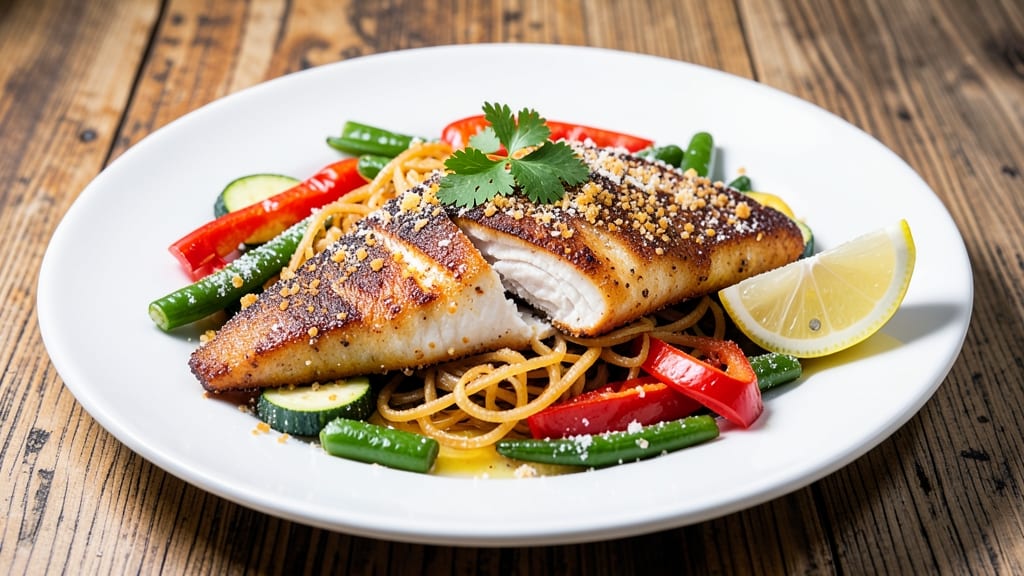
This fried fish with vegetables recipe delivers the perfect balance of crispy, golden cornmeal crust and vibrant, fresh garden vegetables—ideal for a hearty weeknight meal.
The secret lies in a light, airy batter that creates a satisfying crunch while keeping the fish tender inside, paired with seasonal vegetables that stay crisp-tender when cooked just right.
I've tested this recipe countless times to ensure the fish fries evenly and the vegetables complement rather than compete with the star of the plate.
The beauty of this dish is its versatility—use whatever fish fillets you prefer (tilapia, cod, or even catfish) and pair them with your favorite vegetables like bell peppers, zucchini, or green beans.
The cornmeal crust adds a subtle texture and depth of flavor that elevates the dish beyond typical fried fish, while the vegetables maintain their natural sweetness and crunch. With precise timing and a few simple techniques, you'll achieve restaurant-quality results in under 30 minutes.
What you'll end up with is a plate that's as visually appealing as it is delicious: golden, crispy fish fillets with perfectly seasoned vegetables that add color and freshness. The cornmeal crust stays crunchy even after frying, and the vegetables retain their vibrant hues and satisfying bite.
This recipe is designed to impress without requiring advanced skills—just follow the steps carefully, and you'll have a complete, balanced meal ready to serve.
Serve with a side of lemon wedges and tartar sauce for dipping, and you've got a meal that's perfect for family dinners, potlucks, or even a casual gathering with friends. The fish and vegetables cook simultaneously, making this a foolproof recipe for busy weeknights. Let's get started!
Ingredients for fried fish with vegetables
Pantry staples plus fresh garden vegetables—everything you need for crispy, golden fried fish and vibrant sides.
| Ingredient | Amount | Notes |
|---|---|---|
| White Fish Fillets 🐟 | 1 ½ lb | Tilapia, cod, or catfish preferred |
| All-Purpose Flour 🌾 | 1 cup | For light, airy batter |
| Cornmeal 🌽 | ½ cup | Fine grind for best texture |
| Eggs 🥚 | 2 large | Room temperature for even coating |
| Baking Powder 🧂 | 1 tsp | For extra crispiness |
| Salt 🧂 | 1 ½ tsp | Kosher or sea salt |
| Black Pepper 🌶️ | ½ tsp | Freshly ground preferred |
| Bell Peppers 🧅 | 1 ½ cups | Sliced into 1/2-inch strips |
| Zucchini 🥒 | 2 medium | Fixed: 2 medium whole zucchini |
| Green Beans 🌱 | 1 lb | Trimmed and halved |
| Vegetable Oil 🫒 | 3 cups | For deep frying |
| Lemon Wedges 🍋 | 4 whole | For serving |
| Tartar Sauce 🥫 | ½ cup | Store-bought or homemade |
The fish is the star, so don't skimp on quality. Look for fresh, firm fillets at the seafood counter—tilapia or cod are foolproof choices. If buying frozen, thaw overnight in the fridge. For the vegetables, farmers markets have the freshest zucchini and green beans, but grocery store produce works too. Just make sure the zucchini isn't mealy and the green beans are crisp. The cornmeal matters here—fine grind gives you that perfect crunch, while coarse stays too gritty. I always grab mine from the baking aisle at Whole Foods or Trader Joe's—they keep it stocked well.
No cornmeal? Crushed cornflakes or panko work in a pinch, though the texture won't be identical. Fresh herbs like parsley or dill can't replace the cornmeal, but they add brightness to the tartar sauce. The vegetables can be swapped—asparagus or broccoli hold up well too. For the oil, vegetable or peanut oil are best—they have high smoke points. If your oil smells off when hot, it's time to replace it. The eggs should be room temp for even coating, but if you forget, just let them sit out for 20 minutes before using.
This recipe reheats poorly—eat it fresh! The fish stays crispy for about 20 minutes after frying, so serve immediately. Store any leftover vegetables in the fridge for 3-4 days, but the fried fish? Best eaten the same day. I like to prep the vegetables ahead and store them in separate containers—just pat them dry before frying. The batter and cornmeal mixture can be made 1 day ahead and kept in the fridge, covered tightly. Double the recipe if you're feeding a crowd—it disappears fast!
Why You'll Love This Recipe
- Crispy in Minutes: I swear, the cornmeal and baking powder combo gives you that perfect crunch in just 12 minutes—no waiting for breading to set like some other fried fish recipes. Honestly, I’ve tried fancier methods, but this? It’s the fastest route to golden, shatterable crusts without sacrificing flavor.
- Two-Ingredient Magic: That flour and cornmeal dredge is where it’s at—simple, but it delivers a texture you’d pay extra for at a restaurant. The egg binds it all together, and the baking powder? Tiny puff of magic that keeps it light instead of dense. (Yes, even on a Tuesday night.)
- Leftover Reinvention: Cold fried fish the next day? Still a star. I toss the leftovers into a wrap with store-bought slaw or chuck them in a grain bowl for lunch—zero waste, all flavor. Between us, I’ve turned this into a breakfast hash with potatoes and hot sauce. It’s that adaptable.
- Budget-Friendly Feast: White fish fillets are cheaper than you think, and this recipe stretches them far when you add in whatever veggies you’ve got lurking in the fridge. I’ve made this for six people for under $15—no fancy seafood prices, just solid, satisfying comfort food that doesn’t break the bank.
Step-by-step instructions for crispy cornmeal-crusted fried fish with vegetables
Here's how to create golden, crunchy fish fillets paired with perfectly cooked garden vegetables.
Prepare the Vegetables for Cooking
Start by washing and trimming the vegetables. Cut the 1.5 cups bell peppers into ½-inch strips and trim the ends from the 1 lb green beans, then halve them lengthwise. Slice the 2 medium zucchini into ¼-inch rounds. Spread all vegetables on a clean kitchen towel and pat them completely dry—this ensures they'll cook quickly and stay crisp.
In a large bowl, toss the vegetables together with 1.5 teaspoons salt and ½ teaspoon black pepper. Set aside for 5 minutes to let the seasoning adhere. This simple step prevents soggy vegetables and enhances their natural flavors. Keep them at room temperature while you prepare the fish.
Create the Crispy Cornmeal Batter
In a shallow bowl, whisk together the 1 cup all-purpose flour, ½ cup cornmeal, 1 teaspoon baking powder, 1.5 teaspoons salt, and ½ teaspoon black pepper. This dry mixture is the foundation of your crispy crust. The baking powder adds extra lift, while the cornmeal gives that signature crunch you're after.
In another bowl, lightly beat the 2 large eggs until just combined—no need to overmix. The eggs should be room temperature for an even coating. I like to crack them directly into the bowl without shells, then whisk gently to avoid bubbles. Set both bowls near your frying station for easy access.
Set Up for Deep Frying
Fill a deep skillet or Dutch oven with 3 cups vegetable oil and heat it over medium-high heat until it reaches 350°F—use a deep-fry thermometer to monitor the temperature. This is the perfect heat for achieving a golden crust without greasy fish. If you don't have a thermometer, test the oil by dropping in a small piece of bread—it should sizzle and turn golden in 30 seconds.
While the oil heats, pat the 1.5 lb white fish fillets completely dry with paper towels. This step is non-negotiable—any moisture will cause the batter to steam instead of crisp. Arrange the fillets on a wire rack set over a plate to keep them elevated while you prepare the batter.
Fry the Fish to Golden Perfection
Working in batches to avoid overcrowding, dip each fish fillet into the beaten eggs, letting any excess drip off. Then, press it firmly into the dry flour mixture, coating all sides evenly. The batter should stick to the fish without falling off—this ensures that crispy crust you're aiming for.
Carefully lower the coated fillets into the 350°F oil using a slotted spoon or tongs. Fry for 3-4 minutes per side until the crust is deep golden brown and the fish flakes easily with a fork. Don't walk away—this is where the magic happens. If the oil temperature drops below 340°F, let it recover before adding more fish.
Cook the Vegetables and Finish the Dish
Once the fish is golden and crispy, remove it from the oil and transfer to a paper towel-lined plate to drain. Immediately reduce the oil temperature to 325°F and add the prepared vegetables in batches. Cook for 4-5 minutes, stirring occasionally, until they're tender-crisp—bright green beans, slightly softened zucchini, and just-crisp bell peppers.
Season the cooked vegetables with a pinch of salt if needed, then arrange them on a large platter. Place the crispy fish fillets on top and serve immediately with the 4 whole lemon wedges and ½ cup tartar sauce on the side. The contrast of the crunchy fish crust with the fresh, vibrant vegetables makes this dish unforgettable.
Pro Tips For Making Fried Fish With Vegetables
- PAT THE FISH DRY: Fish has a knack for absorbing oil like a sponge, and damp skin means a soggy crust. Grab paper towels and press firmly—really press—on both sides before dredging. I used to skip this, and my fish would steam instead of fry.
- MIX CORNMEAL LAST: The cornmeal is your golden-ticket crisp, but add it after the flour and egg. Toss the floured fish in cornmeal just before frying—this keeps the coating light and crunchy, not gummy. (Yes, even if you’re impatient like me.)
- DON’T OVERCROWD THE PAN: Three pieces at a time, max. I learned this after frying a whole batch at once and ending up with greasy, uneven fish. Let the oil recover its heat between batches, or your crust will turn to mush.
- USE BAKING POWDER SPARINGLY: A pinch (½ teaspoon max) in the flour mix lifts the crust, but too much makes it bitter. If you skip it, just shake the flour bag—sometimes it’s already in there from previous uses. (I’ve ruined a batch by overdoing it.)
Serving suggestions for this recipe
Plating for Visual Impact
Arrange the fried fish fillets in a diagonal line across your platter to create a sense of movement and balance. The golden crust should be the focal point, so position the vegetables around it like a colorful border.
I like to place the brightest veggies—like red bell peppers—closest to the fish to make the plate pop. Use a slotted spoon to gently transfer the vegetables so they don't lose their crisp texture. 💫
Garnish Like a Pro
Fresh herbs elevate the dish instantly. Sprinkle chopped parsley or dill over the vegetables for a pop of color and freshness. A few lemon zest strips scattered around the plate add a citrusy aroma that complements the fried fish beautifully.
I also like to add microgreens for an elegant touch—just a pinch goes a long way.
Sauce Presentation
Serve the tartar sauce in a small ceramic bowl or ramekin placed slightly off-center on the platter. This keeps it accessible but doesn't overwhelm the plate. For extra flair, pipe the sauce into a decorative shape using a squeeze bottle.
The lemon wedges should be arranged in a small cluster on a separate plate or directly on the platter—just make sure they're easy to reach.
Family-Style Serving
For a casual gathering, serve the fish and vegetables family-style in a large bowl or platter. This encourages everyone to dig in and try different combinations. I often use a wooden serving board for a rustic touch—it adds warmth and texture to the presentation.
Keep the tartar sauce and lemon wedges in separate bowls nearby for easy access.
Dessert Pairings
Balance the richness of fried fish with a light, refreshing dessert. A simple citrus sorbet or lemon bars cut through the grease beautifully. For a heartier option, serve with a crisp green salad topped with a tangy vinaigrette.
The acidity in both options helps cleanse your palate and keeps the meal feeling fresh and balanced. 🍋
Seasonal Vegetable Swaps
Adjust your vegetable choices based on what's fresh and in season. In summer, swap zucchini for asparagus or corn, while fall calls for butternut squash or Brussels sprouts.
Winter vegetables like broccoli or cauliflower add heartiness to the plate. Always cook seasonal vegetables until they're just tender—overcooking dulls their natural flavors and vibrant colors.
Nutrition facts
Frequently asked questions
What’s the best type of fish for frying in this recipe?
Light, firm white fish works best—tilapia, cod, or catfish are ideal choices. They stay tender inside while developing that perfect crispy crust. Avoid delicate fish like flounder, which can fall apart during frying.
Can I bake the fish instead of frying for a lighter version?
Preheat your oven to 425°F, brush the battered fillets with oil, and bake for 12-15 minutes until golden. The crust won’t be as crispy, but it’s a healthier alternative. Pair with roasted vegetables for a balanced meal.
Why did my fish turn greasy instead of crispy?
Greasy fish usually means the oil was too cool or the fish wasn’t patted completely dry. Keep oil at 350°F and ensure fillets are bone-dry before coating. Overcrowding the pan also lowers oil temperature—fry in batches for best results.
How do I keep the vegetables from getting soggy?
Pat them thoroughly dry before seasoning and cooking. Use high heat (325°F) and cook in small batches for 4-5 minutes max. Avoid overcrowding the pan, and stir occasionally to prevent steaming. Freshness matters too—use crisp vegetables for best texture.
Can I make this recipe ahead of time?
Prep the batter and chop vegetables 1 day ahead, storing them separately in the fridge. Fry the fish fresh—it loses crispiness when reheated. For the veggies, blanch them briefly before storing to maintain texture, then finish cooking when ready to serve.