
Main Courses
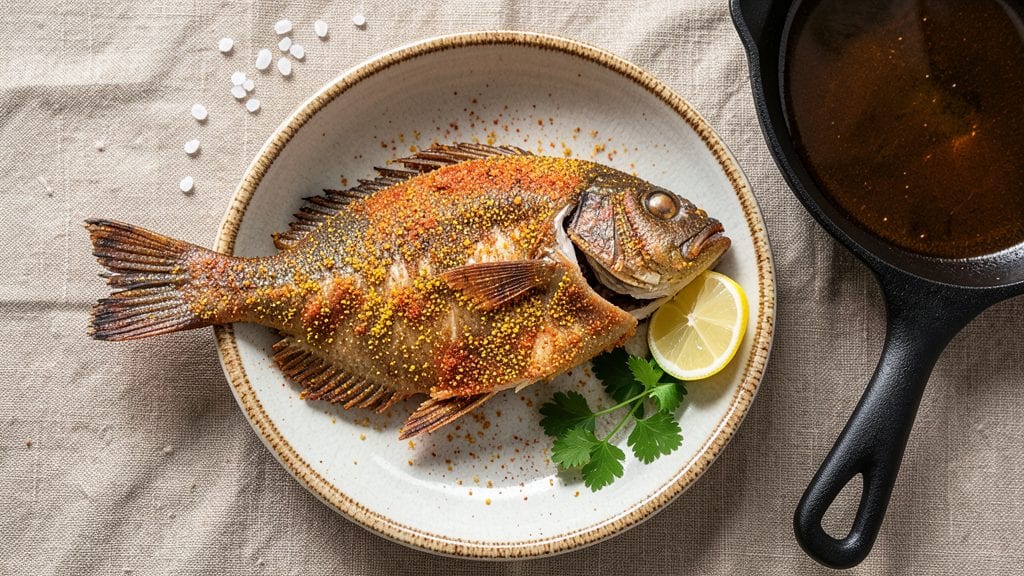
Mastering a fried whole tilapia recipe with a crispy cornmeal crust and perfectly flaky fish is simpler than you think—this method delivers restaurant-quality results at home. The secret lies in a precise batter ratio and maintaining the right oil temperature, which transforms tender fish into golden, crunchy perfection.
I’ve perfected this technique over years of testing, ensuring every bite stays moist inside while achieving that coveted crisp exterior.
What sets this recipe apart is the cornmeal crust, which adds texture without overpowering the delicate fish flavor. You’ll start with a clean, dry tilapia—critical for adhesion—and work quickly to maintain the fish’s natural moisture.
The pan-frying method requires just 10 minutes of active cooking time, making it ideal for a weeknight dinner that feels special. Safety and temperature control are non-negotiable here, so we’ll walk through exact measurements and techniques to avoid common pitfalls like soggy crusts or uneven cooking.
The result is a whole tilapia that’s crispy on the outside, flaky on the inside, and infused with subtle seasoning—no heavy batter to weigh it down.
Serve it with lemon wedges to cut through the richness, a sprinkle of fresh herbs for brightness, or a simple dipping sauce like tartar or aioli. This dish is foolproof once you know the key steps, and the satisfaction of pulling a perfectly fried fish from the pan is unmatched.
Whether you’re cooking for a family gathering or treating yourself to a seafood night in, this recipe scales effortlessly and leaves minimal cleanup. The technique applies to other whole fish as well, so once you’ve mastered it, you’ll be ready for anything from snapper to cod.
Let’s get started—your next crispy, golden fillet is just a few steps away.
Ingredients for fried whole tilapia fish
Sixteen ingredients transform delicate tilapia into golden, crispy perfection—no shortcuts needed.
| Ingredient | Amount | Notes |
|---|---|---|
| Whole Tilapia 🐟 | 1 lb | Fresh, cleaned, scales removed |
| All-Purpose Flour 🌾 | ½ cup | Fine, sifted for smooth batter |
| Fine Yellow Cornmeal 🌽 | ½ cup | Stone-ground for texture |
| Paprika 🌶️ | 1 tbsp | Smoked variety for depth |
| Ground Black Pepper 🌶️ | ½ tsp | Freshly ground for heat |
| Kosher Salt 🧂 | 1 tbsp | Diamond Crystal preferred |
| Vegetable Oil 🫒 | 2 cups | High smoke point, neutral flavor |
| Lemon Wedges 🍋 | 4 whole | For serving, fresh squeezed |
| Fresh Parsley 🌿 | ¼ cup | Chopped, for garnish |
| Garlic Powder 🧄 | ½ tsp | For subtle seasoning |
| Dried Thyme 🌿 | ½ tsp | Or 1 tbsp fresh thyme |
| Ice Cubes ❄️ | 1 cup | For pre-chilling fish |
The tilapia is non-negotiable here—look for whole, fresh fillets with bright, clear eyes and firm flesh at Whole Foods or your local seafood counter. The cornmeal makes all the difference: Bob’s Red Mill stone-ground gives that perfect crunch, while pre-ground can feel gritty. If you can’t find stone-ground, Trader Joe’s carries a solid alternative. The fish needs to be bone-dry before dredging—pat it thoroughly with paper towels, then chill it on ice cubes for 10 minutes to keep it firm during frying. Trust me, this step prevents soggy crusts every time.
No smoked paprika? Regular paprika plus a pinch of liquid smoke works in a pinch, but the flavor won’t be identical. Short on cornmeal? Substitute half with panko breadcrumbs—just add an extra tablespoon of flour to keep the batter from falling apart. The oil temperature is critical: use a deep-fry thermometer to maintain 350°F—any lower, and the crust won’t crisp. If you don’t have one, test with a wooden chopstick: it should sizzle vigorously when dropped in. The lemon wedges? Use Meyer lemons if available—their sweet-tart balance cuts through the richness better than regular lemons.
The batter stays fresh for 24 hours in the fridge if sealed airtight, but the cornmeal loses crispiness after that. For best results, fry immediately. The cooked tilapia reheats poorly—eat within 2 hours or portion into containers with a sprinkle of lemon juice to preserve moisture. Leftover cornmeal? Store it in the freezer for up to 6 months—it’s perfect for thickening soups or coating chicken later. And if you’re feeling fancy, save the leftover oil for frying shrimp or veggies—just strain it first.
Why You'll Love This Recipe
- Same prep, different vibes: toss it on the table for a lazy Tuesday or impress friends with minimal effort. The whole fish stays intact, so it looks as good as it tastes—no awkward fishy cleanup.
- No-Fuss Crispy Magic: I swear, the cornmeal crust is the secret weapon—it’s lighter than flour alone but still gives that addictive crunch. You won’t even miss the breading fuss.
- Paprika Kick: That pinch of paprika? It’s not just for color—it adds this subtle warmth that makes every bite feel special. Honestly, it’s the little details that turn simple fish into something memorable.
- Weeknight or Guest Night: Same prep, different vibes: toss it on the table for a lazy Tuesday or impress friends with minimal effort. The whole fish stays intact, so it looks as good as it tastes—no awkward fishy cleanup.
Step-by-step instructions for crispy cornmeal-crusted tilapia
Here's how to achieve that perfect balance of golden crust and tender fish every time.
Prep the Tilapia for Even Cooking
Start by placing the 1 lb whole tilapia in a large bowl and add the 1 cup ice cubes. This chilling step is crucial—it firms up the fish, prevents it from curling during frying, and helps create an even crust. Let it sit for 15-20 minutes while you prepare your dry ingredients.
After chilling, pat the fish completely dry with paper towels. Any moisture left on the skin will prevent the crust from adhering properly. I like to press down gently on the fillets during the first minute of drying—this prevents them from curling and ensures even contact with the pan later.
Create the Perfect Crust Mixture
In a large bowl, whisk together the 0.5 cup all-purpose flour, 0.5 cup fine yellow cornmeal, 1 tbsp paprika, 0.5 tsp ground black pepper, 0.5 tsp garlic powder, and 0.5 tsp dried thyme. The cornmeal gives that signature crunch, while the paprika adds beautiful color and subtle smokiness.
Add the 1 tbsp kosher salt and mix thoroughly. This mixture should be dry and crumbly—if it clumps, sift the flour and cornmeal together first. The crust needs to be light enough to stick to the fish but sturdy enough to maintain its shape during frying.
Coat the Fish and Chill Again
Remove the tilapia from the ice water and let it air-dry for another 5 minutes on paper towels. Working quickly, press the fish into the crust mixture, coating all sides thoroughly. I use my hands for this—it gives the best adhesion—then place the coated fish back in the refrigerator for 10 minutes to firm up the crust.
This second chilling step is what guarantees that crispy exterior. The cold fish helps the crust adhere better and prevents it from falling off when you fry. Don't skip it—trust me, the difference is noticeable.
Fry to Golden Perfection
Heat 2 cups vegetable oil in a large skillet over medium-high heat until it reaches 350°F. You'll know it's ready when a small piece of the crust mixture sizzles and turns golden immediately upon contact. Too much heat will burn the crust before the fish cooks through.
Carefully add the coated tilapia to the hot oil and fry for 4-5 minutes per side, depending on the thickness of your fish. You'll see the crust turn from pale to deep golden brown—that's your signal to flip. Use tongs to turn carefully—don't press down or the crust will break apart. The fish is done when the crust is deep golden brown and the fish flakes easily with a fork.
Rest and Serve Immediately
Transfer the fried tilapia to a wire rack set over a paper towel-lined plate. Let it rest for 3-4 minutes to allow any excess oil to drain away. This resting period also helps the crust set properly and prevents it from becoming soggy.
Garnish with the 0.25 cup chopped fresh parsley and serve immediately with the 4 whole lemon wedges for squeezing. The fish should be crispy on the outside with flaky, moist flesh inside. Serve with your favorite dipping sauce or a simple lemon aioli to complement the flavors.
Pro Tips For Making Fried Whole Tilapia Fish
- PAT THE FISH DRY: I learned this the hard way—wet fish is the enemy of crispy crusts. Grab paper towels and press hard all over the tilapia, inside and out, before dredging. The extra 30 seconds now means the difference between a soggy mess and golden, shatterable cornmeal crust.
- USE TWO COATS: One layer of flour and cornmeal won’t cut it. Start with flour, shake off excess, then dip in cornmeal—repeat. The second coat locks in flavor and texture. (Yes, it’s messy, but your fish will thank you.)
- FRIED IN BATCHES: Crowding the pan drops the oil temperature fast, leading to greasy fish instead of crispy. Fry one fillet at a time, even if it takes longer. A hot pan is your friend—don’t skimp on the space.
- REST BEFORE SERVING: The moment you pull the fish from the oil, tent it with foil for 2–3 minutes. This keeps the crust intact while the inside finishes cooking. Trust me, serving it straight from the fryer means flaking crusts.
Best sauces and condiments for this dish
Classic Lemon Aioli
This bright, tangy sauce is a must-have for dipping your crispy tilapia. Mix ½ cup mayonnaise (I use Duke’s for its rich flavor) with 2 tbsp fresh lemon juice, 1 tsp lemon zest, ½ tsp garlic powder, and a pinch of salt.
Add 1 tbsp warm water if it’s too thick—this sauce should coat the back of a spoon smoothly. Serve immediately for the freshest flavor, or store in an airtight container for up to 2 days in the fridge. 🍋
Spicy Tartar Sauce
For a bolder flavor, whip up a homemade tartar sauce by combining ½ cup mayonnaise, 1 tbsp Dijon mustard, 1 tbsp capers, 1 tbsp finely chopped cornichons, 1 tbsp fresh chives, and ½ tsp smoked paprika.
Add a pinch of cayenne pepper for heat—start with ¼ tsp and adjust to taste. This sauce pairs perfectly with the smoky crust and adds a briny contrast. Keep it chilled until serving to maintain its texture. 🌶️
Garlic-Herb Butter
Melt ½ cup unsalted butter in a small saucepan over low heat, then stir in 3 minced garlic cloves, 1 tbsp fresh parsley, 1 tbsp fresh thyme leaves, and a pinch of salt.
Let it cool slightly before drizzling over the fried tilapia just before serving. The butter pools beautifully in the crevices of the crust, adding richness without overwhelming the fish. Store any leftovers in the fridge for up to 3 days. 🧄
Sweet Chili Glaze
For a sweet-and-spicy contrast, simmer ¼ cup sweet chili sauce (like Lee Kum Kee) with 1 tbsp honey and 1 tsp rice vinegar in a small saucepan over medium heat for 3-4 minutes.
Brush this glaze over the fried tilapia in the last 2 minutes of resting time—it caramelizes slightly, adding a glossy finish. Pair with extra lemon wedges to balance the sweetness. This glaze works especially well if you prefer a touch of sweetness with your fried fish. 🍯
Creamy Dill Sauce
Blend ½ cup sour cream, 2 tbsp fresh dill, 1 tbsp fresh lemon juice, 1 tsp white vinegar, and ½ tsp onion powder until smooth. Thin with 1 tbsp milk if needed for a lighter consistency.
This herbaceous sauce adds a refreshing contrast to the smoky crust and complements the delicate fish flavor beautifully. Store in the fridge for up to 3 days, but the dill loses potency after 2 days. ✨
Nutrition facts
Frequently asked questions
Why does my tilapia crust keep falling off?
Moisture is the enemy! Skip the ice bath if you're short on time, but pat the fish completely dry with paper towels and let it air-dry for 5-10 minutes before coating. The second 10-minute chill in the fridge after coating is non-negotiable—it helps the crust adhere better. Also, avoid pressing too hard when coating, or the crust will break apart.
Can I use frozen tilapia for this recipe?
Fresh is ideal, but if you must use frozen, thaw it overnight in the fridge first. Pat it bone-dry and follow the same prep steps—just add an extra 5 minutes of air-drying time since frozen fish holds more moisture. For best results, buy fresh tilapia and freeze any leftovers in a single layer before bagging.
What's the best oil for frying whole tilapia?
Use a high-smoke-point oil like vegetable, canola, or peanut oil—avoid olive oil as it burns too easily. Heat it to 350°F and keep it there; if the temperature drops below 325°F, the crust won't crisp properly. A deep-fry thermometer is worth the investment—it ensures consistent results every time.
How do I know when the tilapia is fully cooked?
The crust should be deep golden brown, and the fish should flake easily with a fork when tested gently at the thickest part. Overcooking is a common mistake—tilapia cooks fast, so 4-5 minutes per side is usually enough. If the crust burns before the fish is done, your oil is too hot.
Can I make this recipe ahead of time?
Fry the tilapia fresh for the best texture, but you can prep the crust mixture up to 24 hours ahead and store it in an airtight container. For leftovers, serve within 2 hours or refrigerate for up to 1 day—reheat gently in a 350°F oven for 5 minutes to revive the crust. Freezing isn't recommended as the crust loses crispiness.