
Breakfast & Brunch
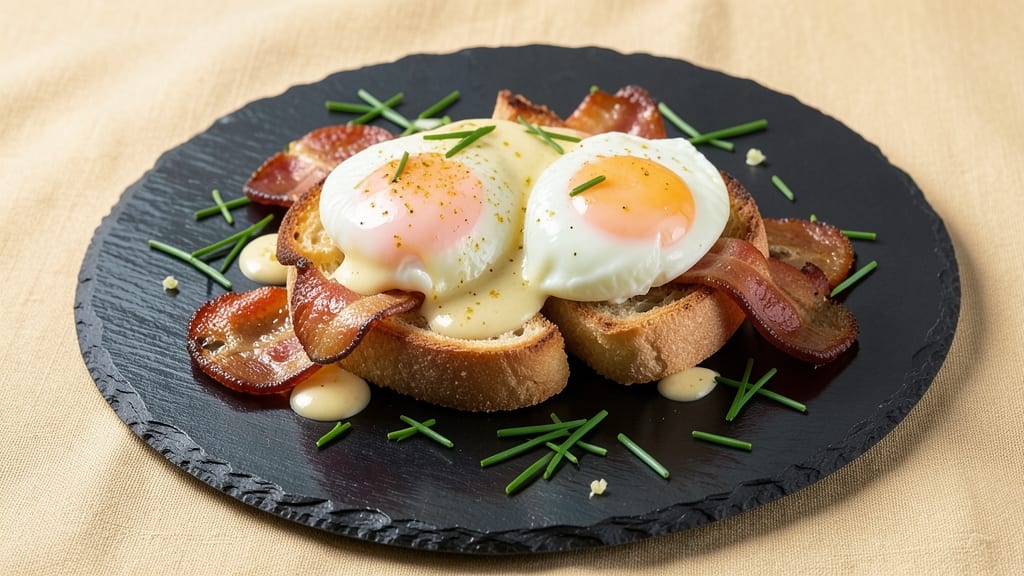
Gordon Ramsay's Eggs Benedict recipe delivers the restaurant-quality hollandaise sauce that never breaks—the secret lies in precise timing and technique. After years of perfecting this dish, I’ve mastered the art of silky, golden sauce that clings perfectly to poached eggs and toasted English muffins.
The key? A foolproof hollandaise method that transforms simple ingredients into a luxurious breakfast centerpiece.
This recipe goes beyond basic instructions by incorporating Ramsay’s signature methods: poaching eggs with crystal-clear whites, toasting muffins until crisp, and balancing flavors with a touch of Dijon mustard in the hollandaise.
The result is a dish that looks as impressive as it tastes—restaurant-worthy without the fuss. Every element comes together seamlessly, from the velvety sauce to the perfectly poached yolks.
What sets this version apart is the hollandaise that stays stable, even when reheated, and the attention to presentation that elevates it from brunch staple to showstopper. The crispy bacon and microgreens add texture and freshness, while the sauce’s rich, buttery depth ties everything together.
This isn’t just breakfast—it’s a professional technique you can recreate at home.
Whether you’re hosting a weekend brunch or treating yourself to a luxurious morning, this recipe delivers confident, foolproof results every time. The instructions walk you through each step—from poaching to plating—so you’ll achieve the same precision Ramsay does in his kitchens. Let’s get started on this breakfast masterpiece.
Ingredients for gordon ramsay eggs benedict
Precision ingredients for restaurant-quality Eggs Benedict with hollandaise that never breaks.
| Ingredient | Amount | Notes |
|---|---|---|
| Large Eggs 🥚 | 8 whole | Fresh, room temperature preferred |
| Unsalted Butter 🧈 | 1 cup | European-style preferred, cold |
| Lemon Juice 🍋 | 2 tbsp | Freshly squeezed, no pulp |
| Dijon Mustard 🍯 | 1 tbsp | High-quality, smooth variety |
| English Muffins 🍞 | 8 whole | Sliced lengthwise, toasted |
| Thick-Cut Bacon 🥓 | 8 slice | Applewood-smoked preferred |
| Microgreens 🌱 | ½ cup | Pea shoots or sprouts |
| Diamond Crystal Kosher Salt 🧂 | 1 tsp | Fine grain for poaching |
| White Vinegar 🍶 | ½ cup | For poaching liquid |
| Fresh Chives 🌿 | 2 tbsp | Finely chopped, for garnish |
| Cayenne Pepper 🌶️ | ¼ tsp | Adjust for heat preference |
| Heavy Whipping Cream 🥛 | ¼ cup | Full-fat for hollandaise stability |
| Granulated Sugar 🍚 | 1 tsp | For poaching water |
The butter and eggs form the hollandaise foundation—European-style unsalted butter yields the richest flavor, while fresh, room-temperature eggs emulsify more reliably. Whole Foods or specialty grocers carry the best European butter brands like Plugrá or Kerrygold. For eggs, organic pastured eggs from Trader Joe's or local farms provide superior texture. The Dijon mustard should be smooth, not coarse, with minimal additives—Maille is the gold standard. Prep the hollandaise ingredients first; cold butter and room-temperature eggs are non-negotiable for stability.
No European butter? High-quality American unsalted butter like Land O'Lakes works in a pinch, though it lacks the depth. Substitute lemon zest for lemon juice if needed, but fresh juice provides the necessary acidity for emulsification. For the poaching liquid, white vinegar and sugar create the perfect balance—apple cider vinegar can replace white vinegar, though it adds subtle sweetness. The bacon should be cooked to crispy perfection; thick-cut applewood-smoked bacon from Costco delivers the best flavor. If microgreens aren't available, baby arugula or chives add freshness. Always toast the English muffins until deep golden brown—this prevents sogginess under the sauce.
Store hollandaise components separately until ready to assemble—butter and lemon juice can be prepped 1 day ahead, while the egg yolks should be whisked fresh. Poached eggs keep 2 hours at room temperature if covered with cold water, but reheating hollandaise requires gentle warming—double boiler method only. Bacon and toasted muffins can be prepped 3 hours ahead and reheated in a 350°F oven for 5 minutes. For presentation, assemble plates just before serving—hollandaise thickens as it cools, so reheat gently if needed. Garnishes like microgreens and chives should be added last to maintain freshness.
Why You'll Love This Recipe
- No-Fuss Technique: I’ll be real—this recipe tricks you into thinking it’s fancy. Poach those eggs in simmering water (no fancy gadgets needed), then slap on that silky mustard-hollandaise with a spoon. The butter and lemon cut through the richness like a breath of fresh air, and honestly? Even my toddler doesn’t complain when I burn the toast.
- Hollandaise Magic: That creamy, tangy sauce is where it all happens. Dijon mustard adds depth, while the butter melts into something dangerously addictive. The lemon juice? It’s the secret weapon—brightens every bite so it doesn’t feel heavy, even when you’re eating three of these.
- Weekend Brunch Star: This isn’t just for lazy Sundays. Serve it at a post-wedding breakfast (yes, even on a Tuesday night) or pack it for a picnic. The English muffins toast up crispy, the eggs stay warm, and no one will guess it took less than 20 minutes. My in-laws think I’m a chef.
- Leftovers That Don’t Suck: Most brunch dishes turn sad in the fridge, but not this. Store the hollandaise separately (it’ll thicken up—just whisk in a splash of hot water to fix it) and reheat the eggs gently. Cold eggs Benedict? Still solid. I’ve even turned them into a lunch salad with greens and avocado—no one’s judging.
Step-by-step instructions for perfect eggs Benedict
Mastering hollandaise starts with precise technique—follow these steps for a velvety sauce that never curdles.
Poach the Eggs to Exact Doneness
Combine the 0.5 cup white vinegar, 1 tsp granulated sugar, and 1 tsp diamond crystal kosher salt in a deep saucepan. Add enough water to create a poaching bath that's at least 4 inches deep. Bring to a gentle simmer over medium-low heat—the water should shimmer but not boil vigorously. This controlled temperature prevents the whites from overcooking while keeping yolks perfectly runny.
Crack each of the 8 whole large eggs into a small bowl first (this prevents shell fragments from slipping into the poaching water). Using a slotted spoon, gently lower one egg at a time into the simmering water. Poach for 3 minutes until the whites are set but the yolks remain completely liquid. Transfer to a paper towel-lined plate to drain briefly before proceeding. The yolks should still jiggle slightly when touched—this is critical for the hollandaise later.
Cook the Thick-Cut Bacon to Crispy Perfection
Arrange the 8 slices thick-cut bacon in a single layer on a rimmed baking sheet. Place under a preheated broiler for 6-8 minutes, flipping once halfway through, until the edges are deep golden brown and the fat has rendered completely. The bacon should be crisp enough to hold its shape when lifted with tongs. Drain on paper towels, reserving the rendered fat for future use if desired.
Here's the thing—thick-cut bacon needs patience. If you rush it, you'll end up with chewy slices instead of the crispy, flavorful base you want for Benedict. Let the oven do the work while you prepare the hollandaise components. The bacon's smoky depth will anchor the dish, so don't skimp on cooking time.
Prepare the English Muffin Base
Toast the 8 whole english muffins cut lengthwise until the interior is warm and the exterior develops a golden-brown crust. I like to use a cast-iron skillet for even browning—place the muffins cut-side down and cook for 2-3 minutes per side over medium heat. The muffins should be firm enough to support the hollandaise without collapsing, yet still soft enough to bite through easily.
Keep them warm by wrapping in a clean kitchen towel while you finish the hollandaise. Over-toasting will dry them out, while under-toasting makes them too soft to hold the sauce properly. Aim for a texture that's somewhere between a biscuit and a slice of bread—this is the ideal foundation for Benedict.
Make the Infallible Hollandaise Sauce
Place the 1 cup unsalted butter in a heatproof bowl set over a pot of barely simmering water (double boiler method). The water should be hot enough to melt the butter in 3-4 minutes but not so hot that it causes the butter to foam. Whisk constantly with a wire whisk until the butter is completely melted and the mixture reaches 160°F—this temperature is crucial for a stable emulsion.
Remove the bowl from heat and immediately whisk in the 2 tbsp lemon juice, 1 tbsp dijon mustard, 0.25 cup heavy whipping cream, and 0.25 tsp cayenne pepper. The sauce should thicken noticeably as you whisk. If it begins to separate, simply add 1-2 tablespoons of hot water from the poaching bath and whisk vigorously until smooth again. This technique, known as tempering, prevents curdling every time.
Assemble and Garnish for Restaurant-Quality Presentation
Spread 2 tbsp fresh chives over each toasted english muffin half. Place one poached egg on top of the chives, then spoon 2-3 tablespoons of the hollandaise sauce over each egg. The sauce should cascade gently down the sides, creating that signature elegant drizzle. Top with 2 slices crispy bacon per serving, arranging them slightly overlapping for visual appeal.
Garnish immediately with 0.5 cup microgreens just before serving. The microgreens add a fresh contrast to the rich flavors and a pop of color that makes the dish look like it came from a high-end brunch menu. Serve while the hollandaise is still warm—it thickens as it cools, so don't let it sit for more than 10 minutes before eating.
Pro Tips For Making Gordon Ramsay Eggs Benedict
- Use Two Butters: Melt half the butter with the mustard-lemon sauce, then finish with a pat of cold butter at the end—this keeps the sauce glossy without burning. I learned this the hard way after my sauce split into greasy puddles every time.
- Toast Muffins Until Golden: Split the English muffins, toast them cut-side down in a dry pan until deep golden brown—this prevents sogginess when the poached eggs hit. Skip this, and you’ll end up with a sad, damp base.
- Poach Eggs in Room-Temp Water: Fill your pot with room-temperature water (not cold) and add vinegar—this keeps the whites tight and the yolks bright. Cold water makes eggs float like lazy dumplings.
- Whisk Mustard Into Butter First: Heat the butter low, then whisk in the Dijon mustard before adding lemon juice—this emulsifies the sauce instantly. Dump the mustard in raw? You’ll get a lumpy mess every time.
Flavor customization for gordon ramsay eggs benedict
Spicy Heat Boost
Add ½ tsp smoked paprika and ¼ tsp cayenne pepper directly to the hollandaise base for a smoky kick. For extra heat, fold in 1 tbsp hot sauce (like Cholula or Tabasco) at the end—this balances the richness beautifully.
I’ve found that Cholula’s smoky-sweet profile complements the eggs perfectly, while Tabasco adds a sharper punch. 🌶️
Herb-Infused Variations
Swap the chives for fresh tarragon or chervil—both add an anise-like brightness that pairs wonderfully with hollandaise. For a Mediterranean twist, fold 1 tbsp finely chopped fresh dill into the sauce along with the lemon juice. The dill’s freshness cuts through the butterfat, creating a lighter, brighter flavor profile.
Sweet & Tangy Twist
Brighten the hollandaise with 1 tsp honey or maple syrup whisked into the lemon juice before combining with the butter. This adds a subtle sweetness that enhances the sauce’s complexity.
For a citrusy boost, replace half the lemon juice with orange zest—the bitterness of the zest balances the richness, creating a sophisticated flavor.
Smoky Bacon Upgrade
Swap the applewood bacon for hickory-smoked bacon or even maple-glazed bacon for a deeper, sweeter flavor. For an extra layer, brush the bacon with 1 tsp maple syrup before broiling—this caramelizes beautifully and adds a subtle sweetness that pairs perfectly with the tangy hollandaise. 🥓
Vegetarian Adaptation
Replace the bacon with crispy tempeh bacon or sautéed mushrooms for a meat-free version. For tempeh, marinate slices in 1 tbsp soy sauce, 1 tsp maple syrup, and ½ tsp smoked paprika before baking at 400°F for 20 minutes.
Sautéed mushrooms (like shiitake or cremini) add an umami depth that works surprisingly well with the hollandaise.
Creamy Avocado Swap
For a lighter take, replace half the butter in the hollandaise with mashed avocado—about ½ cup ripe avocado blended smooth. This adds creaminess while reducing fat content, creating a velvety texture.
The avocado’s natural oils help stabilize the emulsion, making it perfect for those watching their butter intake. Garnish with lime zest for a zesty finish.
Nutrition facts
Frequently asked questions
Why does Gordon Ramsay's hollandaise sauce stay stable while others break?
The secret lies in precise temperature control and technique. Ramsay's method uses a double boiler to melt butter slowly to 160°F, then immediately combines it with cold egg yolks and acid (lemon juice). The Dijon mustard acts as an emulsifier, while whisking constantly prevents separation. Most recipes fail when butter gets too hot or when ingredients aren't added in the right order.
Can I make the hollandaise ahead of time?
Prepare the components separately: melt butter and whisk yolks/lemon juice ahead, but combine them fresh. For reheating, use a double boiler and whisk constantly until smooth. Never microwave hollandaise—it causes separation. The sauce thickens as it cools, so reheat gently to 140°F max. Store components in airtight containers in the fridge for up to 24 hours.
What's the best way to poach eggs for crystal-clear whites?
Use a gentle simmer with white vinegar and sugar in the water to coagulate proteins evenly. Poach for exactly 3 minutes in water at 160°F—not boiling. Fresh, room-temperature eggs with no yolk cracks are essential. The whites should be opaque but still slightly translucent at the edges. For extra clarity, add a pinch of salt to the poaching water.
How do I fix broken hollandaise?
If your sauce separates, whisk in 1-2 tbsp hot water from the poaching bath while whisking vigorously. For stubborn breaks, place the bowl over barely simmering water and whisk constantly until smooth. Never add cold water—it causes more separation. The key is to rebuild the emulsion gradually. A splash of fresh lemon juice can also help re-emulsify the sauce.
Can I substitute English muffins with something else?
For a classic version, stick with English muffins—their nooks and crannies hold sauce beautifully. As alternatives, try toasted brioche (richer texture) or crispy hash browns (for a brunch twist). Avoid soft breads like bagels—they absorb sauce too quickly. For gluten-free, use gluten-free English muffins or crispy polenta slices baked until golden.