
Main Courses
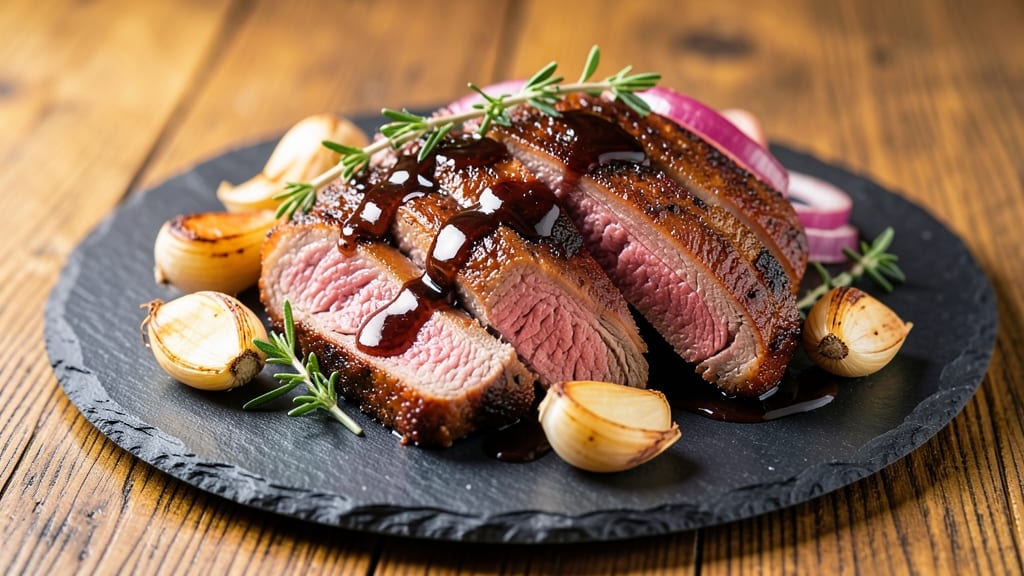
A Guinness roast recipe transforms tough beef into melt-in-your-mouth perfection, where the deep, malty notes of stout beer infuse every bite. I first discovered this technique while researching Irish pub classics—what started as a curiosity became a weekly tradition in our Portland kitchen.
The slow-braising method breaks down collagen, creating a fork-tender roast with a rich gravy that tastes like comfort on a plate.
The secret lies in the marinade: Guinness stout, Worcestershire, and aromatics like garlic and thyme work together to tenderize the meat while building layers of flavor. You'll start with a 3-hour oven roast at 325°F, then finish with a crispy crust at 425°F—no rush, just deep satisfaction.
The sides—carrots, potatoes, and onions—simmer in the same juices, absorbing all that stout-infused goodness.
By the time you carve into that roast, you'll have a dish that feels like a hug: tender beef, velvety gravy, and vegetables that taste like they've been kissed by the oven's warmth.
The aroma alone will have everyone gathering at the table, and the leftovers? Even better the next day. This is the kind of recipe that turns weeknights into celebrations.
Whether you're hosting a dinner party or feeding your family, this roast delivers restaurant-quality results with minimal fuss. The technique scales easily, and the flavors only deepen with time—perfect for meal prep or last-minute guests. Let's get cooking with this timeless classic.
Ingredients for guinness roast
Sixteen ingredients, one unforgettable roast. The secret's in the slow braise and stout-infused richness.
| Ingredient | Amount | Notes |
|---|---|---|
| Beef Chuck Roast 🥩 | 4 lb | Well-marbled, 2-3 inches thick |
| Guinness Stout 🍺 | 1 ½ cups | Cold, not warmed |
| Worcestershire Sauce 🍯 | 2 tbsp | High-quality, not reduced |
| Garlic Cloves 🧄 | 8 cloves | Smash but don't mince |
| Fresh Thyme 🌿 | ½ cup | Stems removed, loosely packed |
| Yellow Onion 🧅 | 1 whole | Peeled, quartered |
| Carrots 🥕 | 1 ½ lb | Whole, peeled |
| Russet Potatoes 🥔 | 2 lb | Peeled, cut into chunks |
| Beef Broth 💧 | 2 cups | Low-sodium preferred |
| All-Purpose Flour 🌾 | 2 tbsp | For gravy thickening |
| Unsalted Butter 🧈 | 2 tbsp | Cold, cubed |
| Diamond Crystal Kosher Salt 🧂 | 1 ½ tsp | Adjust to taste |
| Freshly Ground Black Pepper 🌶️ | 1 tsp | Coarse grind preferred |
| Bay Leaves 🌿 | 2 whole | Remove before serving |
The beef is everything here. Chuck roast with good marbling—look for it labeled near the steaks at Whole Foods or your local butcher—transforms into tender perfection. I always ask for a 2-3 inch thick cut so it holds together during braising. Costco sells a great vacuum-sealed version that's perfect for this. Pat it dry before searing, and don't skip the salt—season it generously before it goes into the oven. The Guinness? Grab a cold one from the fridge, not the warm bottle that's been sitting in your cabinet for weeks. Fresh thyme matters too—Trader Joe's sells those little bundles that keep for days in a jar.
No Guinness? Dry stout or even dark ale works in a pinch, but the depth of flavor won't be quite the same. Short on Worcestershire? Soy sauce plus a dash of vinegar gets you close, though it won't have that same umami punch. The carrots and potatoes can be any variety—red potatoes hold up well if you prefer their texture. For the broth, low-sodium is key so you don't over-salt the whole dish. The flour and butter for the gravy? Don't rush the roux—cook it low and slow to avoid lumps. And if you're really in a bind, instant gravy mix won't ruin it, but homemade tastes like heaven.
This roast gets better with time, so make it ahead if you can. The beef stays tender for 4-5 days in the fridge, and the gravy actually improves as it sits. I like to portion it into containers with some gravy on top—freezes beautifully for up to 3 months. The vegetables reheat well too, though they're best fresh. For serving, let the roast rest 15 minutes before carving—trust me on this. The juices will redistribute, and every slice will be perfect.
Why You'll Love This Recipe
- One-Pot Magic: I swear by this recipe when I’m too tired to wash a dozen dishes—just sear the beef, dump in the Guinness and Worcestershire, and let the oven do the work. The thyme releases its aroma straight into the pot, so you’re basically cooking in a flavor cloud with zero fuss.
- Rich, Deep Umami Bomb: That first sip of Guinness in the sauce isn’t just for drinking—it’s the secret weapon. The roast soaks up the malty, caramelized depth while the Worcestershire adds a tangy punch. Honestly, the garlic cloves roasted right in the pan? They turn into little golden nuggets that melt in your mouth.
- Leftovers That Save Me: This roast makes way more than I need for dinner, and honestly? I’m not complaining. The next day, I shred it into tacos or toss it into a hearty stew—every bite tastes just as good cold as it does hot. (Yes, even on a Tuesday night.)
- Budget Beef Boost: A chuck roast is cheap, but it doesn’t taste cheap—thanks to the Guinness and Worcestershire working their magic. I’ll be real: my grocery budget stays happy, but my family thinks we’re dining at a pub. That crispy crust? Pure satisfaction for half the price.
Step-by-step instructions for slow-braised Guinness roast
Here's how to transform tough beef into melt-in-your-mouth perfection using stout's deep, malty magic.
🍳 Step 1: Sear the Chuck Roast for Maximum Flavor
Pat the 4 lb beef chuck roast completely dry with paper towels—this ensures a proper sear. Heat a Dutch oven over medium-high heat and add 2 tablespoons of unsalted butter. Once the butter foams, add the roast and sear on all sides until deeply browned, about 5 minutes per side. You're building flavor through the Maillard reaction here, so don't rush this step.
Remove the roast and set it aside. In the same Dutch oven, add the quartered yellow onion and 1.5 lb carrots. Sauté for 3 minutes until lightly caramelized. Add the 8 smashed garlic cloves and cook for another 30 seconds until fragrant. This aromatic base will infuse the braising liquid with incredible depth.
🥘 Step 2: Build the Guinness Braising Liquid
Return the seared roast to the Dutch oven. Add the 1.5 cups cold Guinness stout, 2 tablespoons Worcestershire sauce, 0.5 cup fresh thyme, 2 whole bay leaves, 1.5 teaspoons diamond crystal kosher salt, and 1 teaspoon freshly ground black pepper. The cold stout prevents immediate curdling and preserves its rich flavors. Bring to a simmer over medium-high heat, then reduce to a low boil.
Once simmering, add the 2 lb peeled and chunked russet potatoes. The potatoes will absorb the stout's complex flavors while adding natural sweetness to balance the richness. Pour in the 2 cups beef broth, ensuring the roast is completely submerged. Cover the Dutch oven with a tight-fitting lid and transfer to a preheated 325°F oven.
⏰ Step 3: Braise Until Fork-Tender
Braise for 3 hours, then check for doneness. The roast should be fork-tender with a probe reading 195-200°F in the thickest part. If it's not quite there, return to the oven for another 30-45 minute increments. The long cooking time breaks down collagen into gelatin, creating that signature silky texture.
Here's the thing—don't peek at the roast during cooking. Every time you lift the lid, you lose precious heat and moisture. Instead, trust the timer and the internal temperature reading. The stout will reduce slightly, creating a rich, glossy sauce that coats every bite.
🍽️ Step 4: Thicken the Sauce and Serve
Once the roast is perfectly tender, remove it from the pot and transfer to a cutting board. Strain the braising liquid through a fine-mesh sieve into a saucepan, pressing on the vegetables to extract maximum flavor. Return the liquid to medium heat and whisk in the 2 tablespoons all-purpose flour to thicken the sauce.
Simmer for 3-4 minutes until the sauce coats the back of a spoon. Taste and adjust seasoning with additional salt or pepper if needed. Slice the roast against the grain into ½-inch thick pieces and serve family-style with the thickened Guinness sauce ladled generously over each portion. The potatoes and carrots can be served directly from the pot or arranged around the roast.
Pro Tips For Making Guinness Roast
- Brown the Roast Hard: This isn’t the time for gentle searing—get that beef deep golden on all sides before adding liquid. I used to rush this, and the sauce never stuck right. Five minutes per side in a screaming-hot pan with oil? That’s what builds flavor.
- Reduce the Guinness First: Don’t just dump it in raw. Simmer the Guinness alone for 5–7 minutes until it’s syrupy—half the volume, richer taste. Worcestershire sauce burns easy, so add it after the beer’s reduced. Trust me, your sauce will taste like it came from a pub.
- Don’t Overcrowd the Garlic: Whole cloves? Great. But if you’re mincing, use half what the recipe calls for—too much turns bitter. Smash a few cloves instead of chopping them all; they’ll infuse the fat without overpowering. (And skip the garlic powder—it’s not the same.)
- Tent with Foil Early: After the first hour, cover loosely with foil—not airtight. The roast needs to breathe, but the Guinness sauce won’t evaporate into oblivion. I learned this after a pot turned to glue. Adjust the tent as you go; the crust is worth the effort.
Flavor customization for these flavors
Spicy Guinness Twist
Add 1-2 tablespoons of hot sauce (like Cholula or Crystal) or ½ teaspoon cayenne pepper to the braising liquid for a kick. I like to mix in 1 tablespoon of smoked paprika too—it gives the stout a smoky depth that pairs perfectly with the beer's maltiness.
For extra heat, sear 2-3 slices of jalapeño with the onions and garlic. 🌶️
Herb Variations
Swap out thyme for rosemary or sage if you prefer earthier notes. A sprig of fresh rosemary adds piney brightness, while crisp sage leaves bring a subtle peppery edge. For a Mediterranean twist, add ½ teaspoon dried oregano and ¼ teaspoon cinnamon—unexpected but delicious.
I once used fresh tarragon and was surprised by how well it complemented the stout.
Umami Boost
Deepening the umami profile takes this roast to the next level. Add 1 tablespoon of fish sauce or 1 teaspoon of miso paste to the braising liquid for complexity. A splash of soy sauce (about 1 tablespoon) also works wonders.
I keep a bottle of Red Boat fish sauce in my pantry specifically for these kinds of recipes—it’s the secret weapon.
Sweet-Savory Balance
To balance the beer’s bitterness, add 1-2 tablespoons of brown sugar or ½ cup of apple cider to the braising liquid. The caramelization from the sugar enhances the stout’s maltiness, while the cider adds a subtle apple note.
For a dessert-like finish, stir in ½ teaspoon of vanilla extract at the end—trust me, it works. 🍯
Cheesy Finish
For a decadent twist, stir ½ cup of sharp cheddar or Gruyère into the thickened sauce off the heat. The cheese melts into the Guinness gravy, creating a creamy, rich finish.
I’ve also topped individual slices with crumbled blue cheese before serving—it’s a bold choice, but the salty tang cuts through the beer’s richness beautifully.
Slow Cooker Adaptation
For hands-off cooking, sear the roast as directed, then transfer everything to a 6-quart slow cooker. Cook on low for 8 hours or high for 5-6 hours. The slow cooker’s gentle heat allows the flavors to meld even more deeply.
Just remember to thicken the sauce on the stovetop afterward—slow cookers don’t concentrate liquids like an oven does. ⏰
Nutrition facts
Frequently asked questions
Can I substitute Guinness with another beer?
Yes, but the flavor will differ. Use a dry stout or dark ale like Guinness for the closest match. Avoid light lagers—they lack the malt depth needed for this dish. For extra richness, try a porter or even coffee stout. Just remember, the darker the beer, the more robust the flavor profile.
How do I keep the roast from drying out?
Never skip the sear—it creates a flavor barrier that locks in juices. After braising, always rest the roast for 15 minutes before slicing. This lets the juices redistribute. Also, avoid lifting the lid during cooking—every peek loses moisture. The 325°F low-and-slow temperature is key for tender results.
What's the best way to reheat leftovers?
Slice the roast and reheat in a skillet with a splash of beef broth over medium-low heat for 5-7 minutes. For the gravy, warm it gently on the stove—never microwave it, or it'll turn gluey. The vegetables can be reheated in the oven at 350°F for 10 minutes to restore their texture. Leftovers actually improve overnight!
Can I make this in a slow cooker?
Sear the roast first, then transfer everything to a 6-quart slow cooker. Cook on low for 8 hours or high for 5-6 hours. The sauce will be thinner, so reduce it on the stovetop afterward. The slow cooker's gentle heat enhances the beer's flavors beautifully.
What's the secret to the perfect Guinness gravy?
Strain the braising liquid thoroughly to remove all solids, then make a proper roux with 2 tbsp flour cooked in 2 tbsp butter until golden. Whisk this into the liquid and simmer until thickened. For extra depth, add a splash of the original stout you used. The gravy should coat the back of a spoon without being gluey.