
Main Courses
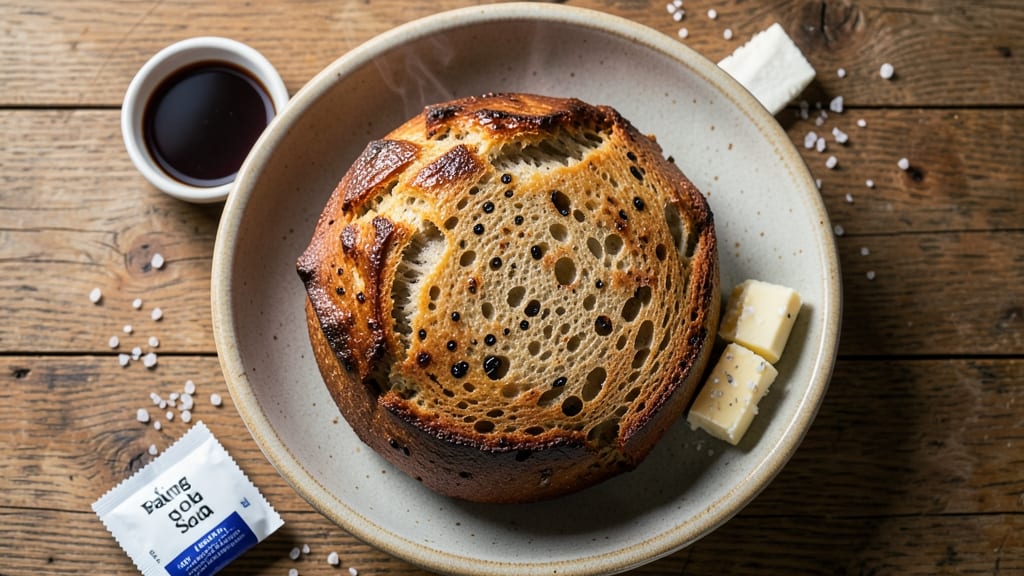
This Guinness soda bread recipe delivers the perfect balance of rich, malty depth and tender crumb—ideal for weekend breakfasts or hearty suppers. The dark stout doesn't just flavor the dough; it creates a subtle sweetness that lingers with every bite, while the buttery crust adds a satisfying crunch.
I developed this version after years of testing, ensuring the texture stays moist without becoming dense, and the crust achieves that golden, crackly perfection.
The beauty of this recipe lies in its simplicity: just six core ingredients, no yeast required, and 30 minutes of active prep time. The Guinness infuses the dough with its signature roasted maltiness, while buttermilk keeps the crumb tender and the crust crisp.
Unlike traditional soda bread, this version benefits from a 10-minute rest before baking—this short pause allows the flavors to meld and the gluten to relax, resulting in a loaf that's easier to slice and more flavorful overall.
What you'll end up with is a warm, spiced loaf with a buttery crust that flakes apart at the touch and a crumb so tender it practically melts in your mouth. The aroma alone—warm bread mingling with Guinness's caramel notes—will have everyone gathering around the table.
This bread pairs beautifully with soups, stews, or simply slathered with butter and honey for a quick snack.
Perfect for beginner bakers and seasoned home cooks alike, this recipe delivers professional-quality results without requiring advanced techniques. The key is precision in measuring and a patient approach to baking, ensuring the crust develops properly while keeping the interior moist. Let's get started on creating your perfect loaf.
Ingredients for guinness soda bread
Six core ingredients transform into a loaf so rich and tender it'll have everyone asking for seconds.
| Ingredient | Amount | Notes |
|---|---|---|
| Guinness Draught 🍺 | 1 cup | Cold, not warmed, for full malt flavor |
| All-Purpose Flour 🌾 | 3 ½ cups | King Arthur or similar high-protein flour |
| Buttermilk 🥛 | 1 ½ cups | Full-fat for maximum richness |
| Unsalted Butter 🧈 | ½ cup | Cold, cubed for crust development |
| Diamond Crystal Kosher Salt 🧂 | 1 ½ tsp | Adjusts to taste after baking |
| Baking Soda 🍃 | 1 tsp | Freshly opened for potency |
| Ground Black Pepper 🌶️ | ½ tsp | Freshly cracked for aroma |
| Freshly Ground Nutmeg 🌿 | ¼ tsp | Freshly grated for warmth |
| Raw Honey 🍯 | 1 tbsp | For brushing crust, optional |
| Flaky Sea Salt 🧂 | 1 tsp | For final crust sprinkle |
The Guinness is the soul of this bread—grab a cold bottle from your local pub or craft beer store (the draft section, not the canned stuff). Guinness Draught has that perfect balance of roasted malt and creamy mouthfeel. If you can't find it fresh, canned Guinness works in a pinch, but it won't have the same depth. The flour? King Arthur or Bob's Red Mill are my go-tos—they handle the buttermilk's acidity better than generic brands. Pro tip: measure your flour by weight if you can. A kitchen scale ensures consistency, but if you're spooning, fluff that flour first and scoop gently into your measuring cup. Don't pack it down!
No buttermilk? Mix 1.5 tablespoons white vinegar or lemon juice into 1.5 cups warm milk and let it sit for 5 minutes. The butter should be cold but not rock-hard—cut it into small cubes so it melts into the dough without turning the crust greasy. For nutmeg, freshly grated from a whole nutmeg is ideal, but pre-ground works if it's labeled 'freshly ground.' The baking soda and salt are non-negotiable—Diamond Crystal kosher salt dissolves better than table salt, and Alpine or Morton's work for flaky sea salt. If you're feeling fancy, swap the honey for maple syrup—same sweetness, different depth.
This dough doesn't need to chill—bake it within 30 minutes of mixing for the best texture. The loaf keeps well for 3 days at room temperature wrapped in a clean kitchen towel, but it's best enjoyed fresh. For longer storage, freeze the baked loaf in a sealed bag for up to 3 months. To reheat, wrap in foil and warm in a 350°F oven for 10 minutes. The crust gets even better the second day—save a slice for breakfast tomorrow. And if you make a second batch (you will), double the honey and brush it on while still warm for that golden, crackly perfection.
Why You'll Love This Recipe
- No-Knead Magic: I swear by this dough—just mix, shape, and let it rise while you sip your morning coffee. The Guinness does all the work, giving that rich depth without fuss.
- Rich Without Effort: That first bite? Buttermilk and Guinness create a tender crumb with a toasty, almost caramelized edge—like a hug in bread form. Honestly, I’ve never met a soda bread this satisfying.
- Breakfast to Brunch: Slather it with butter for toast, tear it into a hearty bowl with stew, or serve it warm with jam for a lazy Sunday. It’s my go-to for when I can’t decide what to eat.
- Budget-Friendly Staple: A single loaf costs pennies to make and lasts days—freeze slices for quick toast later. Between us, this is the kind of bread that makes grocery shopping feel like a win.
Step-by-step instructions for Guinness soda bread
Here's how to craft a loaf with a crispy crust and moist interior—every slice packed with malted depth.
Combine Wet Ingredients for Maximum Flavor
In a large mixing bowl, whisk together the 1 cup cold Guinness Draught and 1.5 cups buttermilk until fully blended. The cold Guinness should be straight from the refrigerator—warming it dulls the roasted malt flavors we're after. Add the 0.5 cup unsalted butter, cut into small cubes, and let it soften slightly in the mixture for about 2 minutes. You'll see the butter begin to emulsify, creating tiny pockets that will develop into that signature tender crumb.
Next, stir in the 1.5 teaspoons Diamond Crystal kosher salt, 0.5 teaspoon freshly ground black pepper, and 0.25 teaspoon freshly ground nutmeg. The nutmeg adds subtle warmth that complements the Guinness's roasted notes beautifully. I like to use a small whisk for this step to ensure the spices disperse evenly throughout the liquid. Here's the thing—don't skip the freshly ground spices. Pre-ground versions lose their aromatic punch quickly, and you'll miss that fresh peppery kick and nutty depth.
Incorporate Dry Ingredients for Light Texture
In a separate bowl, sift together the 3.5 cups all-purpose flour and 1 teaspoon baking soda. The sifting creates air pockets that help lighten the dense Guinness mixture. Gently fold the dry ingredients into the wet mixture using a rubber spatula, being careful not to overmix. You're aiming for a shaggy dough that comes together just enough to hold its shape when pressed. Overmixing develops gluten, which can make the bread dense rather than tender.
Once combined, the dough should be soft but manageable—think of it like thick pancake batter. If it feels too sticky, you can add an extra 1-2 tablespoons of flour, but don't go overboard. The Guinness already adds moisture, and we want to maintain that perfect balance for a tender crumb. Here's where it gets fun—the dough should be just cohesive enough to shape but still malleable. This texture is what gives Guinness soda bread its signature moist interior.
Shape and Prepare for Baking
Turn the dough onto a lightly floured surface and gently shape it into a round loaf about 10 inches in diameter. The shape should be slightly taller in the center, creating that classic soda bread dome. Press the dough down gently but firmly—you want to create surface tension that will help develop a crisp crust. Once shaped, transfer the loaf to a parchment-lined baking sheet.
Here's the crucial part: brush the top of the loaf with the 1 tablespoon raw honey, then immediately sprinkle with the 1 teaspoon flaky sea salt. The honey creates a beautiful caramelized crust while adding just a touch of sweetness to balance the bread's robust malt flavor. The flaky sea salt adds a textural contrast and enhances the overall flavor profile. Don't skip this step—it's what transforms a good loaf into an outstanding one. Place the baking sheet on the counter and let the loaf rest for 10 minutes while you preheat your oven to 375°F.
Bake to Golden Perfection
Preheat your oven to 375°F while the loaf rests. The resting period allows the gluten to relax slightly, which helps prevent cracking during baking. Once preheated, place the baking sheet in the center rack of your oven. Bake the loaf for 45-50 minutes, until the top is deep golden brown and sounds hollow when tapped on the bottom.
I know it seems like a long time, but patience is key here. The bread needs time to develop that crisp exterior while maintaining a moist interior. The internal temperature should reach 190-195°F when measured with an instant-read thermometer. If you're unsure, cut into the loaf—you're looking for a clean crumb with no raw spots in the center. The aroma alone should tell you it's ready: that perfect blend of toasted malt, buttery richness, and warm spices.
Cool and Serve for Maximum Enjoyment
Remove the loaf from the oven and transfer it to a wire rack to cool completely. This step is crucial—cutting into the bread too soon can make it gummy. I like to let it cool for at least 30 minutes, but if you can wait 1 hour, the texture will be even better. The bread continues to set as it cools, allowing the flavors to meld and the crumb to firm up slightly.
Once cooled, slice the loaf into 6 even portions using a sharp serrated knife. Each slice should reveal a tender, moist interior with a crisp, caramelized crust. Serve warm with additional butter if desired—the rich, buttery flavor pairs perfectly with the Guinness-infused bread. Store any leftovers wrapped in a bread bag at room temperature for up to 3 days, or freeze for up to 3 months for that freshly baked taste whenever you need it.
Pro Tips For Making Guinness Soda Bread
- MEASURE THE GUINNESS PRECISELY: Pour the Guinness directly into the measuring cup—don’t eyeball it. A 12-oz can is not the same as 12 fluid ounces of liquid in a dry measure, and this bread’s texture depends on the exact ratio. I learned this after my first loaf turned dense and heavy (yes, even with buttermilk).
- STOP KNEADING AFTER 10 SECONDS: Guinness soda bread isn’t dough—it’s a batter. Overmixing develops gluten, and you’ll end up with a tough, chewy loaf instead of that tender crumb. Stir just until the flour is mostly incorporated, then fold in the butter by hand. (Your arm will thank you.)
- USE COLD BUTTER IN CUBES: Cut the butter into ½-inch cubes and let them sit in the fridge while you mix the batter. They’ll melt slower in the oven, creating steam pockets for a lighter loaf. I used to melt it first—big mistake. The bread turned gummy, not crisp.
- BAKE UNTIL 210°F INTERNAL: The bread’s done when the center hits 210°F (use an instant-read thermometer). Relying on external color alone risks a raw middle. I’ve opened the oven too early more times than I’ll admit—patience here guarantees a perfect crumb.
Creative variations of guinness soda bread
Spiced Rum Variation
Swap the Guinness for 1 cup spiced rum (like Captain Morgan or Kraken) to create a tropical twist. The rum’s caramel and vanilla notes mirror Guinness’s maltiness while adding a subtle warmth.
Use ½ cup coconut milk instead of buttermilk for extra richness, and fold in 1 teaspoon cinnamon for depth. Brush the baked loaf with rum glaze (simmer ¼ cup rum + 2 tbsp honey + 1 tbsp butter) for a sticky, boozy finish. 🌴
Savory Cheese Twist
For a cheesy version, stir 1 cup shredded sharp cheddar (like Cabot or Pepper Jack) into the dough after mixing wet and dry ingredients. The cheese melts into the crumb, creating pockets of gooey goodness.
Top the loaf with extra cheese before baking for a golden, bubbly crust. Add ½ teaspoon smoked paprika to the dry mix for a smoky kick. Serve with spicy brown mustard for dipping. 🧀
Sweet Raisin Loaf
Fold in ½ cup plump raisins (soaked in warm water for 10 minutes) and 1 teaspoon orange zest for a fruity, spiced loaf. The raisins add chewy texture, while the zest brightens the malt flavors.
Brush the baked loaf with orange glaze (mix 2 tbsp powdered sugar + 1 tbsp orange juice + ½ tsp vanilla extract). This version tastes like dessert—perfect with tea or coffee. 🍊
Whiskey-Infused Crust
For a boozy crust, replace the honey with 1 tbsp whiskey (bourbon or rye) mixed with 1 tbsp melted butter. Brush this mixture over the loaf before baking, then sprinkle with flaky sea salt and crushed pecans for crunch.
The whiskey caramelizes beautifully, adding a smoky depth to the crust. Serve with whipped cream for a decadent breakfast treat. 🥃
Herb & Garlic Loaf
Boost the dough with 2 cloves minced garlic, 1 tbsp chopped fresh rosemary, and 1 tbsp chopped fresh thyme for a savory, aromatic loaf. The herbs pair perfectly with Guinness’s maltiness, creating a bread that’s ideal for sandwiches or alongside roasted meats.
Add ½ teaspoon garlic powder to the dry mix for extra flavor. 🌿
Caramelized Onion Topping
Caramelize 1 cup thinly sliced onions in 1 tbsp butter until golden (about 20 minutes). Spread the onions over the shaped loaf before baking for a sweet, jammy topping.
The caramelized onions melt into the crust, creating a rich, oniony crunch. Finish with a sprinkle of flaky salt for contrast. 🧅
Nutrition facts
Frequently asked questions
Why does this recipe use cold Guinness instead of room-temperature?
Cold Guinness preserves its full malt flavor and creamy texture, which would otherwise mellow if warmed. The chilled stout also helps create tiny butter pockets in the dough that develop into that signature tender crumb. Pro tip: Don't substitute with warm Guinness—it'll make your bread taste flat and lose that rich, roasted depth.
Can I make this bread without buttermilk?
Mix 1.5 tablespoons white vinegar or lemon juice with 1.5 cups warm milk, let it sit for 5 minutes until slightly thickened, then use it 1:1 for the buttermilk. The acidity is crucial for activating the baking soda and creating that signature tangy flavor. For extra richness, use whole milk instead of reduced-fat.
How do I fix a dense or gummy Guinness soda bread?
Overmixing is the #1 culprit—stop folding once the dough just comes together. For a second batch, try adding 1 extra tablespoon of baking soda (up to 1.5 tsp total) and reducing flour by 2 tbsp if the dough feels too dry. Also ensure your oven reaches 375°F—underbaking makes bread gummy. If it's still dense, slice and toast slices for 5 minutes to revive the texture.
What's the best way to store leftover Guinness bread?
Wrap the cooled loaf in a clean kitchen towel or beeswax wrap, then store at room temperature for up to 3 days. The crust stays crisp while the crumb remains moist. For longer storage, freeze slices wrapped in parchment paper for up to 3 months. To reheat, wrap slices in foil and warm at 350°F for 5-7 minutes—the crust gets even better the second day!