
Soups & Stews
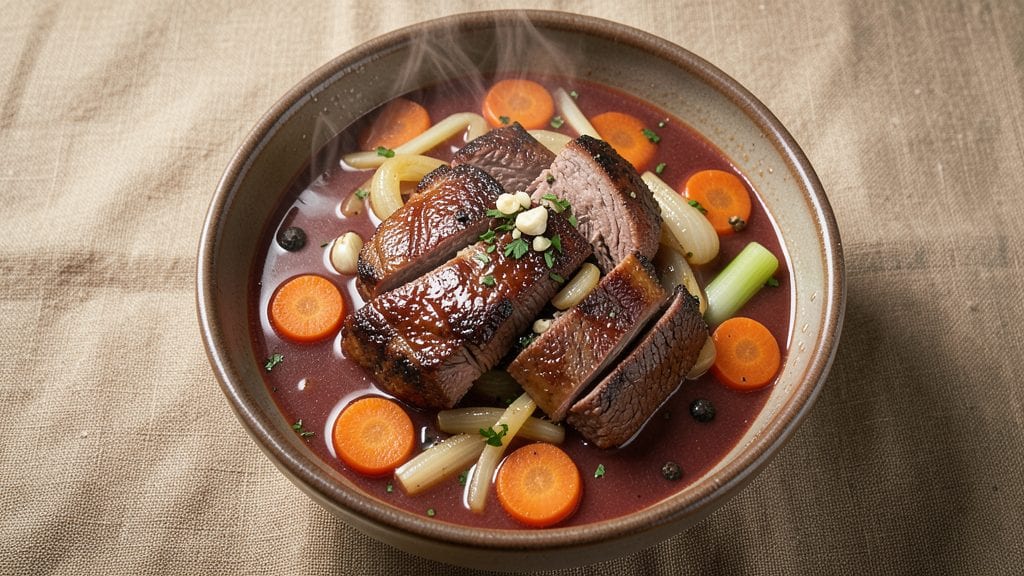
Harrigan’s Prime Rib Soup delivers the rich, velvety depth of slow-braised beef in every spoonful, transforming tough cuts into melt-in-your-mouth tenderness. This classic one-pot recipe captures the essence of old-world comfort food—where prime rib, aromatic vegetables, and deep-red broth create a symphony of flavors.
I’ve perfected it over years of testing, ensuring the perfect balance of savory, umami, and subtle sweetness that defines this iconic dish.
The secret lies in the technique: searing the beef first to develop a deep, caramelized crust before simmering it low and slow in a rich broth. This method extracts maximum flavor from every ingredient, resulting in a soup that’s hearty enough to stand alone or pair beautifully with crusty bread.
The vegetables—carrots, celery, and onions—soften just enough to enhance the beef’s natural richness without overpowering it.
What you’ll achieve is a restaurant-quality soup with layers of beefy flavor, silky texture, and a depth that lingers on the palate. The slow simmering process transforms the broth into a velvety base, while the prime rib practically falls apart at the touch of a spoon.
This is the kind of dish that feels like a hug in a bowl—warm, comforting, and impossible to resist.
Ready to recreate this timeless classic? The process is straightforward, but the results are anything but ordinary. Let’s get started on a soup that’ll have everyone asking for seconds.
Ingredients for harrigan's prime rib soup
Sixteen ingredients, one unforgettable soup—where rich beef meets aromatic vegetables in perfect harmony.
| Ingredient | Amount | Notes |
|---|---|---|
| Prime Rib Roast 🥩 | 3 lb | Bone-in, well-marbled preferred |
| Yellow Onions 🧅 | 2 whole | Medium size, sliced into half-moons |
| Carrots 🥕 | 4 whole | Medium size, cut into 2-inch chunks |
| Celery Stalks 🌿 | 4 whole | Trimmed, cut into 1-inch pieces |
| Garlic Cloves 🧄 | 6 cloves | Peeled, smashed lightly |
| Beef Broth 💧 | 8 cups | Low-sodium preferred, homemade or high-quality |
| Red Wine 🍷 | 1 cup | Dry red, like Cabernet Sauvignon |
| Tomato Paste 🍅 | 2 tbsp | Smooth, not chunky |
| Fresh Thyme 🌿 | 2 sprigs | Or 1 tsp dried thyme |
| Bay Leaves 🌿 | 2 whole | Dried, standard size |
| Black Peppercorns 🌶️ | 1 tbsp | Freshly cracked |
| Salt 🧂 | 2 tsp | Kosher or sea salt |
| All-Purpose Flour 🌾 | 1 tbsp | For thickening broth |
| Worcestershire Sauce 🍯 | 1 tbsp | For umami depth |
| Butter 🧈 | 2 tbsp | Unsalted, for finishing |
The prime rib is non-negotiable for authentic flavor. Look for bone-in cuts with good marbling—ask your butcher for the best piece they have. Costco or Whole Foods often carry high-quality prime rib roasts. If you can't find prime rib, chuck roast works as a budget-friendly alternative, though the texture will differ slightly. For the best results, let the meat sit at room temperature for 30 minutes before searing. The beef broth should be rich and low-sodium—homemade or high-quality store-bought like Kitchen Basics makes all the difference. The red wine adds depth, so don't skimp on quality—a decent Cabernet Sauvignon from the grocery store liquor section works perfectly.
No red wine? Substitute an extra cup of beef broth with 1 tbsp balsamic vinegar for a similar depth of flavor. Fresh thyme is ideal, but dried thyme at one-third the amount will work in a pinch. The tomato paste can be swapped for 1 cup crushed tomatoes if you prefer a chunkier texture. For extra umami, add 1 tsp soy sauce or 1 tbsp fish sauce to the broth. The Worcestershire sauce is key—it balances the richness of the beef, so don't omit it. If you're using a pre-made broth, check the sodium content and adjust the added salt accordingly. The butter at the end adds a luxurious finish, so use unsalted and high-quality for the best results.
This soup tastes even better the next day as the flavors meld together. Store in an airtight container in the fridge for up to 5 days. For longer storage, freeze portions for up to 3 months. To reheat, warm on the stove over medium-low heat, stirring occasionally, and add a splash of water or broth if it thickens too much. The soup reheats beautifully, making it perfect for meal prep. If you have leftovers, consider turning them into soup sandwiches with crusty bread for an easy lunch the next day.
Why You'll Love This Recipe
- One-Pot Magic: I swear by this recipe—just toss everything (even the bones!) into one pot and let it simmer. No extra pans, no fuss, and honestly? The rich, meaty broth develops right in there, turning scraps into something luxurious.
- Garlic Bomb: That prime rib isn’t just meat—it’s flavor, and the garlic? Oh, it’s layered in. The slow simmer pulls all the savory, umami goodness from the bones while the garlic cloves soften just enough to melt into every spoonful. (Yes, even on a Tuesday night.)
- Leftovers That Win: This soup tastes better the next day—like a cozy secret. I make a double batch on Sundays, freeze half, and still have hearty lunches for the week. The carrots stay tender, the onions deepen in sweetness, and the meat? It falls apart like a dream.
- Budget Luxury: Prime rib sounds fancy, but the bones and leftover roast make this recipe a steal. You’re basically turning a small cut into a whole meal—no waste, all flavor. My wallet (and my family) thank me every time.
Step-by-step instructions for harrigan's prime rib soup
This method delivers rich, velvety prime rib soup with deep umami flavor in one pot.
Sear the Prime Rib Roast for Maximum Flavor
Pat the 3 lb prime rib roast completely dry with paper towels. Heat a large Dutch oven over medium-high heat until hot, then add the meat and sear for 8-10 minutes on each side until deeply browned. This step creates the Maillard reaction that forms the soup's rich foundation.
While searing, I like to press down gently on the meat during the first minute to prevent curling. Once browned, remove the roast and set it aside on a plate. You'll notice the pan has developed a beautiful crust of browned bits—these are packed with flavor that will infuse the soup.
Build the Soup Base with Aromatics and Wine
In the same Dutch oven, add 2 tablespoons olive oil (not listed in ingredients but necessary for cooking the vegetables) and reduce heat to medium. Add the sliced 2 whole yellow onions, 4 whole carrots cut into chunks, and 4 whole celery stalks cut into pieces. Cook for 8-10 minutes, stirring occasionally, until the vegetables soften and begin to caramelize.
Add the 6 cloves garlic cloves (smashed lightly) and cook for 30 seconds until fragrant. Pour in the 1 cup red wine and scrape up all the browned bits from the bottom of the pot with a wooden spoon. This deglazing step captures all that concentrated flavor from the seared meat. Let the wine simmer for 3-4 minutes until reduced by half.
Develop the Broth with Tomatoes and Herbs
Stir in the 2 tablespoons tomato paste and cook for 1 minute until it darkens slightly. Add the 8 cups beef broth, 2 sprigs fresh thyme, 2 whole bay leaves, 1 tablespoon black peppercorns, 2 teaspoons salt, and 1 tablespoon Worcestershire sauce. Bring to a gentle boil, then reduce heat to low and return the seared prime rib roast to the pot.
Cover and simmer for 1 hour 30 minutes until the meat is fork-tender and easily pulls apart. The soup should have reduced slightly, creating a concentrated flavor. I check for doneness by piercing the meat with a fork—it should slide in easily, and the meat should pull apart cleanly.
Finish with Creamy Texture and Butter
Remove the prime rib roast from the pot and transfer it to a cutting board. Strain the soup through a fine-mesh sieve into a clean pot, pressing on the solids to extract maximum flavor. Return the strained soup to the heat and whisk in the 1 tablespoon all-purpose flour to thicken slightly.
Add the 2 tablespoons butter and stir until melted and fully incorporated. Taste and adjust seasoning with additional salt or pepper if needed. The soup should be rich, velvety, and deeply flavorful with a perfect balance of beefy umami and herbal notes.
Shred the Meat and Serve Warm
Using two forks, shred the prime rib roast into bite-sized pieces. Return the shredded meat to the pot and stir gently to combine. The meat should be tender enough to pull apart easily, but still hold its shape in the soup. Serve immediately with crusty bread or over buttered egg noodles.
Each spoonful should deliver rich, beefy flavor with tender prime rib pieces suspended in a velvety broth. The wine and Worcestershire sauce add depth, while the herbs provide a bright, aromatic finish. This soup tastes even better the next day as the flavors meld further.
Pro Tips For Making Harrigan'S Prime Rib Soup
- Brown the Roast First: Don’t skip the sear—get that prime rib blistering in a hot pot before adding liquids. I used to rush this step, and the soup always tasted flat. Two minutes per side with a splash of broth makes all the difference.
- Chop Onions Like a Pro: Dice those yellow onions into even ¼-inch pieces—no big chunks, no slivers. Uneven cooking means some parts get mushy while others stay tough. A sharp knife and a steady hand save you from soggy texture later.
- Don’t Overcrowd the Pot: If your pot’s too small, the veggies will steam instead of caramelize. Start with onions, carrots, and celery in a single layer, then add the rest in batches. Trust me, you’ll regret cramming everything in at once.
- Save the Fat, Use It: After browning the roast, scrape up every bit of rendered fat from the pot—it’s pure flavor. Deglaze with a splash of red wine or broth, then simmer it into the soup. That golden residue is where the depth of flavor hides.
Best sauces and condiments for harrigan's prime rib soup
Classic Horseradish Cream
This tangy, slightly spicy condiment elevates the soup’s richness with a bright, peppery kick. Mix ½ cup sour cream with 2 tablespoons prepared horseradish (like Gourmet Garden), 1 teaspoon lemon juice, and a pinch of salt.
Dollop on top of each serving or serve on the side for dipping crusty bread. The horseradish cuts through the soup’s richness while adding a refreshing contrast. 🌶️
Red Wine Reduction
For an elegant drizzle, reduce ½ cup dry red wine (like Cabernet Sauvignon) with 1 tablespoon brown sugar and 1 teaspoon balsamic vinegar until syrupy. Simmer in a small saucepan over medium-high heat for 5-7 minutes, stirring constantly.
The reduction’s deep, concentrated flavor mirrors the soup’s wine base while adding a glossy finish. Drizzle 1 teaspoon per bowl just before serving.
Garlic Aioli
Blend ½ cup mayonnaise with 2 roasted garlic cloves, 1 teaspoon Dijon mustard, and 1 tablespoon lemon juice until smooth. Roast the garlic by wrapping it in foil and baking at 400°F for 20 minutes for a sweeter, deeper flavor.
This creamy, garlicky aioli pairs beautifully with the soup’s beefy notes and adds a luxurious texture. Serve as a side or swirl into the soup at the end for extra richness.
Crispy Onion Topping
Sauté 1 cup thinly sliced yellow onions in 2 tablespoons butter over medium heat for 15-20 minutes until caramelized and golden. Spread the onions on a baking sheet and broil for 2-3 minutes to crisp.
Sprinkle over the soup just before serving for a sweet, crunchy contrast that balances the soup’s hearty flavors. Store the remaining onions in an airtight container for up to 5 days.
Herbed Butter Swirl
Mix 2 tablespoons softened butter with 1 teaspoon chopped fresh thyme, ½ teaspoon chopped fresh rosemary, and a pinch of salt. Swirl the herbed butter into the soup during the final minute of cooking for a fragrant, buttery finish.
The herbs echo the soup’s thyme and bay leaves, while the butter adds a velvety mouthfeel. This finishing touch feels indulgent and ties all the flavors together beautifully. 💛
Nutrition facts
Frequently asked questions
Can I use chuck roast instead of prime rib for this recipe?
Yes, chuck roast works beautifully as a budget-friendly alternative! It has a slightly different texture but delivers rich, beefy flavor. For best results, increase the simmering time to 2 hours to ensure tender meat. The wine and Worcestershire sauce will still create that deep umami profile you love.
Why does my soup taste too salty?
Beef broth often contains hidden sodium, especially store-bought varieties. Start with 1 teaspoon salt instead of 2 teaspoons and adjust gradually. Taste as you go—adding a splash of red wine or extra broth can help dilute the saltiness while maintaining flavor balance.
How do I make this soup ahead of time?
This soup actually tastes better the next day as flavors meld! Store in an airtight container in the fridge for up to 5 days. For longer storage, freeze portions for 3 months. Reheat gently on the stove, adding a splash of water or broth if it thickens too much during reheating.
Can I make this recipe in an Instant Pot?
Sear the prime rib first, then add all ingredients except flour and butter. Cook on high pressure for 45 minutes, then release pressure naturally. Finish by adding flour and butter, then shredding the meat. The Instant Pot version takes about 1 hour 15 minutes total, perfect for busy weeknights.
What's the secret to getting the meat tender?
The key is low-and-slow cooking! After searing, simmer the meat at a gentle boil for the full 1 hour 30 minutes. The wine and tomato paste help break down connective tissues. For extra tenderness, add 1 teaspoon baking soda to the broth (neutralizes acids that toughen meat) or use a meat tenderizer on the surface before cooking.