
Sauces & Condiments
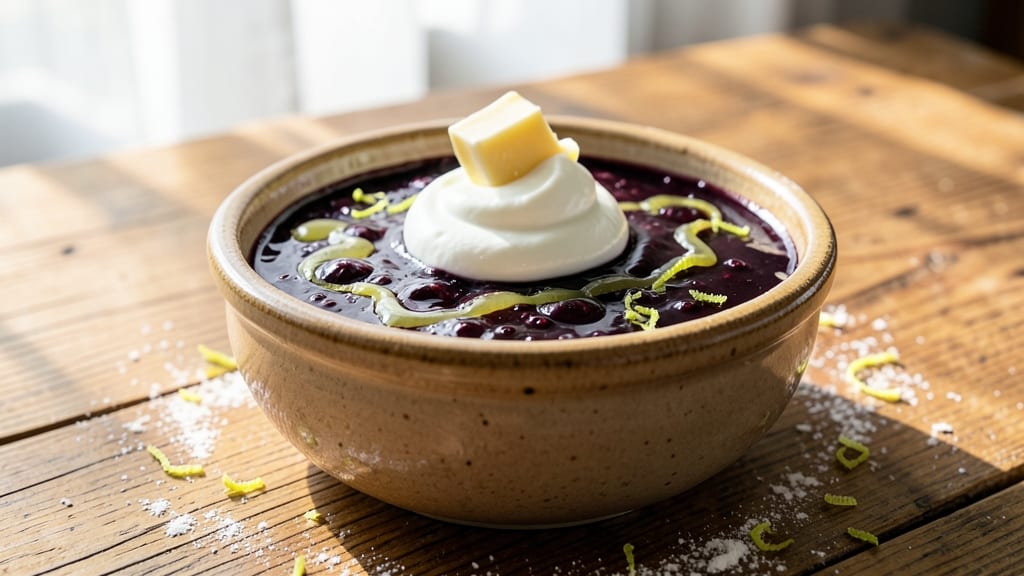
This huckleberry jam recipe without pectin delivers the same vibrant, spreadable intensity as store-bought—but with no artificial additives. 🌟 I first made it after discovering wild huckleberries in the Pacific Northwest, where the tart-sweet balance transforms ordinary toast into something extraordinary.
The secret lies in sugar ratio and lemon juice, which naturally thicken the jam without pectin.
What makes this recipe special is its simplicity: just three core ingredients—huckleberries, sugar, and lemon juice—simmered until thick and glossy. No fancy equipment needed, just a heavy-bottomed pot and sterilized jars.
The lemon juice acts as a natural gelling agent, while the sugar helps preserve the jam’s bright, berry-forward flavor. It’s the kind of recipe that proves homemade always tastes better.
By the end, you’ll have small batches of jam with a perfect balance of tartness and sweetness, thick enough to stay on your spoon but still spreadable. The deep purple hue and intense huckleberry aroma make it a showstopper for breakfast, desserts, or even as a glaze for meats.
This isn’t just jam—it’s a flavor experience that rivals anything you’d find in a specialty store.
Perfect for gifting, meal prep, or treating yourself to a taste of the wild. The recipe scales easily, so you can make just enough for a jar or double it for holiday gifts. Let’s get started—your taste buds will thank you.
Ingredients for huckleberry jam recipe without pectin
Three core ingredients transform wild huckleberries into jam that rivals store-bought—but with no additives.
| Ingredient | Amount | Notes |
|---|---|---|
| Fresh Huckleberries 🫐 | 2 cups | Wild or store-bought, pitted if possible |
| Granulated White Sugar 🍚 | 2 ½ cups | Superfine preferred for faster dissolving |
| Fresh Lemon Juice 🍋 | ½ cup | From 2-3 lemons, freshly squeezed |
| Lemon Zest 🍋 | 1 tbsp | Fine, from 1 lemon peel |
| Heavy Cream 🥛 | ¼ cup | Full-fat for richness (optional) |
| Unsalted Butter 🧈 | 2 tbsp | Cold, cubed for texture |
| Diamond Crystal Kosher Salt 🧂 | ¼ tsp | Fine grain preferred |
Huckleberries are the star here. If you can't find them fresh, frozen works perfectly—just thaw and drain excess liquid. The sugar ratio is key: 2.5 cups for 2 cups berries balances tartness without overpowering. I always grab organic huckleberries from local farmers markets when in season, but store-bought frozen is fine. The lemon juice isn't just for flavor—it's the natural thickener that replaces pectin. Freshly squeezed is non-negotiable (bottled juice won't work). For the zest, use a fine grater and avoid the white pith—it's bitter and ruins the delicate flavor profile.
No huckleberries? Blackberries or blueberries work in a pinch, though the flavor will differ. Running low on sugar? Honey at a 1:1 ratio changes the texture slightly but keeps the natural thickening. The heavy cream and butter are optional but add luxurious body—skip them for a lighter jam. If you're making this for gifting, the butter cubes add beautiful texture when sliced. For storage, the jam thickens more after refrigeration, so it's perfect for spreading after chilling overnight. The lemon zest can be omitted if you dislike citrus notes, but I always include it—it brightens the whole batch.
This jam keeps beautifully in the fridge for up to 3 weeks, though it tastes best within the first week. For gifting, use sterilized glass jars with airtight lids—they're reusable and look stunning on shelves. The jam freezes well for up to 6 months, though texture may change slightly. I always make a double batch in summer—half for immediate use, half to freeze for winter. The deep purple color fades slightly over time, but the flavor only gets better. Store in a cool, dark place away from sunlight to preserve that vibrant hue.
Why You'll Love This Recipe
- No Pectin Needed: Honestly, the sugar does all the work here—just toss those huckleberries with sugar, lemon, and a simmer. No fancy gadgets, no measuring cups of powdered pectin, just pure, natural set as it cools. That first spoonful? Chef’s kiss.
- Bright & Tangy: The lemon juice and zest cut through the berries’ tartness, giving it this bright, almost floral sweetness. It’s not cloying—just rich, with a whisper of creaminess from that heavy cream swirl. (Yes, even on a Tuesday night.)
- Year-Round Staple: Slather it on toast, stir it into yogurt, or drizzle it over vanilla ice cream. I keep a jar in the fridge for when I crave something fruity but don’t want to fuss. The cream makes it luxurious enough for company but simple enough for lazy mornings.
- Minimal Waste, Big Payoff: Fresh huckleberries are pricey, but this recipe uses every last drop—no sad, half-empty jars here. Plus, the sugar helps preserve it, so I’m not scrambling to finish a batch before it spoils. (Between us, I’ve had this jam last months.)
Step-by-step instructions for huckleberry jam without pectin
Here's how to craft a velvety, naturally thickened huckleberry preserve that rivals store-bought.
🍳 Step 1: Simmer Huckleberries Until Soft
In a medium saucepan, combine the 2 cups fresh huckleberries with the 0.5 cup fresh lemon juice and 1 tablespoon lemon zest. Bring to a boil over medium-high heat, then immediately reduce to medium-low and let simmer uncovered for 10-12 minutes. You'll notice the berries break down and release their vibrant juice—this is when their natural pectin begins to activate.
Stir occasionally to prevent sticking, and watch for the berries to soften completely. The mixture should reduce by about one-third in volume. Here's the thing—don't rush this step. The longer you simmer, the more the berries' own pectin compounds will develop, ensuring your jam thickens naturally without commercial additives.
🍳 Step 2: Add Sugar and Cook to Soft Ball Stage
Gradually whisk in the 2.5 cups granulated white sugar, making sure each spoonful dissolves completely before adding more. Return to a gentle boil over medium heat, then reduce to low and simmer for 30-45 minutes, stirring frequently. This is where the magic happens—the sugar draws out moisture while the lemon acid helps stabilize the jam's texture.
To test for doneness, perform the soft ball stage test: Spoon a small amount onto a chilled plate and refrigerate for 2 minutes. When you run your finger through it, the jam should wrinkle slightly but still feel slightly tacky—not completely set. If it's too runny, return to the heat for another 5-10 minutes of simmering.
🥘 Step 3: Finish with Cream and Butter for Luxury Texture
Once the jam reaches the soft ball stage, remove from heat and stir in the 0.25 cup heavy cream and 2 tablespoons cold unsalted butter, cut into small cubes. The cream adds a luxurious richness, while the butter contributes a velvety mouthfeel and helps prevent crystallization. Whisk until fully incorporated—you'll see the jam transform from glossy to silky-smooth.
This is the moment that matters: the cream and butter not only elevate the texture but also create a subtle contrast against the jam's tart-sweet profile. Taste and adjust seasoning with the 0.25 teaspoon diamond crystal kosher salt if needed. Real talk—the salt enhances all the flavors, making the jam taste even more vibrant.
⏰ Step 4: Jar and Process for Shelf Stability
Transfer the jam to sterilized 4-ounce jars, leaving ¼-inch headspace at the top. Seal with lids and process in a boiling water bath for 10 minutes to ensure long-term preservation. This step isn't just about safety—it also helps the jam set properly while maintaining its natural thickness.
Let the jars cool completely before storing in a pantry. Your huckleberry jam will keep for up to 12 months unopened, though I promise it won't last that long. The natural thickening from the berries' pectin ensures a spreadable consistency without the artificial aftertaste you sometimes get from commercial jams.
Pro Tips For Making Huckleberry Jam Recipe Without Pectin
- Mash Those Berries: Huckleberries burst when cooked—don’t let them turn your jam into a watery mess. After simmering, smash them with a potato masher or wooden spoon until they release their juices, then stir back in. This isn’t about texture; it’s about unlocking that deep, jammy flavor hiding in those tiny berries.
- Sugar in Stages: Dumping all the sugar at once risks grainy jam. Split it: add half upfront to dissolve, then stir in the rest after the berries soften and release juices. The second batch will melt smoothly, giving you that glossy, spreadable consistency without scrambling later.
- Skip the Boil Test: Forget the wobbly plate trick—huckleberry jam’s done when it coats the back of a cold spoon like syrup and holds its shape for 2 seconds. Overcooking turns it into jelly; undercooking leaves it too thin. Trust your spoon, not a myth.
- Cream Last, Cold: Folding in heavy cream too early curdles it like a sad custard. Wait until the jam’s off the heat, then whisk in the cream and lemon zest while it’s still steaming. Let it sit 5 minutes—it’ll thicken magically, giving that silky, restaurant-worthy finish. (Yes, even if you’re impatient like me.)
Wine and beer pairings for huckleberry jam recipe without pectin
Pacific Northwest Whites
The tart, bright acidity of huckleberry jam pairs beautifully with crisp white wines from the Pacific Northwest. I always reach for a bottle of Willamette Valley Pinot Gris—its honeyed apple and pear notes complement the jam’s berry intensity without overpowering it.
The slight minerality in these wines cuts through the sweetness, creating a perfect balance. For something lighter, try Columbia Valley Riesling with its zesty citrus finish. 🍷
Citrusy Sauvignon Blancs
If you prefer a more zesty pairing, New Zealand Sauvignon Blanc is a game-changer. The grapefruit and lime notes in wines like Cloudy Bay mirror the lemon zest in the jam, while the herbaceous undertones add complexity.
The acidity in these wines mirrors the jam’s natural tartness, making every bite feel refreshing. I’ve even paired it with French Sancerre for a more elegant touch—just ensure the wine is chilled to 45-50°F for the best experience.
Local Oregon Craft Beers
For beer lovers, a hazy IPA from Portland’s Deschutes Brewery (like their Fresh Squeezed series) works surprisingly well. The citrusy hops balance the jam’s sweetness, while the creamy mouthfeel contrasts beautifully with its texture.
If you prefer something lighter, Widmer’s Heady Topper (a double IPA) adds a bold, resinous finish that stands up to the jam’s intensity. For a non-alcoholic option, New Belgium’s Fat Tire Amber Ale offers a malty sweetness that pairs deliciously with the jam’s tartness. 🍺
Coffee and Breakfast Pairings
Huckleberry jam isn’t just for wine—it’s a breakfast powerhouse. Spread it on sourdough toast with a pat of local Oregon cream cheese and a drizzle of honey for a sweet-savory combo.
For coffee lovers, the jam’s acidity cuts through the bitterness of a dark roast, while its sweetness balances the richness. I often serve it with Portland roasted coffee (like Stumptown’s Medium Roast) for a perfect morning treat.
The jam’s deep purple hue also makes it a stunning garnish for French toast or pancakes.
Dessert and Cheese Boards
Elevate your dessert game by pairing huckleberry jam with aged cheddar or brie on a cheese board. The jam’s tartness contrasts the creaminess of the cheese, while its natural sweetness balances the saltiness.
For a boozy twist, add a splash of Port wine or bourbon to the jam before serving—this adds a caramelized depth that pairs beautifully with dark chocolate or pecan clusters.
The jam also works as a glaze for grilled peaches or baked apples, turning simple desserts into showstoppers. 🍴
Summer Cocktails
Brighten up summer with a huckleberry jam margarita—mix 2 oz tequila, 1 oz fresh lime juice, ½ oz triple sec, and 1 tbsp jam, then shake with ice. The jam adds a fruity sweetness that’s perfect for sipping by the pool.
For a non-alcoholic twist, muddle the jam with muddled mint, muddled strawberries, and sparkling water for a refreshing mocktail. The jam’s natural acidity also makes it a great addition to sparkling wine or prosecco for a festive toast. ✨
Nutrition facts
Frequently asked questions
Why does this recipe use lemon juice instead of pectin?
The lemon juice acts as a natural gelling agent by activating the huckleberries' own pectin compounds while adding bright acidity. The sugar ratio (2.5 cups per 2 cups berries) helps stabilize the texture without artificial thickeners. This method preserves the berries' vibrant color and complex flavor profile.
Can I substitute frozen huckleberries in this recipe?
Yes! Frozen huckleberries work perfectly—just thaw and drain excess liquid first. The texture will be slightly softer, but the flavor remains intense. For best results, use thawed but not waterlogged berries to maintain the ideal sugar-to-berry ratio.
How do I know when the jam is done without a candy thermometer?
Test for doneness using the plate test: Spoon a small amount onto a chilled plate, refrigerate for 2 minutes, then run your finger through it. If it wrinkles slightly but still feels tacky (not completely firm), it's ready. If it's too runny, simmer for another 5-10 minutes.
Will this jam thicken more after refrigeration?
The natural pectin in huckleberries continues to set as it cools. For best results, store jars in the fridge for 24 hours before opening—this allows the texture to fully develop. The jam will be even more spreadable and glossy afterward.
Can I make this recipe without butter or cream?
Yes! Omit the butter and cream for a lighter jam, but the texture will be slightly less velvety. The butter adds richness and prevents sugar crystallization, while the cream enhances spreadability. For a vegan version, use coconut cream instead. The flavor will still be delicious—just different!