
Side Dishes
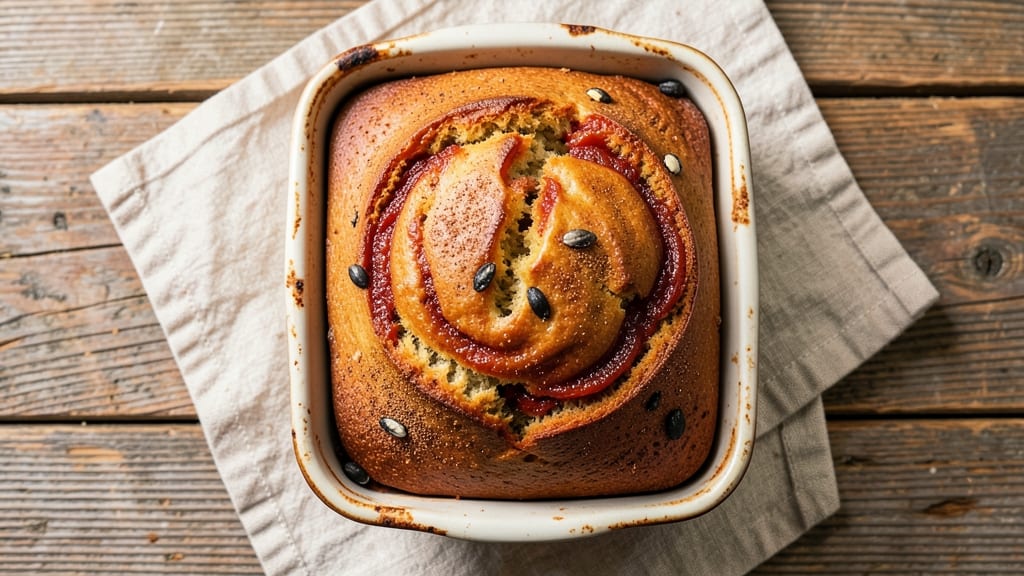
James Beard's persimmon bread recipe delivers a spiced autumn loaf with a buttery crust that captures the essence of fall baking. The secret lies in perfectly ripened persimmons blended into a smooth puree, which infuses the bread with natural sweetness and a velvety texture.
I've baked this version dozens of times, and it never fails to impress—whether served warm with butter or as a gift-worthy centerpiece.
The classic recipe combines all-purpose flour, brown sugar, and warm spices like cinnamon and nutmeg, creating a tender crumb with a crisp, golden crust. Baking at 350°F for 50-60 minutes ensures a moist interior and perfectly caramelized edges.
This isn't just bread—it's a celebration of autumn's flavors, with the persimmon puree adding depth that store-bought loaves can't match.
What sets this apart is the balance of sweetness and spice, where the persimmon's natural sugars caramelize beautifully during baking. The result is a loaf with a tender crumb and a crust that's just crisp enough to hold slices together.
Whether you're hosting a harvest dinner or simply craving a taste of fall, this recipe delivers restaurant-quality results at home.
For those with dietary restrictions, adaptations like gluten-free flour blends or coconut oil work surprisingly well—though the traditional version remains the gold standard. Let's get baking this timeless autumn classic!
Ingredients for james beard persimmon bread
Persimmons, warm spices, and buttery richness create this iconic autumn loaf.
| Ingredient | Amount | Notes |
|---|---|---|
| Persimmons 🍠 | 1 ½ cups | Ripe, peeled, pureed |
| All-Purpose Flour 🌾 | 3 cups | Sifted for even texture |
| Brown Sugar 🍚 | 1 cup | Packed for sweetness |
| Unsalted Butter 🧈 | ½ cup | Cold, cubed for baking |
| Large Eggs 🥚 | 2 whole | Room temperature |
| Ground Cinnamon 🌿 | 2 tsp | Freshly ground preferred |
| Ground Nutmeg 🌿 | ½ tsp | Freshly grated if possible |
| Ground Cloves 🌶️ | ¼ tsp | Lightly toasted for warmth |
| Baking Soda 🧪 | 1 tsp | Pure, no aluminum |
| Salt 🧂 | ½ tsp | Fine sea salt |
| Milk 🥛 | ½ cup | Room temperature |
| Vanilla Extract 🌸 | 1 tsp | Pure vanilla preferred |
Persimmons are the heart of this recipe—only use fully ripe ones that mash easily with a fork. Local farmers markets often have the best selection in fall, or check the produce section at Whole Foods for Fuyu variety. Avoid unripe persimmons, which will make the bread bitter. The puree should be smooth with no chunks. For a shortcut, Trader Joe's sells pre-pureed persimmon in the canned fruit aisle, though fresh is always better. Store ripe persimmons at room temperature until soft, then refrigerate for up to 1 week.
No persimmons? Mashed sweet potato or pumpkin puree works in a pinch, though the flavor won't be identical. For the spices, Penzeys carries excellent whole spices that you can grind fresh, but regular grocery store ground spices work fine if they're fresh. The nutmeg is crucial—if you only have pre-ground, toast it lightly in a dry pan for 30 seconds to enhance its aroma. The baking soda must be pure; Arm & Hammer is a reliable brand. For a dairy-free option, substitute the butter with coconut oil, though the texture will be slightly denser.
This bread keeps beautifully wrapped in foil at room temperature for 3 days, or freeze for up to 3 months. For best results, slice before serving—it reheats wonderfully in a 350°F oven for 5-10 minutes. I always bake an extra loaf to give away; it's the perfect make-ahead gift. The crust stays crisp for about 2 hours after baking, so plan accordingly if you're serving it immediately.
Why You'll Love This Recipe
- No-Fuss Mix-In: The dough comes together in one bowl—no yeast, no fuss. Just toss in the puréed persimmons (ripe ones, not the hard ones!) with the butter and eggs, then fold in the flour and brown sugar. Honestly, it’s the kind of recipe where you can measure by eye if you’re in a hurry.
- Sweet-Spiced Magic: That caramelized brown sugar and butter combo? It’s like a hug for your taste buds. The persimmons add a natural sweetness that cuts through the richness, and the crust gets this irresistible crackly top. (Yes, even on a Tuesday night.)
- Breakfast or Dessert: Slice it warm with butter for a breakfast treat, or dust with powdered sugar for a quick dessert. I’ve even packed it in lunches—it’s sturdy enough to handle the bag, and kids actually eat it. (Between us, that’s a win.)
- Leftovers That Last: This bread keeps for days in a cool, dry place, and the flavor only deepens. Freezes beautifully too, so you can bake a batch and pull out slices whenever you need a fast, cozy fix. Not the prettiest, but the taste makes up for it.
Step-by-step instructions for james Beard persimmon bread
A richly spiced autumn loaf with a buttery crust—this method delivers perfectly moist crumb and caramelized edges every time.
Prepare the Persimmon Puree and Mix Wet Ingredients
Begin by peeling and pureeing the 1.5 cups persimmons until completely smooth. I use a food processor for this—it ensures no lumps remain that could affect the bread's texture. Transfer the puree to a mixing bowl and whisk in the 0.5 cup unsalted butter, melted and cooled to room temperature.
Add the 2 whole large eggs, 1 cup brown sugar, and 1 teaspoon vanilla extract to the persimmon mixture. Whisk vigorously for 2-3 minutes until the sugar fully dissolves and the mixture becomes pale and slightly thickened. This step is crucial—it ensures even distribution of the persimmon's natural sweetness and prevents a dense crumb.
Combine Dry Ingredients and Fold into Wet Mixture
In a separate bowl, sift together the 3 cups all-purpose flour, 2 teaspoons ground cinnamon, 0.5 teaspoon ground nutmeg, 0.25 teaspoon ground cloves, 1 teaspoon baking soda, and 0.5 teaspoon salt. The sifting step prevents lumps and ensures an even rise. Whisk gently to distribute the spices evenly throughout the flour.
With the mixer on low speed, gradually add the dry ingredients to the wet mixture. Alternate with the 0.5 cup milk, beginning and ending with the flour. Mix just until combined—overmixing develops gluten, which can make the bread tough. The dough should be thick but pourable, similar to cake batter.
Bake in a Prepared Loaf Pan for Perfect Texture
Preheat your oven to 350°F and generously grease a 9x5-inch loaf pan with butter or nonstick spray. Pour the batter into the prepared pan and smooth the top with a spatula. The batter will fill about ¾ of the pan, which is ideal for a tall, moist loaf.
Bake for 50-55 minutes, or until a toothpick inserted into the center comes out clean and the top springs back when pressed gently. The edges should be golden brown, while the center remains slightly soft—this indicates a perfectly tender crumb. If the top browns too quickly, tent the pan with foil after 30 minutes to prevent over-browning.
Rest and Slice for Maximum Flavor
Remove the bread from the oven and let it cool in the pan for 10 minutes. This resting period allows the bread to set slightly and prevents crumbling when you transfer it to a wire rack. Once cooled, carefully invert the loaf onto the rack to finish cooling completely.
For the best texture, slice the bread when it's at room temperature. The persimmon's natural pectin will have fully integrated, creating a moist, slightly dense crumb with a buttery crust. Store leftovers wrapped in plastic at room temperature for up to 3 days, or freeze for longer storage. Each slice should reveal a rich, spiced interior with hints of caramelized persimmon.
Pro Tips For Making James Beard Persimmon Bread
- USE FIRM PERSIMMONS ONLY: Ripe persimmons are soft like a peach—not what you want. James Beard’s recipe relies on the astringent kick of firm, unripe fruit (the ones that feel like a rock). Overripe ones turn your bread into a mushy, sugary mess. Test by squeezing: if it gives even a little, wait another day.
- CREAM THE BUTTER AND SUGAR LOW: I used to whiz this together at high speed, but the butter seizes up and the mixture turns greasy. Beat the butter, brown sugar, and eggs on low for 2–3 minutes first—just until the sugar dissolves and the butter softens. This keeps the crumb light instead of dense. (Yes, it feels slow, but trust me.)
- DON’T OVERMIX THE BATTER: The second you add the flour, stop mixing the second it just comes together. Overworking it develops gluten, and your bread turns tough instead of tender. Scrape the bowl with a spatula and fold—like you’re being gentle with a newborn. The dough will look shaggy, but that’s the goal.
- BAKE UNTIL 200° INTERNAL: The recipe says “golden brown,” but that’s vague. Use an instant-read thermometer—pull it out at 200°F (93°C) in the center. The bread will firm up as it cools, but hitting that temp guarantees a moist crumb. Underbake it, and you’re left with a gummy center that’ll make you question your life choices.
Essential equipment for james beard persimmon bread
Must-Have Mixing Tools
Start with a stand mixer or hand mixer for combining wet ingredients—this ensures the persimmon puree and butter emulsify smoothly. I recommend the KitchenAid Artisan Series for its powerful motor and durable construction.
For smaller batches, a hand mixer like the Cuisinart SM-50BC works perfectly. A medium-sized mixing bowl (at least 5-quart capacity) prevents spills when whisking the wet ingredients. 💡
Precision Baking Equipment
An oven thermometer is non-negotiable—many home ovens run 25°F hotter or colder than set. The Thermoworks Oven Thermometer is my go-to for accurate readings. A 9x5-inch loaf pan is essential, but opt for Nordic Ware or Wilton brands—they distribute heat evenly and prevent sticking.
For even better results, use a lightweight aluminum pan to promote faster, even baking.
Spice and Ingredient Prep
Freshly ground spices make all the difference—Penzeys Spices or McCormick Gourmet Collection are excellent choices. A microplane for grating nutmeg or a mortar and pestle for crushing whole cloves adds depth of flavor.
For the persimmon puree, a food processor like the Ninja BN601 handles the job efficiently. Pre-measure your dry ingredients in a sifter or fine-mesh strainer to avoid lumps in the batter.
Baking Essentials
Invest in a digital kitchen scale for precise measurements—especially for the flour and sugar. The OXO Good Grips scale is reliable and easy to use. A toothpick for testing doneness and a spatula for smoothing the batter in the pan are small but critical tools.
For storage, plastic wrap or beeswax wrap keeps the bread fresh longer, while parchment paper prevents sticking when transferring the loaf from pan to rack.
Optional Upgrades
For a buttery crust, brush the top with melted butter before baking—I use Plugrá for its rich flavor. A bread lame (like the La Cloche) gives professional-looking slices.
If you love texture, sprinkle toasted pecans or candied ginger on top before baking for added crunch. These extras elevate the bread from homemade to bakery-quality. 🌟
Nutrition facts
Frequently asked questions
Why does my persimmon bread turn out dense instead of tender?
Overmixing the batter develops gluten, which makes the bread tough. Mix just until combined—stop when the flour disappears. Also, ensure your persimmons are fully ripe (they should mash easily) and don't overfill the loaf pan. The batter should reach about ¾ of the pan's height for a tender crumb.
Can I substitute pumpkin puree for persimmon?
Yes, but the flavor will differ slightly. Use 1.5 cups pumpkin puree and reduce the brown sugar to ½ cup since pumpkin is naturally sweeter. The texture will be similar, though persimmon adds a unique caramel-like depth. For best results, stick with persimmons when possible.
How do I know when persimmons are ripe enough?
Ripe persimmons should be soft to the touch (like a ripe peach) and yield slightly when pressed. They'll also have a sweet, musky aroma. If they're too firm, they're unripe and will make your bread bitter. Store them at room temperature until soft, then refrigerate for up to 1 week.
Should I use Fuyu or Hachiya persimmons?
Fuyu persimmons (the crunchy, non-astringent type) are easier to work with—they don't need peeling and can be used whole in the puree. Hachiya persimmons (the firm, astringent ones) must be fully ripe and peeled. For this recipe, Fuyu is ideal because it's sweeter and simpler to puree.
Can I make this bread gluten-free?
Yes, but expect a denser texture. Replace the all-purpose flour with a 1:1 gluten-free baking flour blend (like Bob's Red Mill) and add ½ teaspoon xanthan gum to improve structure. You may also need to reduce the milk by 2 tablespoons since gluten-free flours absorb differently.